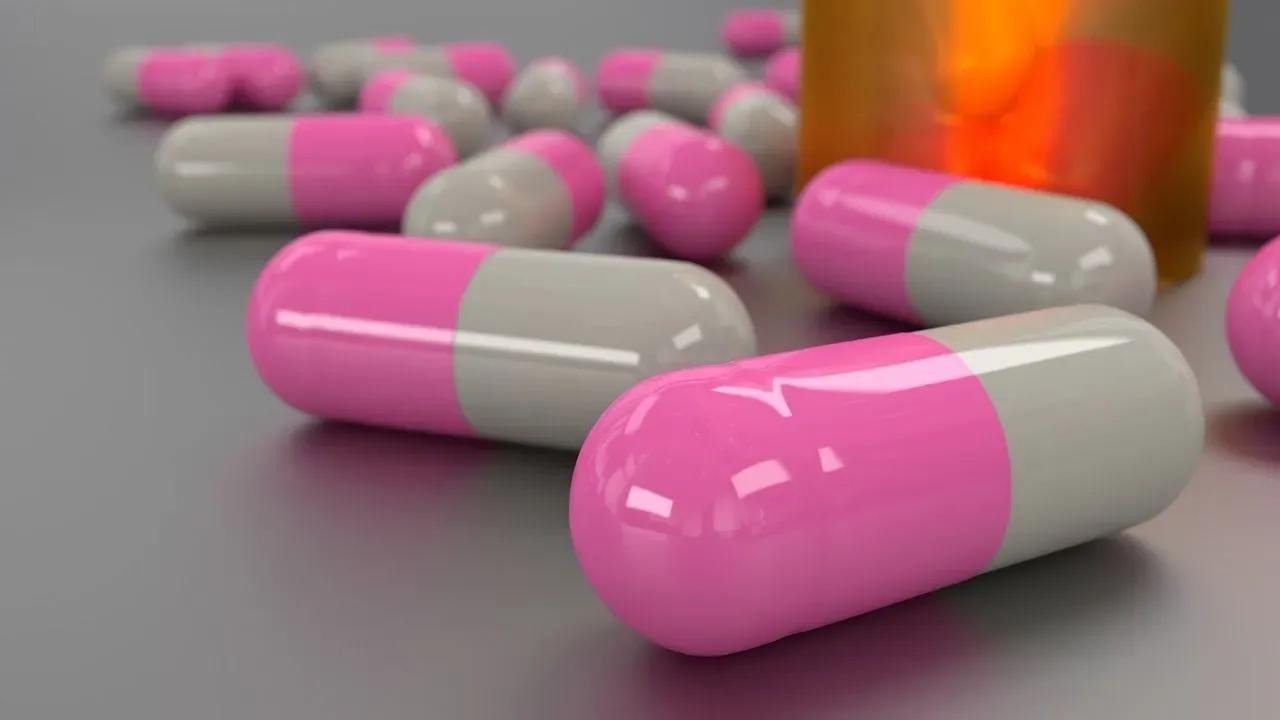

A small clinical trial has tested whether capsules containing gut bacteria from people without nut allergies can help adults with severe peanut allergies build lasting tolerance. The approach, sometimes called “poop pills,” transfers beneficial microbes through a one-time treatment rather than requiring daily medication. Early results suggest the method may ease reactions for some participants months after they swallow the capsules.
Early Trial Outcomes Point to Microbiome Influence
Researchers at Boston Children’s Hospital enrolled 15 young adults who reacted to very small amounts of peanut protein. Participants received 36 frozen capsules over several hours in a single session. Four months later, six of the 15 showed improved tolerance during controlled food challenges.
Three of the first ten participants tolerated at least 300 milligrams of peanut protein, roughly the amount in one peanut. In a follow-up group of five who first took antibiotics to clear some of their own gut bacteria, three reached similar or higher thresholds. The findings indicate that donor microbes can sometimes shift immune responses enough to reduce sensitivity.
Why Gut Bacteria Matter in Food Allergies
Food allergies often stem from a breakdown in oral tolerance, the process that trains the immune system to accept harmless proteins in the digestive tract. Certain bacterial strains appear to support that training. By introducing microbes from donors without allergies, the treatment aims to restore a more balanced gut environment.
The capsules are processed to remove pathogens and nut proteins while preserving the microbial community. Participants reported no taste or odor, and the treatment avoids the need for ongoing daily doses that many existing therapies require. Experts note that this one-time delivery could address the desire for a more permanent change rather than constant management.
Key Results at a Glance
- 15 adults with severe peanut allergy completed the initial trial.
- Overall, 6 participants increased their tolerance after four months.
- Without prior antibiotics: 3 of 10 improved.
- With prior antibiotics: 3 of 5 improved.
- Some reached thresholds that protect against most accidental exposures.
Limitations and Ongoing Research
The study remains early-stage, with a small sample size and short follow-up period. Not every participant responded, and larger trials are needed to confirm safety and effectiveness across broader groups. Researchers have already begun a Phase 2 study focused on teens to test refined versions of the therapy. Further work will examine which specific bacterial strains drive the benefit and whether the improvements hold over longer periods.
While the results do not yet represent a ready treatment, they provide the first human proof-of-concept that microbiome transfer can influence food allergy outcomes. The approach continues to attract attention because it targets the underlying biology rather than symptoms alone. If later studies replicate the findings, it could expand options for the millions of people living with nut allergies who seek greater freedom from constant vigilance.
AI Disclaimer: This article was created with the assistance of AI tools and reviewed by a human editor.