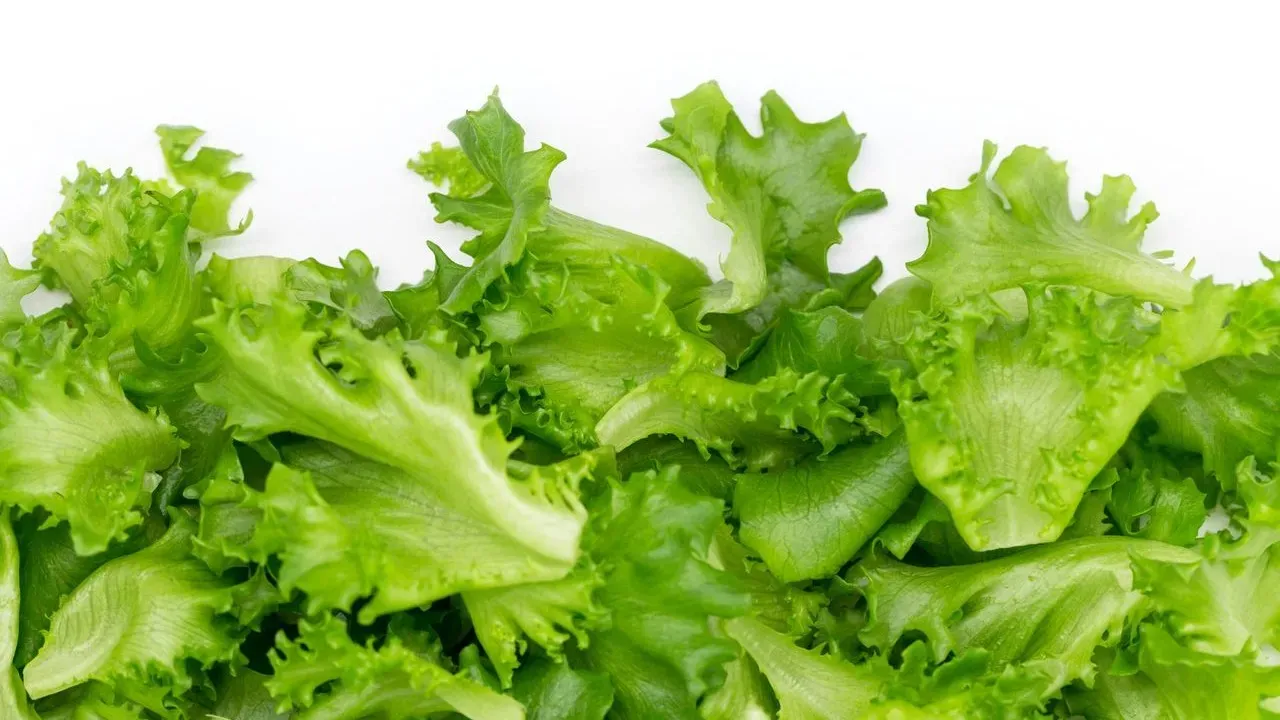

Gardeners across many regions face the same recurring problem each year as temperatures climb. Lettuce often bolts or wilts quickly once daytime highs become consistent, cutting short the window for fresh harvests. A recent reader comment on a gardening site highlighted one practical approach already in use and posed a direct question about better-performing varieties.
Common Summer Struggles for Leafy Greens
Lettuce prefers cooler conditions and tends to send up flower stalks when stressed by prolonged warmth. This bolting process changes leaf texture and flavor, often rendering the plants less useful for salads or other meals. Many home growers report losing entire patches within days of a heat wave, even with regular watering. The timing of planting and the choice of location both play roles in how long a crop lasts.
A Reader’s DIY Shade Setup
One gardener described building a simple cover using an old rack draped with fabric to provide afternoon shade over the main lettuce area. The structure sits directly above the plants and reduces direct sun exposure during the hottest part of the day. Such low-cost methods reuse household items and require little ongoing maintenance once positioned. Similar shade solutions appear in many gardens where full sun is unavoidable.
Variety Selection Matters
The reader specifically asked whether certain lettuce types maintain quality longer when temperatures rise. Different cultivars show varying tolerance to heat stress, with some holding leaves longer before bolting begins. Gardeners often experiment with successive plantings and different seed sources to identify what performs best in their own microclimate. Local extension services and seed catalogs sometimes note heat performance in their descriptions.
Combining Shade With Other Practices
Shade alone rarely solves every issue, yet it pairs well with consistent moisture and afternoon protection. Watering early in the day helps keep soil temperatures lower around the roots. Mulch layers further moderate soil conditions and reduce evaporation. Together these steps extend the productive period for lettuce even when summer arrives early.
Looking Ahead for Home Growers
Questions like the one raised by the reader reflect a broader interest in extending the season for cool-weather crops. Simple adaptations such as the fabric-covered rack demonstrate how small changes can make a noticeable difference. Continued observation and modest experimentation remain the most reliable ways to improve results year after year.
AI Disclaimer: This article was created with the assistance of AI tools and reviewed by a human editor.