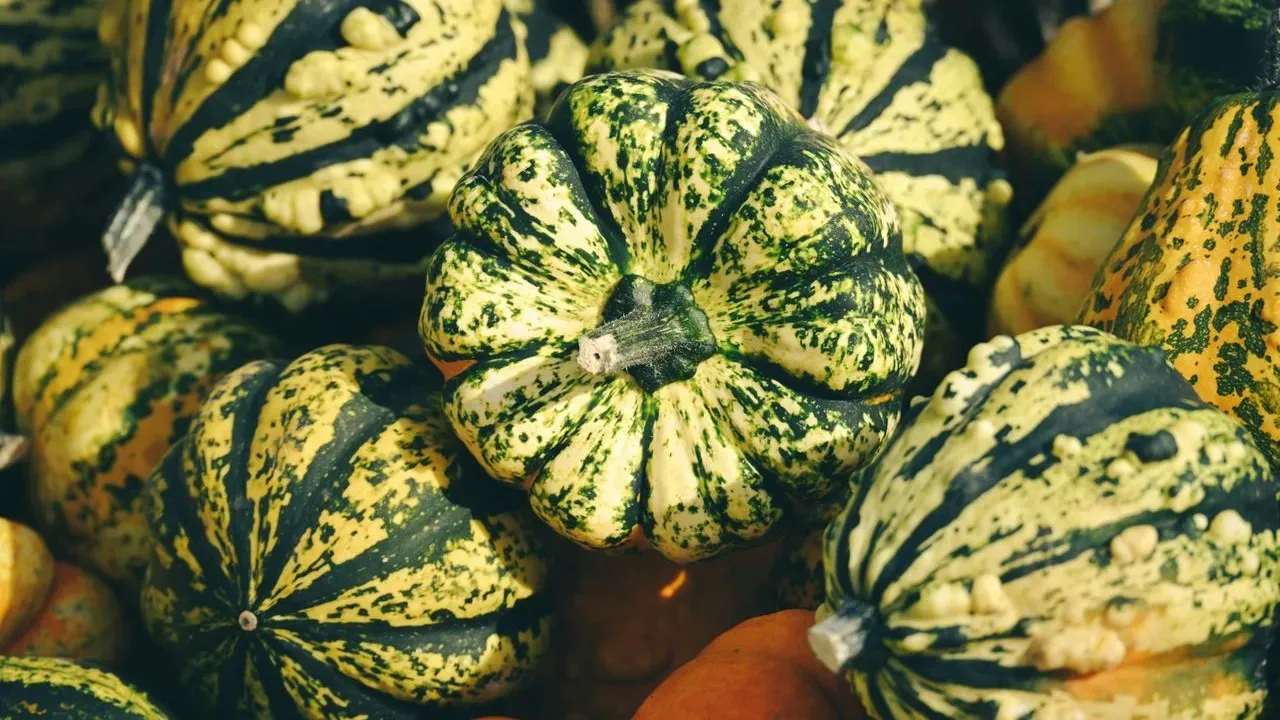

Many gardeners watch their harvested gourds turn soft and moldy within weeks, while others keep decorative pieces intact for several seasons. The difference often comes down to a few deliberate steps taken right after picking. Those steps focus on harvest timing, surface treatment, and controlled drying conditions.
Harvest Timing Sets the Outcome
Gourds must reach full ripeness on the vine before they are cut. At that stage the shell has hardened enough to resist rapid decay once the fruit is removed. Picking too early leaves thin or immature tissue that breaks down quickly, even under good storage. Hard-shell varieties develop a thicker protective layer than ornamental types. Ornamental gourds carry thinner shells that dry faster but also offer less natural defense against moisture and microbes. Both kinds benefit from the same core process once they are mature.
Disinfection and Initial Handling
After harvest, a diluted bleach rinse removes surface contaminants that can trigger rot. The solution targets bacteria and fungi without damaging the gourd itself when used at the proper strength. Thorough rinsing and gentle drying follow before the curing phase begins. This step proves especially useful for ornamental gourds, whose thinner shells give microbes an easier entry point. Hard-shell gourds tolerate the treatment equally well and gain extra protection from it. The process takes only minutes yet dramatically improves long-term survival rates.
Slow Drying Away From Sunlight
Curing requires a shaded, well-ventilated space where moisture leaves the gourd gradually. Direct sun can cause cracking or uneven drying that invites mold later. Air circulation prevents trapped humidity from creating soft spots inside the shell. The timeline stretches over several weeks depending on size and shell thickness. Ornamental gourds often finish sooner than their hard-shell counterparts, yet both need consistent conditions throughout. Once fully cured, the gourds feel light and hollow, with no remaining moisture that could support decay.
Practical Results for Seasonal Decor
Properly cured gourds shift from short-term fall accents to multi-year keepsakes. They retain color and shape through repeated display cycles when stored in dry indoor conditions afterward. Gardeners who follow the sequence report far fewer losses compared with untreated harvests. The method works for both thin-shelled ornamental varieties and thicker hard-shell types, though expectations for drying speed differ slightly between them. Attention to ripeness, disinfection, and shade curing delivers the consistent outcome most people seek when saving gourds for future seasons.
AI Disclaimer: This article was created with the assistance of AI tools and reviewed by a human editor.