
As backyard gardens and farmers markets overflow with tomatoes, beans, herbs, and other peak-season produce in the final weeks of summer, many home cooks look for straightforward ways to use what they have grown or purchased locally. Dishes that combine these ingredients with simple pantry staples can reduce waste while delivering fresh, satisfying meals. A recent selection of new recipes highlights several options well suited to this moment in the growing season. ([1])
Practical Benefits of Cooking With What Is in Season
Late summer brings a narrow window when certain crops reach their best flavor and abundance. Using those items promptly helps gardeners and cooks avoid spoilage and enjoy produce at its height. Meals built around tomatoes, beans, and herbs also tend to require fewer additional purchases, keeping preparation simple and costs lower.
Many households find that planning a few versatile recipes around the current harvest creates a reliable rhythm for weeknight dinners. This approach supports both nutrition and variety without demanding elaborate shopping trips. It also connects the effort of tending a garden directly to the table.
Three Dishes Built for Abundant Garden Ingredients
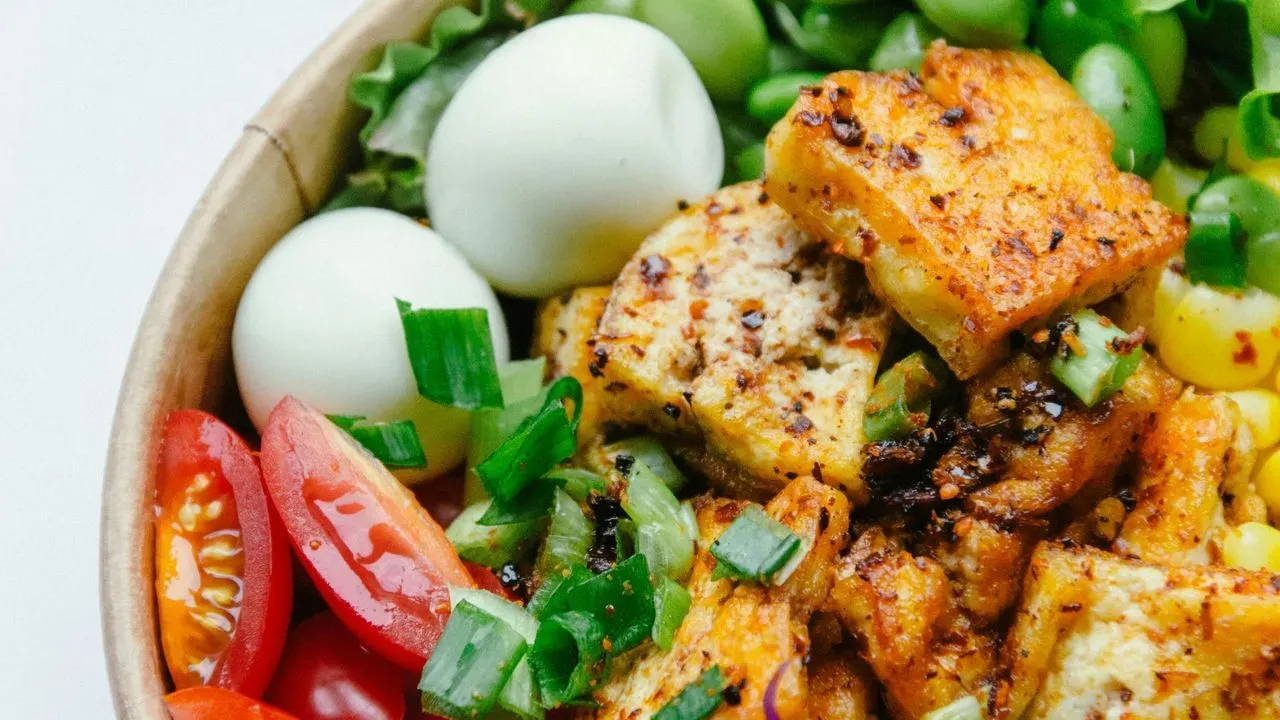
Among the new recipes drawing attention are a golden tofu noodle bowl, a tangy chicken couscous salad, and chermoula beans. Each one incorporates elements commonly found in late-summer gardens or at local markets. The tofu noodle bowl pairs well with fresh vegetables and herbs that are plentiful right now. The chicken couscous salad offers a bright, make-ahead option that can feature ripe tomatoes and chopped herbs. Chermoula beans provide a hearty, herb-forward dish that highlights beans at their peak.
These preparations stand out because they balance familiar techniques with seasonal accents. Cooks can adjust quantities based on what is ready in the garden on any given day. The results are meals that feel both comforting and timely.
Putting the Harvest to Use Without Complication
Recipes like these work best when they remain flexible. A handful of extra cherry tomatoes or a surplus of basil can be folded in without changing the overall character of the dish. This adaptability matters when garden yields vary from week to week.
Planning around what is already growing also encourages smaller, more frequent harvests rather than letting produce sit. The outcome is fresher flavor and less time spent deciding what to cook. Over the course of several weeks, such habits can turn a productive garden into a steady source of dinner ideas.
Looking Ahead to the End of the Season
As days shorten and some crops begin to slow, these kinds of recipes offer a way to mark the transition. They celebrate what the garden has provided while using ingredients that will soon give way to cooler-weather options. Home cooks who try them now may find reliable additions to their regular rotation.
The real value lies in the direct link between garden effort and the plate. Meals prepared this way carry the satisfaction of having used the season’s bounty fully and well.
AI Disclaimer: This article was created with the assistance of AI tools and reviewed by a human editor.