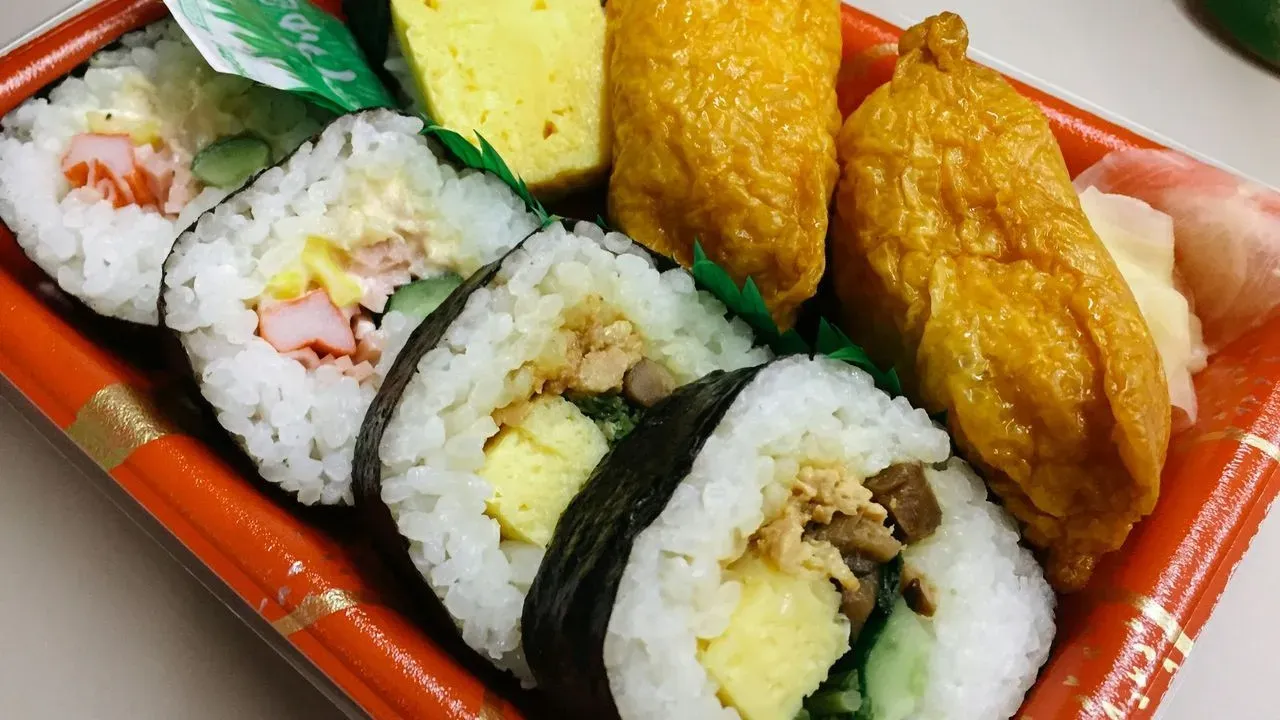

Hawaii’s beloved musubi has long centered on Spam, rice and nori for a portable, satisfying bite. A new approach swaps in tofu to create a meat-free version that keeps the familiar shape and flavors while opening the snack to more eaters. The result delivers the same convenience and appeal that made the original a regional staple. ([1])
The Surprising Swap That Changes Everything
Tofu steps in for Spam without losing the dish’s signature balance of savory, salty and slightly sweet notes. The substitution works because firm tofu holds its shape during pressing and frying, much like the processed meat it replaces. Home cooks report that the texture stays satisfying even after the pieces cool, which matters for snacks meant to travel.
Seasoning the tofu with a quick marinade of soy sauce, sugar and a touch of ginger brings the familiar umami forward. Once pan-seared until golden, the slices stack neatly onto rice blocks wrapped in nori. The process stays simple enough for weeknight prep yet produces results that feel special.
Why the Format Still Wins
Musubi’s rectangular shape makes it ideal for lunchboxes, picnics and beach days. The nori wrapper keeps everything contained, and the rice provides lasting energy without needing refrigeration for short periods. Tofu musubi inherits these practical advantages directly from its predecessor.
Because the ingredients travel well, the snack suits busy schedules and outdoor gatherings alike. Families appreciate that one batch yields multiple portions that hold up until mealtime. The vegetarian version simply extends that usefulness to a wider group of people.
Comparison: Classic Spam Musubi vs. Tofu Version
| Aspect | Spam Musubi | Tofu Musubi |
|---|---|---|
| Protein Source | Processed pork | Firm tofu |
| Preparation Time | Quick sear | Marinate then sear |
| Dietary Fit | Traditional | Vegetarian |
| Texture After Cooling | Firm | Firm and sliceable |
Everyday Enjoyment and Sharing
People describe the finished pieces as fun to assemble, whether working alone or with others in the kitchen. The hands-on steps invite small customizations, such as adding a thin layer of egg or a sprinkle of furikake. Once wrapped, the musubi become easy to pack and even easier to eat on the go.
The joy comes from both the making and the eating. Crisp edges on the tofu contrast with the soft rice, while the nori adds a subtle chew. That combination keeps the snack interesting bite after bite, whether served at room temperature or slightly chilled.
A Simple Evolution Worth Trying
Tofu musubi demonstrates how a single thoughtful change can broaden a beloved regional food without erasing its character. The approach respects the original’s portability and flavor profile while meeting modern preferences for plant-based options. Cooks who try it often find the results convincing enough to repeat.
As more households explore meat-free versions of familiar dishes, this adaptation stands out for its practicality. It turns a Hawaiian favorite into something accessible for a wider audience while preserving the snack’s essential appeal. The outcome is a small but meaningful update that still feels rooted in tradition.
AI Disclaimer: This article was created with the assistance of AI tools and reviewed by a human editor.