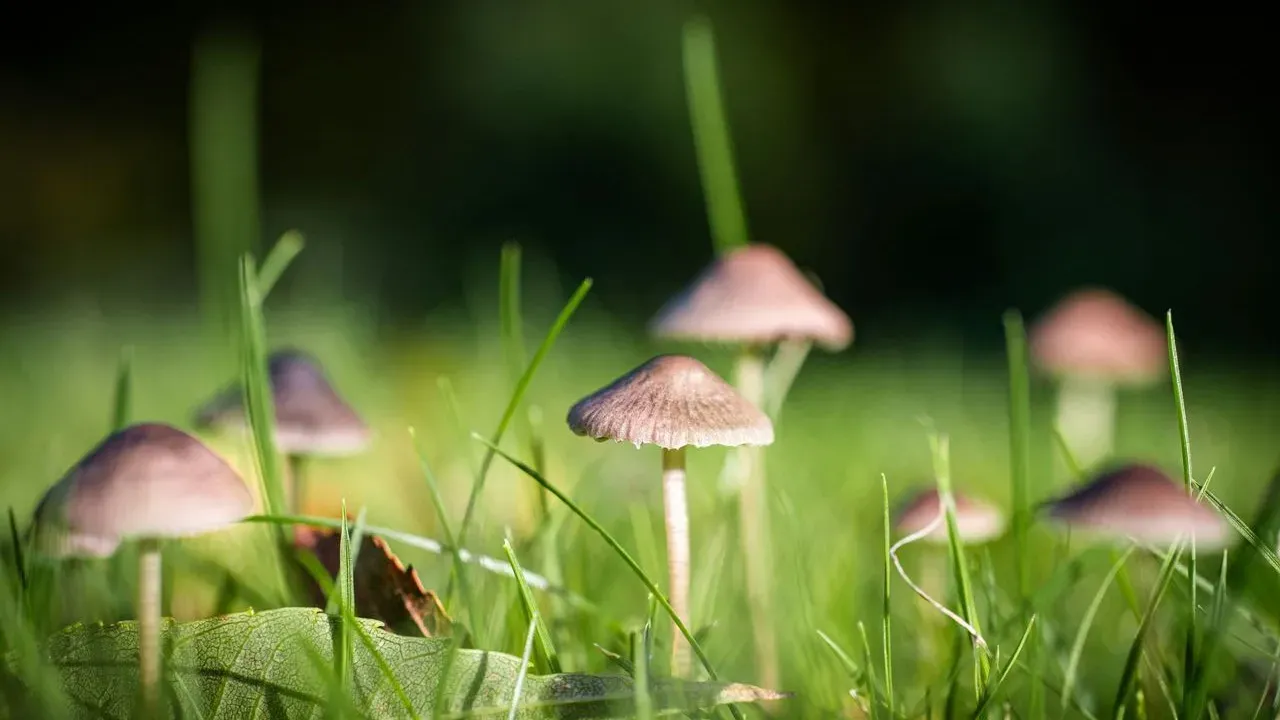

Homeowners often notice clusters of mushrooms or puffballs emerging in lawns and flower beds seemingly overnight, especially following a period of steady rain in late summer. This common occurrence leaves many wondering what triggered the sudden growth and whether it signals a deeper issue with their yard. The appearance stems from established fungal networks already present in the soil, activated by moisture and warmth rather than any recent mistake in care. ([1])
The Underground Network at Work
A mushroom or puffball represents only the visible fruiting body of a much larger fungal system that has been active beneath the surface for some time. These networks break down buried organic materials such as old tree roots, wood scraps, thatch layers, or decaying mulch, recycling nutrients back into the ground in the process. Warm temperatures combined with ample moisture from rain provide the ideal conditions for the fungi to produce these structures all at once, which explains why the same spots often see repeats in following seasons.
The process is a natural part of decomposition in many landscapes. Rather than indicating poor soil health, the fungi contribute to nutrient cycling that can ultimately benefit plants once the organic matter is fully broken down. This activity tends to concentrate where buried debris provides a steady food source, making certain areas more prone to visible growth after each significant rainfall event.
Evaluating the Actual Impact on Your Yard
In the vast majority of cases, these fungi do not harm grass or garden plants. They function primarily as decomposers and rarely attack living vegetation directly. Scattered mushrooms or puffballs differ from more specific conditions like fairy rings, which can create water-repellent zones in turf but represent a distinct situation rather than the typical post-rain display.
The presence of these organisms often points to normal biological activity rather than a crisis requiring immediate chemical intervention. Homeowners can view them as indicators of organic material undergoing breakdown, which is a routine aspect of soil ecosystems in residential settings.
Practical Steps for Handling Visible Growth
Attempts to eliminate the fungi through fungicides or sprays prove ineffective because such products reach only the above-ground portions while leaving the underground network intact. Research from university extensions consistently shows that no common home treatment reliably eradicates the source of lawn or garden mushrooms.
Instead, focus on mechanical and cultural methods that address the conditions supporting growth. Raking or mowing away the visible structures as they appear helps reduce spore spread in the short term. Where feasible, removing buried wood, stumps, or excess thatch eliminates the food source that sustains the fungi over time.
- Improve drainage and aeration in persistently damp areas to limit moisture retention.
- Thin out heavy mulch layers or compacted thatch that hold water near the surface.
- Keep pets and children away from any mushrooms that cannot be positively identified as safe.
Building Resilience Against Recurring Appearances
Longer-term management centers on reducing the organic debris that feeds the fungal networks. Regular aeration, proper mowing practices, and careful selection of mulch types can gradually limit the resources available underground. These adjustments do not produce instant results but steadily diminish the conditions that lead to repeated fruiting after rain.
Over time, consistent attention to soil conditions and debris management creates a landscape less hospitable to prolific fungal displays. The goal remains supporting healthy decomposition without allowing visible structures to dominate the surface.
Ultimately, the appearance of puffballs and mushrooms serves as a reminder of the active biological processes beneath every lawn. Addressing the underlying organic matter offers the most reliable path forward, turning an unexpected sight into an opportunity for better yard stewardship.
AI Disclaimer: This article was created with the assistance of AI tools and reviewed by a human editor.