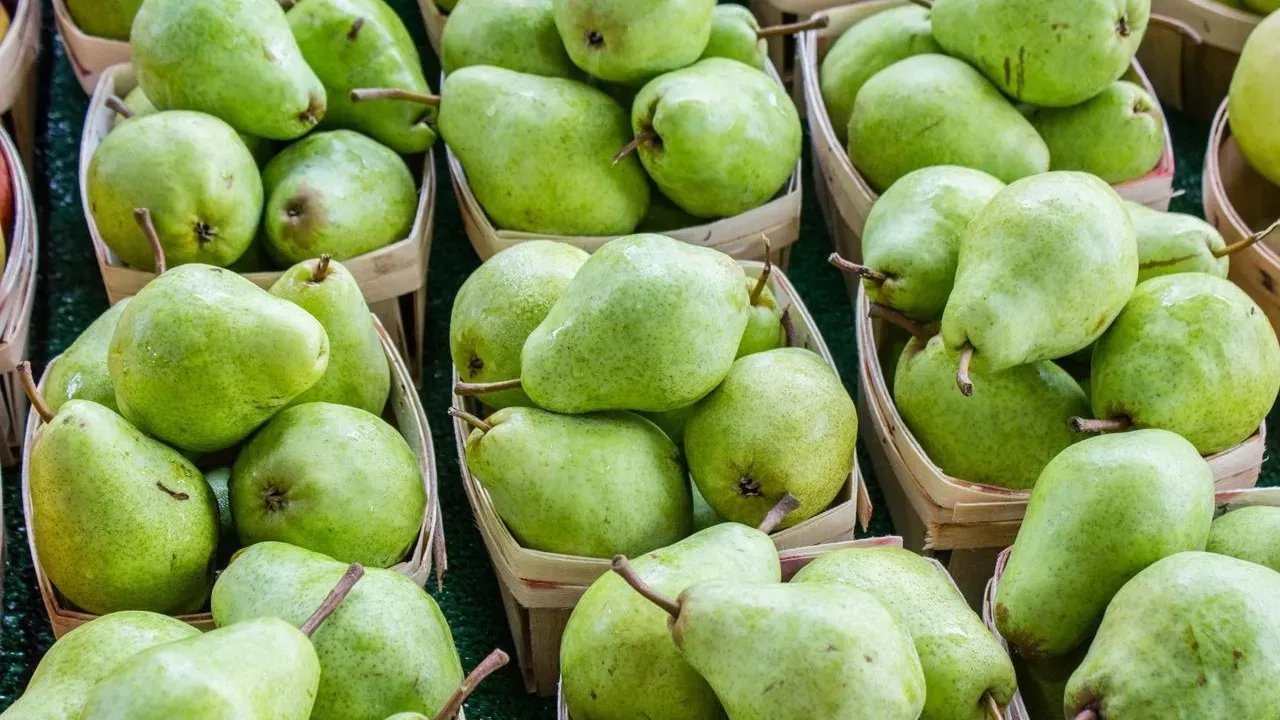

Gardeners in warmer regions often overlook pears, assuming the trees demand long winters and heavy spraying. Yet certain varieties have quietly proven reliable in the South, where heat, humidity, and shorter chill periods limit many other fruits. A recent account from a Zone 8b property highlights how these trees can produce with minimal intervention once established. ([1])
Varieties Built for Southern Conditions
Several pear cultivars stand out because they combine disease resistance with low chill-hour requirements. Shinko, Shinseiki, Pineapple, Kieffer, Spalding, Hood, Baldwin, and Le Conte appear on lists of trees that perform well without constant chemical support. These selections tolerate the region’s climate while still delivering edible fruit, unlike many European pears that struggle or require intensive care.
Local growers report that these trees fit into mixed orchards or backyard plantings without demanding special soil amendments beyond standard fruit-tree practices. The emphasis remains on choosing stock already adapted rather than forcing northern varieties into unsuitable zones.
Low-Maintenance Appeal in Practice
Once planted, the trees require little beyond basic watering and pruning during establishment. One gardener noted planting roughly eight trees on a single property, with only the Spalding variety currently bearing fruit while others continue to size up. Additional plantings are planned, suggesting confidence that the initial investment will pay off over time.
The payoff comes in the form of homegrown fruit that arrives without the spray schedules common to apples or peaches in the same climate. Disease resistance reduces the need for interventions, making the trees suitable for gardeners who prefer lower chemical inputs or have limited time for maintenance.
From Tree to Table
Harvest timing often aligns with late summer or early fall, providing a fresh option when other tree fruits may have finished. The fruit lends itself to both fresh eating and simple preparations such as salsa, extending its usefulness beyond the immediate picking window.
Gardeners value the trees not only for yield but also for their ability to produce in conditions where more delicate varieties fail. This reliability encourages repeated plantings and gradual expansion of small orchards on residential lots.
Why Interest Is Growing
Word of successful plantings spreads among home growers seeking alternatives to high-maintenance crops. The combination of resilience, modest space needs, and consistent performance in warm climates positions these pears as a practical choice rather than an experimental one.
As more gardeners document their results, the trees move from niche recommendations to more common inclusions in Southern landscape plans. Their track record suggests they will remain a steady option for those prioritizing ease alongside edible harvests.
AI Disclaimer: This article was created with the assistance of AI tools and reviewed by a human editor.