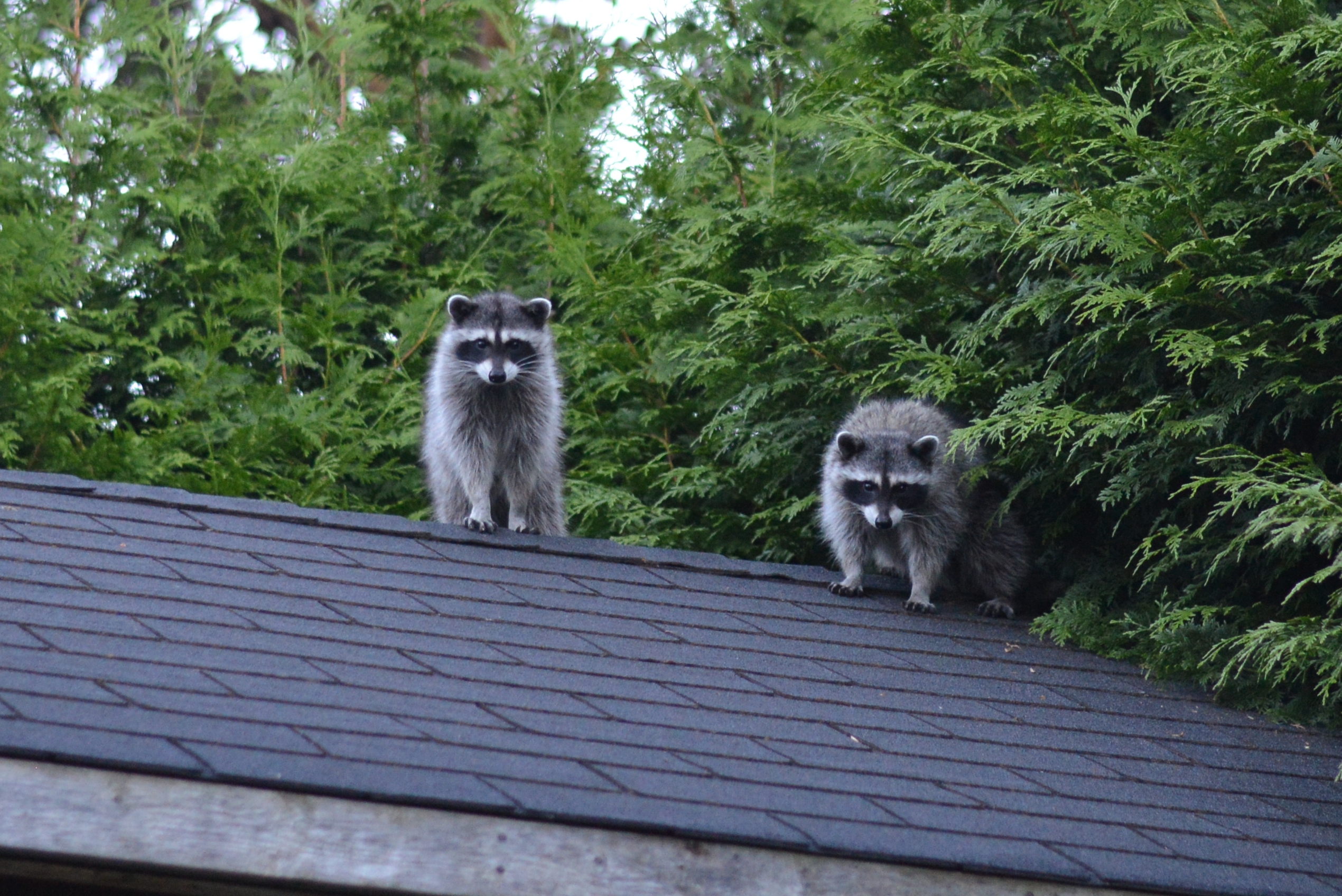

The Nighttime Thumping Habit Nobody Mistakes Twice
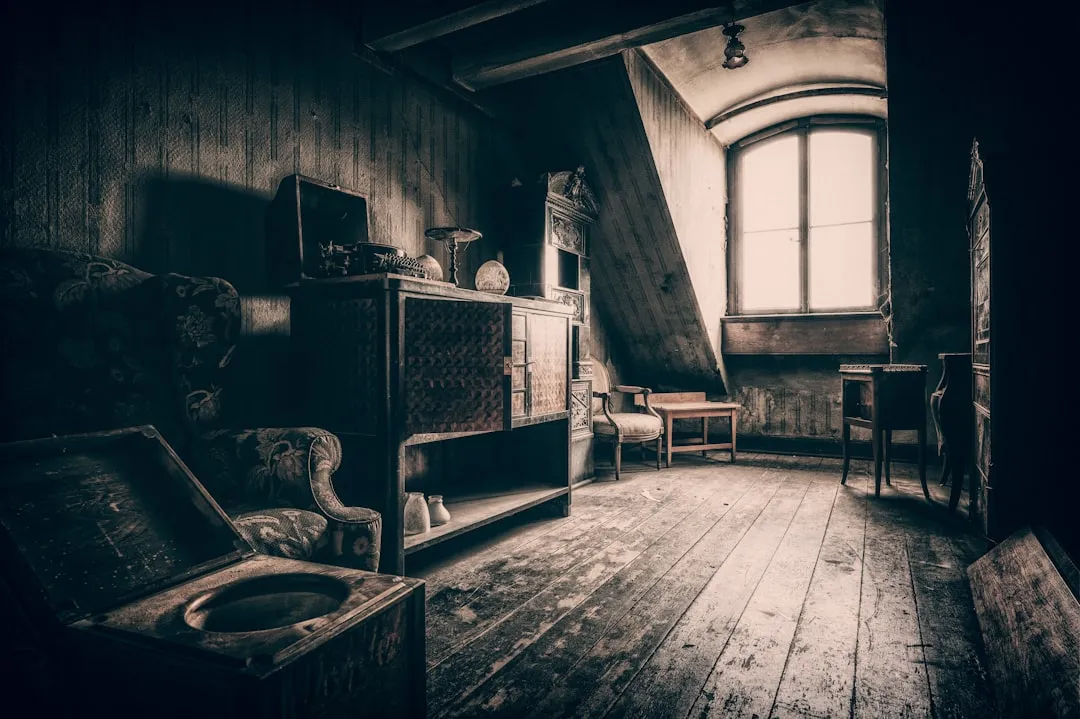
Raccoons are generally most active around dawn and dusk, so you likely won’t hear them moving around much during the day. If you hear scratching or heavy footfalls in the early morning or just after dark, it’s a strong sign you have a large animal up in the loft.
Sound in the attic is always a concern. Most other animals make small scurrying noises like squirrels or rats, but raccoons are large enough to make it sound like there’s a serious problem up there.
You might hear thumping, scratching, or even vocal sounds coming from the ceiling or chimney. These aren’t subtle. Raccoon movement is weighty, purposeful, and hard to dismiss as the house settling.
The Tree-Climbing Habit That Gets Them Onto Your Roof
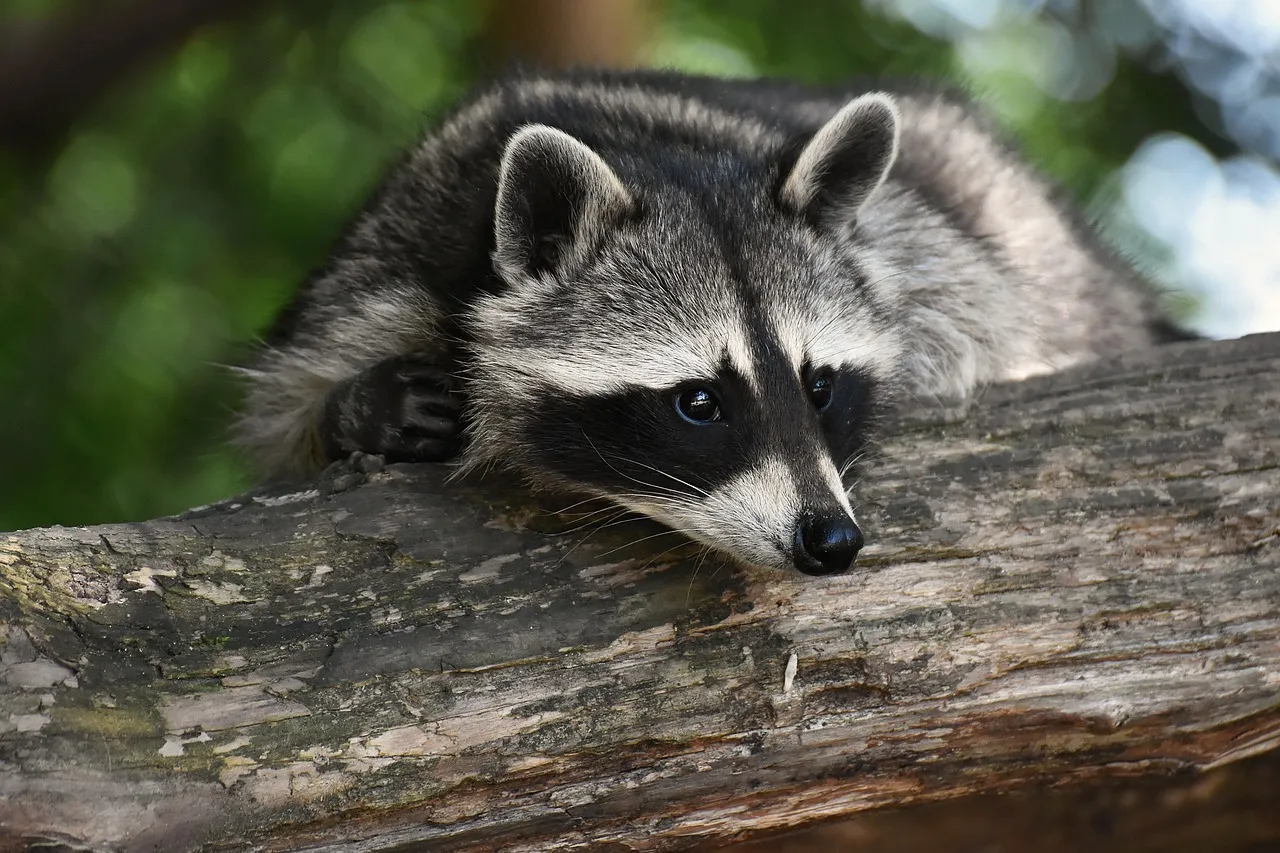
Raccoons need a safe way to climb up to your roof. The most common way they gain roof access is through untrimmed tree limbs hanging too close to the roofline, making it easy for a raccoon to scale the tree, walk right over to your rooftop, and start looking for a way in.
Overhanging tree branches act like bridges for raccoons. A branch that clears your roof edge by just a foot or two is all the invitation they need. It’s one of those vulnerabilities that looks harmless until it isn’t.
The Prying and Gnawing Habit at Entry Points
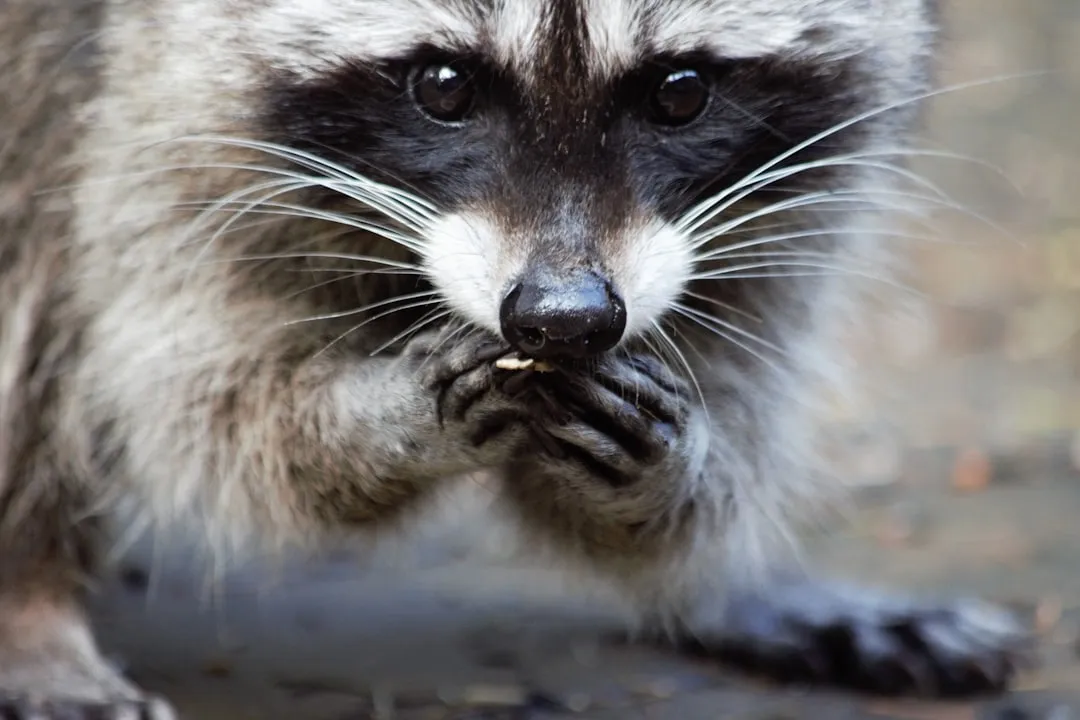
If there are small gaps in your roofline, soffits, fascia, or vents, raccoons will work away at them with their teeth and claws to try to widen their preferred entry point.
Raccoons only need a four-inch gap to enter a space. An adult raccoon can fit into a hole the size of a softball, roughly three to four inches. That’s a much smaller opening than most people assume.
Raccoons can also exploit loose shingles, ripping them off to get inside the home. Ridge vents on roofs can provide an opening just big enough for raccoons to exploit, and raccoons can also enter through gable vents. They’re also known to enter the home through the chimney, where they will either set up shop or continue on to the attic.
The Nesting Season Habit That Draws Pregnant Females Indoors
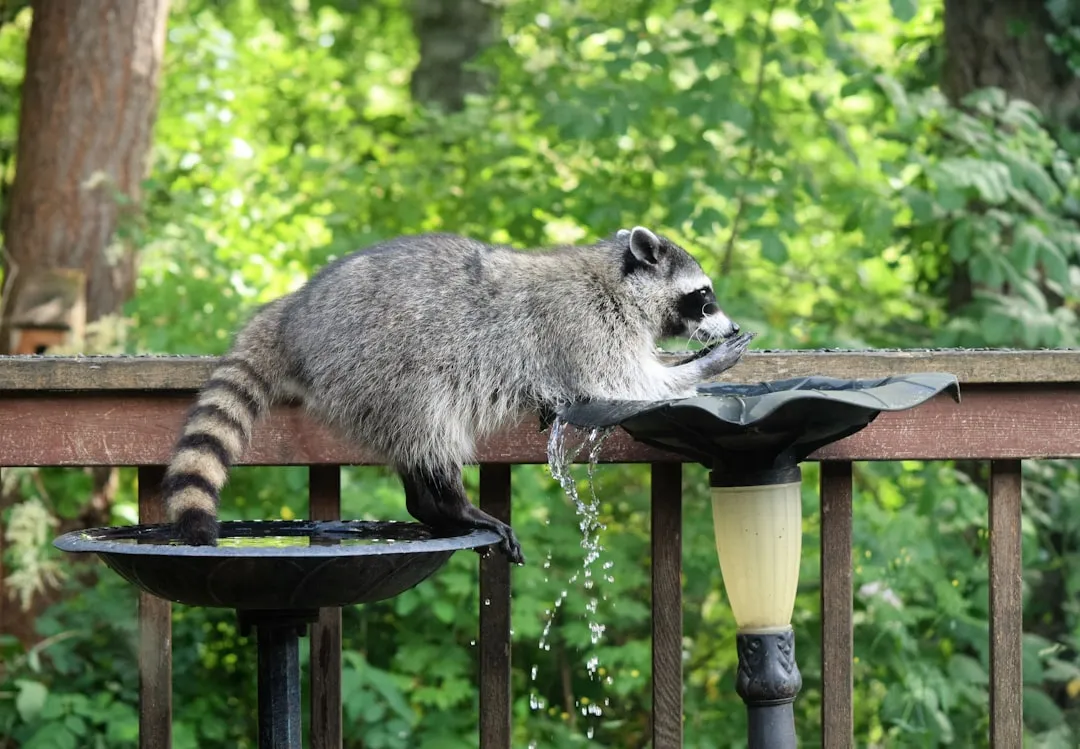
Raccoon mating season typically starts in late winter, with the most activity occurring between January and April. During this time, males travel extensively to find mates, increasing their presence in yards, along fences, and even on rooftops.
Once pregnant, female raccoons begin nesting season, a period of intense den-seeking behavior. Natural spaces like tree hollows may work in rural areas, but in urban and suburban environments, attics, crawl spaces, chimneys, and even wall voids are frequently targeted.
Females usually have three to five babies per litter, and their nesting season is typically in spring, with the prime season for birth in March. The majority of raccoons who move into attics or other buildings are pregnant females. That detail matters a lot for removal, because you’re often dealing with a whole family.
The Insulation-Shredding Habit That Signals a Settled Guest
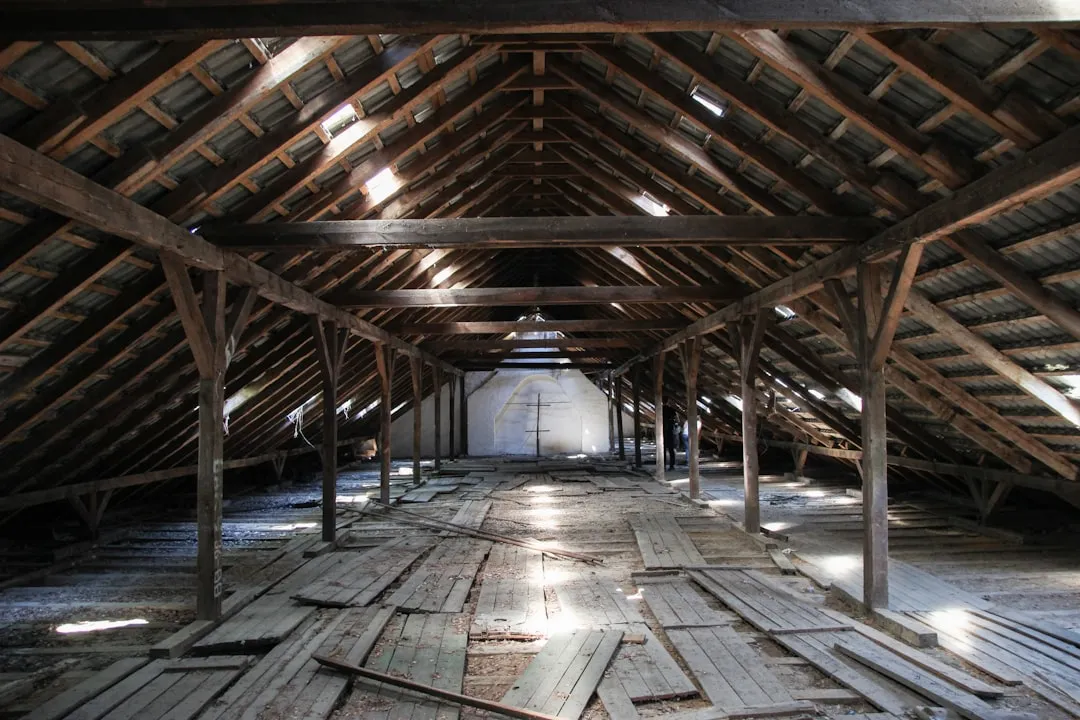
Raccoons tend to reside in attics for long periods, tearing apart materials to build nests and causing structural damage in the process. A mother raccoon may rip apart insulation, wire, and wood to create a cozy nest for her babies.
Raccoons line their dens with soft materials like leaves, grass, and insulation to create warm nesting areas. Your attic insulation is, from their perspective, ready-made nesting material sitting right there.
Female raccoons often tear open the insulation in an attic to build nests, which decreases the thermal efficiency of your home and may result in higher heating bills. Rising energy costs with no obvious explanation can sometimes trace back to this exact habit.
The Latrine Habit That Creates a Health Crisis Overhead
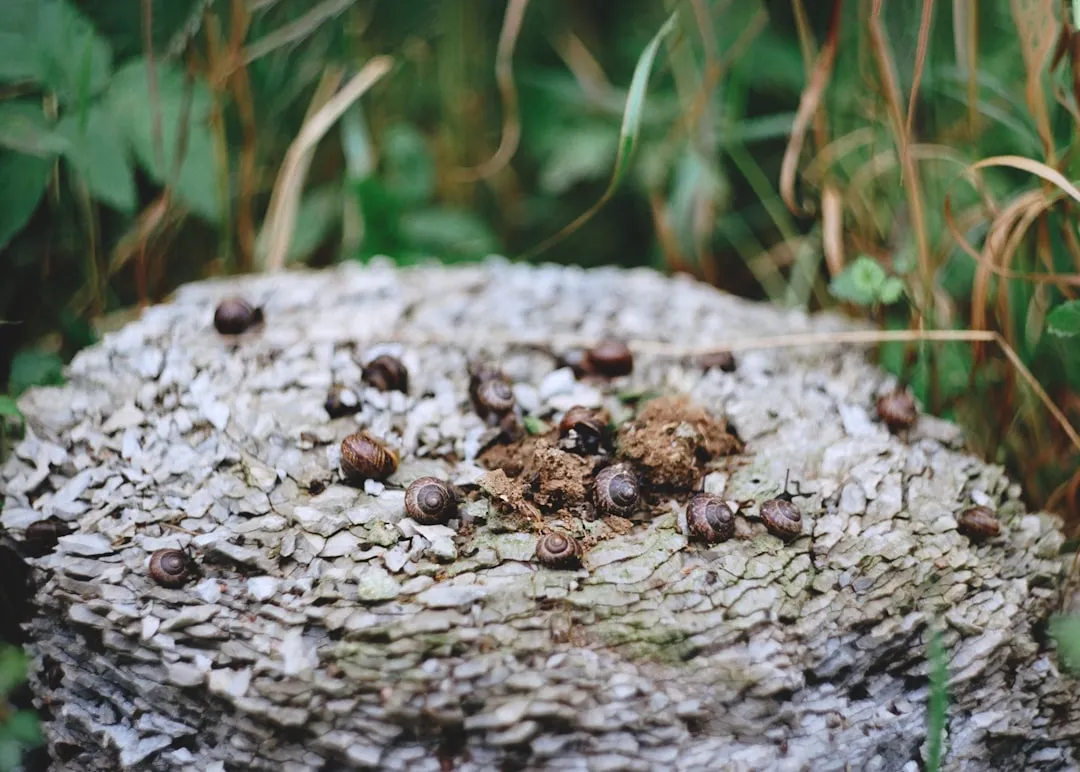
When raccoons make a den out of your attic, the last thing they think to do is head outside to defecate and urinate. This is especially true during cold winter months. They will drop the majority of their scat right above your head in that attic and likely inside your insulation.
Raccoons create separate latrine sites for their droppings. Typical latrine sites in residential areas include roofs, attics, next to woodpiles, under decks, or in crawlspaces. Their accumulated feces and urine quickly destroy insulation, saturate woodwork, and cause a noxious odor.
A critical sign of raccoon activity is the presence of droppings. Raccoon feces are usually dark and cylindrical, often containing remnants of food such as berries or insects.
The Wiring-Chewing Habit That Creates a Fire Risk

Raccoons will also chew on wood and wiring, which is a major fire risk. Perhaps the most worrisome damage raccoons cause is to electrical wires. These frayed wires represent a significant fire hazard.
Beyond insulation and electrical wires, raccoons frequently damage wood support beams that run through attics. Over time, raccoons will chew or pry large chunks out of wood beams, weakening their structural integrity.
They may rip apart drywall, insulation, and pipe insulation, and have also been known to tear holes in air ducts and even live within the HVAC system. That’s not a situation where patience is a virtue.
The Odor Habit That Reveals a Long-Term Infestation
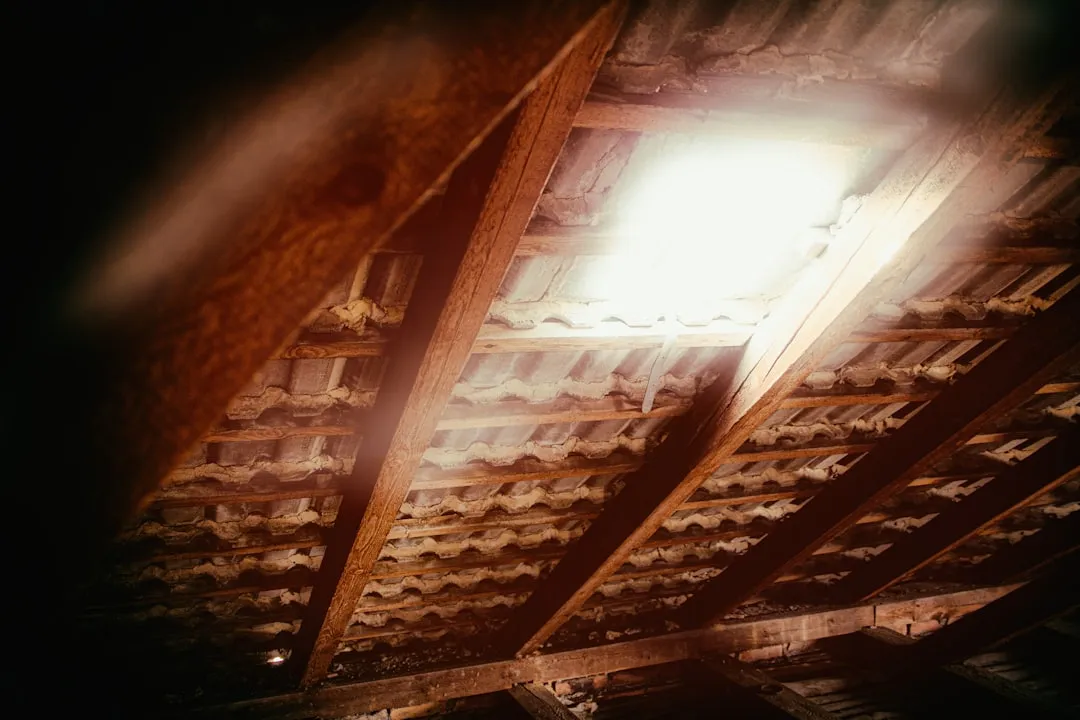
You will smell the dung and urine if you have a long-term raccoon problem. If you notice a persistent odd odor, trust your senses. You could very well have a raccoon family squatting inside your attic.
Waste left behind can also encourage the growth of mold, attract bugs like cockroaches, and contains a scent that will encourage new raccoons to enter the attic in the future. That last point is worth pausing on. Even after removal, an uncleaned attic can keep drawing new animals back in.
The Disease-Spreading Habit That Makes Raccoons Genuinely Dangerous
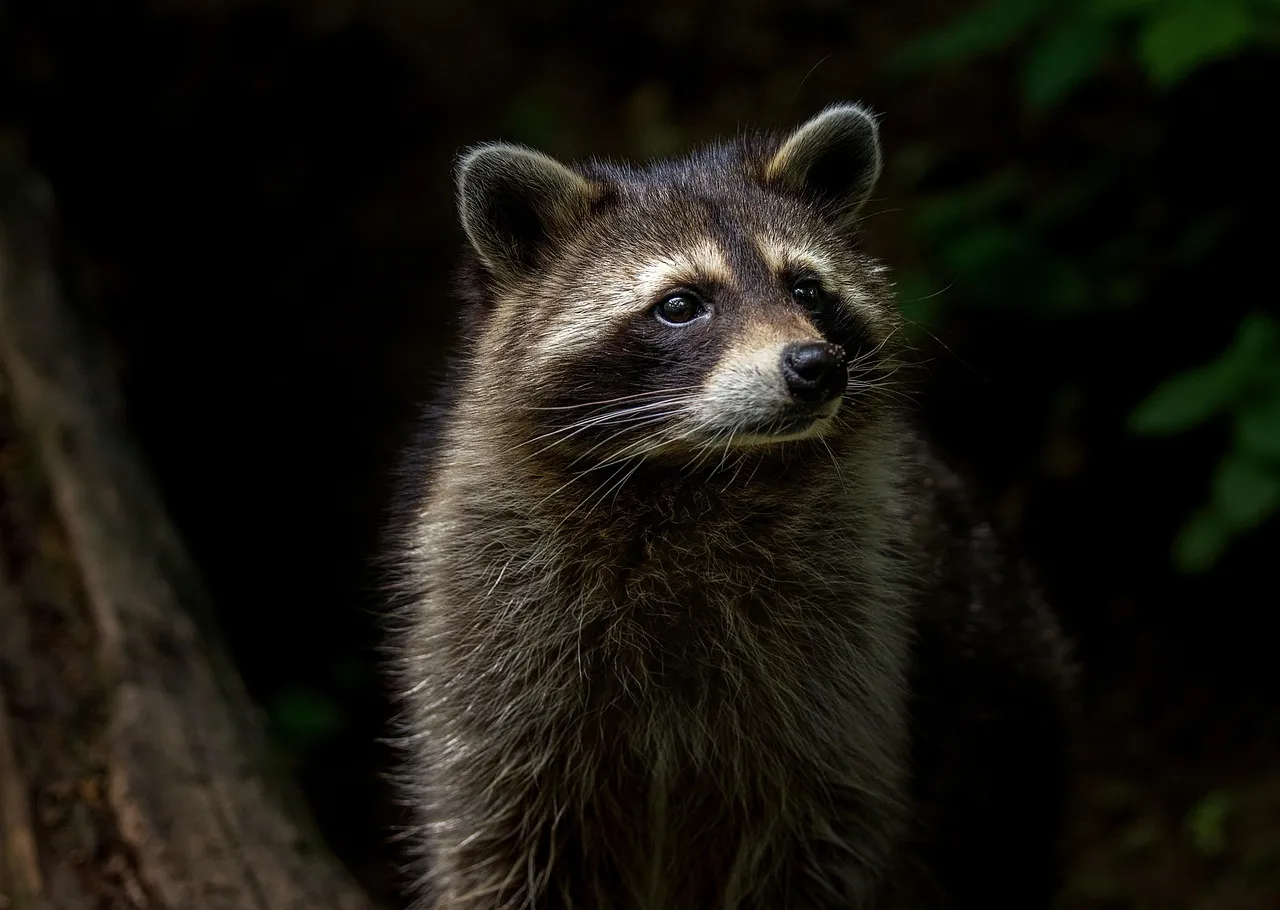
Rabies is commonly carried by raccoons and is spread from an infected raccoon to a pet or human through saliva via a bite or scratch. It causes muscle pain, dizziness, fatigue, fever, delirium, aggression, and eventually death if not treated in a timely manner.
One of the most significant dangers associated with raccoons is found in their feces. Baylisascaris is an infection caused by a roundworm contained in raccoon excrement. The roundworm eggs are often found inside raccoon droppings and if ingested by humans can cause severe damage to the nervous system.
Leptospirosis is a bacteria spread through raccoon feces that can cause fever, headache, chills, muscle aches, jaundice, and kidney or liver failure. These aren’t rare, theoretical risks. They’re documented reasons why wildlife professionals consistently advise against handling raccoon waste without proper protective equipment.
The Return Habit That Makes Cleanup and Sealing Essential
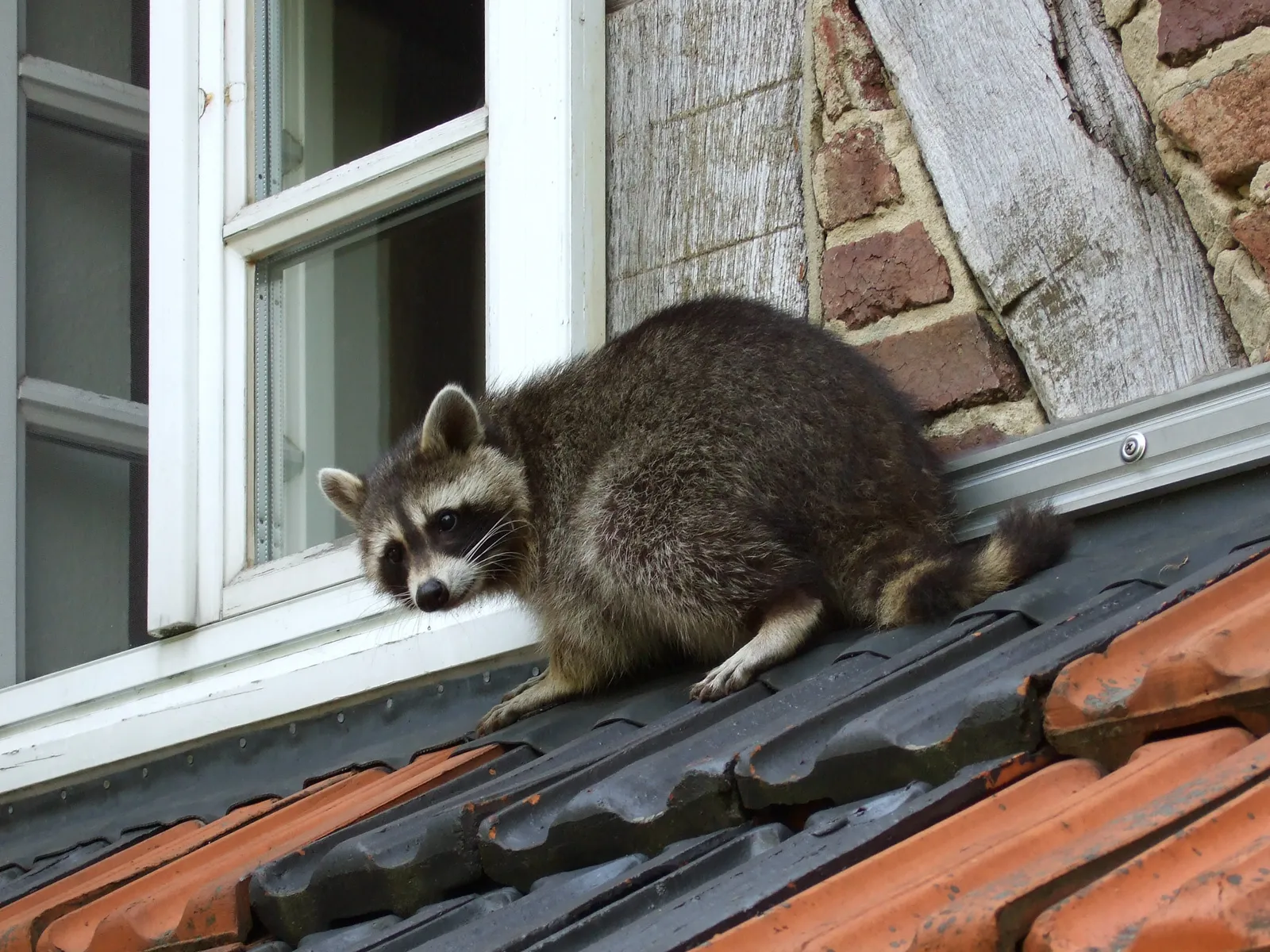
If raccoons are allowed to stay, they will stay for most of the year and will return to the same area year after year. Removal alone isn’t enough if the entry points remain open and the scent markers stay in place.
Studies show that homes with professional exclusion measures experience up to roughly nine out of ten fewer repeat intrusions, which puts the case for proper sealing in clear numbers.
Securing the space means removing attractants and pruning nearby branches that provide access to the roof, then setting one-way exclusion devices on primary entry points so raccoons can exit but cannot re-enter. That combination of removal and prevention is what actually resolves the problem.
What to Do Once You Recognize the Signs
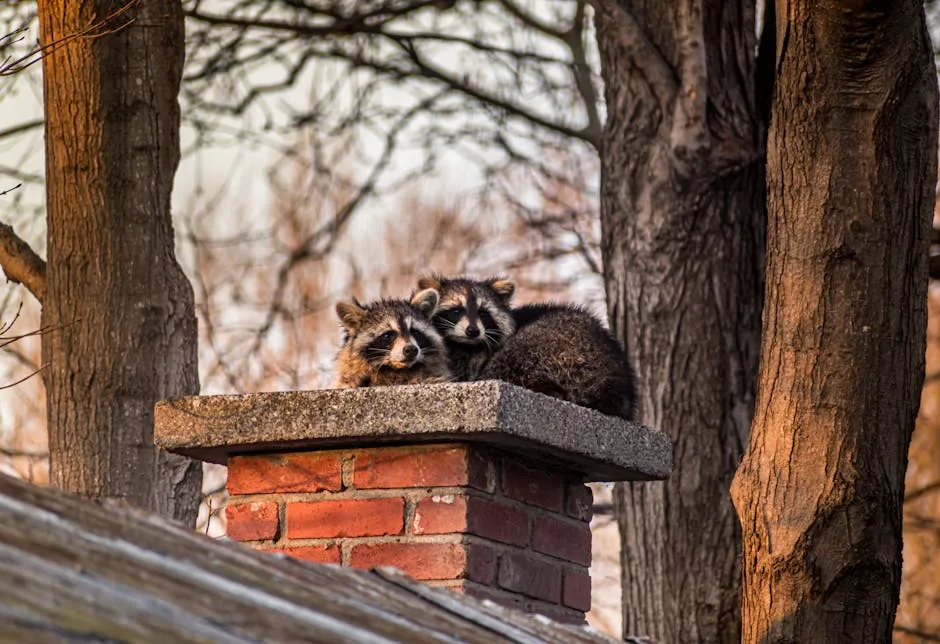
Raccoon damage to yards, roofs, attics, and crawl spaces costs homeowners thousands of dollars in repairs every year. A homeowner’s insurance policy might cover the repair costs but not the cost of trapping and removal. It’s worth checking your policy before anything else.
To make the attic less appealing, eliminate nearby food sources, ensure garbage is sealed, and install bright lights or play a radio during the day. After the raccoon has exited, be sure to seal any entry points to prevent a return.
For safety, avoid entering the roof space yourself if wildlife is present. Disturbing a nest can provoke aggression or bites. Rabies is one major health threat, which is why it’s best to keep your distance and call a wildlife professional to remove the animal. Acting early, before a single raccoon becomes a nursing mother with a litter, makes every part of the process simpler and less costly.
Final Thoughts
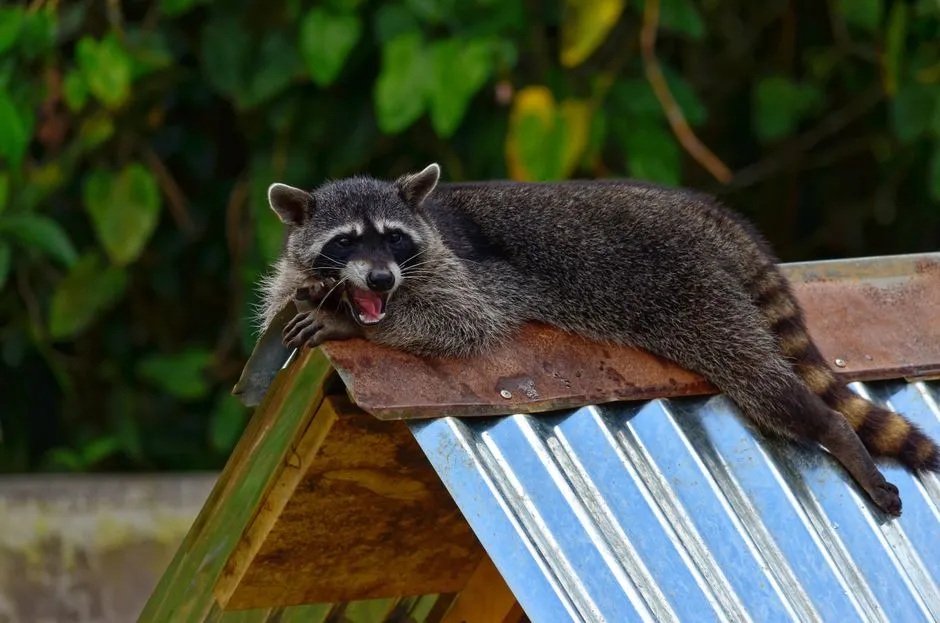
Raccoons are genuinely impressive animals. They’re adaptable, strong, and smart enough to exploit gaps in homes that most homeowners never even notice. That’s exactly what makes them such a persistent problem once they’ve settled in.
The habits described here, the nocturnal thumping, the gnawed entry points, the latrine in the insulation, the returning visitors drawn back by old scent, form a recognizable pattern. Knowing that pattern means you won’t spend months wondering what’s making that noise above your bedroom ceiling.
The most useful thing a homeowner can do is inspect the roofline, trim back branches, and seal any gaps before nesting season begins in late winter. A four-inch gap is all it takes. Most of the time, prevention is a Saturday afternoon. The alternative is considerably more involved.
AI Disclaimer: This article was created with the assistance of AI tools and reviewed by a human editor.