
The Bottle Is Under Enormous Pressure

Most people don’t realize how much force is sealed inside a standard champagne bottle. The pressure inside ranges from roughly 60 to 90 pounds per square inch. To put that into perspective, the pressure inside a 750 ml bottle of champagne or sparkling wine is approximately three times that of a standard car tire.
A standard champagne bottle encases enough pressure to launch a cork over 13 meters away, carrying nearly the same pressure as a standard bus tyre. That isn’t a trivial amount of energy to release near someone’s face. The bottle itself is engineered specifically to contain it.
A Cork Travels Faster Than You’d Expect
That pressure can propel a cork up to 42 feet at speeds of up to nearly 50 mph. That’s the speed of a fastball thrown by a high school pitcher, except the projectile is blunt, wide, and aimed unpredictably. A flying champagne cork can travel as fast as 50 mph when it leaves a bottle, making it a dangerous projectile strong enough to break glass and cause injuries.
Corks from champagne or sparkling wine can erupt at speeds up to 60 mph when a bottle has been shaken or is warmer than it should be. The speed matters enormously, because the eye has almost no time to respond.
The Human Eye Cannot React in Time

A cork can travel from the bottle to the eye in less than 0.05 seconds, rendering the natural blinking reflex ineffective in preventing injury. The blink reflex, which is one of the fastest involuntary movements in the human body, simply isn’t fast enough. By the time the brain registers the threat, the cork has already made contact.
Propelled by CO2, a cork can travel from bottle to eye in less than 0.05 seconds, rendering the blinking reflex ineffective. This is a critical detail that safety messaging often undersells. People assume they’d naturally flinch or look away. They won’t.
What Doctors Actually See in the ER
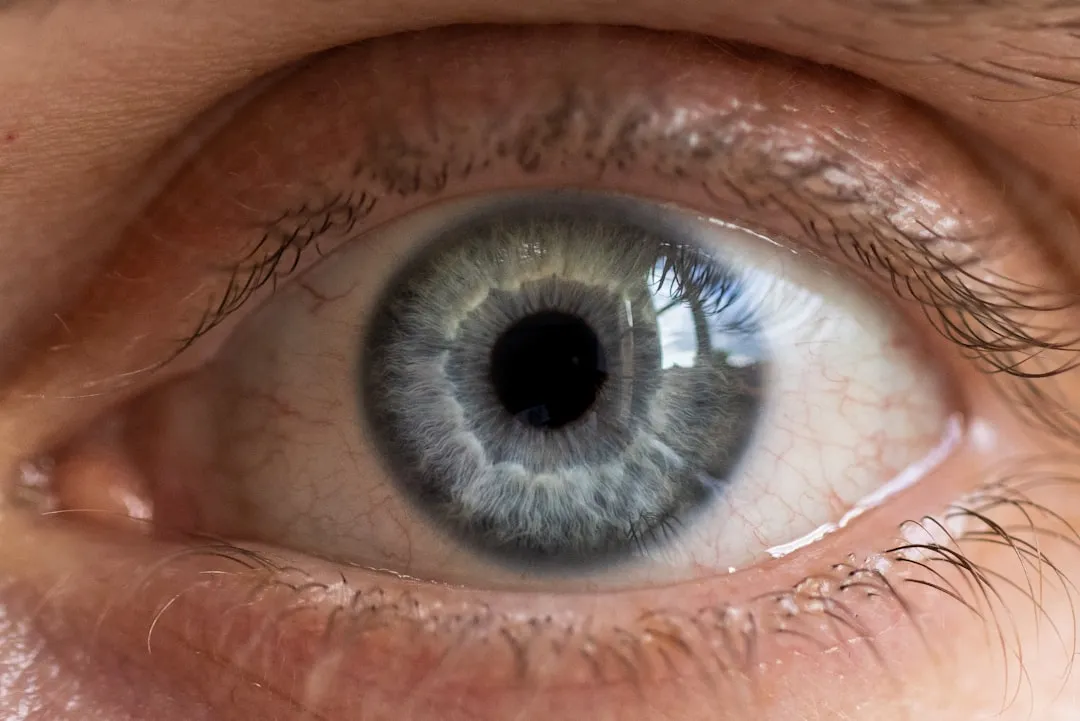
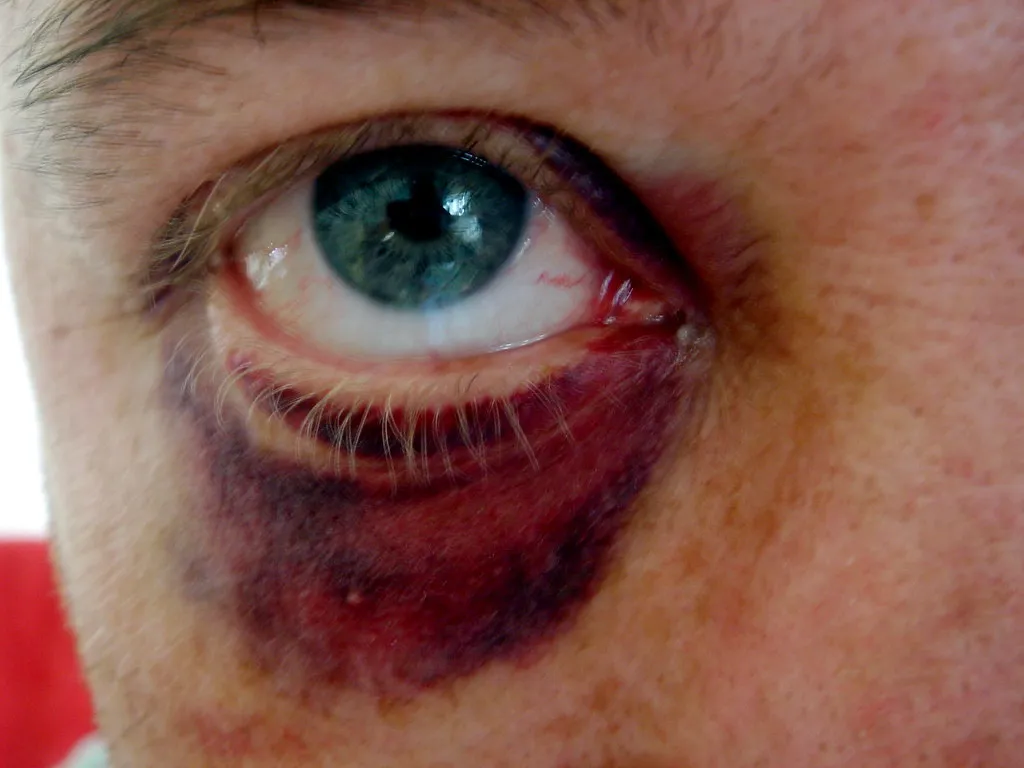
The most frequent early injury noted in clinical review was anterior chamber hyphema, seen in the vast majority of cases, followed by corneal injury, ocular hypertension, lens subluxation, traumatic cataract formation, and post-traumatic retinal edema. These aren’t minor scrapes. They’re structural injuries to the interior of the eye.
During past New Year’s celebrations, wayward corks have caused injuries including acute glaucoma, damage to the eye’s bone structure, dislocation of the lens, ocular bleeding, retinal detachment, and the rupture of the eye wall. Several of those outcomes require surgery and may cause lasting damage even after treatment.
The Risk of Permanent Blindness Is Real

Although many people’s sight improved, a key study found that in roughly one quarter of cases related to pressurized drinks, people remained legally blind. That is a striking number for an injury people commonly dismiss as a freak accident. For eye injuries from bottle tops, the champagne cork continues to be the largest contributor.
A cork striking the eye can lead to serious injuries including permanent blindness, retinal detachment, and lens dislocation, among other complications. The combination of speed, blunt mass, and impact location makes cork injuries particularly damaging compared to other kinds of ocular trauma.
Who Is Most at Risk
The reveler most at risk is actually the one tasked with opening the bottle. That’s usually someone standing close to the cork’s trajectory, often with reduced motor control due to prior drinking. There is often some delayed response because of impaired judgment at times like these, according to Vanderbilt Eye Institute ophthalmologist Dr. Mark Melson.
Bystanders standing directly in front of the bottle are also in the danger zone. In a documented case from 2019, a man was attending a champagne spray party at a beach club in Ibiza when the accident occurred; more than a hundred people had champagne bottles ready to pop them together after a countdown. He was hit by a stray cork and lost partial vision in one eye.
How Warm Bottles Make Things Worse

Sparkling wine should be chilled to at least 45 degrees Fahrenheit before opening. The cork of a warm bottle is more likely to pop unexpectedly. Temperature directly affects internal pressure, meaning a bottle that’s been sitting out at a party for a few hours is genuinely more dangerous than one pulled fresh from ice.
Bottle-cork eye injuries account for a significant share of post-traumatic hospital admissions to ophthalmology departments, and most of them are due to sparkling white wine served at room temperature. That single detail, serving temperature, is something hosts and partygoers could act on immediately.
The BMJ Issued a Formal Warning
Researchers writing in the Christmas issue of the British Medical Journal warned that eye injuries while opening bottles of fizz can be significant, with doctors from the University of Cambridge, University College Dublin, and a number of US universities contributing to the findings. The BMJ doesn’t typically dedicate space to party safety unless the evidence warrants it.
The American Academy of Ophthalmology previously launched an “Uncork with Care” campaign due to the significant risk champagne corks pose. Major medical institutions on both sides of the Atlantic have now issued consistent warnings. That level of coordinated attention reflects a pattern that repeats year after year.
How to Open a Bottle Safely
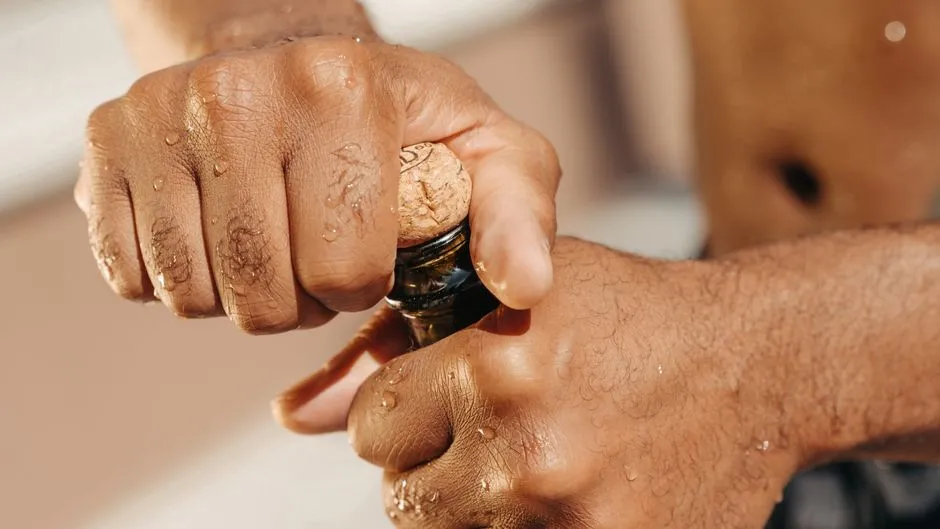
Recommended steps include chilling the bottle before opening to reduce pressure and cork velocity, pointing the bottle at a 45-degree angle away from yourself and others, and counteracting the upward moving force of the cork by pressing down on it. These aren’t elaborate precautions. They take about ten seconds of attention before the celebration begins.
Placing a towel over the entire top of the bottle and grasping the cork, then keeping the bottle at a 45-degree angle while slowly and firmly twisting the bottle rather than the cork to break the seal, gives you the most control over how the cork exits. A controlled release, not a dramatic pop, is the goal.
What to Do If an Injury Happens

Should an injury occur, medical authors recommend prompt consultation with an ophthalmologist to minimise the risk of vision impairment. Time matters considerably with eye trauma. Delays in treatment are directly associated with worse outcomes, particularly when there is internal bleeding or pressure changes inside the eye.
Late complications from cork-related eye injuries can include pupil motility anomalies, traumatic cataract, iridodialysis, traumatic optic neuropathy, post-traumatic glaucoma, and traumatic maculopathy. These aren’t always apparent in the hours immediately after the injury, which is another reason prompt evaluation by a specialist matters so much.
The Takeaway
The champagne cork injury isn’t a medical curiosity. It’s a predictable, repeating event that emergency departments prepare for each New Year’s morning. The medical literature on this is consistent, the physics are well understood, and the prevention steps are genuinely straightforward.
Chill the bottle. Don’t shake it. Angle it away from people. Press the cork down as it releases. That’s essentially the whole protocol. The fact that these injuries keep occurring anyway says something interesting about how celebration overrides caution. The research is out there; now it’s just a matter of whether anyone reads it before midnight.
AI Disclaimer: This article was created with the assistance of AI tools and reviewed by a human editor.