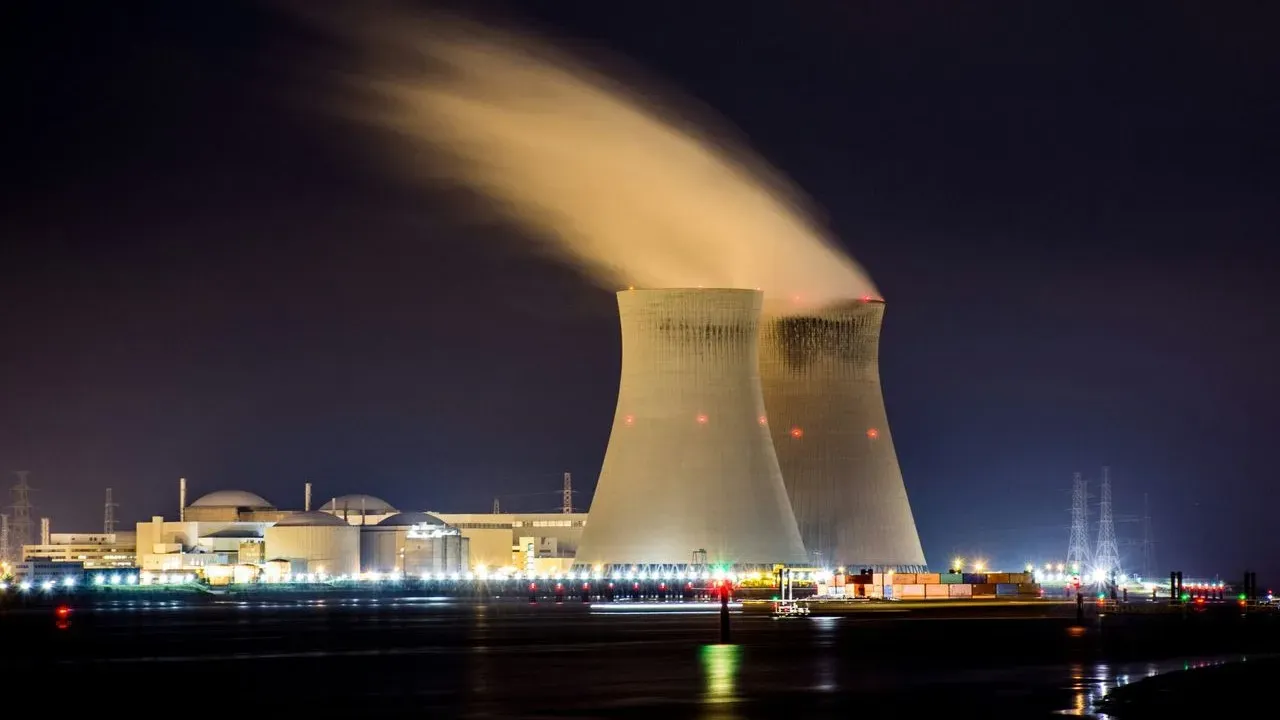

The Port of Long Beach is exploring a novel approach to meet its rising electricity demands through small nuclear reactors mounted on barges. This initiative comes as the port works to expand operations while reducing emissions from its facilities and equipment. The effort marks an early step toward bringing new nuclear generation to California after decades without major projects.
A Partnership Built on Practical Needs
The Port of Long Beach announced its collaboration with Bluecore Energy in July. The startup has leased space at Berth 48, where it is assembling and testing components for the proposed systems. Port officials see the technology as a way to support plans to double container volume by 2050 without relying solely on land-based infrastructure.
Bluecore has raised about $10 million and is focusing first on reactors that could supply shoreside power to terminals, charging stations, and other port operations. Undersea cables would carry electricity from the barges to shore. The company envisions units that could later support broader coastal needs as well.
Technology Designed for Maritime Use
Bluecore is developing light-water small modular reactors sized at around 10 megawatts each. One such unit is described as capable of generating enough electricity for roughly 15,000 homes. The reactors would sit on movable barges that could be anchored offshore, freeing up scarce port land.
Founder and CEO Kofi Asante has noted that nuclear power at sea draws on decades of experience with maritime applications. “Nuclear energy at sea is not a new idea,” he said. “Our opportunity is to take lessons from decades of maritime nuclear experience and combine them with modern engineering to build systems for a new generation of commercial applications.” The design allows individual units to be combined for greater capacity and features fuel that lasts several years between replacements.
Federal Collaboration and Safety Focus
The port also signed a memorandum of cooperation last month with the U.S. Maritime Administration. This agreement represents the first of its kind between a U.S. seaport and the agency for advancing small modular reactor technology in maritime settings. The two sides plan to work with the Coast Guard, Department of Energy, and Nuclear Regulatory Commission on safety standards, inspection processes, and operational protocols. Officials emphasize that the project remains in early stages, with no formal licensing application filed yet. Public engagement and transparent review are expected as development continues.
Looking Ahead for the Region
The proposal arrives amid growing electricity needs at major ports and interest in low-emission power sources. If realized, the floating reactors could provide a flexible option that avoids some land constraints while supporting electrification goals. Key developments to watch include regulatory progress, further testing at Berth 48, and any updates on how California’s existing nuclear policies might apply to barge-based systems. The outcome could influence similar efforts at other coastal facilities seeking reliable, emissions-free energy.
AI Disclaimer: This article was created with the assistance of AI tools and reviewed by a human editor.