
Few stories travel as faithfully through family dinners as the one about the immigrant ancestor who had their name changed at Ellis Island. It arrives with details, usually involving a harried clerk, a foreign surname nobody could spell, and a new American identity stamped into existence in seconds. The problem is that it almost certainly isn’t true – at least not the way people tell it.
The real story is quieter, more complicated, and in many ways more interesting than the myth. Names did change. Families did lose their original surnames. Grandparents did arrive as one person and become another. The reasons, though, had very little to do with Ellis Island officials and a great deal to do with the messy, pressured process of becoming American.
Ellis Island Clerks Did Not Write Down Names
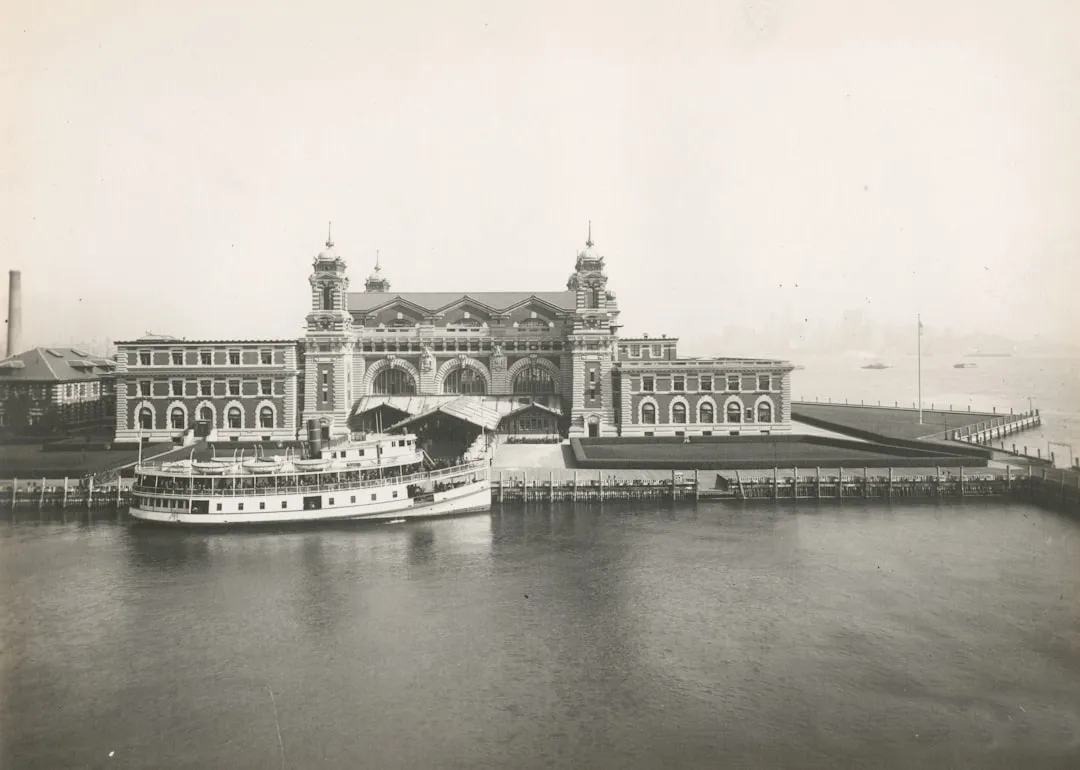
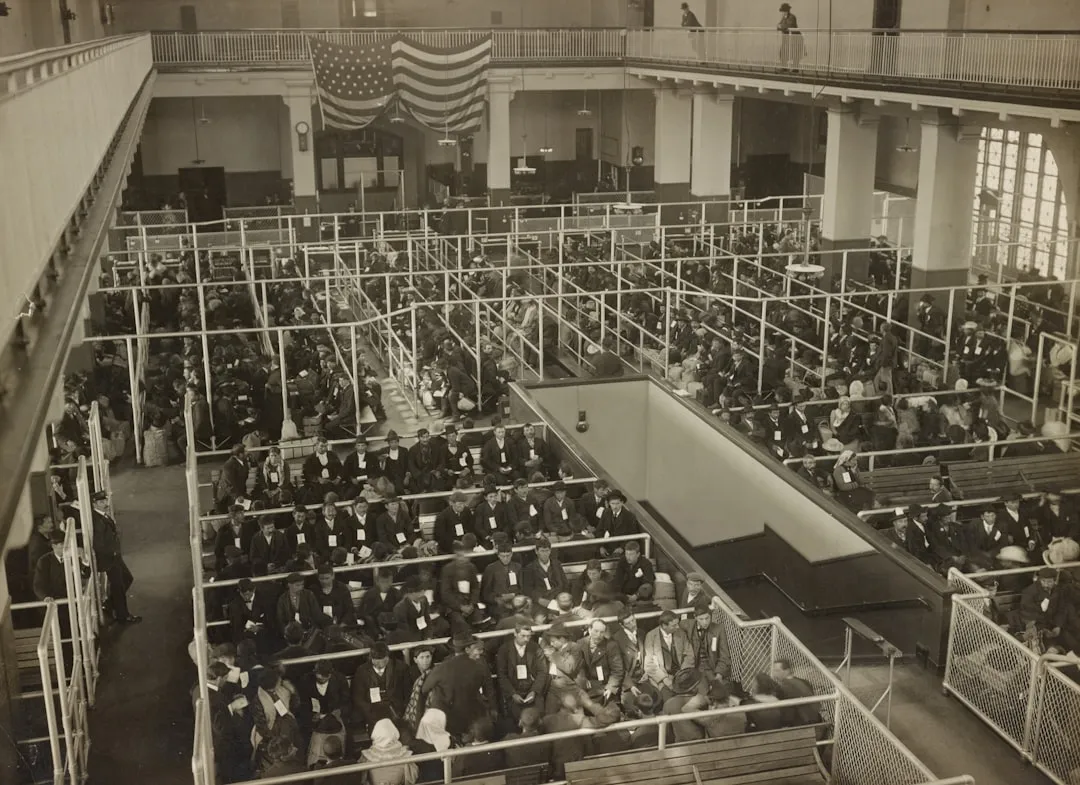
In reality, immigration officials at Ellis Island did not write names down – they checked them off on a list already in front of them. The names were already written down. This single procedural fact dismantles the most common version of the myth almost entirely.
The names came from ship manifests that were originated in the nations where the ships departed for the United States. These documents were created by shipping company clerks in European ports before departure. When an immigrant purchased a ticket, the shipping company collected detailed information, recording names, ages, occupations, marital status, previous residence, and intended destination.
As historian Vincent J. Cannato explains in his authoritative work “American Passage,” immigration inspectors at Ellis Island functioned primarily as verification officers. Their job was to confirm that the person standing before them matched the description on the manifest, not to create new documentation.
The Myth That Refused to Die
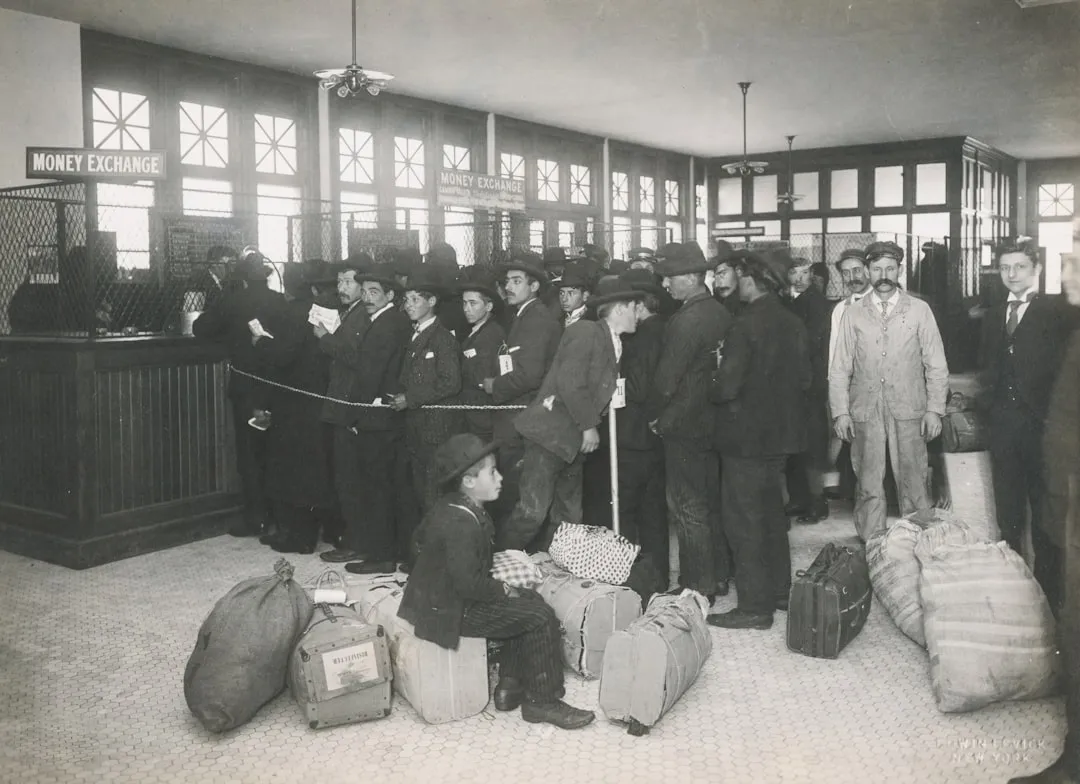
No one’s family name was changed, altered, shortened, butchered, or “written down wrong” at Ellis Island or any American port. That idea is an urban legend. Yet it persists with extraordinary tenacity, repeated not just at kitchen tables but in published articles and occasionally in respected media outlets.
The legend has been perpetuated by cultural references, such as the 1972 film “The Godfather,” where young Vito Andolini’s surname is changed to Corleone by an Ellis Island clerk. That scene is dramatically effective but historically wrong, and it planted the story more firmly in popular consciousness than almost any other single source.
Ellis Island was not only immigrant processing – it was finding one’s way around the city, learning to speak English, getting one’s first job or apartment, going to school, and adjusting one’s name to a new spelling or pronunciation. All these experiences, for the first few years, were the “Ellis Island experience.” When recalling their immigration decades before, many immigrants referred to the entire experience as “Ellis Island.” That compressed memory is probably where the myth found its footing.
Where Errors Actually Crept In
It is true that immigrant names were mangled in the process. The first ticket clerk may have misspelled the name. If the immigrant made several connections in his journey, several records might be created at each juncture. Every transcription afforded an opportunity to misspell or alter the name. The more direct the immigrant’s route to his destination, the less likely his name changed in any way.
Any spelling variations or errors often originated before arrival in America, sometimes due to language differences or handwriting misinterpretations. Ship manifests were created in the immigrants’ country of origin, sometimes by officials unfamiliar with the immigrant’s native language or spelling conventions. As a result, names could be recorded phonetically or with spelling errors that stuck throughout the immigration process and beyond.
What usually happened was the emigrant bought a ticket from an office near his home, so the seller probably spoke the same language and transcribed the name correctly. In cases where the name was recorded incorrectly, it likely occurred in the old country, not at Ellis Island.
Ellis Island Had Professional Interpreters
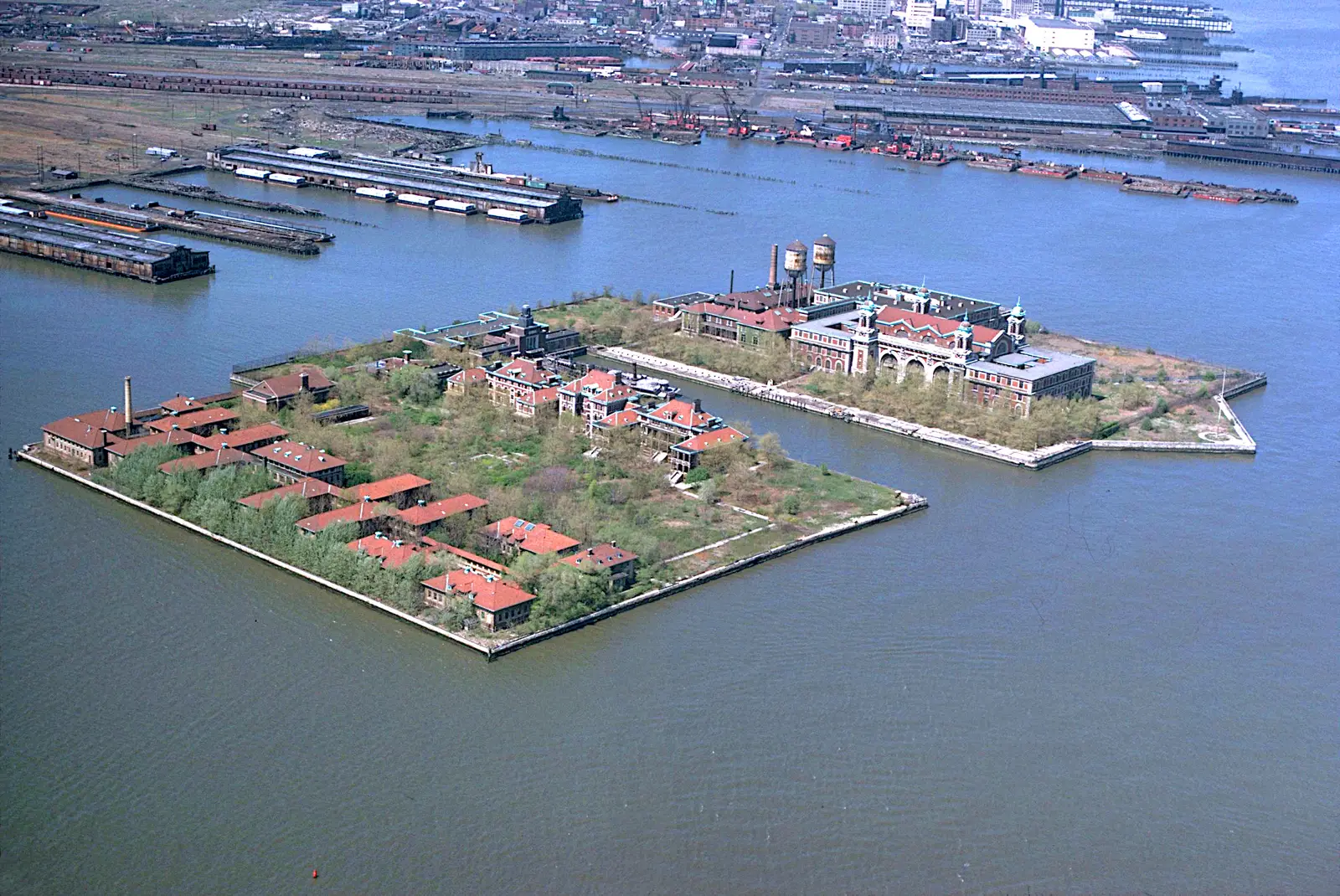
Ellis Island maintained extensive translation services. At its peak, Ellis Island employed interpreters who collectively spoke more than 23 languages. Inspectors were typically assigned to specific ethnic groups and knew the major languages of those populations.
Future New York City Mayor Fiorello LaGuardia famously worked as an interpreter at Ellis Island, fluent in Italian, Croatian, and Yiddish. When an inspector encountered a language they didn’t speak, professional interpreters were readily available.
Ellis Island officials were actually known to correct mistakes in passenger lists, according to Philip Sutton, a librarian in the Milstein Division of United States History, Local History and Genealogy at the New York Public Library. The correcting was happening in the other direction from what the myth suggests.
Immigrants Changed Their Own Names, Deliberately

Many names did get changed as immigrants settled into their new American lives, but those changes were made several years after arrival and were done by choice of someone in the family. This is the part of the story that tends to get forgotten or quietly reassigned to Ellis Island clerks.
Once settled in the U.S., many people simplified or Anglicized their names to fit in, find jobs, or avoid discrimination. “Schmidt” became “Smith,” “Giovanni” became “John.” These changes could look sudden in the records, making it easy for later generations to assume something external had forced them.
Many immigrants who changed their names early in their naturalization process did so to smooth out the assimilation into their new home. Their reasoning could have been to remove some letters, pick a spelling that more resembled standards of American English, or to give a literal translation of their name into English – for example, the German name “Schwartz” became the English name “Black.”
The 1906 Law That Changed Everything
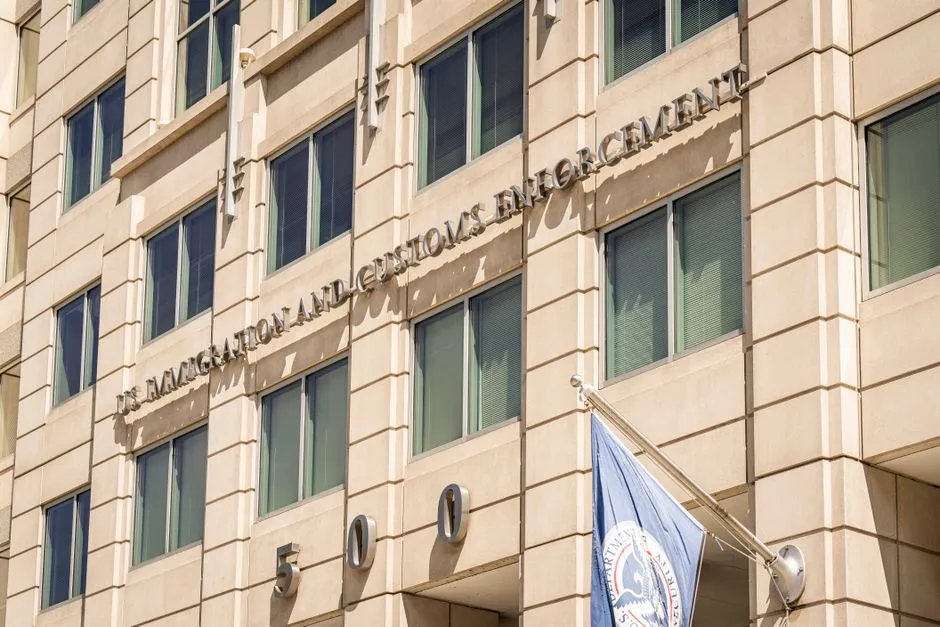
The documentation of name changes during U.S. naturalization procedures has only been required since 1906. Prior to that time, only those immigrants who went to court and had their name officially changed left any record. Congress wrote the requirement in 1906 because of the well-known fact that immigrants did change their names, and tended to do so within the first five years after arrival.
Without any record, immigrants and their descendants were left to construct their own explanations of a name change. That gap in the paperwork became the space where family mythology grew freely. No document meant no proof, and no proof meant the story could take any shape that felt right.
In 1906, federal law made it easy to change one’s name during the citizenship process, and still does today. The travelers themselves or their family members were therefore responsible for the name shortening and changing that so many people trying to figure out their family history encounter.
Discrimination Drove Many Name Changes
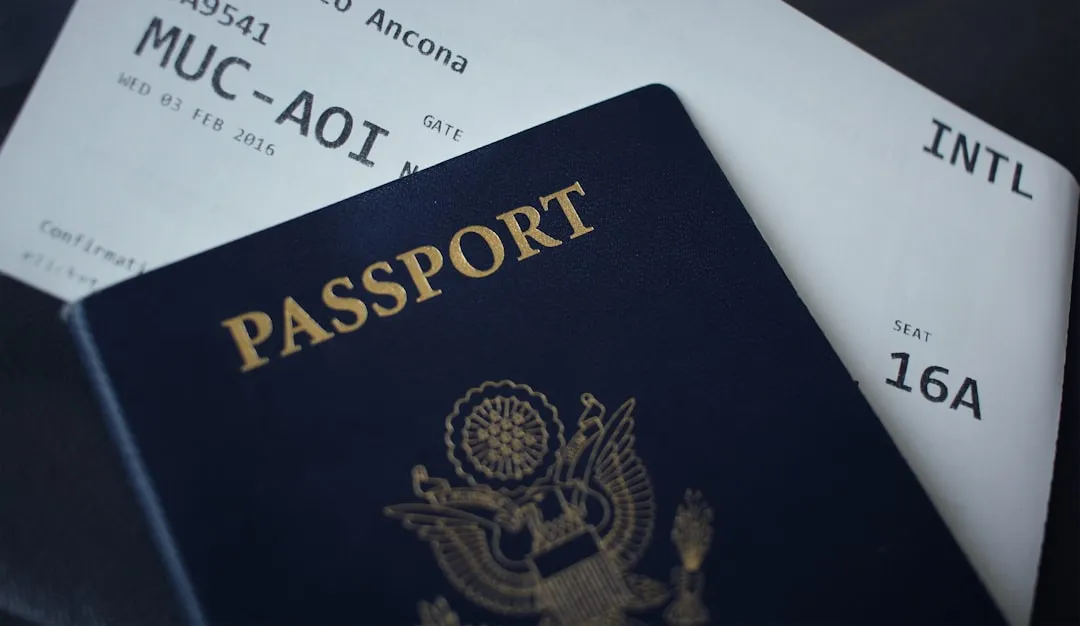
Naturalization records can be a great resource for those researching immigrant ancestors who changed their names after immigration. In some cases, immigrants changed their names in order to assimilate or to find work during times when certain immigrant groups faced discrimination.
Changing one’s name could hasten the assimilation process, protect an individual from prejudice, allow for the creation of a new identity, or simply be done to simplify a complicated name. For many families, it was less a betrayal of identity and more a calculated move toward survival in a country that was not always welcoming.
Immigrants who Americanized their names climbed the economic ladder faster than those who didn’t – this is supported by actual statistical evidence from millions of census records and naturalization papers. The pressure was real, constant, and rarely left a paper trail explaining itself.
Local Clerks and Census Takers Made Their Own Changes
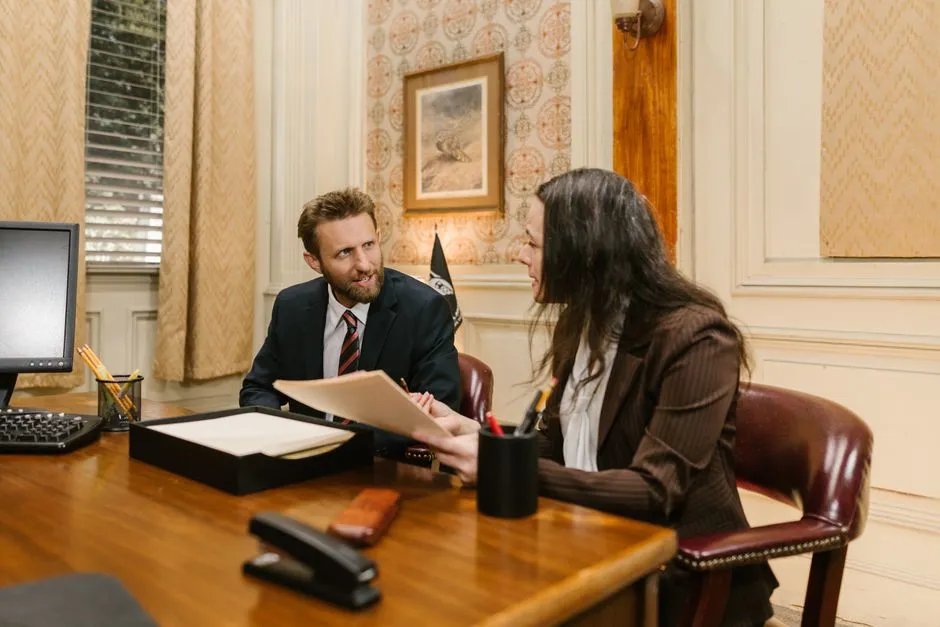
Clerks in state and local offices, unfamiliar with foreign spellings, often introduced variations in vital records, censuses, and naturalization papers. Over time, these changes became permanent. This is where a great deal of the actual distortion happened, quietly and without drama.
Clerical variations were normal. Even before Ellis Island, clerks wrote names phonetically. If your great-grandfather said his name with a thick accent, the spelling might shift from one record to the next without anyone “changing” it on purpose.
Employers sometimes “simplified” names for paperwork – or employees changed them to avoid bias. Teachers and clergy often wrote names as they understood them, leading to gradual shifts that accumulated across years and records until the original form became nearly unrecognizable.
The Silence That Followed Name Changes
The “American name” was for work, for taxes, for the census taker. The “real name” was for home, church, and the ethnic lodge. It was assimilation without total erasure – but it left descendants confused about their true lineage.
Nobody talked about the change because talking about it served little purpose. Admitting that you had quietly shed your family name felt, to many immigrants, like admitting something shameful – either about what they had left behind or about how readily they had let go of it. So the subject got folded into silence, and the silence eventually hardened into mystery.
Immigrants would sometimes officially record their name change when naturalizing, for instance, but often, as there was no law in many states requiring it to be done, no official record of a name change was made. Generations later, descendants found a discrepancy with no explanation attached, and the Ellis Island myth stepped in to fill the void.
What Genealogists Find When They Actually Look
This myth persists because name changes were real, just not at Ellis Island itself. For genealogists, it means that the original immigrant name usually appears in the manifest, but later American records may show modified forms. The ship record is often the clearest window back to who someone really was.
Naturalization records are one of the most useful places to look, since immigrants sometimes filed for a formal name change when becoming citizens, and courts recorded both the old and new names. Employment records and church records can also reveal the gradual drift of a surname across decades.
Recognizing the distinction between myth and reality allows genealogists to approach records with both skepticism about family lore and respect for the complex realities of immigrant adaptation. The truth, when you find it, tends to be more layered than anyone expected.
The Takeaway
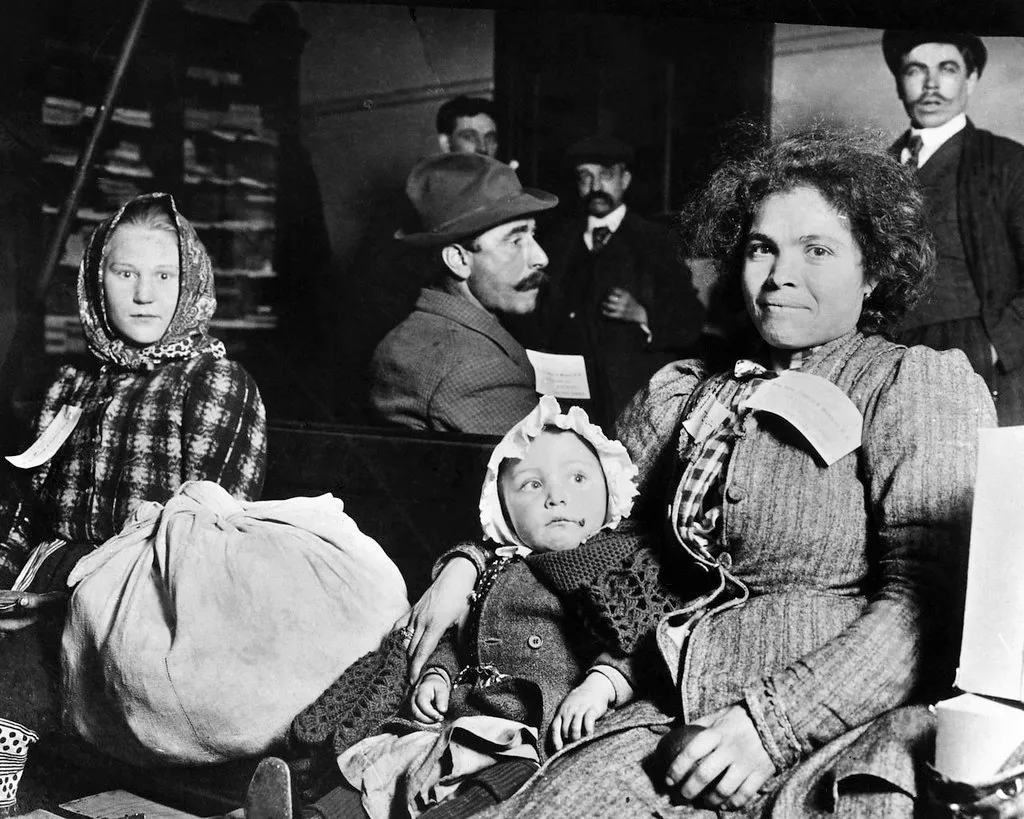
The Ellis Island name-change story is not really about careless clerks. It’s about the enormous pressure placed on people to become legible in a new country – to have a name a landlord could say, an employer could write, and a school could call out in a classroom. That pressure was real even when the myth about its source was not.
The persistence of the myth speaks to broader themes of identity, assimilation, and the immigrant experience. While names may not have been changed at Ellis Island, many immigrants did choose to change their names voluntarily as they adapted to their new environment, for a multitude of reasons. These decisions reflect the complex interplay of cultural identity and social integration that has shaped the American experience.
What nobody talked about was not the name change itself, but the choice behind it. That quiet decision, made at a kitchen table or a courthouse or a factory gate, was too personal and too complicated to become a story. So families inherited a simpler one instead. Understanding that is how you begin to find who came before you.
AI Disclaimer: This article was created with the assistance of AI tools and reviewed by a human editor.