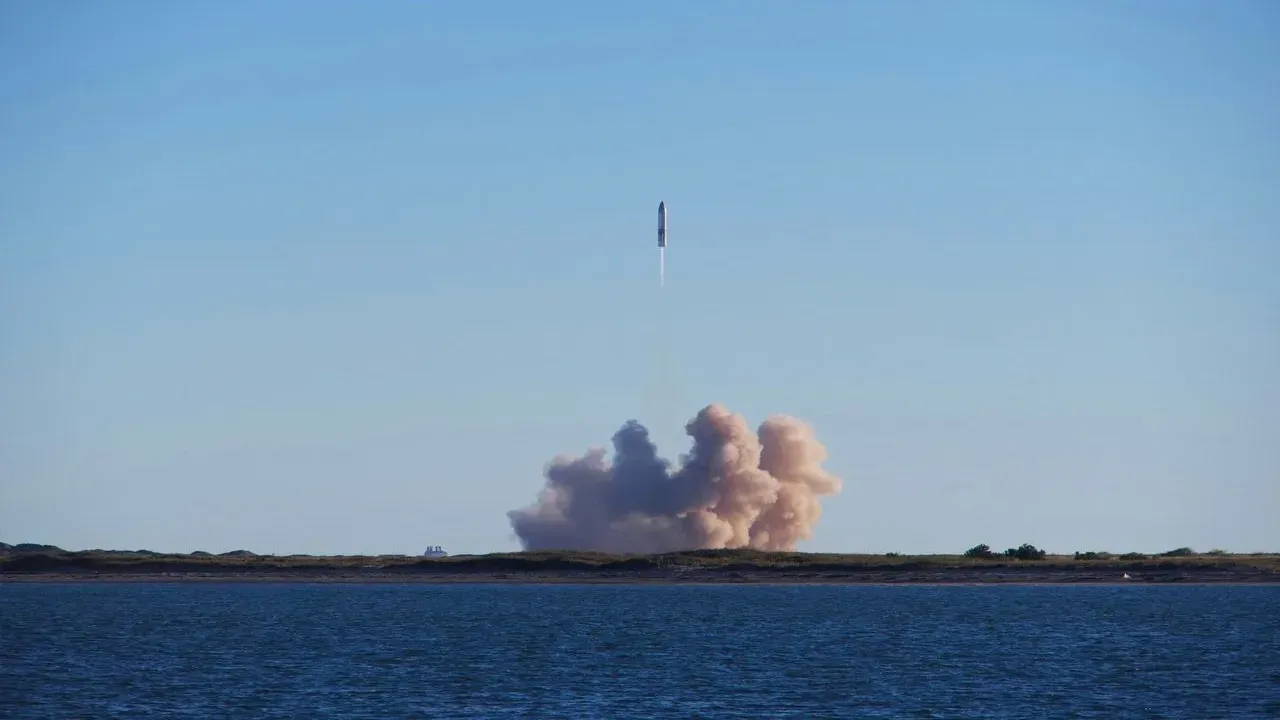

SpaceX has completed recovery of its most recently launched Starship from the Indian Ocean roughly one month after liftoff. The company is now arranging transport of the vehicle to its primary development site in Texas. The effort stands as the largest salvage operation the firm has conducted to date. ([1])
Details of the Ocean Recovery
The Starship vehicle was located and retrieved from open waters in the Indian Ocean. Recovery teams worked to secure the hardware after it had spent weeks at sea following the launch. The operation required coordination across multiple vessels and specialized equipment to handle the size and weight of the spacecraft. Success in this phase cleared the way for the next stage of the process.
Planning the Return to Texas
Once recovered, the Starship was prepared for shipment. The journey back to Texas is expected to require several months because of the distance involved and the need to manage the large structure safely. Logistics teams are overseeing the movement, which will likely involve a combination of sea transport and overland handling once the vehicle reaches port. The extended timeline reflects the practical challenges of moving such a substantial piece of aerospace hardware across continents.
Context Within Ongoing Starship Development
This recovery fits into SpaceX’s broader program of testing and iterating on the Starship design. Each flight provides data that informs subsequent vehicles, and retrieving hardware allows engineers to examine components after flight conditions. The decision to bring the vehicle home rather than leave it at sea underscores the value placed on post-flight analysis. Stakeholders in the program, including engineers and supply chain partners, will now focus on inspection and any necessary refurbishment once the Starship arrives in Texas.
Operational and Industry Implications
The successful retrieval demonstrates growing capability in managing end-of-flight scenarios for large reusable vehicles. For SpaceX, it reduces the loss of hardware and supports the goal of rapid iteration. Other aerospace organizations may study the approach as they develop their own heavy-lift systems. The episode also highlights the expanding geographic reach of launch and recovery operations, which now extend well beyond traditional coastal ranges.
AI Disclaimer: This article was created with the assistance of AI tools and reviewed by a human editor.