
Most people check their bath mat for obvious dirt, wash it occasionally, and consider the job done. What they rarely do is flip it over. That single blind spot is where a quiet, slow-growing problem begins, one that’s easier to prevent than it is to fix once it’s taken hold.
The underside of a bath mat sits in near-perfect conditions for mold and mildew: trapped moisture, minimal airflow, and a warm bathroom floor. Understanding exactly how this happens, and what specific habits make it worse, is worth knowing.
The Mat Never Gets a Chance to Dry
Leaving a bath mat on the floor around the clock seems entirely logical. It’s a bath mat, it belongs on the bathroom floor. The problem is that without proper airflow underneath, even materials marketed as “quick-dry” stay damp for far longer than expected.
A mat that stays wet for four, six, or even twelve hours isn’t just uncomfortable. It’s a mold risk. Wet or damp materials should ideally be washed within 24 to 48 hours to prevent mold growth, and a thick cotton or microfiber mat on a low-airflow bathroom floor can easily exceed that window between uses.
The Material You Chose Works Against You

The material of a bath mat plays a crucial role in whether mildew develops underneath. Certain fabrics, especially cotton, retain moisture in a way that creates an ideal environment for fungi to take hold.
Fabric bath mats made from cotton, microfiber, or bamboo cellulose provide all three conditions mold requires for growth: sustained moisture with 20 to 40 minute drying times, an organic fiber food source, and bathroom warmth. A cotton bath mat in daily residential use will typically develop visible mold or mildew within 4 to 8 weeks of installation. In humid climates or bathrooms with poor ventilation, visible mold can appear within just 2 to 3 weeks.
The Rubber Backing Is a Hidden Trap
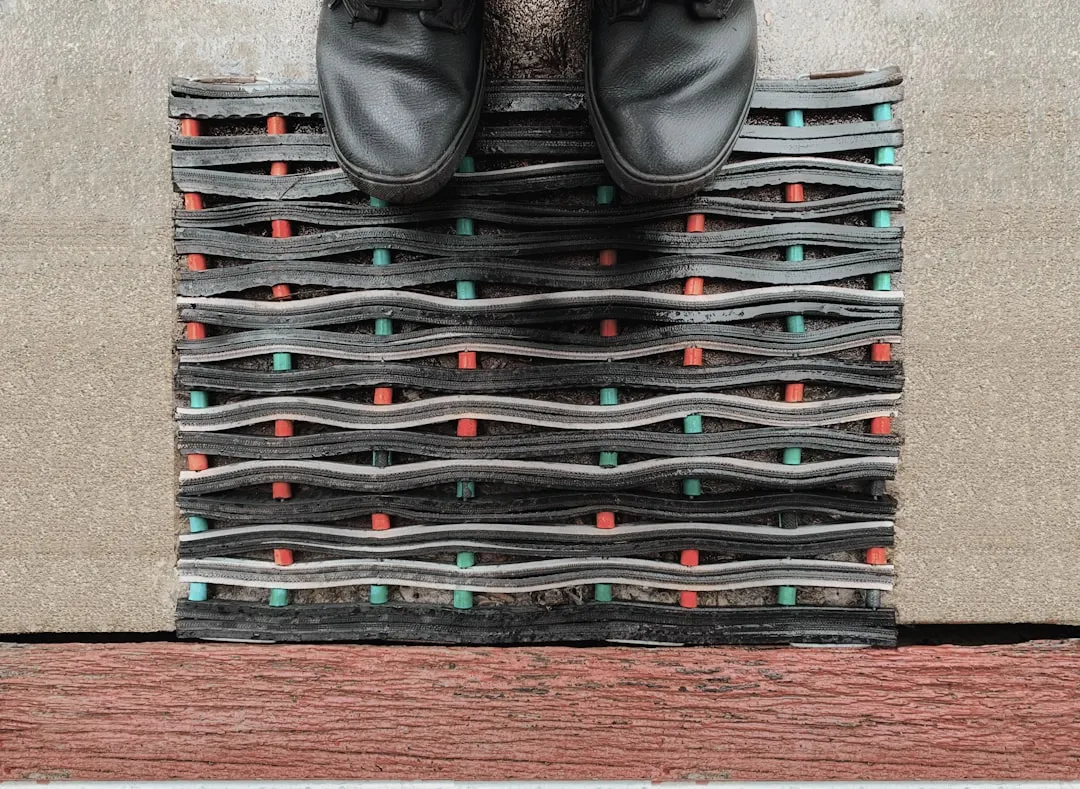
Damaged backing traps water underneath the mat in an area that never fully dries and is almost impossible to clean. If the grip layer is flaking or cracking, moisture is almost certainly pooling beneath it. That hidden dampness is where bath mat mold typically starts, long before it becomes visible on the surface you can see.
Most people focus on keeping the top of the mat clean without ever thinking to check underneath. When you do flip an older mat over, the rubber backing often tells a completely different story than the fabric surface.
The Bathroom Has Too Little Ventilation
The core issue comes down to lingering moisture and the warmth of the bathroom environment. That moisture doesn’t only come from the shower or bath. It can also be caused by a leaky pipe, poor ventilation, condensation, or even toilet overflow.
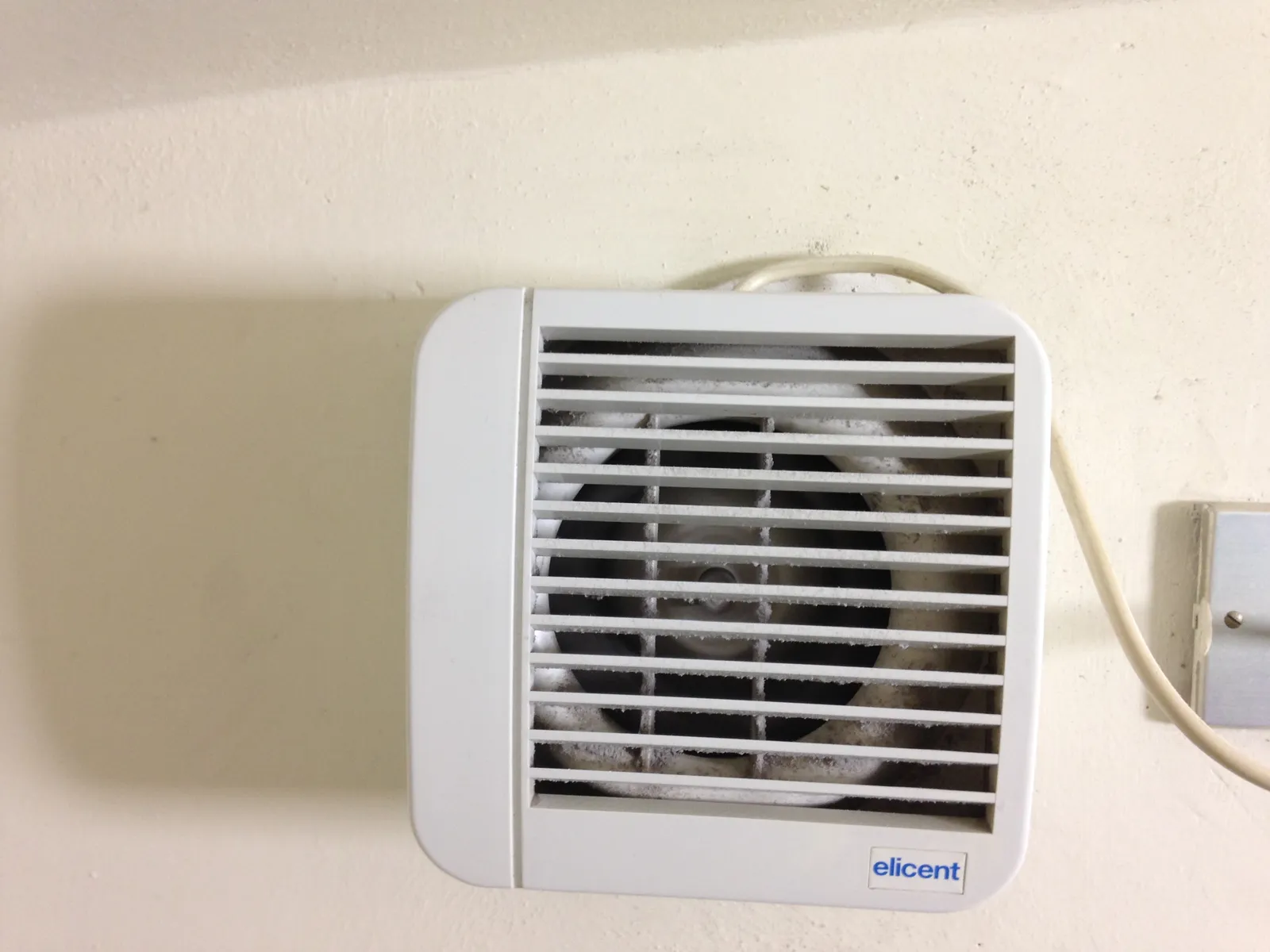
Ventilation, air circulation near cold surfaces, dehumidification, and efforts to minimize the production of moisture are all very important in controlling high humidity that frequently causes mold growth. Without a functioning exhaust fan or a window that gets opened regularly, even a clean mat dries far more slowly than it should.
Foot Traffic Adds More Than Just Dirt
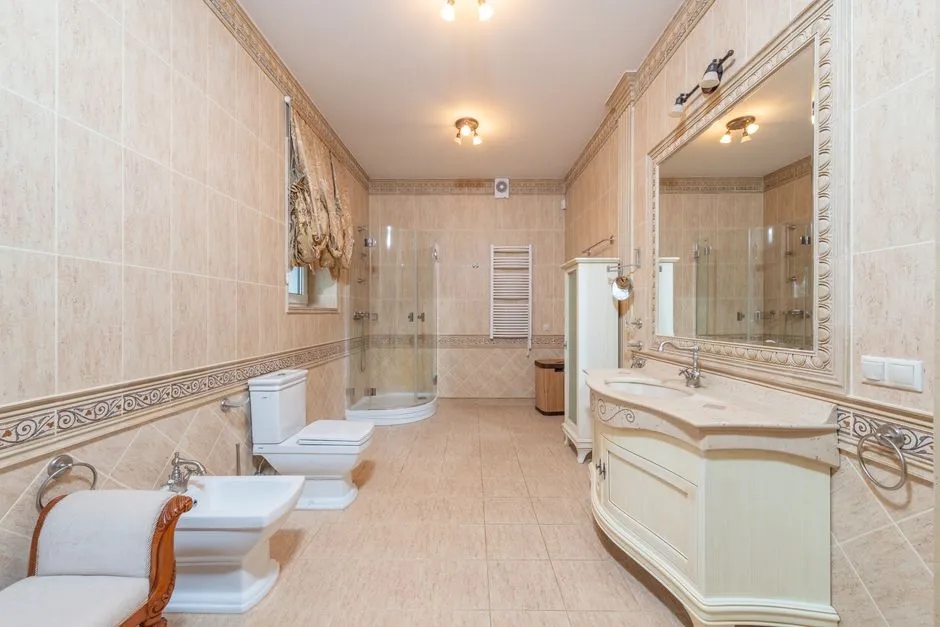
Bacteria live on human feet, where sweat and warm conditions create ideal partners for microbial growth. Every time you step into the shower or bath, you transfer those bacteria from your feet onto the mat, then add more moisture as you step out.
When you add foot traffic, shed skin cells, and invisible aerosols from a flushing toilet, you have a reliable recipe for bacterial growth. That damp environment, paired with shed skin cells and the warm air of a closed bathroom, gives mold exactly what it needs to take hold.
The Bacterial Load Is Higher Than Most People Realize
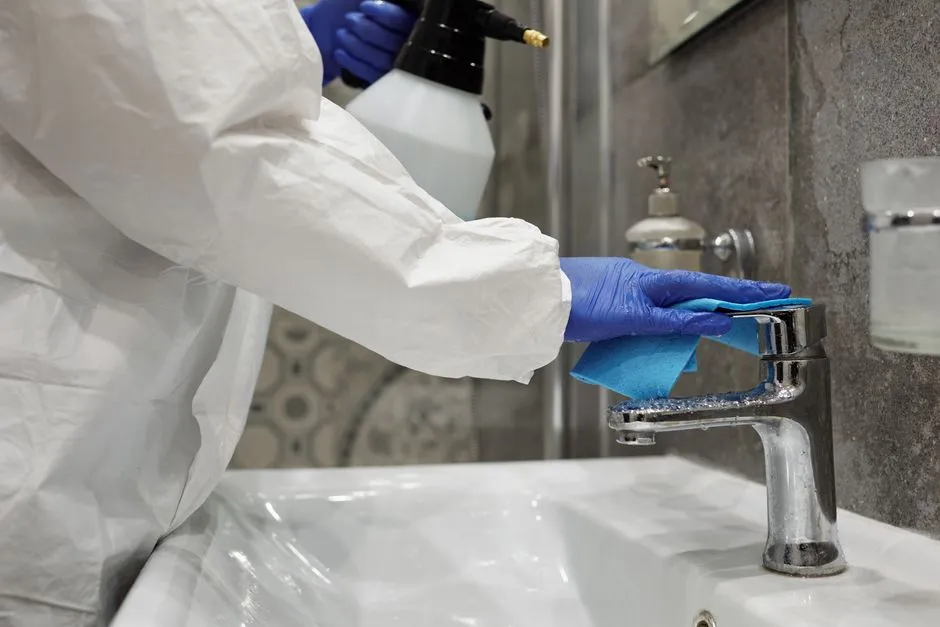
Bath mats have been found to harbor even more bacteria than a toilet seat. In one study, bath mats had the highest bacterial count of all items tested.
Gram-positive rods dominated the bacteria found on floor coverings, accounting for the vast majority of a total of 31.7 million colony forming units per sample. A damp bath mat sitting on a bathroom floor can grow over 100,000 bacteria colonies in just 24 hours. That’s not a worst-case scenario. That’s typical.
The Pink and Black Spots Are Warning Signs You’re Missing
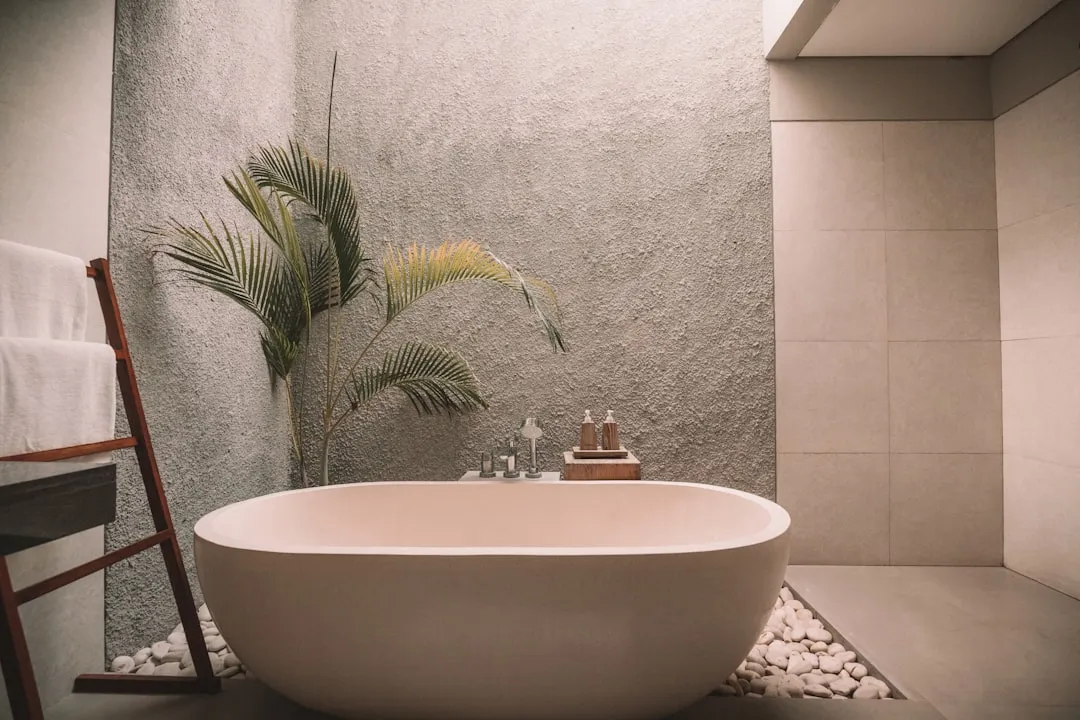
Black, grey, or pink spots, particularly around the edges or on the rubber backing, are visible mold or mildew growth. Pink or orange staining is often Serratia marcescens, a bacterium that thrives in damp bathroom environments. At this stage, the mat should be replaced rather than rewashed.
Once mildew gets deep into the mat’s fibers or rubber backing, it’s nearly impossible to eliminate completely. That persistent odor means bacteria and mold have set up permanent residence. A moldy bath mat isn’t just unpleasant; it’s a genuine health concern, especially for anyone in the household with allergies or respiratory issues.
Washing the Mat Isn’t Enough on Its Own
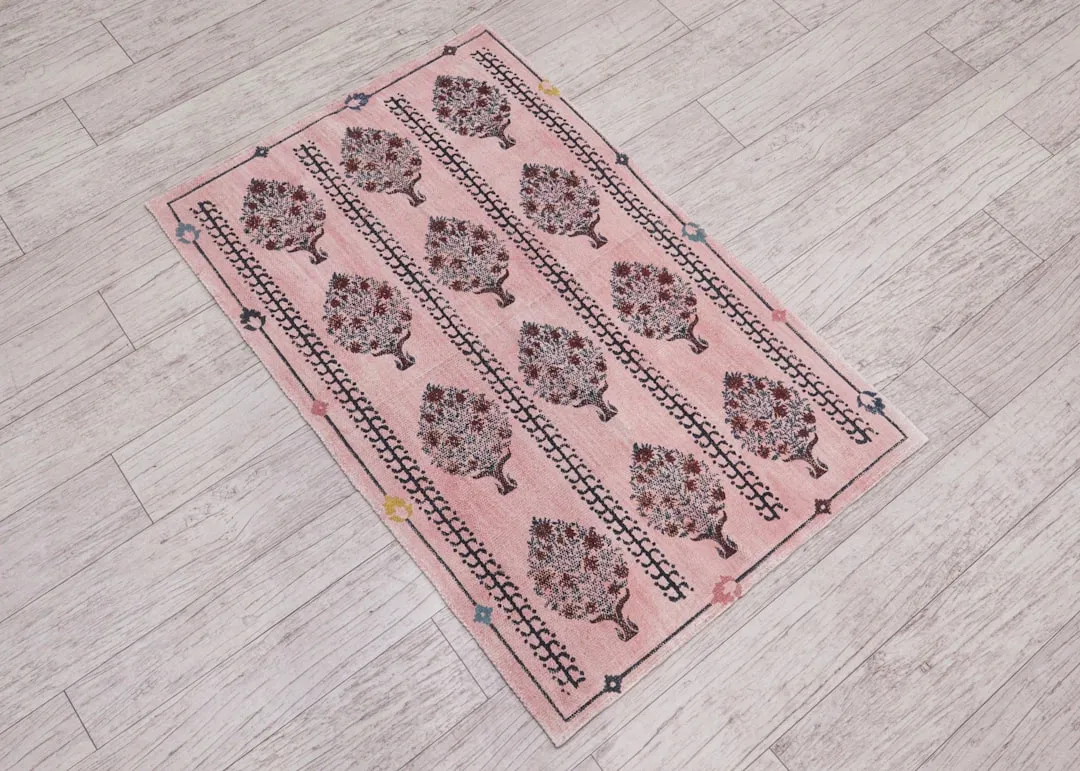
A bath mat absorbs water every day, in one of the dampest rooms in the home. The combination of constant moisture, limited airflow, and a material designed to hold water creates near-ideal conditions for mold and mildew to develop. Most people assume a weekly wash keeps things under control. Often, it doesn’t.
Letting a mat dry hanging over the tub still keeps it in a zone of moisture. A dedicated towel bar mounted higher on the wall gets it into a more airy part of the bathroom. Alternatively, draping it over a shower curtain rod allows air to circulate on both sides.
The Health Effects Are Well Documented
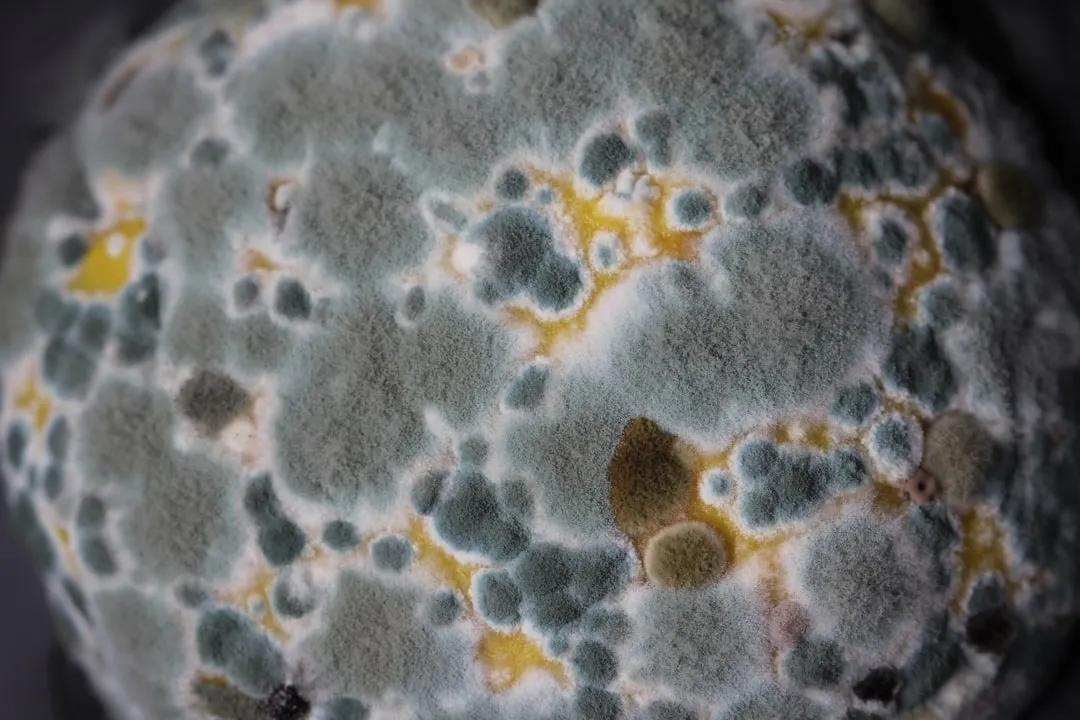
For some people, mold exposure can cause a stuffy nose, sore throat, coughing or wheezing, burning eyes, or skin rash. People with asthma or who are allergic to mold may have severe reactions.
Indoors, molds need moisture and a carbon source from building materials or organic fabric to grow. Excess moisture is generally the major cause of indoor mold growth. Molds reproduce by releasing spores into the air, which then land and colonize new surfaces. A bath mat sitting flush against a tile floor can become a launch pad for spores that spread to grout lines and walls.
Smarter Material Choices Can Break the Cycle
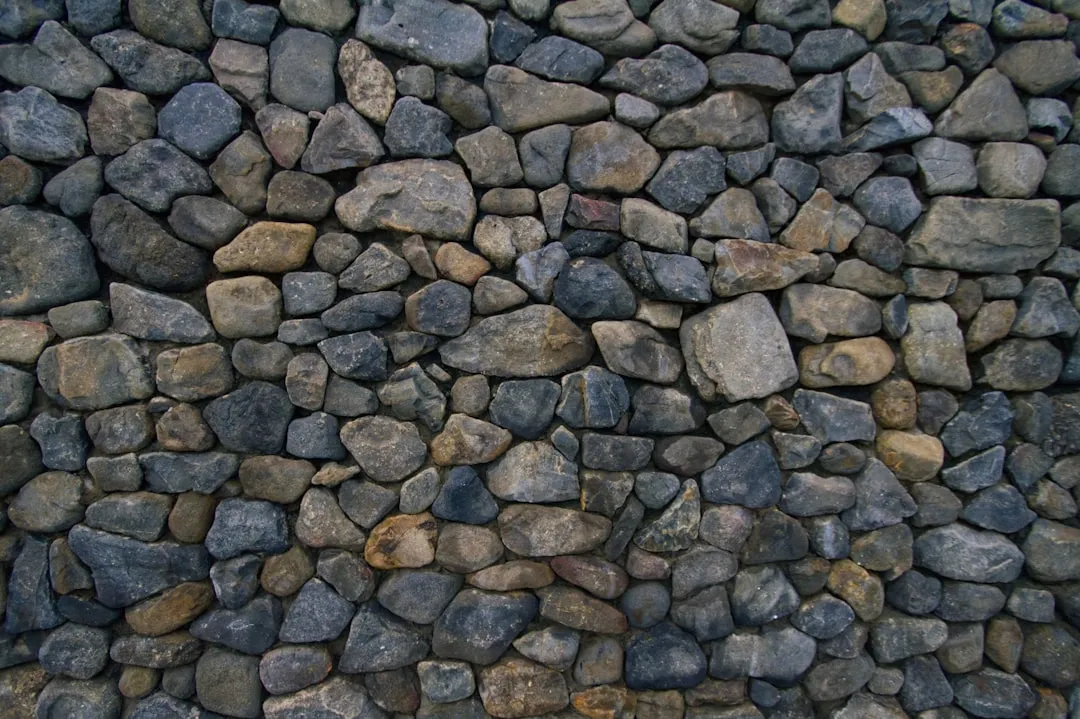
Unlike fabric mats that stay damp for hours, stone mats can dry in minutes, reducing the window bacteria have to multiply. Multiple tests have confirmed that moisture retention is the biggest predictor of bacterial growth, so a mat that dries quickly is inherently far less hospitable to microbes.
Diatomite stone mats eliminate all three growth conditions simultaneously through rapid capillary evaporation, inorganic silica composition, and alkaline surface chemistry. They manage surface moisture without requiring chemical treatment, coating, or additive. For households with poor bathroom ventilation, switching mat materials can make a more immediate difference than almost any cleaning routine.
The Takeaway
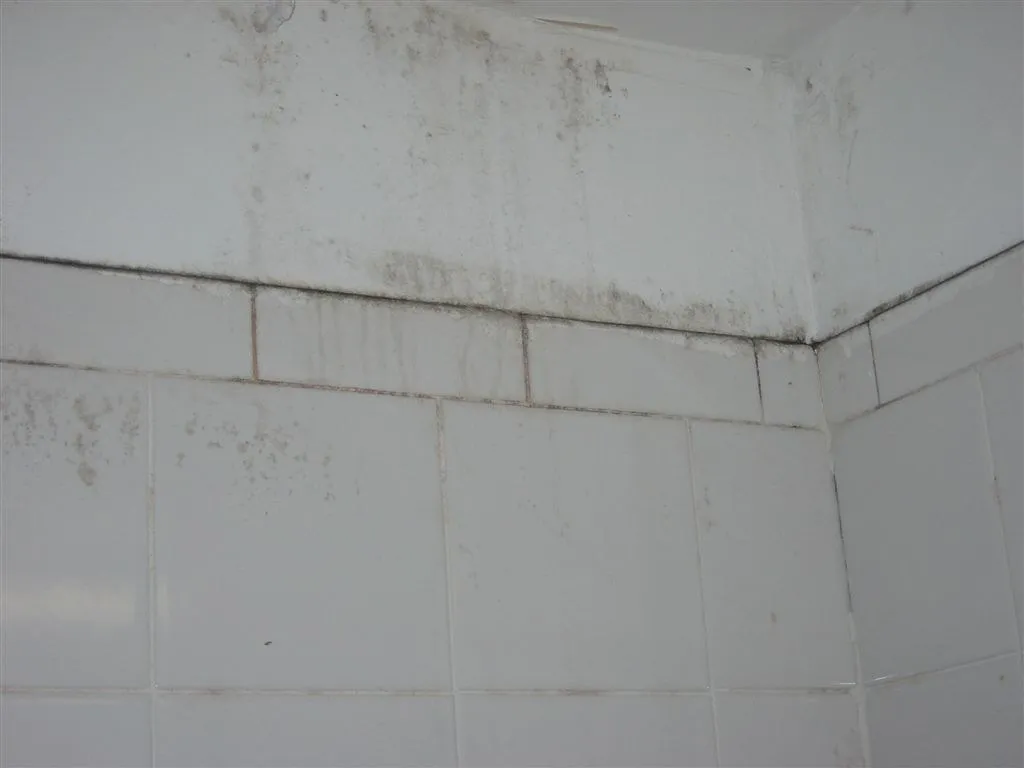
The bath mat problem isn’t dramatic. Nobody wakes up one morning to find an obvious catastrophe. The signs are easy to miss until the problem is well established. That’s precisely what makes it worth paying attention to early.
Flipping your mat over once a week takes about three seconds. Choosing a faster-drying material, running the exhaust fan longer, and hanging the mat to dry between uses costs almost nothing. Moisture allows indoor mold to grow and multiply on surfaces, and the easiest point of intervention is before the mold ever gets started. The mat on your floor is doing its job. The question is whether you’re giving it a fair chance to stay clean while it does.
AI Disclaimer: This article was created with the assistance of AI tools and reviewed by a human editor.