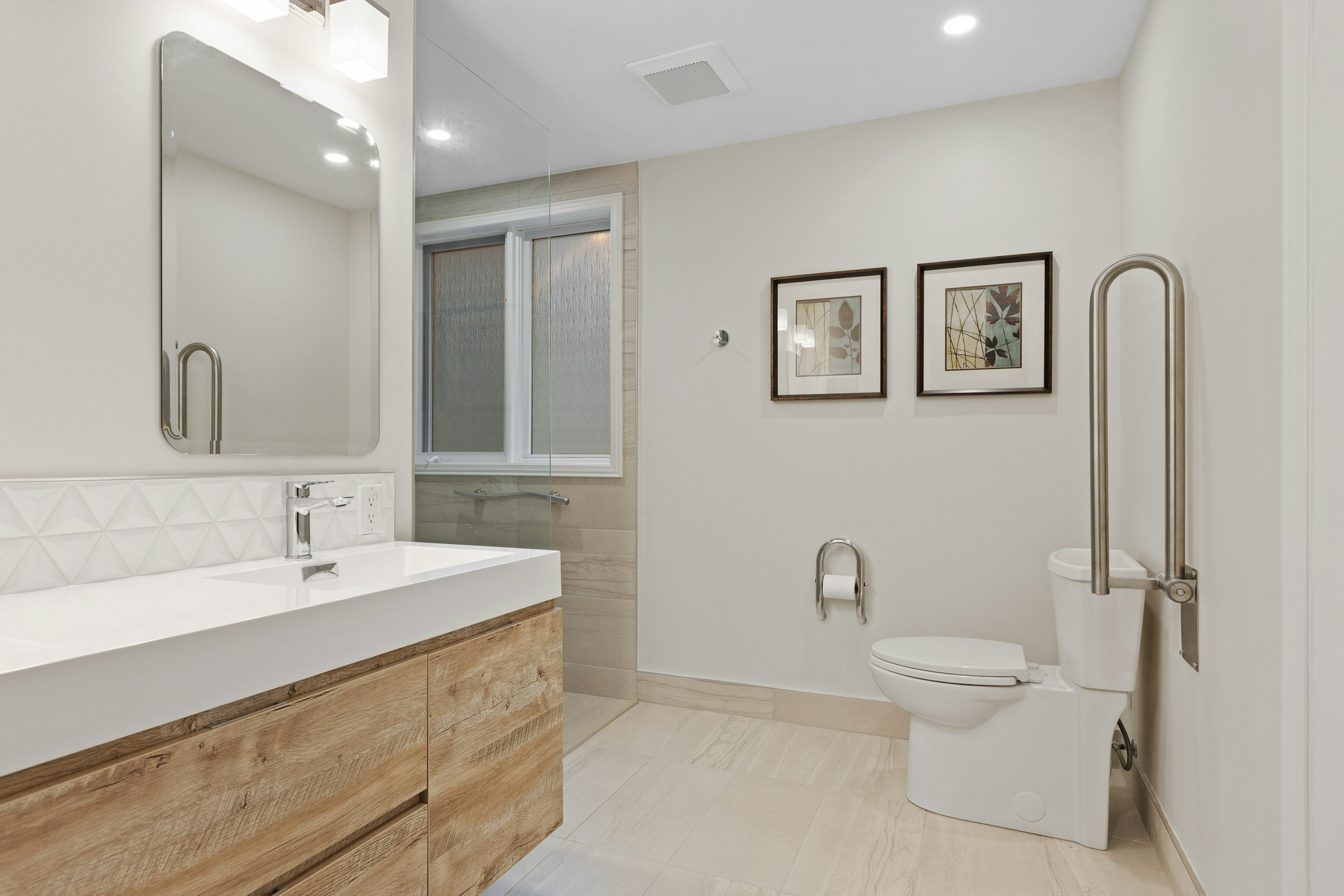

Every morning, millions of older Americans complete the same quiet routine: walk to the bathroom, grip the sink edge, ease onto the toilet, step into the shower. It feels ordinary. It is not. The bathroom is, statistically, the single most dangerous room in most people’s homes, and the risks it poses to older adults are staggering in ways that rarely get discussed until something goes wrong.
The modification that could change everything is simple, affordable, and consistently overlooked until after the first close call or the first fall. Grab bars, properly anchored and thoughtfully placed, are what most seniors wait far too long to install. Here is why that delay is so costly, and what the evidence actually says.
The Bathroom Is More Dangerous Than Most People Realize
The bathroom is statistically the most dangerous room in the house. For older adults, the combination of wet surfaces, hard fixtures, and the physical demands of standing up or stepping over a tub edge creates a perfect storm for accidents.
The Centers for Disease Control and Prevention reports that one in four older adults aged 65 and older falls every year, and roughly 80% of falls that occur at home take place in the bathroom. That number is not intuitive. Most people assume falls happen outside, on stairs, or in parking lots.
The combination of slippery surfaces, tight spaces, and hard surfaces makes falls and injuries more likely, and since older adults are already susceptible due to age-related physical changes that affect balance, exercising caution in the bathroom is essential.
The Death Toll Is Rising, Not Falling

The age-adjusted fall death rate increased by 21% from 64.7 per 100,000 older adults in 2018 to 78.4 per 100,000 older adults in 2024. In 2023, 41,400 individuals aged 65 and older died as a result of preventable falls, and over 3.5 million were treated in emergency departments due to fall-related injuries.
Falls are the leading cause of injury and death from injuries among adults over 65 years old. That ranking has remained consistent for years, yet the scale of the problem keeps growing as the population ages. The number is not trending down.
A study published in JAMA Surgery found that falls are the leading cause of injury-related deaths among adults aged 65 and older, and the bathroom is often a high-risk area.
The Toilet Is the Most Overlooked Danger Zone
Falling in the bathroom is not just a matter of slipping in the bathtub or shower. Simple actions like sitting down, using, or rising from the toilet comprise the third most likely cause of bathroom injuries among seniors, followed by getting out of the bathtub or shower.
About half of older adults’ falls occur around the toilet, and bathroom falls are 2.5 times as likely to cause serious injury compared to falls elsewhere. That specific detail is one most families never hear before an accident.
About 30% of adults aged 65 and above who suffered bathroom injuries experienced fractures, and among adults aged 85 and older, 38% were hospitalized due to their injuries. Those are not minor stumbles. Those are life-altering events.
A Hip Fracture Can Be a Turning Point With No Return
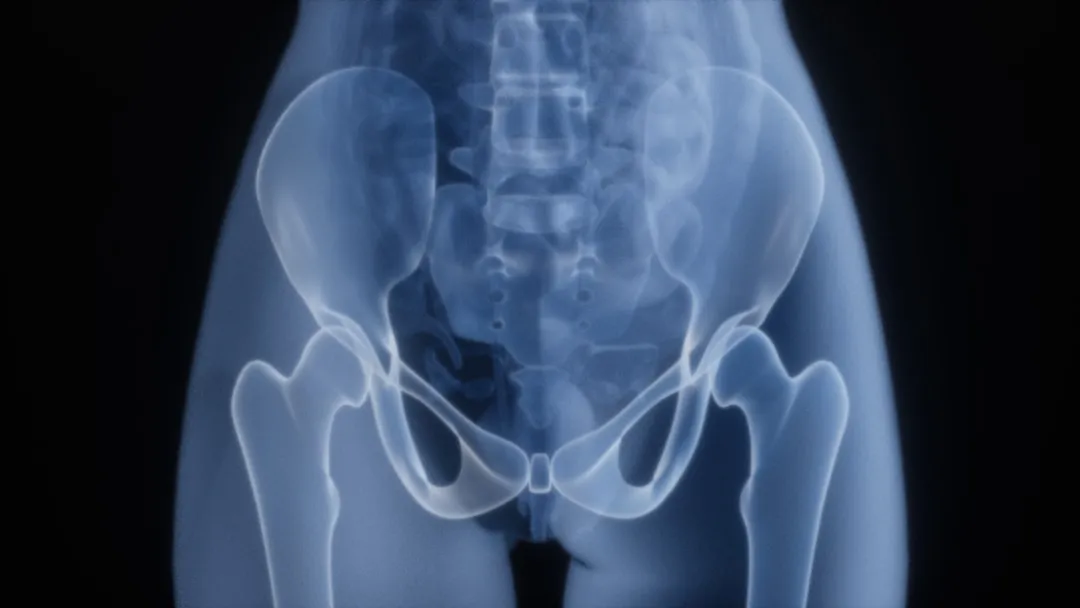
For adults over 65, a serious bathroom fall is not just painful – it can be the beginning of a significant and lasting decline. Hip fractures carry a sobering prognosis: research consistently shows that between 20 and 30% of older adults who suffer a hip fracture die within one year, and many of those who survive never fully regain their prior level of mobility.
Seniors aged 65 and older have roughly a 25% chance of dying within six months to a year if they fall and break a hip. That single statistic reframes the entire conversation around grab bars. This is not a convenience upgrade. It is a survival issue.
Slip and fall accidents are a very common cause of brain injuries and account for nearly half of fatal falls for older Americans. Head trauma in that age group carries its own compounding risks, particularly for those already managing other chronic conditions.
Grab Bars Are the Single Most Effective Fix
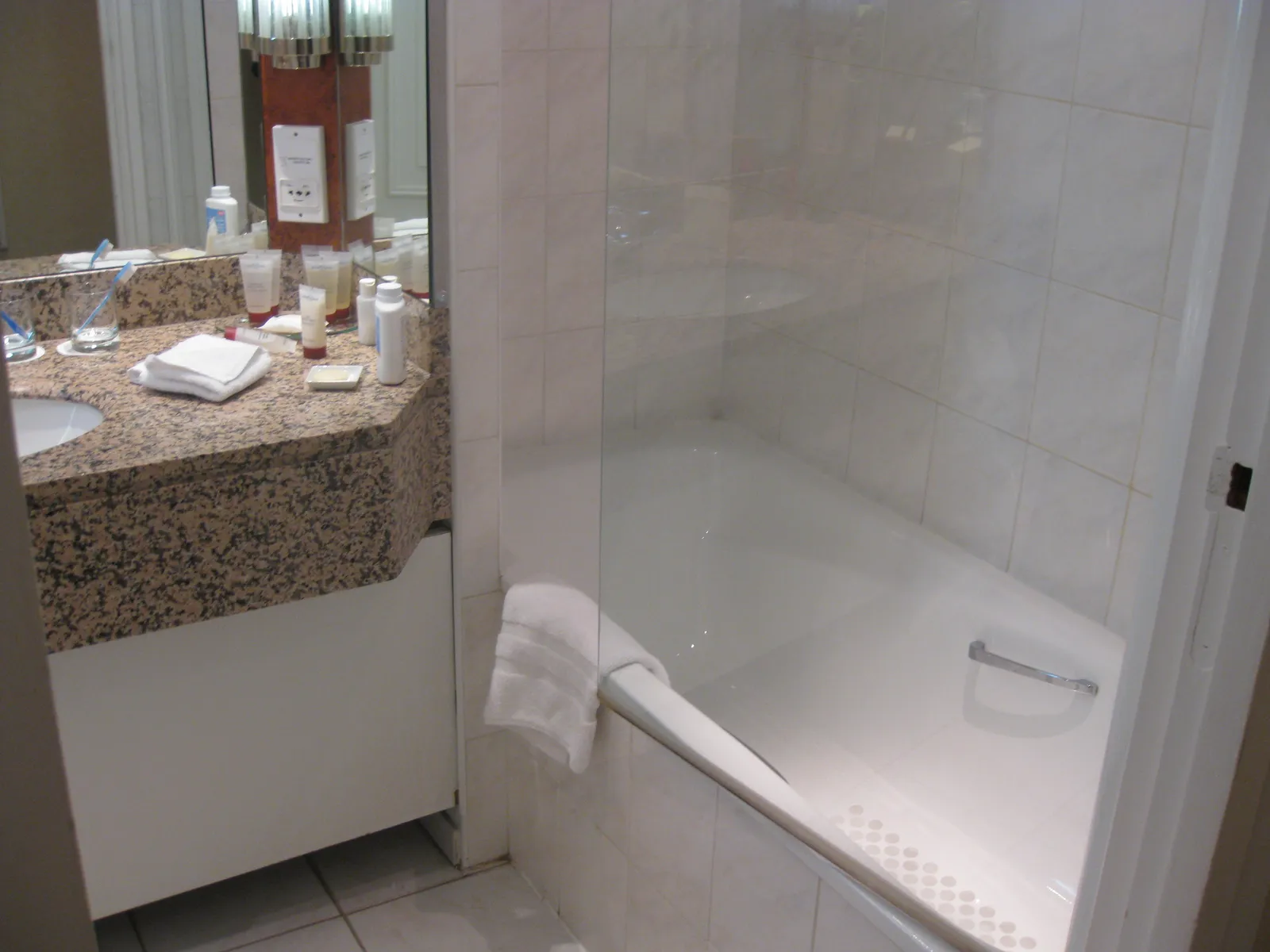
If you could only make one change, install properly anchored grab bars. Research consistently shows that grab bars are among the most effective tools for preventing bathroom falls.
Grab bars are one of the simplest, most affordable, and most effective bathroom safety modifications available, yet they remain dramatically underused in American homes. Studies consistently show that properly placed grab bars can prevent the majority of bathroom falls, making them one of the single highest-return investments in home safety available to seniors.
The global grab bar market is projected to reach nearly two billion dollars by 2034, largely due to the aging population and the increasing preference for aging in place. Well-planned bathroom modifications can reduce fall risks by as much as half.
Most Seniors Delay Because They Think It Will Look Medical
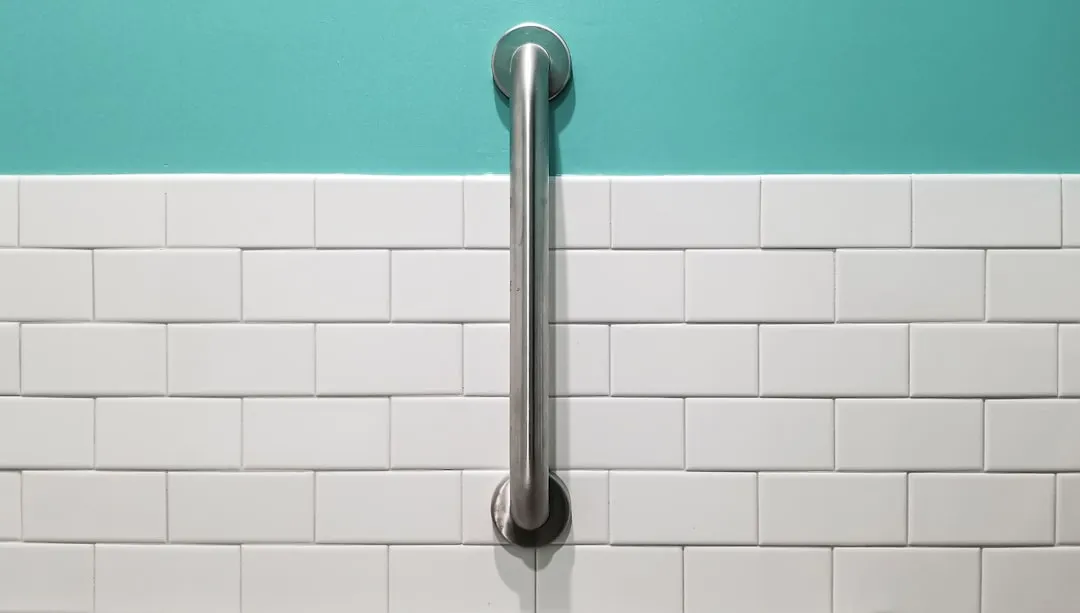
Many homeowners hesitate, worried that grab bars will make the bathroom look institutional, concerned about installation damaging tile, or simply unsure where to put them. That hesitation is understandable, but it is also increasingly outdated as a reason.
For areas outside the shower, a smooth brushed nickel or matte black finish looks more like standard bathroom hardware and integrates beautifully with modern decor. Brands like Moen Home Care, Delta, and Ponte Giulio offer designer-grade grab bars that are virtually indistinguishable from towel bars to the casual eye.
More homeowners are choosing to plan ahead with aging-in-place upgrades. The focus is on making spaces safer and more accessible while keeping them visually modern and comfortable, without a clinical or institutional look.
Placement Matters More Than Most People Know
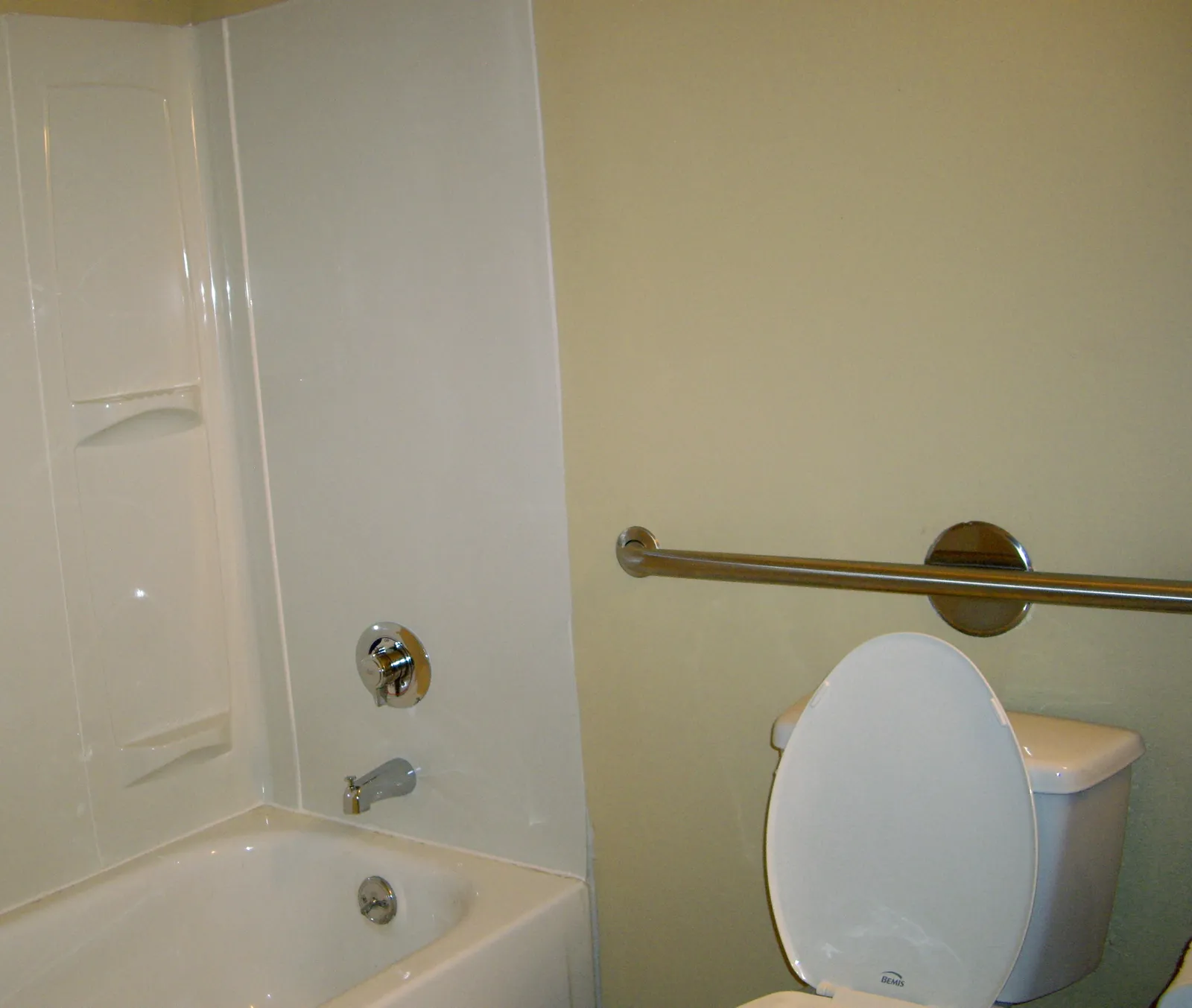
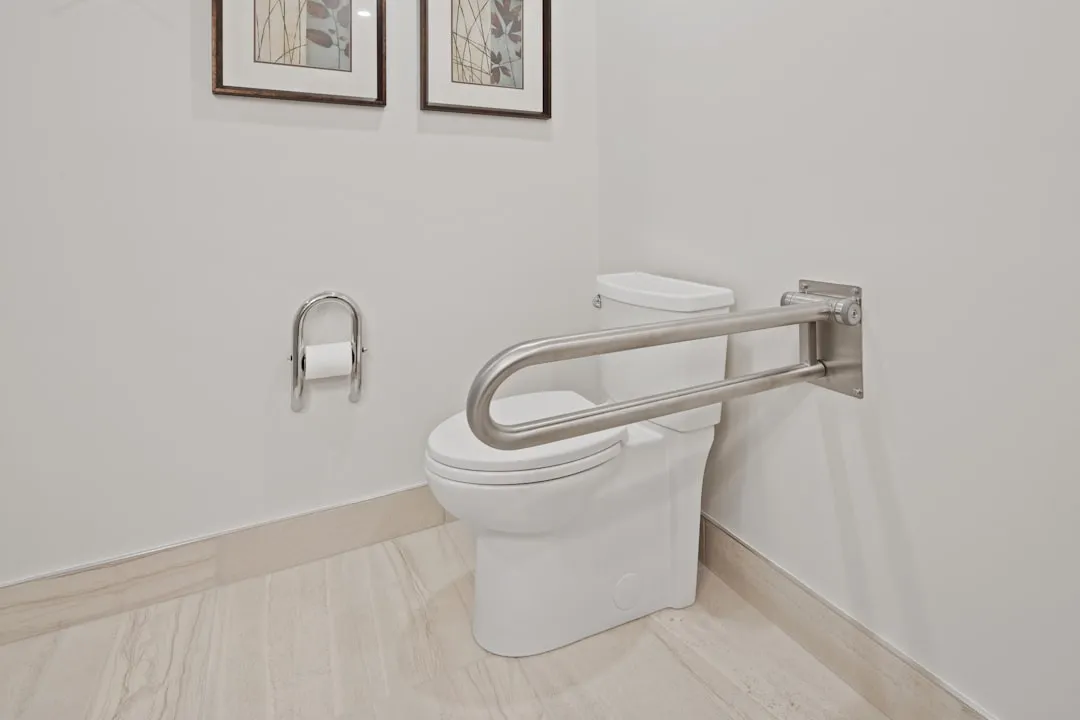
A grab bar installed in the wrong spot offers almost no benefit. Installed correctly, it changes the risk profile of the room. The three non-negotiable locations are: beside the toilet at a height that assists the sit-to-stand motion, inside the shower at entry height for safe transitions, and at standing height inside the shower for support while washing.
The general guidelines for grab bar installation come from the Americans with Disabilities Act. The measurements depend on whether it is a side bar next to the toilet or a rear bar behind it. The sidebar must be placed 12 inches or less from the wall behind the toilet, and the rear bar must be centered on the toilet and extend 12 inches to each side.
The placement of the grab bar must accommodate the individual user, so factors like physical abilities, arthritis, vision, and perception all play a part in finding the best position. A certified aging-in-place specialist or occupational therapist can assess that precisely.
The Cost Is Far Lower Than Most People Expect
A single, properly installed grab bar at the toilet costs between $150 and $300 and takes under an hour to install. Compare that with the average cost of a single emergency department visit, which routinely runs into the thousands, and the math is not complicated.
Medicare does not cover elective home modifications, but it covers 80% of certain equipment when medically prescribed, and Medicare Advantage plans often expand that coverage. Many states also offer Medicaid Home and Community-Based Services waivers that fund accessibility modifications for eligible low-income seniors.
Veterans can access significant financial assistance through the VA’s Specially Adapted Housing program. Home modifications that are medically prescribed may also be deductible under IRS medical expense rules, though consulting a tax professional is recommended.
The Aging Population Makes This More Urgent Every Year
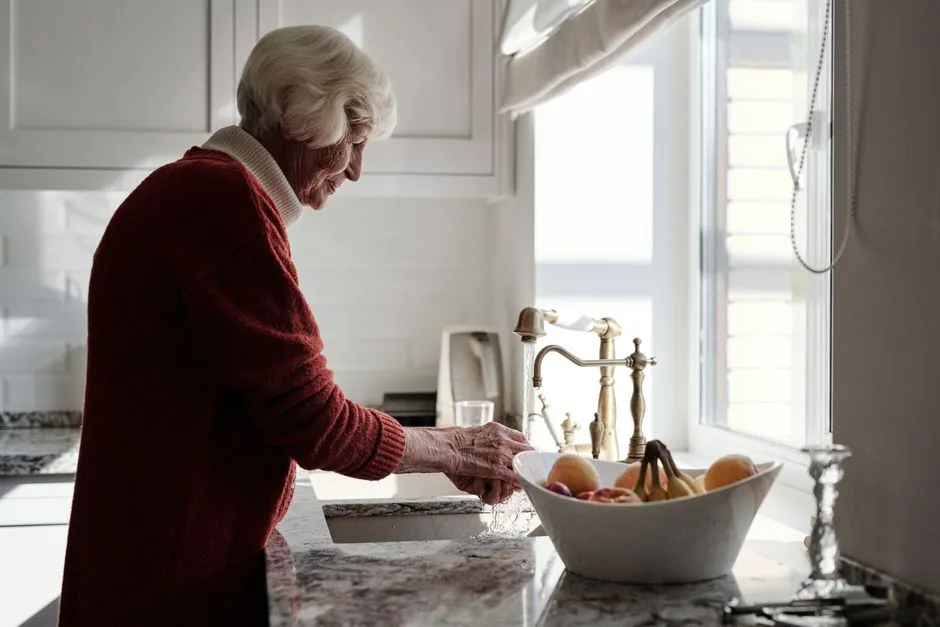
A 2025 U.S. Census Bureau report highlights a clear demographic shift, with about 61.2 million Americans now aged 65 and older. In many parts of the country, older adults already outnumber children, a change that quietly reshapes everyday life, especially when it comes to housing and how homes need to be designed. One of the biggest areas affected is the bathroom.
A growing number of older Americans are showing a strong preference for aging in place. A 2024 AARP survey found that three quarters of Americans aged 50 and older want to stay in their current homes as they age, while nearly as many hope to remain in their communities.
A 2025 systematic review published in Healthcare notes that the aging population has increased the demand for home modifications to support aging in place, though existing research primarily focuses on fall prevention and physical safety, with gaps remaining in understanding long-term sustainability and cost-effectiveness. That is a sign the research conversation is still catching up to the real-world need.
Waiting for a Fall to Happen Is the Most Expensive Strategy
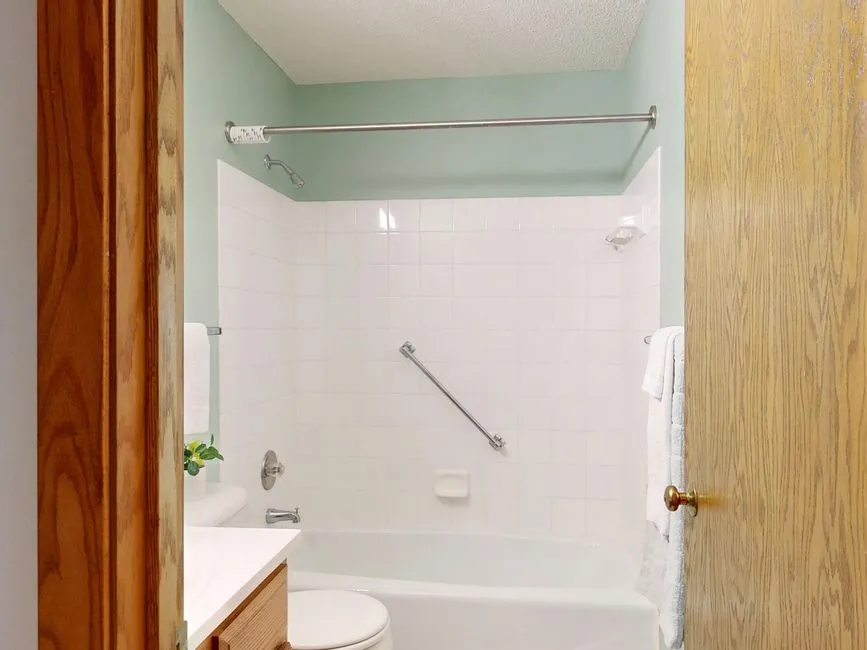
According to the CDC, approximately 235,000 people are injured in bathroom falls each year. Most of those people had bathrooms that could have been modified beforehand. The modification almost never happens until after the injury, which is precisely the wrong order.
The good news is that these falls are highly preventable. The single most effective modification you can make to a bathroom is adding proper support bars. Doing so gives older adults the physical support they need to maintain their independence and dignity.
While some minor upgrades can be handled independently, most aging-in-place modifications require professional expertise. Proper installation ensures safety, durability, and compliance with building standards. A bar that pulls away from the wall during a fall is worse than no bar at all, which is why professional anchoring into wall studs is not optional.
The Takeaway
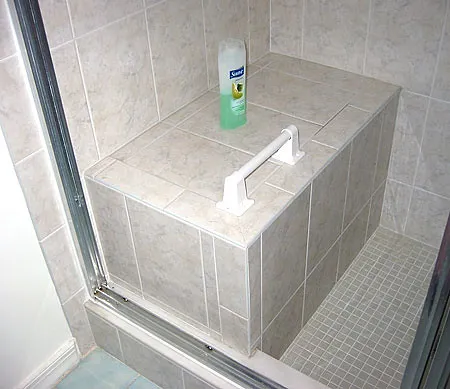
The pattern is consistent and well-documented: seniors know the bathroom poses a risk, they plan to address it eventually, and then a fall changes everything. The modification itself, a set of properly anchored grab bars placed in the right locations, is neither expensive nor disruptive. What makes it hard is not the hardware. It is the psychology of acting before a crisis forces the decision.
The evidence points clearly in one direction. The bathroom will not become safer on its own, and balance does not improve with age. The only variable a person can actually control is whether they put the right support in place before they need it, rather than after.
AI Disclaimer: This article was created with the assistance of AI tools and reviewed by a human editor.