

Millions of homeowners have put up a fence thinking they were well within their rights, only to receive a notice from the city, a complaint from a neighbor, or a letter from their HOA weeks later. It happens more than people expect, and in nearly every case, the homeowner had no idea anything was wrong. The fence looked reasonable. It matched the one next door. Nobody said anything during construction.
The problem is that fence height regulations are layered, location-specific, and often counterintuitive. What’s allowed in your backyard may be entirely different from what’s permitted in your front yard, on a corner lot, or within a certain distance of a property line. This guide walks through the ten most commonly broken fence height rules, most of which nobody warned you about.
The Standard Six-Foot Rule – and Why It’s Not Universal

The most common residential fence height limit is six feet for backyards and side yards, and three to four feet for front yards. Most homeowners know this in a general way. The trouble is they assume this rule applies everywhere, on every part of their property, in every jurisdiction.
Fence height regulations follow a general pattern across most U.S. cities and counties, though specific numbers vary. Chicago, for instance, operates under slightly different rules than Los Angeles or New York. In New York City, the maximum front yard fence height is four feet, while backyard fences can go up to six feet without a permit. In Los Angeles, up to six feet is allowed in the backyard, though anything taller may need zoning clearance. In Chicago, residential fences up to five feet in the front yard and six feet in the rear are typically allowed without permits.
The takeaway here is simple: “six feet” is a starting point, not a guarantee. Your specific city’s zoning code is the only document that matters.
Front Yard Fences That Are Way Too Tall
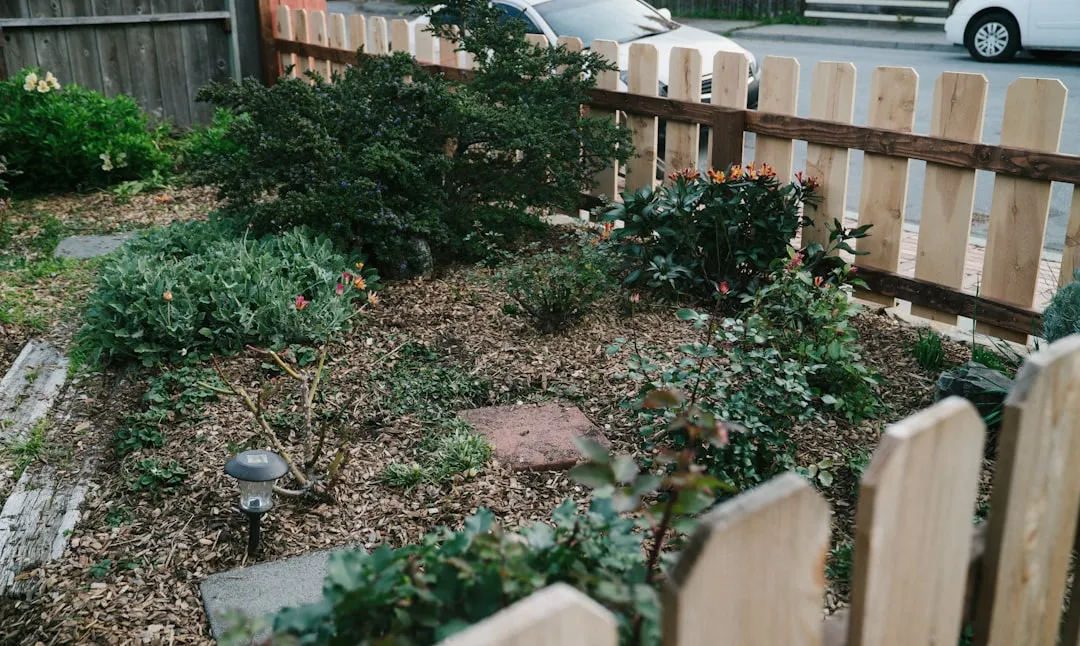
Height violations represent one of the most common compliance issues, particularly in front yard areas where restrictions are typically more stringent. Homeowners routinely install a six-foot privacy fence along the front of their property, matching the height of whatever they already have in the backyard. That is usually a violation.
Fences, walls, and hedges must not exceed four feet in height when located between the front property line and the front building line of the house containing the primary entrance. Salt Lake City’s official 2024 design guidance confirms this explicitly. Shorter front fences preserve sightlines for drivers and pedestrians, while taller backyard fences provide privacy without creating hazards. That safety rationale is why front yard restrictions exist in the first place, not just aesthetics.
The Corner Lot Trap That Catches People Off Guard
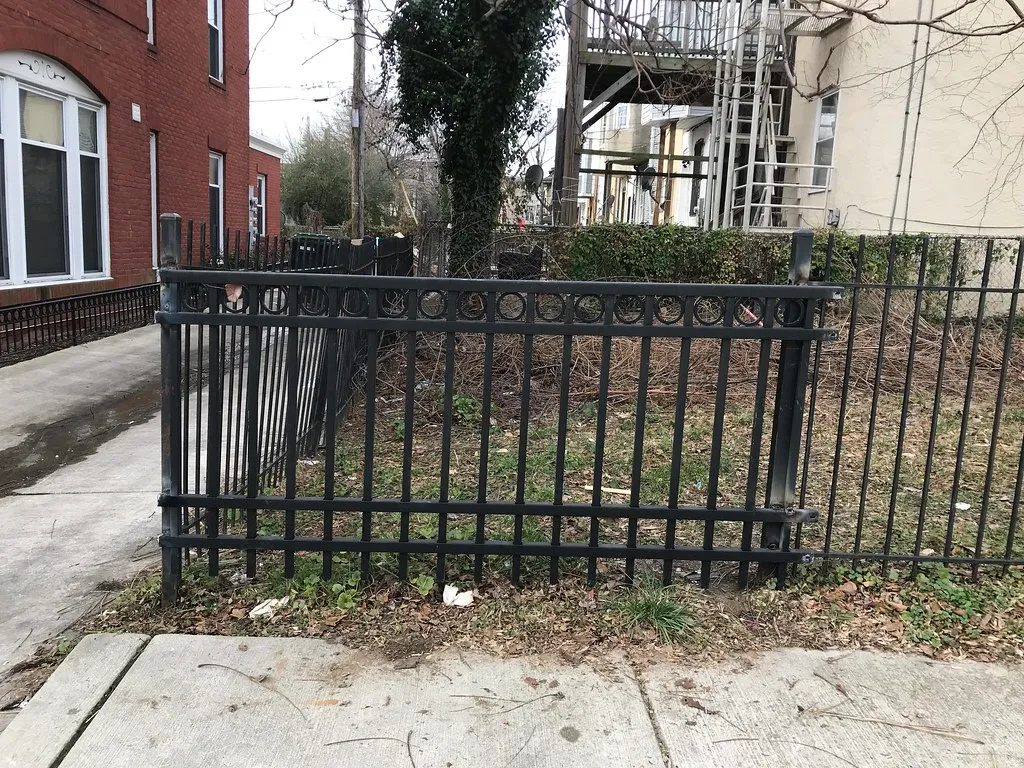
Corner lots often face additional restrictions. A home on a corner property borders two streets, which means a tall fence could block visibility in multiple directions. In these cases, fence height may be limited to around three feet near the corner of the property.
On corner lots, jurisdictions define a “sight triangle” at the intersection where fences must be limited to 30 to 36 inches in height. The triangle is typically measured 25 to 35 feet from the intersection along each street frontage. Fairfax County, Virginia, goes further: fences in a front yard on a corner lot are allowed a maximum height of 48 inches, except in the sight distance triangle, where a maximum fence height of 42 inches is allowed.
Anything taller blocks driver sight lines and creates an accident risk. This rule applies to all fence materials, including vinyl, wood, and solid privacy slats on chain link. Corner lot owners are held to a stricter standard simply because of their location, regardless of how private they want to feel.
Building Without a Permit When One Is Required

Permit violations occur when homeowners proceed with fence installation without obtaining required approvals. Even areas with minimal fence regulations may require permits for structures exceeding certain heights or those located in special zones like historic districts or environmental protection areas.
Generally, the tallest legal fence allowed is eight feet in the backyard with a permit. Without a permit, most cities restrict backyards to six feet. Front yard fences rarely exceed four feet legally. The permit process exists partly to give the local authority a chance to flag problems before a fence goes up, rather than forcing an expensive teardown afterward.
Failing to comply with city ordinances can lead to fines, required modifications, or even removal orders. That’s a costly consequence for what many homeowners consider a simple weekend project.
HOA Rules That Override the City Code

If you live in a community governed by a homeowners association, your HOA’s covenants, conditions, and restrictions likely have fence rules that go beyond what city ordinances require. HOAs frequently regulate fence height, style, color, material, and placement to maintain a uniform appearance throughout the neighborhood.
HOA rules and local ordinances don’t always align. When they conflict, the stricter standard usually controls. If your city allows six-foot backyard fences but your HOA limits them to five feet, you must follow the HOA’s five-foot rule. This surprises many homeowners who assume city approval is enough.
HOA fence rules are legally binding. If you build a fence that violates your CC&Rs, the HOA can require you to modify or remove it. In extreme cases, an HOA can place a lien on your property for noncompliance. That is a serious financial and legal consequence for an honest mistake.
Measuring Fence Height Incorrectly on Sloped Land

If your properties are on sloping land, the height limitation may vary at different points along the fence line. This is one of the subtler violations, and it happens frequently in hilly neighborhoods. A fence that measures exactly six feet at one end might technically exceed seven feet at the other end of the slope.
Slope adjustments affect how height is measured. On sloped land, fence height is typically measured from the lowest finished grade at the base of the fence, which means the effective visible height can vary at different points along the fence line. Many homeowners don’t realize this until a neighbor or inspector raises the issue.
Fences Built Inside Utility Easements
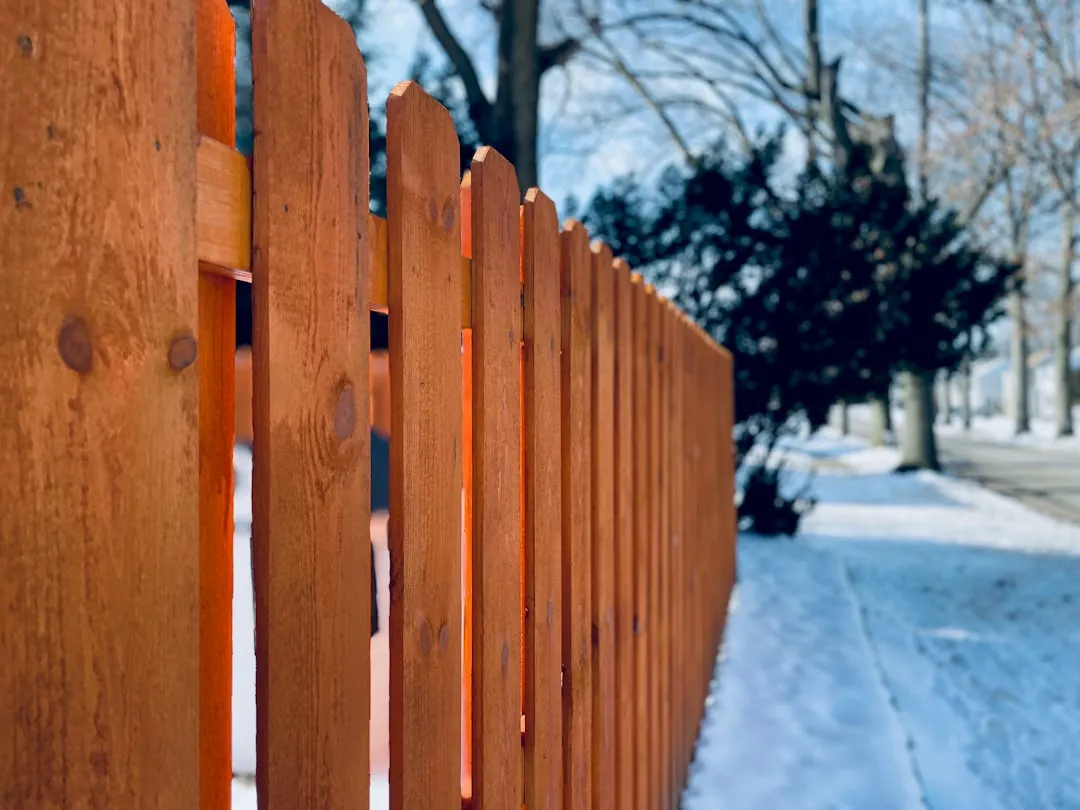
Many properties have utility easements along side or rear boundaries, typically five to ten feet wide. Fences built within easements can be removed by the utility company at the property owner’s expense, with zero compensation. This is a rule that has nothing to do with height, strictly speaking, but it catches homeowners off guard during fence projects all the same.
Fences cannot block easements for utilities or drainage. Even if the fence height is perfectly legal, its location alone can make it a violation. Always check the property survey for easement locations before staking the fence line. Skipping that step can mean losing the fence entirely at your own cost.
The Spite Fence Problem and Its Legal Consequences
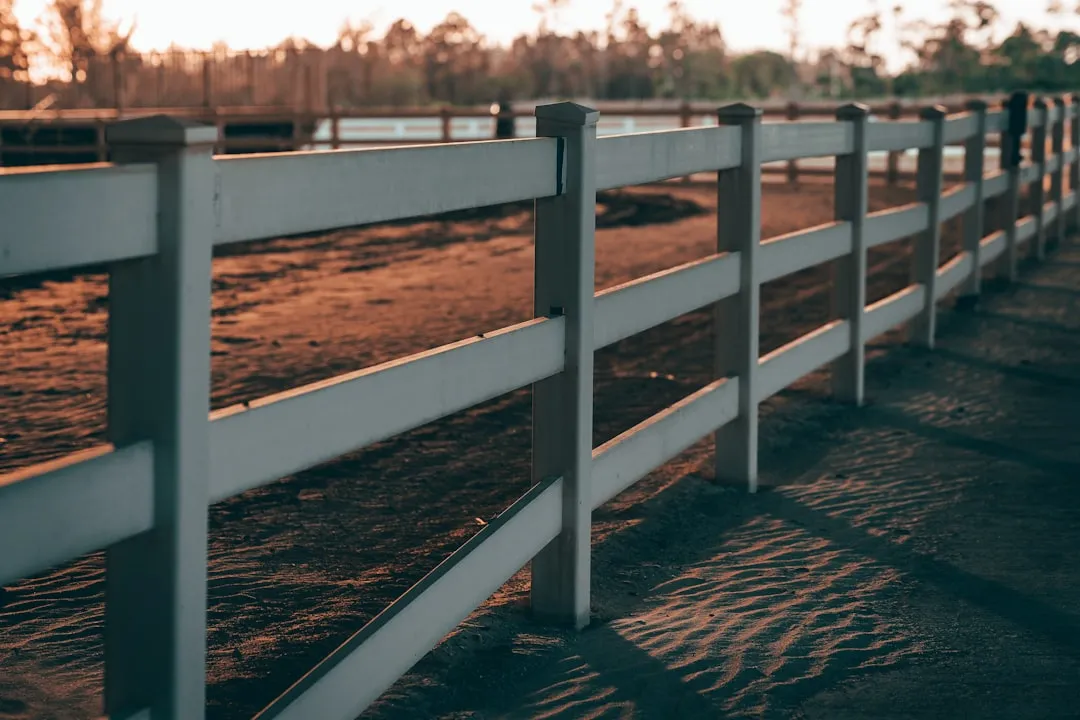
Sometimes, a neighbor may build an ugly fence as a reaction to an ongoing dispute. Many states have laws that regulate “spite fences,” especially when they get built to annoy a neighbor and exceed fence height limitations. Under these statutes, the neighbor may sue for its removal.
In California, a spite fence exceeding ten feet and intended to annoy is prohibited and considered a violation of California fence law. The intent matters in these cases, but so does the height. A fence built too tall in a moment of frustration with a neighbor can cross two legal lines at once: the local height ordinance and the state’s spite fence statute.
Skipping the Property Survey Before Installing

Visual estimates of property boundaries frequently prove inaccurate, leading to encroachment onto neighboring properties. Homeowners regularly assume they know where their property line is based on where the grass ends, where an old fence stood, or a rough guess from memory. That assumption is often wrong by several feet.
Building even an inch onto a neighbor’s land can turn into a legal nightmare. Always check your property survey or consult a professional to avoid encroachment. A fence that’s the right height but in the wrong place is still an illegal fence. Disagreements can challenge existing property boundaries, resulting in encroachments or unintentional violations of neighboring property rights, which might require formal surveys or legal intervention to clarify boundary lines.
What Happens When Violations Go Unresolved
Ignoring ordinances related to fence height, setback distances, or required permits can cause disputes. Violations may lead to complaints, enforcement actions, or the need for costly modifications, emphasizing the importance of understanding legal requirements.
A neighbor may be unaware of the ordinance, so informing the neighbor of the violation is an important first step. If the neighbor refuses to make changes, notifying the city of the violation is the next option. Most fence disputes that end in court began with something simple enough to resolve through a direct conversation. Skipping the permit or ignoring HOA guidelines can lead to fines, forced removal, or costly legal disputes down the road.
The Takeaway

Fence height rules are among the most misunderstood regulations in residential property law. They vary by yard location, lot type, jurisdiction, HOA rules, and even the slope of the land. The six-foot standard that everyone references is a rough guideline at best and a legal trap at worst when applied without checking the actual local code.
When in doubt, contact your local planning or building department before you start. Many cities have specific fence ordinances that go beyond the state baseline, and what was permitted two years ago may have changed. A quick call before breaking ground is far cheaper than tearing down a fence you just paid to build.
AI Disclaimer: This article was created with the assistance of AI tools and reviewed by a human editor.