
What a Silverfish Actually Is
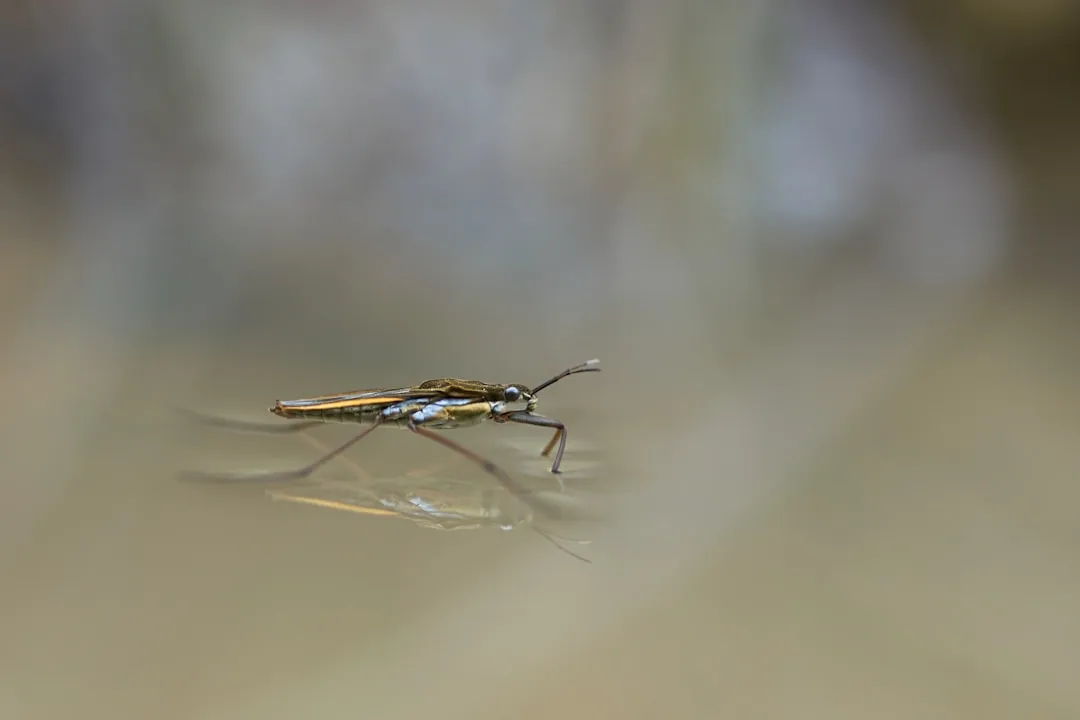
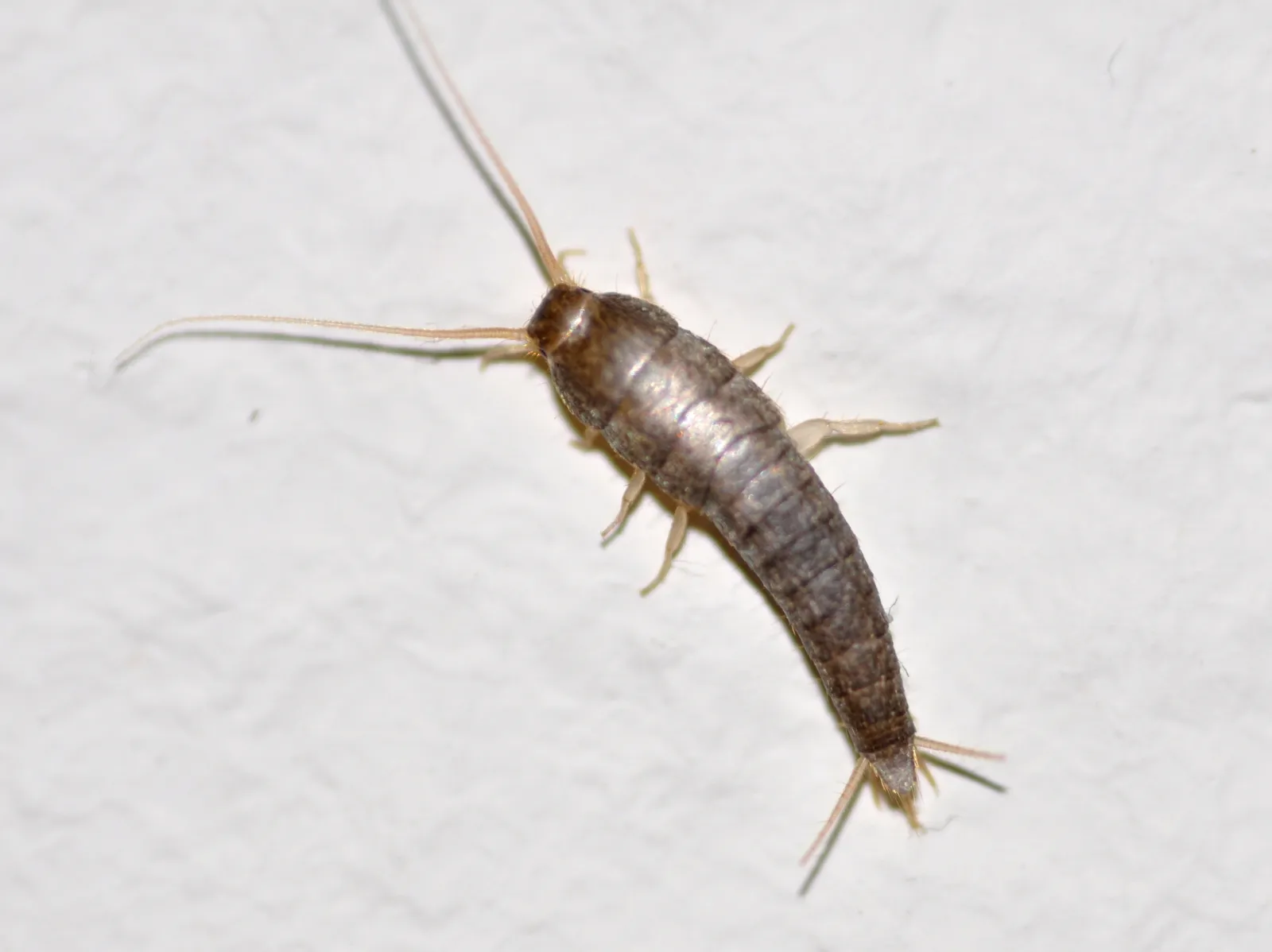
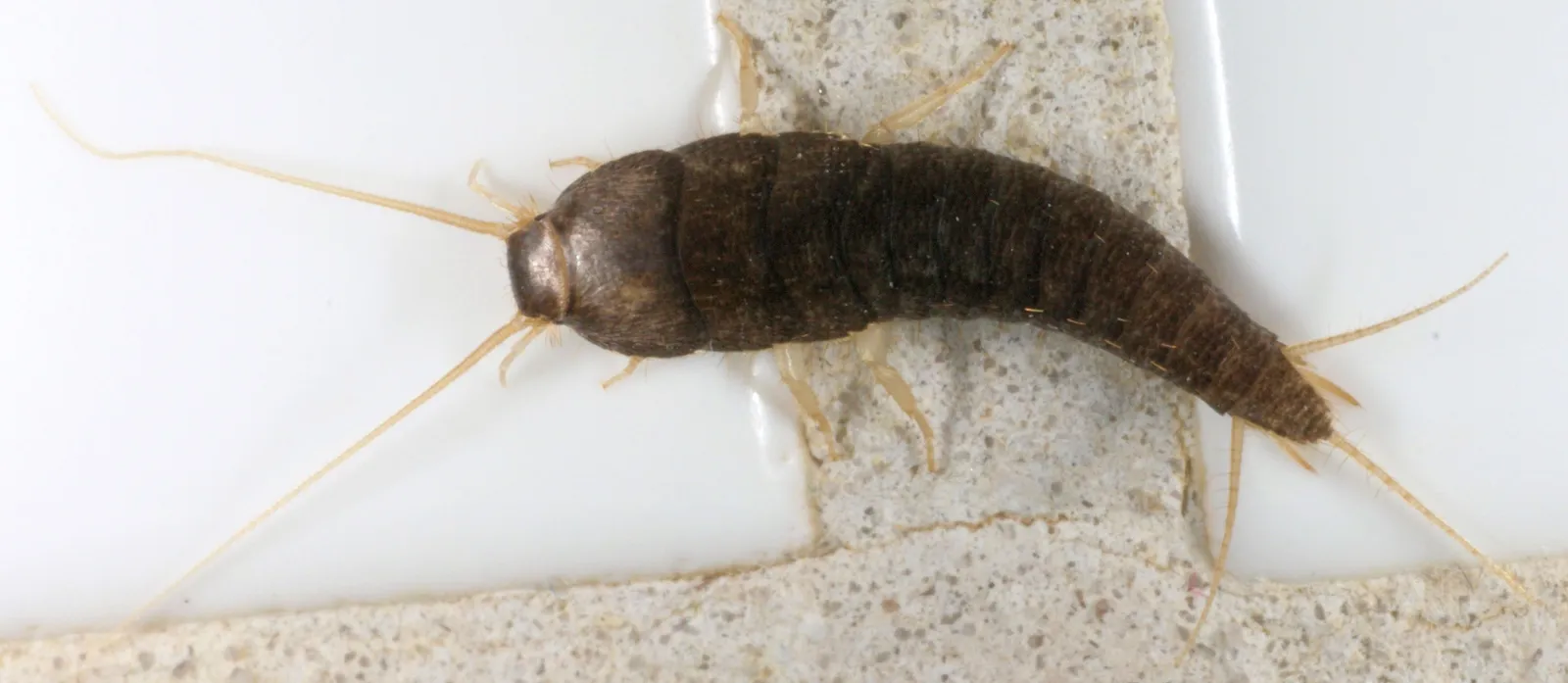
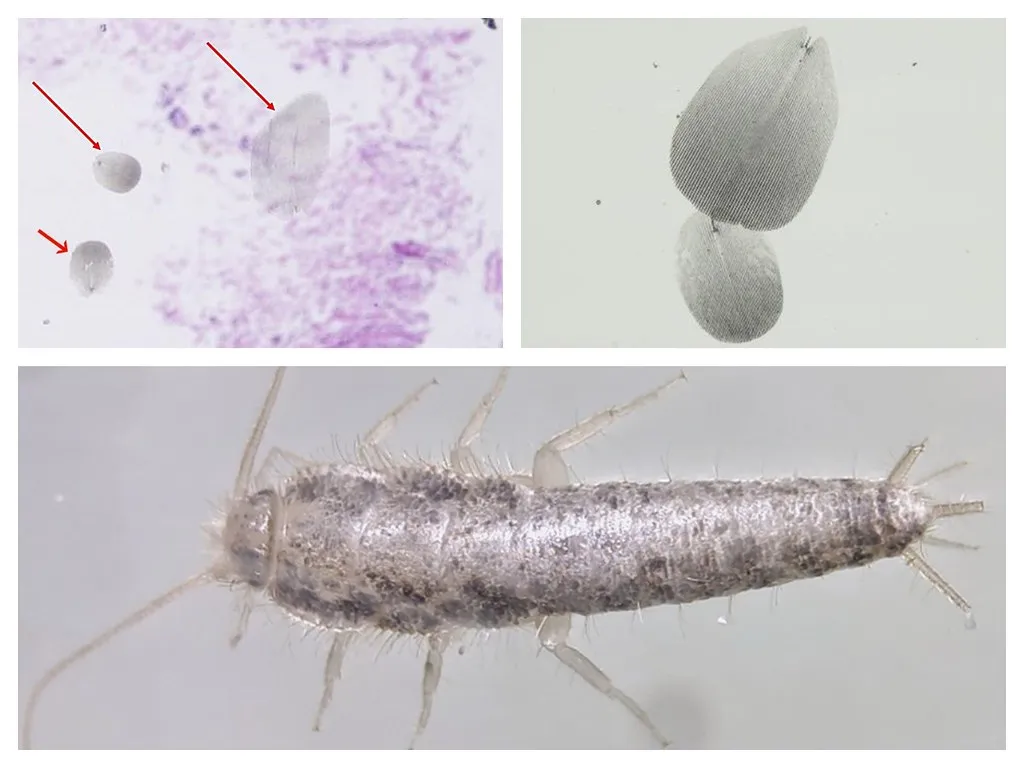
Silverfish are nocturnal insects that thrive in dark, moist environments. They typically measure about half an inch to one inch long and possess a flat, elongated body with long antennae and three tail-like appendages at the rear. They’re known for their rapid movements and can scuttle away quickly when disturbed.
These wingless insects get their name from their silvery scales and fish-like movement patterns. They’ve been around for an extraordinarily long time, predating even the dinosaurs, and that evolutionary resilience is part of why they’re so effective at exploiting moisture-rich environments in modern homes.
Silverfish are also known to infest commercial structures such as offices, stores, and libraries. So the problem isn’t unique to old or neglected homes. It can happen anywhere that humidity builds up unchecked.
The Humidity Threshold That Invites Them In

Silverfish prefer environments with high humidity, ideally between 75% and 95%. This level of moisture is critical for their survival and reproduction. That’s a fairly specific range, and it matters, because it tells you exactly what they’re responding to when they show up in your home.
Their populations decline sharply when relative humidity drops below 50%. This is why controlling moisture through dehumidification is the most effective prevention strategy. Keeping that number in mind is useful. It turns a vague pest problem into something measurable.
According to the Mayo Clinic, a healthy and comfortable indoor humidity level falls somewhere between 30 and 50 percent. If silverfish are already present, the air in your home is very likely sitting well above that comfortable range.
How They Actually Absorb Moisture From Your Walls
According to Virginia Tech Extension research, silverfish can pull moisture right from the air through their outer shell. This is why they need humid spaces so badly. It’s a remarkable biological adaptation, one that makes them essentially self-watering as long as the air around them stays damp enough.
Silverfish absorb water from the air and moist surfaces, making dry environments inhospitable. High humidity supports their ability to molt multiple times, which is essential for growth and reproduction. Their eggs also require dampness to hatch successfully, and humidity ensures the ongoing survival of the next generation.
This is why wall voids are such favored territory. The space inside your walls is often darker, less ventilated, and more consistently humid than open rooms. Once a colony establishes itself there, it can persist quietly for a long time.
Why Spotting One Means There Are Likely Many More
Silverfish are small, gray-brown or bluish pests with long, slender bodies. Spotting them in the open indicates a larger population hiding in dark and damp areas like basements, laundry rooms, or bathrooms. The ones you see are almost always just the overflow from a much larger, hidden group.
Silverfish can enter from outside through cracks and gaps, but they also breed indoors when conditions are favorable. Once established, they can live two to eight years and continue reproducing, making indoor populations self-sustaining. That long lifespan is part of what makes them so persistent.
These pests are masters at staying hidden, and unless you know where to look, infestations can grow quietly over time. By the time you’re seeing them regularly in living spaces, the conditions inside your walls have likely been favorable for quite a while.
The Rooms Most at Risk in Your Home
Silverfish are found throughout the U.S. and are typically seen in moist, humid areas in the home, such as bathrooms, basements, and attics. These are the spaces where condensation builds up most easily and ventilation is often weakest.
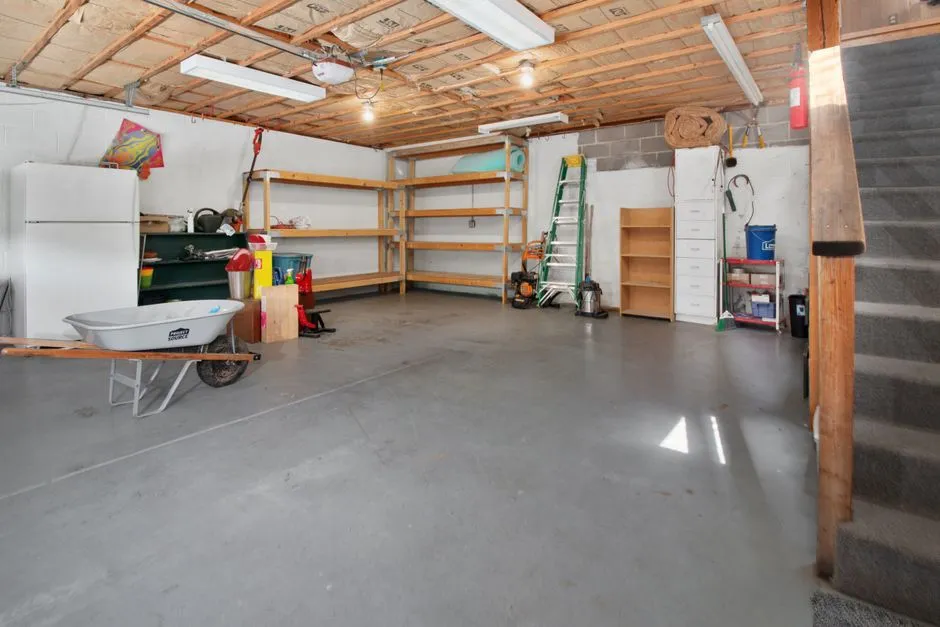
In the Mid-Atlantic, basements and crawl spaces often hit 70% or higher humidity in summer. Concrete walls can “sweat,” pushing levels even higher. Silverfish in bathrooms are very common because shower steam and poor airflow keep things persistently damp.
Shake roofs are excellent breeding sites for silverfish during the warmer months, as they have an abundance of moisture, cellulose, starch, and dead insects. From there, they can easily gain entrance and move through the insulation to enter a home. Most homeowners never think to check the roof as a source.
Silverfish as a Signal of Hidden Water Damage
Silverfish, especially in large numbers, could be an indication that you have areas of your home that have become water damaged. This can lead to other issues, such as mold, and other pests gaining access to your wall voids. In that sense, the insect is almost doing you a favor by making an otherwise invisible problem visible.
If silverfish have made themselves comfortable in your home, it could mean there’s a moisture source nearby. Leaky pipes, poorly ventilated spaces, or condensation buildup can create the perfect conditions for them. Addressing these issues promptly can help prevent larger problems, such as mold growth or damage to wood and drywall.
To determine whether water damage is present, inspect the areas where you’ve spotted silverfish. Look for signs like water stains, peeling paint or wallpaper, or a musty odor. These are often the clearest clues that the moisture problem runs deeper than just a damp bathroom.
The Connection Between Silverfish and Mold
Excess moisture creates the perfect breeding ground for silverfish. It not only helps them survive but also supports the growth of mold and mildew, their favorite food sources. The two problems are closely linked, which is why finding one often means the other isn’t far behind.
Silverfish are particularly attracted to moist areas and eat mold, making their presence a potential sign of mold activity. If you see silverfish around your home, the problem could be bigger than just the infestation itself.
When silverfish take up residence in an attic or wall, they will eat the insulation’s paper lining. This coating exists to prevent condensation from forming. As a result, silverfish may eventually cause mold to develop in your walls. This is one of the less obvious but more serious ways that silverfish can worsen existing moisture damage.
The Damage They Leave Behind
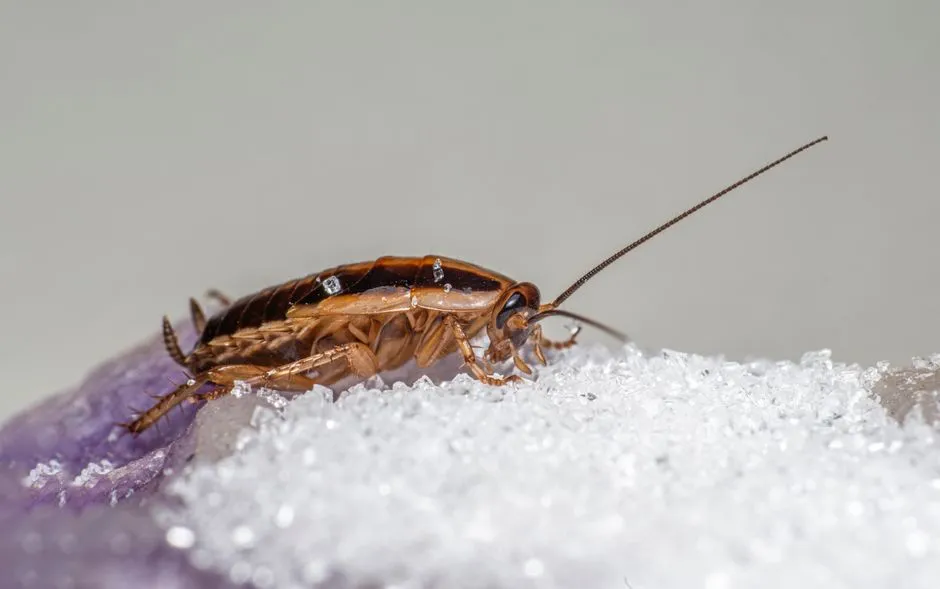
Although they are not harmful to humans, these pests can cause significant damage to household items such as books, wallpaper, clothing, and photographs. The damage tends to be slow and irregular, which is why it often goes unnoticed until it’s extensive.
Silverfish feed on starchy materials including paper, glue, fabric, and dead skin cells, which can lead to damage on wallpaper, books, and clothing. Wallpaper is a particularly common target, and the damage can sometimes be mistaken for general wear rather than pest activity.
They will eat carbs, sugars, starches, and cellulose. This means they are a danger to unsealed food in your kitchen and household belongings such as books, photos, carpet, curtains, clothing, sheets, wallpaper, and even important documents. The variety of materials they attack makes a large infestation genuinely costly to deal with.
How Reproduction Accelerates Under Humid Conditions
Silverfish need humidity above 75% for successful reproduction, and eggs fail to hatch below 50% relative humidity at normal room temperatures. This single fact is central to any effective control strategy. Drop the humidity and you disrupt the entire cycle.
Unlike many insects, silverfish continue molting throughout their adult lives, sometimes up to 66 times total. Females lay one to three eggs daily, typically depositing fewer than a hundred eggs during their lifetime. Development time varies dramatically based on conditions, anywhere from three to four months in warm, humid environments to two to three years in cooler, drier areas.
Higher humidity facilitates faster egg hatching and nymph development. Moisture also helps prevent dehydration, allowing silverfish to live longer. A consistently humid wall cavity can sustain a colony through multiple generations before anyone in the household realizes there’s an issue.
What You Can Actually Do About It
Silverfish require a lot of moisture, so using dehumidifiers in closed spaces can help discourage these pests. Ventilation from fans can reduce relative humidity to a point that is intolerable to silverfish. These are among the most practical and accessible first steps any homeowner can take.
Ensure that your bathrooms, kitchens, and other moisture-prone areas have proper ventilation. Use exhaust fans when cooking or showering, and consider installing vents or windows to improve airflow. Even small plumbing leaks can create damp conditions ideal for silverfish. Regularly check for and repair leaks under sinks, behind appliances, and around toilets.
Persistent infestations often indicate hidden moisture sources or structural issues that need professional help to find and fix. When moisture comes from hidden sources like a leaky pipe behind the wall or condensation in the attic, a professional eye helps uncover the cause. Silverfish may be the visible clue, but water damage, mold, or wood rot may be lurking just out of sight.
The Takeaway
A silverfish sighting is rarely just about the silverfish. Silverfish are often an indicator of excessive humidity, moisture problems, and even mold caused by leaks or condensation somewhere in the building. The insect is the symptom. The humidity in your walls is the disease.
An infestation of silverfish typically signals moisture-related issues, including leaks or condensation problems. Regularly inspecting moisture-prone areas can help identify and address these problems early. The sooner you treat it as an environmental problem and not just a pest problem, the better your outcome.
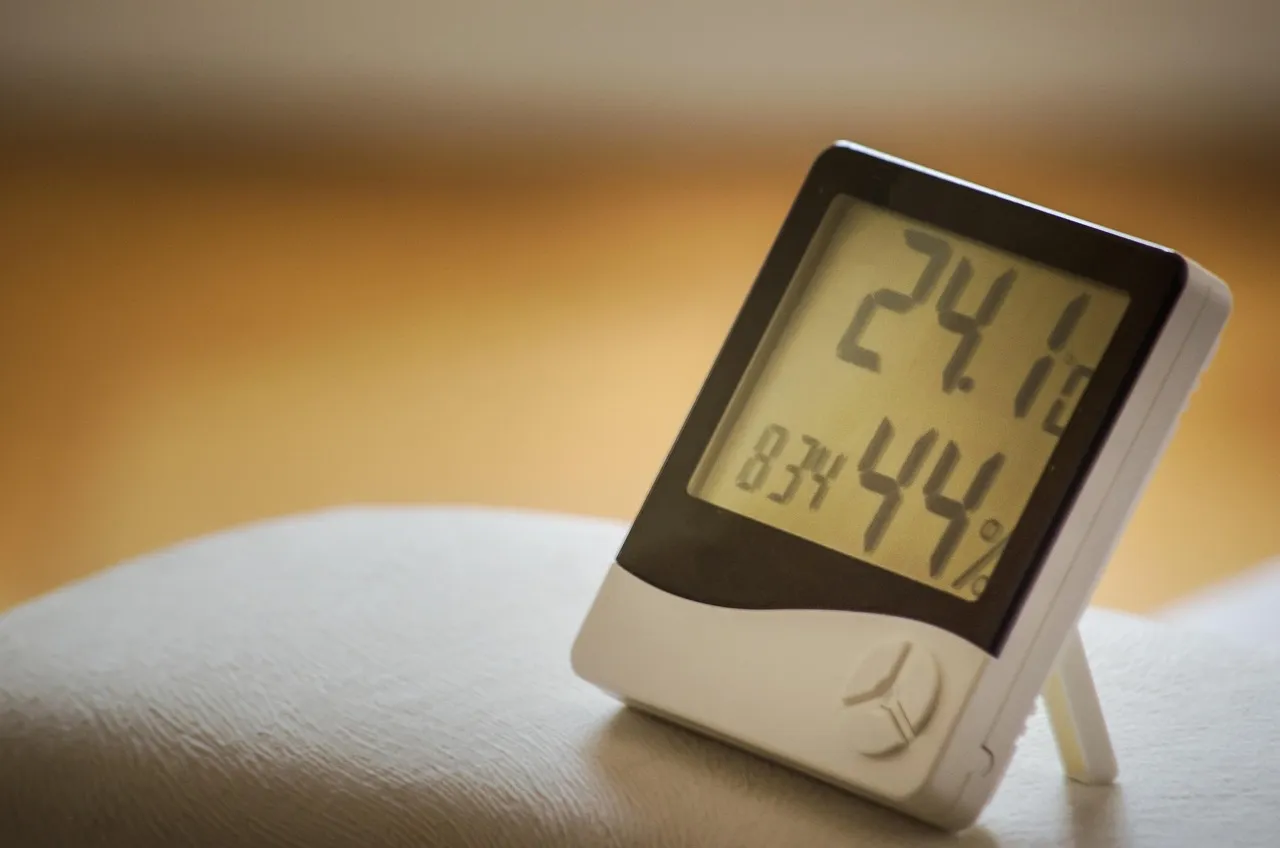
A simple digital hygrometer costs very little and tells you immediately whether your indoor humidity is within safe range. If silverfish are already in the picture, that reading is probably overdue. Fix the moisture, and more often than not, the pest problem resolves itself.
AI Disclaimer: This article was created with the assistance of AI tools and reviewed by a human editor.