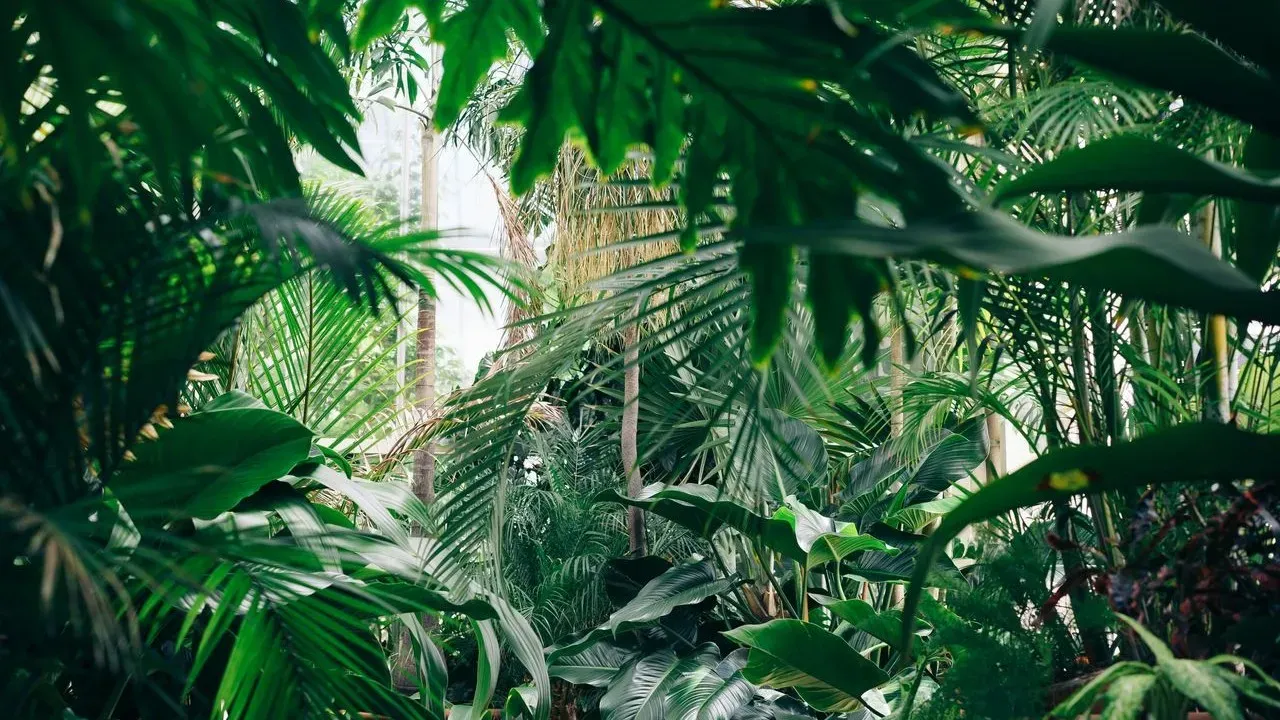

New York gardeners often turn to houseplants when outdoor seasons end, yet few sustain the scale and continuity that Jane has achieved since the 1970s. Her Apalachin home holds a sizable collection built over more than fifty years, centered on begonias, succulents, and cacti. The plants share space with miniature displays that incorporate stones and shells gathered during her travels. ([1])
A collection rooted in the 1970s
Jane began indoor gardening in the 1970s and has steadily expanded her holdings ever since. She describes the effort as a continuous pursuit rather than a seasonal hobby. Many specimens have remained with her for decades, including a carrion flower purchased in 1979 from a closing greenhouse.
That plant still produces its large, pungent blooms every five years or so, prompting Jane to move it outdoors temporarily. The longevity of individual plants reflects consistent care across changing conditions. Supplemental lighting and strategic placement near windows help the collection survive New York winters. Jane has also adapted spaces creatively, using old fish tanks as terrariums for smaller begonias.
Begonias take center stage
Rex and cane-type begonias form a prominent part of the indoor display. Varieties such as ‘Marmaduke,’ ‘Cracklin Rosie,’ and ‘Snowcap’ show striking foliage patterns and upright stems. Jane overwinters the plants on a wrought-iron stand positioned before a sunny window.
In warmer months she shifts the entire stand outdoors beneath an awning, where higher humidity supports stronger growth. She regularly propagates cuttings from the cane types and offers young plants at a local Master Gardener sale. This practice keeps the collection manageable while sharing favorites with other gardeners. The dramatic leaf markings and textures of eyelash begonias like ‘Lime Fever’ further illustrate why these plants reward long-term collectors.
Succulents and travel-inspired displays
Succulents and cacti occupy a three-tiered lighted stand Jane bought roughly twenty-five years ago. She arranges many in bonsai-style containers, adding stones and shells collected on trips to places such as Sedona, Arizona, Mexico, and Petrified Forest National Park. These additions create small, evocative scenes that recall specific landscapes.
Echeverias paired with matching warm-toned stones or cool shells demonstrate how simple materials can tie a planting to a memory. A resilient yellow crown of thorns euphorbia has survived even an accidental fall from a second-story deck. Such details highlight the personal dimension that elevates the collection beyond ordinary houseplants.
Sustained interest through changing seasons
Jane’s approach balances practicality with sentiment. The same plants that brighten winter windows also serve as reminders of places visited. Supplemental light and careful overwintering routines allow the collection to persist year after year in a northern climate. Her experience shows that consistent attention, rather than elaborate equipment, supports a diverse indoor garden over decades. The result is a living archive that connects daily life in New York with distant travels and earlier eras of gardening.
AI Disclaimer: This article was created with the assistance of AI tools and reviewed by a human editor.