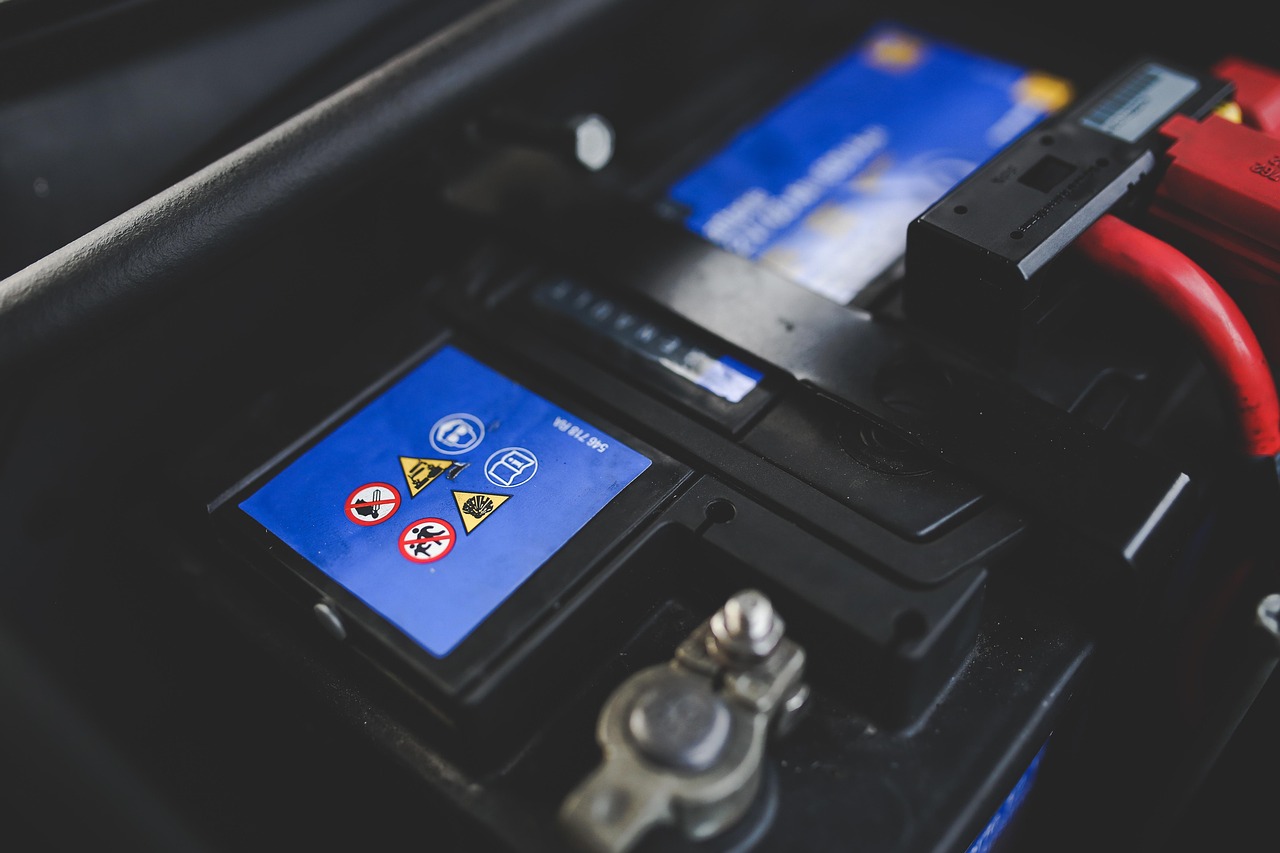

Your Car Never Truly Turns Off
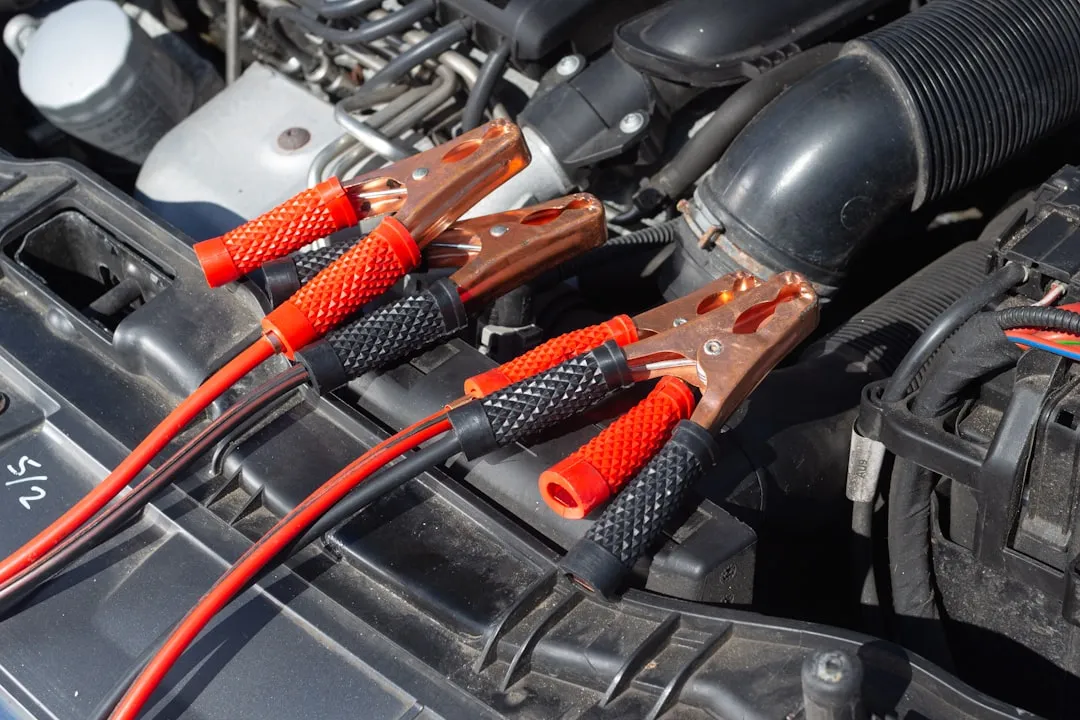
When you cut the ignition, your car doesn’t go silent. Even when a car isn’t being used, many features continue running in the background, including the security alarm, onboard computers, the clock, power doors, power locks, and presets like seat positions, the radio, and climate control settings. All these functions use power and drain the battery over time. While the daily power loss is minimal, the total discharge can be significant if the car stays unused for a long time.
Today’s cars feature hundreds of electronic systems, a number of which require a constant supply of current. Your vehicle’s memory seats, internal clock, GPS system, 12V outlet, mirrors, alarm system, engine computer, radio, and lights could all be drawing from your battery. This is often called “key-off drain,” and it’s happening every single time you park.
The Real Name for This Problem: Parasitic Drain
Parasitic draw, also known as parasitic battery drain, is when a continuous and abnormal discharge of power occurs even after the engine is shut off. It sounds like a problem reserved for old or damaged cars, but it happens across nearly every modern vehicle on the road.
In newer vehicles, a parasitic drain of 50 to 85 milliamps is considered typical. For older vehicles with fewer electronics, a drain of less than 50 milliamps is normal. The trouble starts when that number climbs well beyond the acceptable range. Parasitic battery drain typically ranges from 50 milliamps to 100 milliamps or more, and any component drawing more than 1 amp can significantly drain your battery in a few days or less.
Leaving Electronics Plugged In While Parked
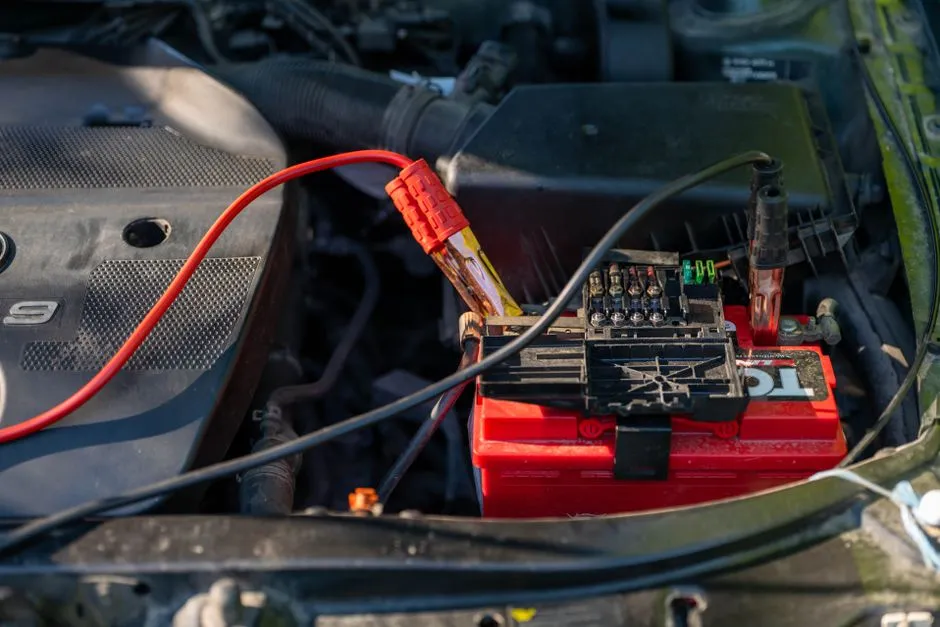
When parking your car for an extended period, leaving unnecessary accessories plugged in can cause a parasitic draw on the battery. This includes phone chargers, dash cams, and other electronic devices. These items might seem harmless because they draw very little power individually, but the effect compounds over hours and days of sitting still.
Smartphone chargers, air purifiers, GPS systems, and dashcams can draw additional power from the battery when plugged into a USB socket, which the battery powers similarly to the old cigarette lighter socket. Unplugging these devices is a simple solution, but the USB port itself may need to be replaced if it continues to draw power with nothing plugged into it. It’s one of the easiest fixes most drivers never think to make.
Parking Without Checking Your Lights

Leaving lights, radios, or other accessories on by accident can drain your battery overnight. Even small things like phone chargers left plugged in can slowly eat away at your battery life. Interior dome lights are a particular trap because they’re easy to overlook, especially in bright daytime conditions when you can’t tell they’re on.
Dome lights, trunk lights, glove box lights, and under-hood lights that fail to extinguish draw significant current, typically 1 to 3 amps, far exceeding normal parasitic draw. A dome light left on for 24 hours can drain most batteries completely. Many cars keep lights on if doors are only slightly open, so a door that doesn’t fully latch can silently drain the battery all night long.
Leaving the Car Parked for Too Long Without Driving
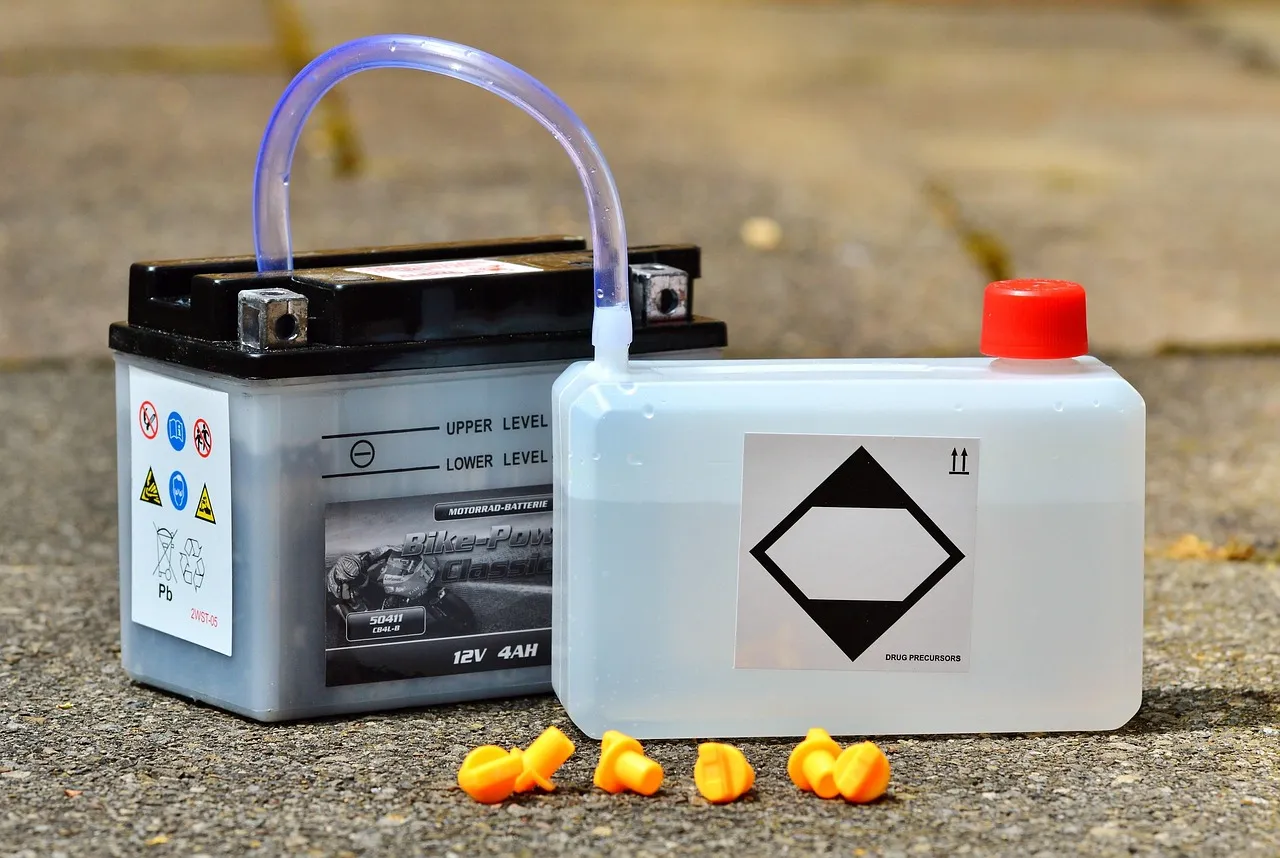
Leaving your car parked for an extended period without driving can drain the battery. Many modern vehicles have electronic systems that continue to draw power even when the engine is off, and over time this power usage can deplete the battery’s charge, especially if it’s already weak or old.
If a battery goes long periods without being recharged by the alternator, those tiny milliamps drawn by parasitic devices will eventually kill it. Driving the car at least once every two weeks helps ensure the battery remains charged. For those who travel for work or leave a car in airport parking, this window can close faster than expected. If you’re parking for extended periods longer than a week, consider using a battery minder or smart charger to trickle energy into the battery.
Relying on Short Trips to Keep the Battery Alive
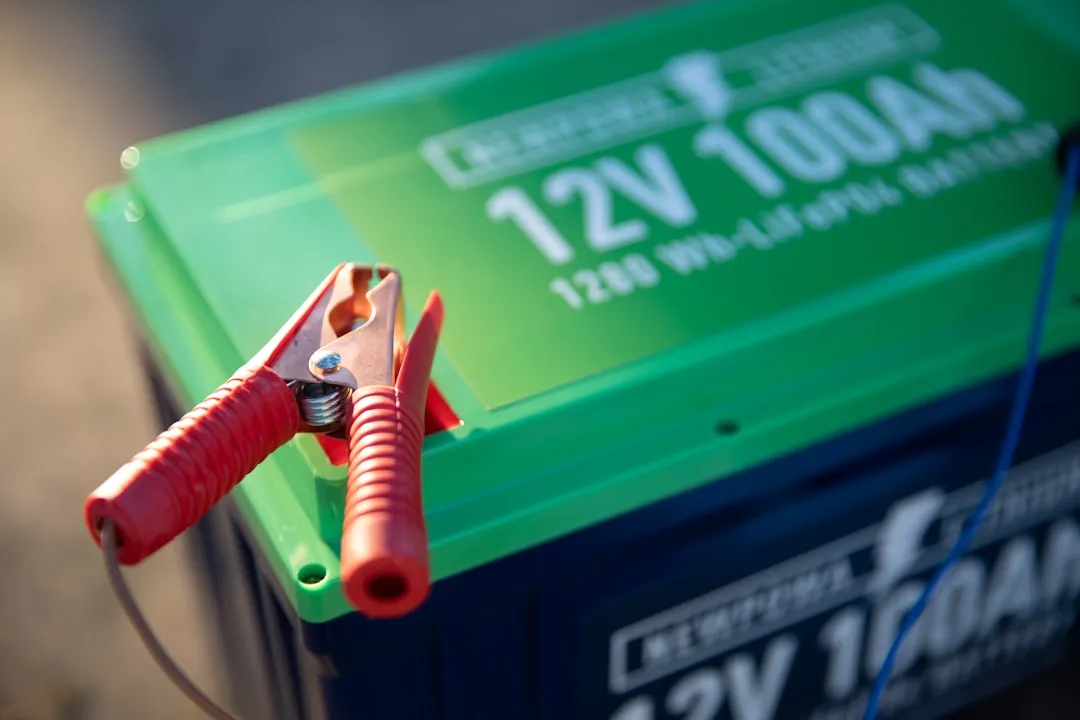
Frequent short trips under 15 minutes can shorten battery lifespan by preventing a full recharge. Many urban drivers unknowingly fall into this pattern, running quick errands and assuming those brief drives are enough to keep the battery healthy. They’re not.
Short trips may not allow your battery to fully recharge, which can lead to gradual performance loss. Taking a drive of at least 20 minutes once a week encourages a complete recharging cycle, a practice proven to help extend battery life. According to AAA, batteries benefit from charging at higher voltages, which typically occurs during longer drives, and short distances often lead to incomplete charge cycles that result in battery degradation over time.
Parking in Extreme Heat
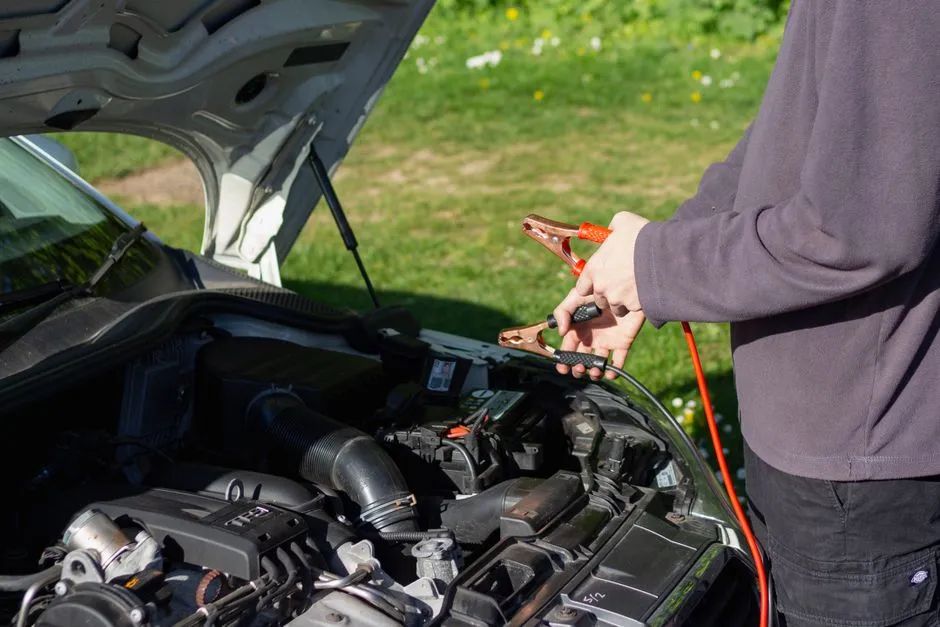
Heat can harm the battery even when you aren’t driving. Parking in the shade or in a garage whenever possible genuinely helps. This is one of those things that sounds almost too simple, but the science behind it is solid.
High temperatures, especially those above 35°C, can reduce battery performance by as much as 30 percent. Excessive heat accelerates internal chemical reactions, which shortens the overall lifespan. High temperatures accelerate internal chemical reactions, causing electrolyte evaporation and damaging lead plates, which reduces the battery’s charge capacity and leads to increased corrosion. Parking in direct sun, day after day, is a slow form of battery damage that most drivers never connect to their eventual dead battery.
Aftermarket Accessories Wired Incorrectly
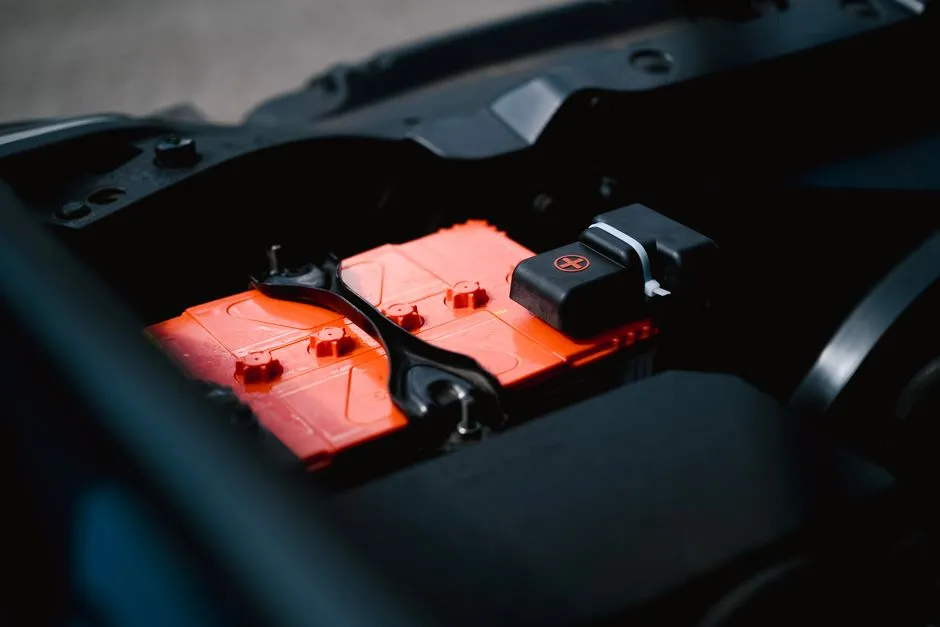
Amplifiers, dash cams, remote starters, aftermarket alarms, and GPS trackers all require power. When installed correctly, they draw from a switched circuit that turns off with the ignition. When installed incorrectly and wired directly to a constant power source, they draw continuously even with the car off. This is one of the more hidden causes of a drained battery, because everything appears to be switched off from the driver’s perspective.
Anything added to a vehicle, like stereos, remote starters, or alarm systems, has the potential to cause parasitic drain if installed improperly. If you’ve had accessories installed and started noticing battery issues shortly afterward, that connection is worth investigating with a qualified mechanic. A multimeter can measure current draw with the engine off, and if it’s above 50 milliamps, pulling fuses one at a time can help identify the faulty circuit.
Electronic Control Modules That Won’t Sleep
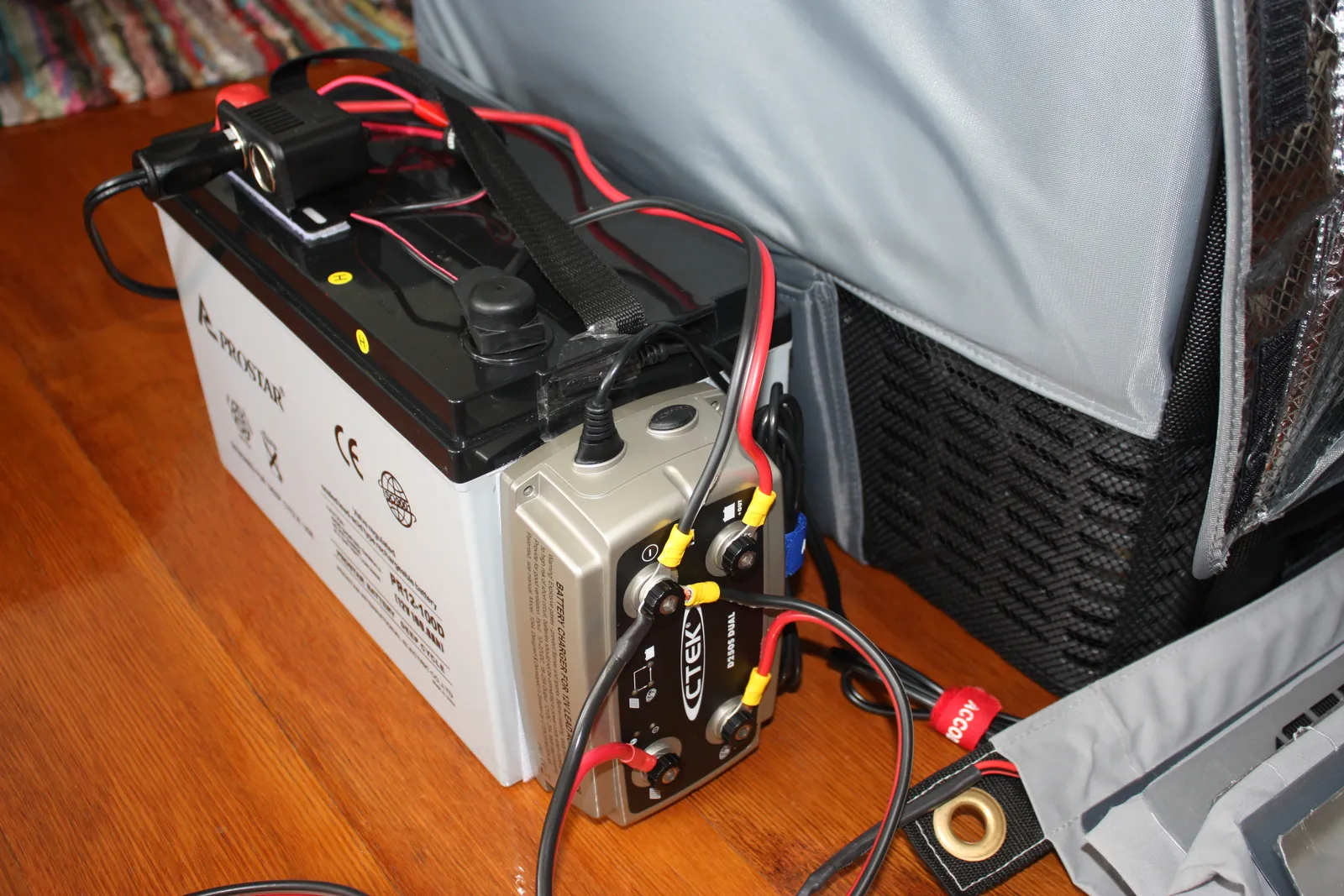
Modern vehicles have dozens of electronic control modules, and any one of them can malfunction and fail to enter sleep mode after the ignition is off. Common offenders include the body control module, the infotainment system, the Bluetooth module, and telematics units. These failures are harder to diagnose because the car seems completely normal from the outside.
A module stuck in active mode can draw 100 to 300 milliamps by itself, which is well above the acceptable range for parked vehicle drain. Parasitic draw is a growing problem with newer vehicles due to their increasing complexity and the presence of computer modules. Because of this, most modules are programmed to enter a sleep state shortly after the ignition is turned off or the vehicle is locked, to ensure the battery maintains enough charge to start the engine. When that sleep function fails, the drain is relentless.
Ignoring Battery Sulfation from Chronic Low Charge
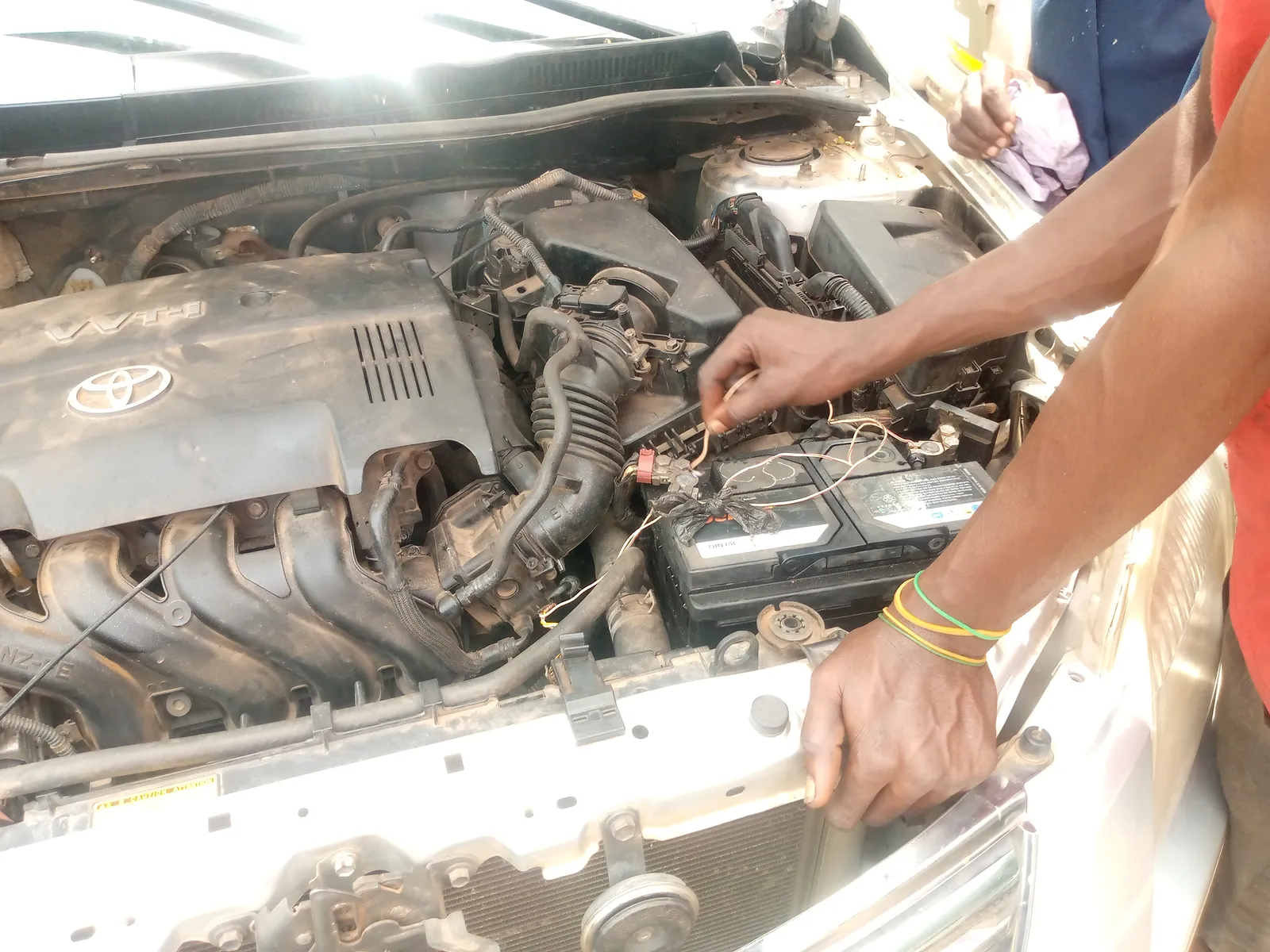
Even normal parasitic drain puts wear and tear on a battery. If a battery drops below 12.4 volts, sulfation begins to set in. Sulfation is a buildup of lead sulfate crystals that occurs when a battery is deprived of a full charge, and sulfate materials crystallize on the discharged portions of the battery plates, damaging the battery.
This is the compounding cost of all the habits above. Each time your battery sits partially drained and never gets a full recharge cycle, sulfation progresses. Most car batteries last between three and five years, but their actual lifespan depends on how they’re used and maintained. Extreme temperatures, frequent short trips, and general everyday use could shorten the life of your battery to two to three years. The gap between those outcomes is almost entirely determined by parking and driving habits.
How to Protect Your Battery Going Forward
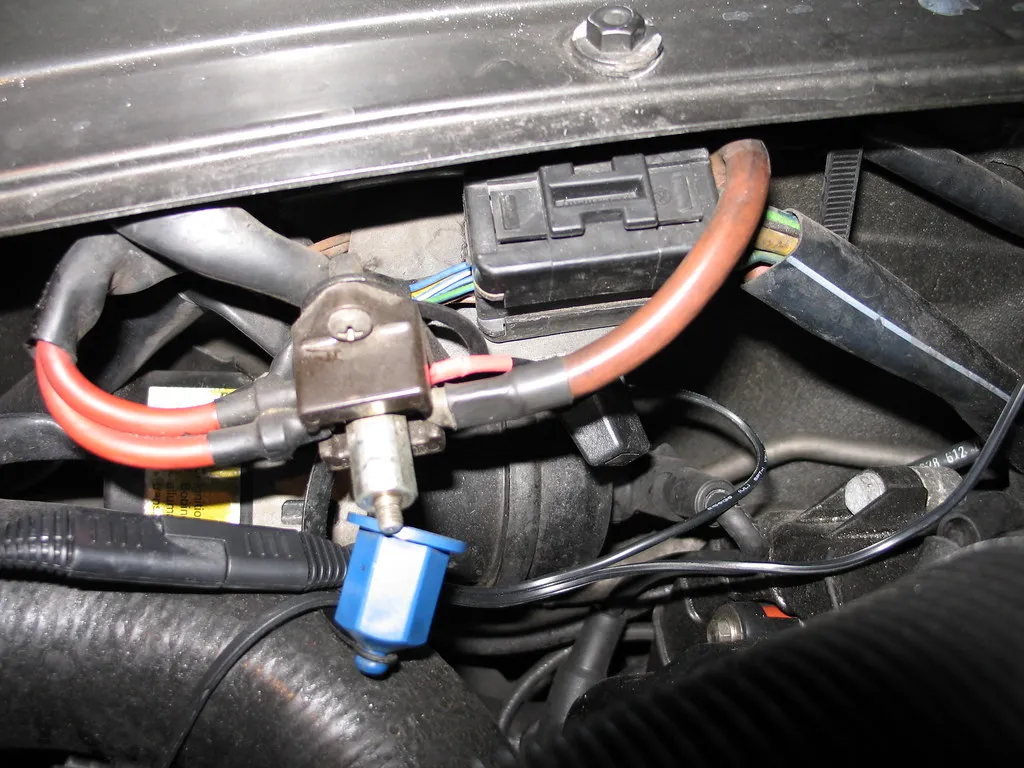
The good news is that most of these issues are fixable without spending much money. Taking your car for a 15-minute drive at least once a week helps ensure the battery gets recharged fully. Cleaning corrosion from terminals and using a battery maintainer for parked vehicles can extend battery life significantly.
A battery maintainer or trickle charger keeps the battery charged without overloading it, making it a solid investment for anyone who parks for extended periods. To minimize parasitic load, unplug non-essential devices and have your vehicle inspected if you notice battery issues happening more than once. Small corrections in your parking routine, made consistently, can easily add a year or more to your battery’s working life.
The Takeaway
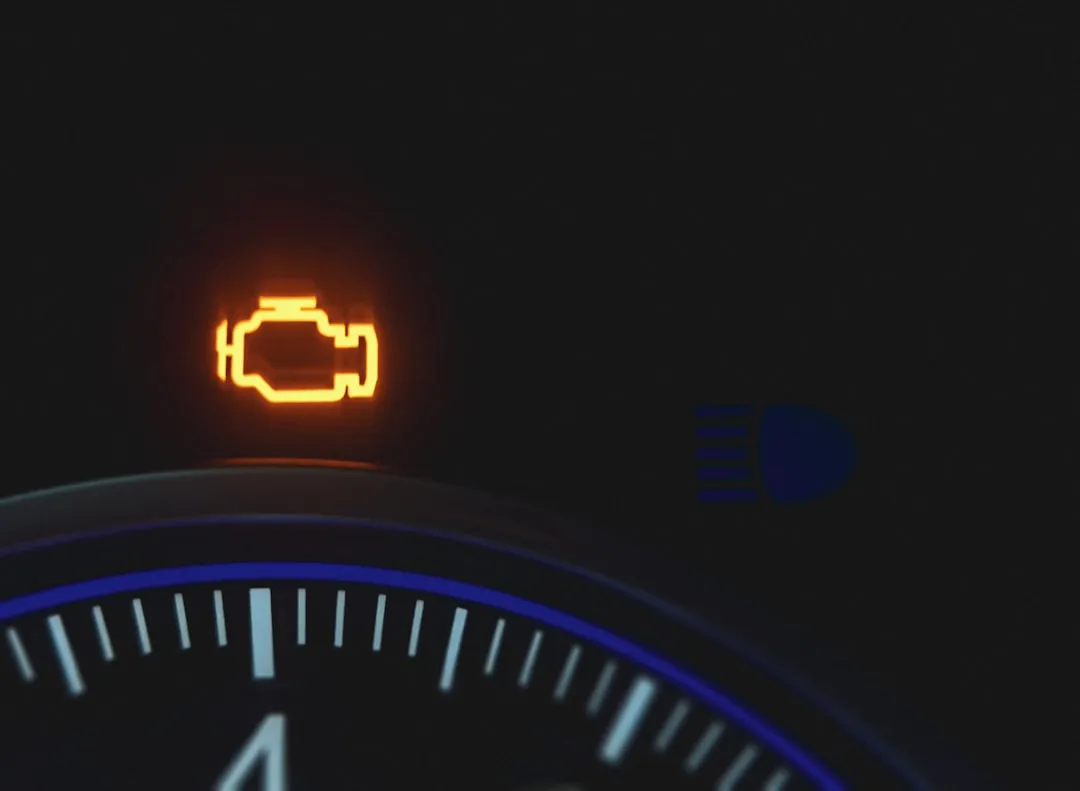
A dead battery rarely happens without warning. More often, it’s the result of weeks or months of small habits layered on top of each other: a plugged-in charger here, too many short trips there, a door left slightly ajar, and a car sitting in the sun all afternoon. None of these feel dramatic. Together, they quietly hollow out your battery’s capacity until one morning it simply won’t start.
The fix isn’t complicated. Drive regularly, park smart, unplug what you’re not using, and have your battery tested at least once a year. A failing battery often shows warning signs such as slow engine cranking, dim headlights, frequent jump-starts, a dashboard battery warning light, and corroded terminals. Catching those signs early, rather than waiting for a full failure in a parking lot, is almost always the better outcome.
AI Disclaimer: This article was created with the assistance of AI tools and reviewed by a human editor.