

The Scale of the Problem: What Banks Actually Collect

The raw revenue numbers are hard to ignore. Consumers paid an estimated $12.1 billion in combined overdraft and NSF fees in 2024. That figure includes credit unions, which have historically flown under the radar when it comes to public scrutiny of fee collection.
JPMorgan alone collected $815 million in overdraft-related revenue for the first nine months of 2025, roughly $58 million more than it collected during the same period in 2024. These are not abstract figures. They represent individual charges of roughly $35 each, stacking up across millions of accounts.
Racial disparities in overdrafting are notable too: roughly a quarter of Black Americans paid an overdraft fee in 2025, compared to about eight percent of white adults. The burden is not evenly distributed, which makes knowing your reversal rights even more consequential.
The Courtesy Reversal: A Policy Banks Rarely Advertise

About 40 percent of overdraft fees are refunded when customers call and ask for a reversal, yet most people have no idea this is even an option. Banks have internal courtesy policies that front-line representatives can apply, typically once or twice per year per customer.
Banks refund overdraft fees approximately 60 to 70 percent of the time when customers call and ask, especially for first-time occurrences. That success rate is remarkably high for something that requires almost no effort from the customer’s side.
Some major banks, including Chase, Wells Fargo, and Bank of America, have policies allowing one to two courtesy reversals per year. These policies exist in internal training materials and customer retention guidelines but are rarely mentioned proactively by staff.
Which Fees Are Actually Reversible

Fees most likely to be waived include overdraft fees, especially on a first offense, ATM fees if you used an out-of-network machine by mistake, and monthly maintenance fees if you narrowly missed a balance requirement. These are the three categories worth targeting first.
If you accidentally let your account balance slip beneath the minimum needed to avoid a monthly maintenance fee, your bank may agree to refund the fee as a one-time courtesy. This is particularly common at larger retail banks with long-standing customer relationships.
Fees that are rarely waived after the fact include wire transfer fees, foreign transaction fees, and paper statement fees once accumulated. Knowing which battles are worth picking saves time and keeps your relationship with the bank on solid ground.
What Individual Banks Will Actually Do

Chase offers one to two courtesy reversals per year and charges no fee on overdrafts under five dollars, with a maximum of three fees per day. Bank of America caps overdraft fees at ten dollars with no fee under five dollars and typically offers two courtesy reversals. Wells Fargo charges no overdraft fee on shortfalls of five dollars or less and provides a 24-hour grace period.
Citizens’ clients can reverse overdraft fees if they deposit or transfer funds into an overdrawn account prior to the close of business the following day. That kind of grace window is something most customers only discover after the fee has already hit.
Bank of America stands out for its ten-dollar overdraft fee, which it lowered from thirty-five dollars back in 2022. The landscape has shifted meaningfully at the big banks, even if the changes haven’t been loudly announced to existing account holders.
How to Ask: Timing and Approach Matter

It’s possible to get overdraft fees waived at many financial institutions. The most direct approach is to contact your bank’s customer support department or speak with a bank teller directly to request a refund. Phone calls tend to work better than online chat because a live conversation gives you more room to explain context.
You’re more likely to get a fee waived if you have a long-standing relationship, higher balances, or multiple accounts. Banks weigh retention when making these decisions, and a customer with a five-year history carries more weight than a new account holder.
As soon as the fee posts to your account, that’s your cue to pick up the phone. Waiting a week or two makes it harder to argue the charge was unexpected, and some internal windows for courtesy adjustments may close.
What to Say When You Call

Explaining what caused your account to overdraft, such as a delayed deposit or an automatic payment that cleared earlier than expected, strengthens your case considerably. Representatives hear vague complaints all day. A specific, honest explanation is disarming and often more effective.
Jot down the exact fee you want reversed, along with the posting date and your reasoning. Also note the representative’s name, date and time of your call, and details of the conversation in case follow-up is needed. This level of preparation signals to the rep that you’re serious and organized, not just venting frustration.
If the first representative says no, you can request to speak to a supervisor or a member of the customer retention team, who may have more flexibility in granting fee waivers. Retention teams in particular are trained to preserve customer relationships and often have broader authority to approve reversals.
The Monthly Maintenance Fee You May Not Have to Pay

The average monthly maintenance fee has hit a record high of $13.51, which adds up to more than $162 per year. For many households, that is a meaningful sum being quietly drained without much thought.
Whether you’ve been surprised by an overdraft fee or missed the criteria for a monthly maintenance fee waiver, your bank may offer flexibility with fees if you ask for it. Banks often have internal waiver codes for customers who narrowly miss minimum balance thresholds or miss a direct deposit in a given month.
Direct deposit or maintaining a minimum balance eliminates more than 70 percent of maintenance fees, according to FDIC data. If you can’t meet the threshold, calling and simply asking for a one-time waiver while you adjust your finances is a reasonable and frequently successful approach.
ATM Fee Refunds: An Overlooked Option
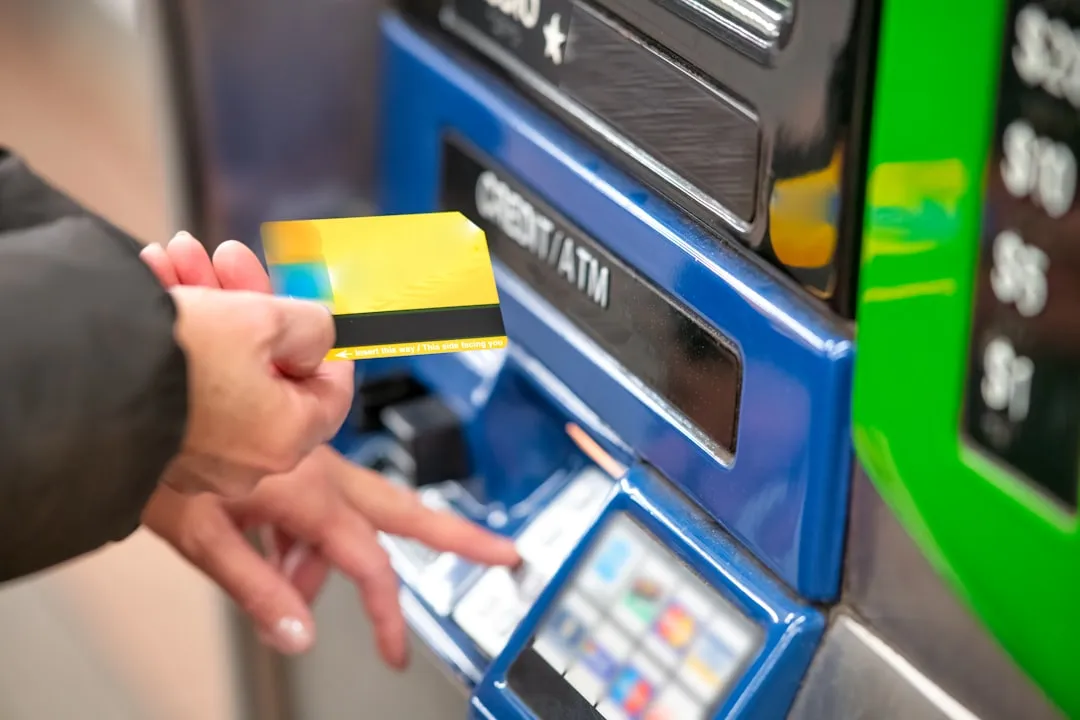
The owner of an ATM along with your own bank might charge a fee ranging from two to three dollars and fifty cents per withdrawal when you use an out-of-network machine. These small charges accumulate quickly, especially for people who travel frequently or live in areas with limited in-network ATMs.
Some banks already refund ATM fees automatically. Ally refunds up to ten dollars per month, Charles Schwab reimburses all ATM fees worldwide, and Axos Bank refunds up to eight dollars per month. If your current bank doesn’t offer this, it’s worth asking whether a one-time refund is possible after an accidental out-of-network withdrawal.
Making a quick call to your bank might help you get a fee waived or refunded, especially if you’re a long-time customer or made a one-time mistake. ATM refunds are among the lower-stakes requests, which makes banks more likely to agree without much resistance.
The Regulatory Context: What Changed and What Didn’t

In December 2024, the Consumer Financial Protection Bureau issued a rule that would have capped overdraft fees at large banks to five dollars. It was a significant consumer protection move that generated considerable attention across the financial press.
Congress rescinded the rule in April 2025, so banks can continue to charge high fees for overdrafts. That reversal returned the regulatory landscape to roughly pre-reform conditions, despite billions in projected consumer savings being on the table.
Notably, some national players charge no overdraft fees at all, including Capital One, Citibank, American Express, and Ally Bank, and none of the top 20 banks currently charges NSF fees. The market has shifted in patches, and understanding where your bank stands is the first step toward knowing what leverage you actually have.
Switching Banks as a Last Resort
Traditional banks use fees as a significant revenue source and to encourage certain behaviors like maintaining high balances. Online banks, with lower overhead costs, often eliminate most fees entirely to attract customers. The difference in total annual cost between a traditional checking account and an online alternative can be substantial.
Because they don’t have physical branches, online banks are more likely to charge lower fees or waive them altogether. Credit unions, as nonprofit institutions, are also good places to look for low or no-fee accounts. Both options are worth considering if repeated reversal requests aren’t gaining traction.
No or low monthly fees are the top reason consumers stay loyal to a bank, cited by nearly one in five respondents in consumer surveys. Long-standing account history is nearly tied, with a similar share keeping their account simply because it’s the one they’ve always used. Inertia is powerful, but it’s costing many households real money every year.
The Takeaway

The fee reversal most customers don’t know they can request is not a loophole or a secret program. It’s a standard internal option that exists at virtually every major retail bank, waiting quietly for someone to ask. Banks refund fees far more often than most customers realize. A simple phone call gets overdraft fees reversed 60 to 70 percent of the time, and most maintenance fees can be permanently eliminated.
The math is simple. A single two-minute call has a real chance of recovering $35 or more. Over a year, for a household that runs into fees periodically, that adds up to a meaningful amount. The banks are unlikely to start advertising this option anytime soon. That leaves the ask entirely up to you.
AI Disclaimer: This article was created with the assistance of AI tools and reviewed by a human editor.