
Bear Populations Have Grown Dramatically
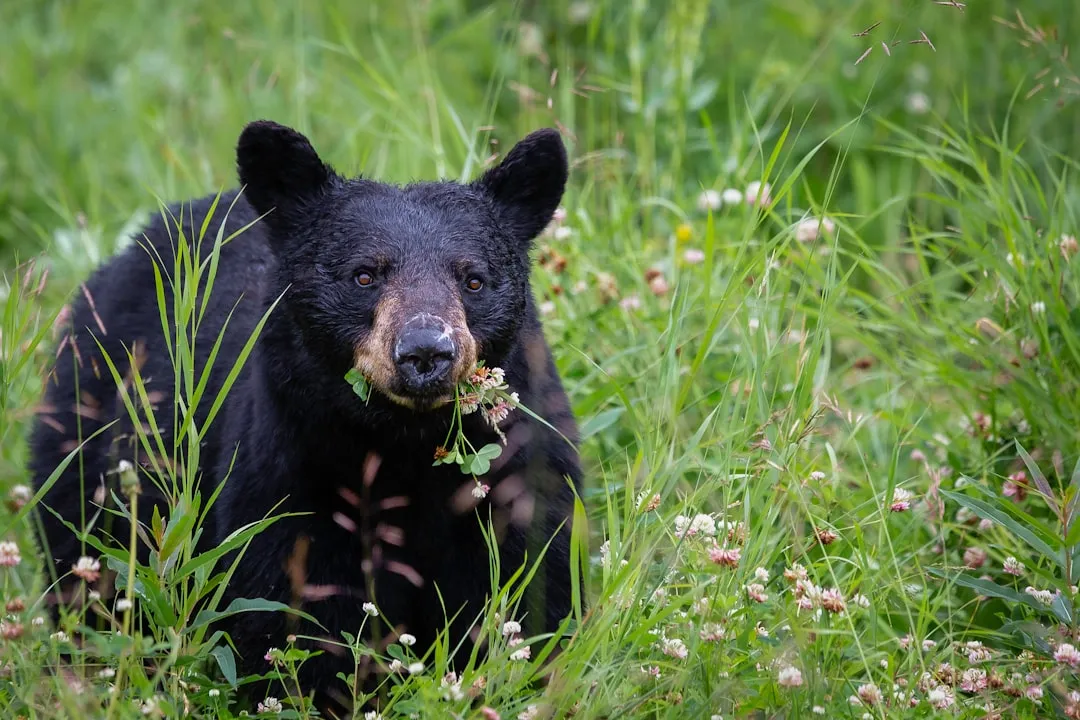
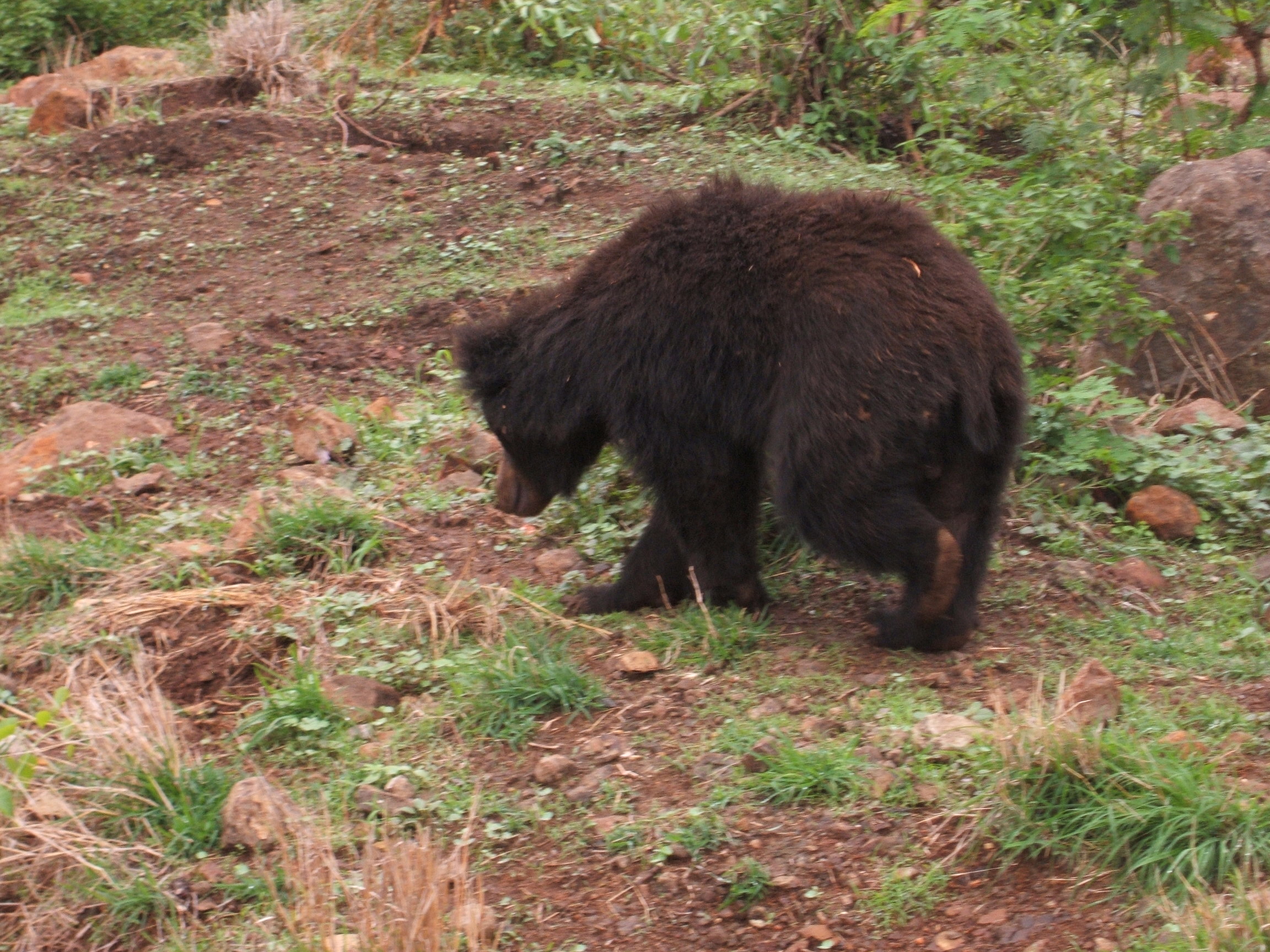
The simplest starting point is raw numbers. More bears means more bears going places. California’s black bear population surged by roughly 45% over a single decade, growing from an estimated 35,101 bears in 2014 to approximately 65,405 by 2024. That kind of growth compresses territory and pushes younger, subordinate bears outward in search of space and food.
Vermont’s black bear population reached a record high, far exceeding the state’s target range of 3,500 to 5,500 animals. By 2024, the actual count stood between 6,800 and 8,000. Similar patterns have played out in Pennsylvania, North Carolina, and Connecticut.
North Carolina’s black bear population has more than quadrupled over the past two decades to an estimated 20,000 bears statewide. Conservation efforts that were once considered a success story are now producing tensions that wildlife managers didn’t fully anticipate.
Suburban Sprawl Is Eating Into Bear Country
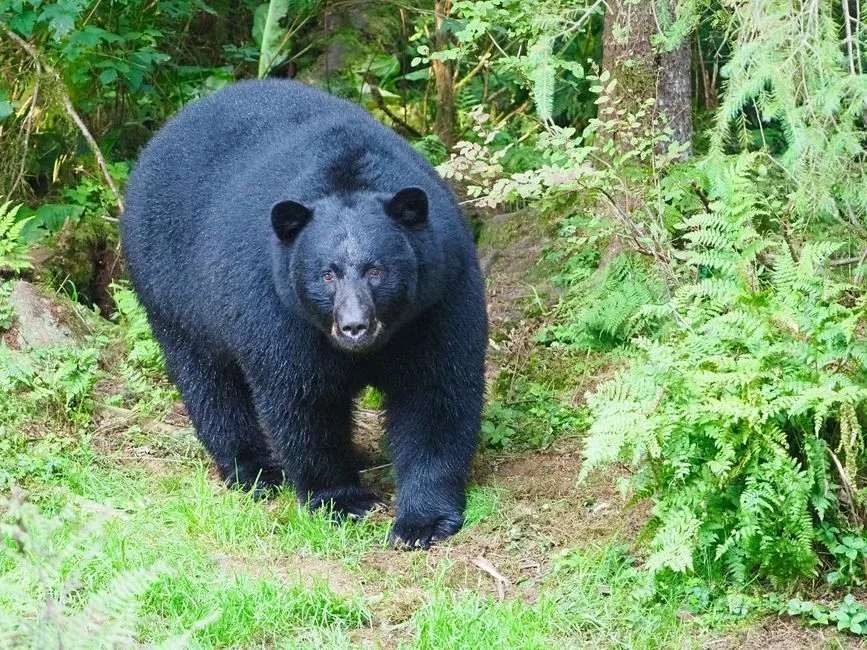
Black bear habitat is disappearing due to unprecedented rates of suburban and urban growth. Because of habitat loss, bears increasingly find themselves in ex-urban areas, which can result in conflicts with humans and high levels of bear mortality. The land doesn’t disappear for bears all at once. It fragments gradually, leaving patches of forest surrounded by cul-de-sacs and parking lots.
The range expansion of American black bears and ongoing residential development has resulted in a growing presence of bears in suburbia. Suburban landscapes exhibiting patchworks of variable-sized parcels and habitats, owned by landowners with diverse values, can create large areas of suitable habitat with limited public access.
As forests and wild lands are replaced by cities and suburbs, bears find their natural homes diminishing. This push factor, combined with the attractive pull of accessible food sources in urban areas, explains why bears are increasingly found near human populations. The suburbs, in this sense, are both the cause and the destination.
Bears Are Opportunists, and Suburbs Are Full of Opportunities
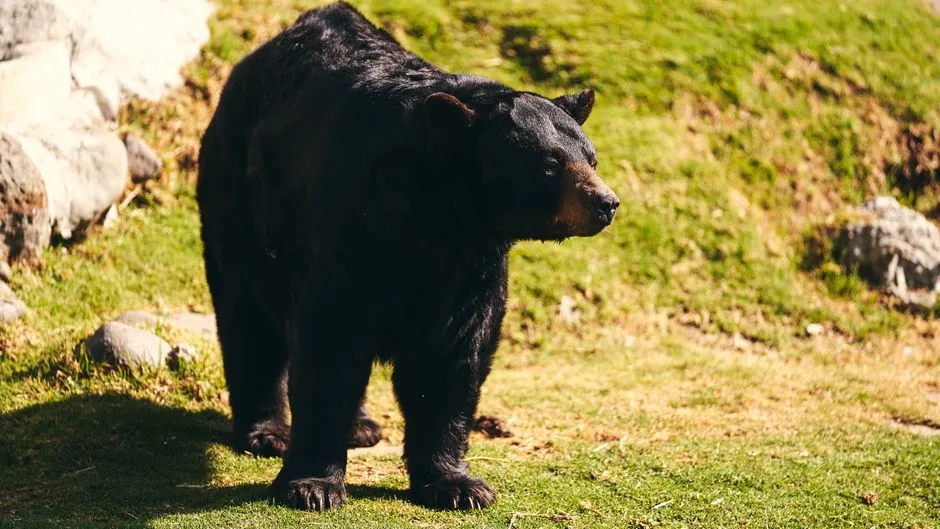
Suburban neighborhoods inadvertently provide a variety of food sources, such as garbage bins, bird feeders, compost piles, and pet food left outdoors. Attracted by these easily accessible food supplies, bears venture into these areas more frequently. For an animal with one of the most powerful noses in the natural world, a trash bin two streets over might as well be a billboard.
Black bears in North America are an excellent example of a large carnivore that can exploit human resources in urban areas, leading to increased conflict. They are opportunists and respond to scarcity of resources by expanding their home ranges and food sources, showing considerable behavioral flexibility.
Encounters tend to be highest where three factors overlap: growing bear populations, expanding human development, and easy food sources. Remove any one of those three and the problem shrinks. Right now, all three are intensifying at once.
California’s Urban Bear Problem Is Already Here

California’s black bear population is estimated at approximately 60,000, with about 1,631 bears residing in the Bay Area alone. That’s not a rural wildlife statistic. That’s a metro area number.
The black bear’s range throughout California now encompasses around 40% of the state’s surface area, a one percent increase since 2009. Evidence suggests this range is expanding into more densely populated western counties, which accounts for the rising number of bear sightings.
The growing overlap between black bears and people is causing increased community concern in Southern California’s foothill suburbs, such as Arcadia, where bears are often seen feeding on trash or wandering the streets. Southern California sits where steep mountain habitat meets dense neighborhoods, and black bears move between the two with surprising ease.
Colorado Bear Encounters Hit Record Levels
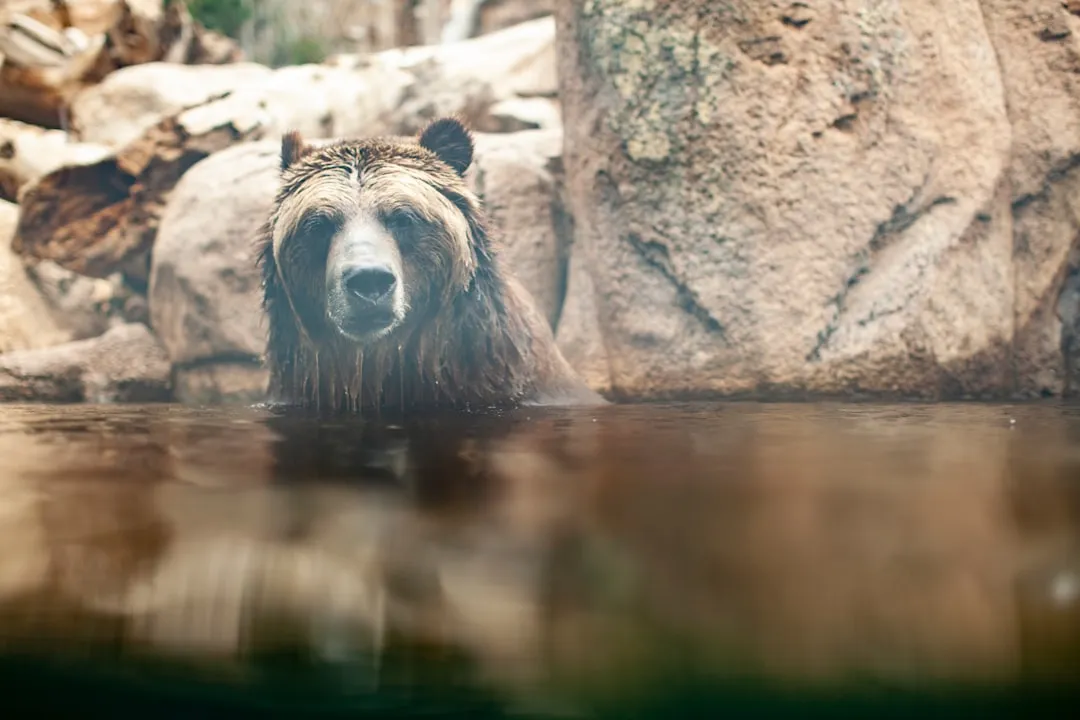
In Colorado State Parks, bear encounters hit a peak of 52,999 in 2025. That figure alone signals something systemic, not just a bad season for wildlife managers. Colorado has long tracked human-bear conflict, but these numbers are well beyond historical norms.
Extreme drought conditions reduce the availability of berries and acorns for bears to feed on. Wildfires further reduce natural foods. Colorado Parks and Wildlife has noted that high numbers of human-bear encounters should be expected as a new normal, as climate change and habitat loss continue to exacerbate conflicts.
The drought-driven food scarcity essentially forces bears to improvise, and human neighborhoods offer a predictable, calorie-dense alternative to the wild foods that failed them.
Connecticut: Bears in Nearly Every Town
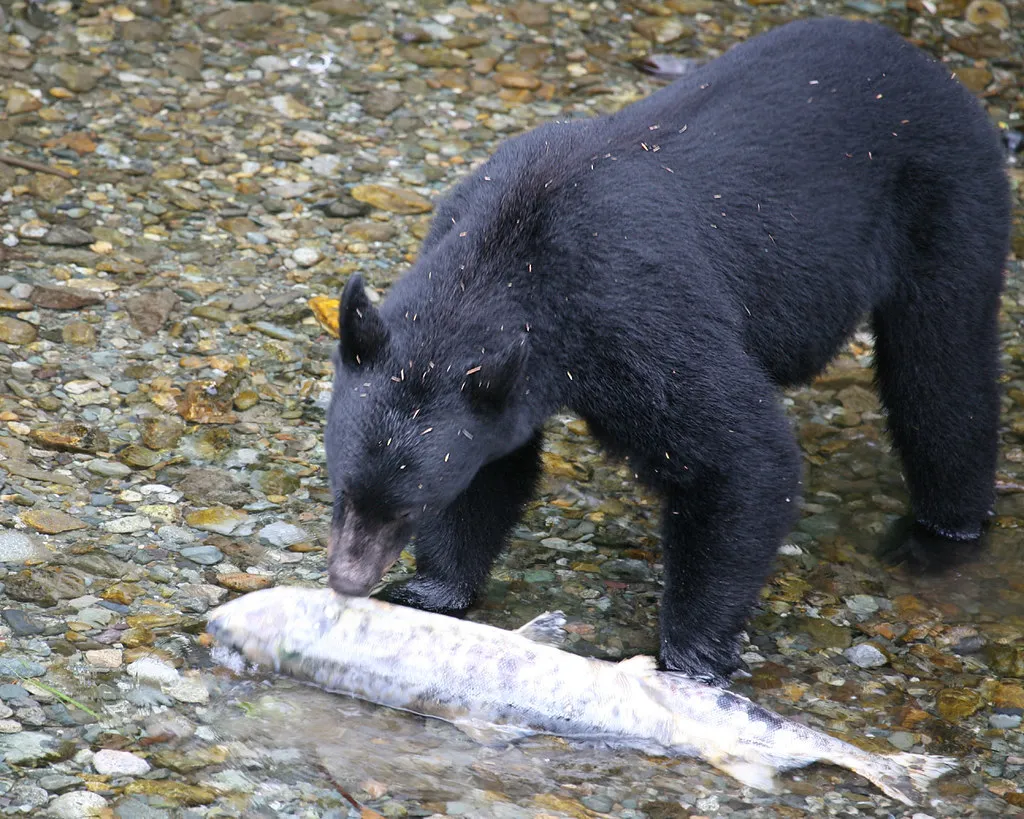
The number of black bears in Connecticut continues to rise, expanding into more communities and triggering a growing number of conflicts with humans. The 2025 “State of the Bears” briefing outlines management efforts for a population estimated between 1,000 and 1,200 animals.
In 2024, bears were reported in 159 of Connecticut’s 169 towns and cities. Sightings of females with cubs, which indicate established breeding populations, were confirmed in over 89 towns. Over the past three years, mothers with offspring have been reported in 117 municipalities, showing the continued geographic expansion of the state’s breeding bear population.
The report documented more than 3,000 human-bear conflicts in 2024 alone, a number that has been steadily increasing since 2015. State officials have noted plainly: as the population expands, interactions between humans and bears will increase.
Urban Bears Grow Faster and Reproduce Earlier
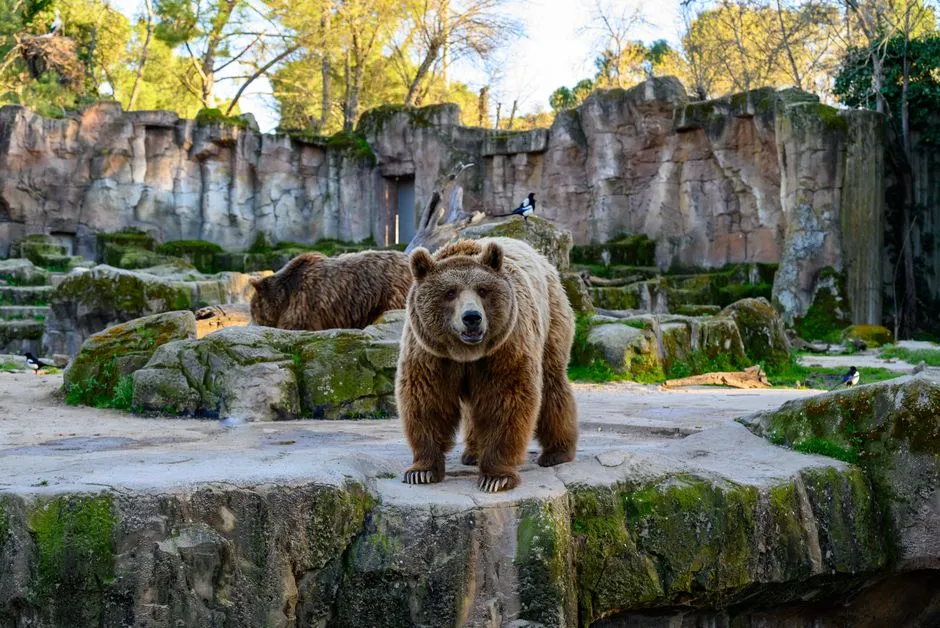
One of the less obvious drivers of this problem is what urban food does to bear biology. Research from the NC State Urban/Suburban Black Bear Study has turned up a striking pattern. Bears living in suburban areas are breeding at a much younger age than rural bears because they’re growing and maturing faster. Some urban bears around Asheville have reached twice the body size of rural bears of the same age in their first one to two years.
Urban yearling females weigh significantly more than yearling females from rural study sites, and two-year-old urban females have been found to produce cubs, while no two-year-old rural females do the same. This earlier reproduction may be linked to the permanence of food sources associated with urban environments.
That means the population is growing twice as fast as it would in a natural setting. Urban environments are, in a real sense, acting as incubators for accelerating bear population growth in ways that compound the broader range expansion problem.
Climate Change Is Disrupting Natural Food Cycles
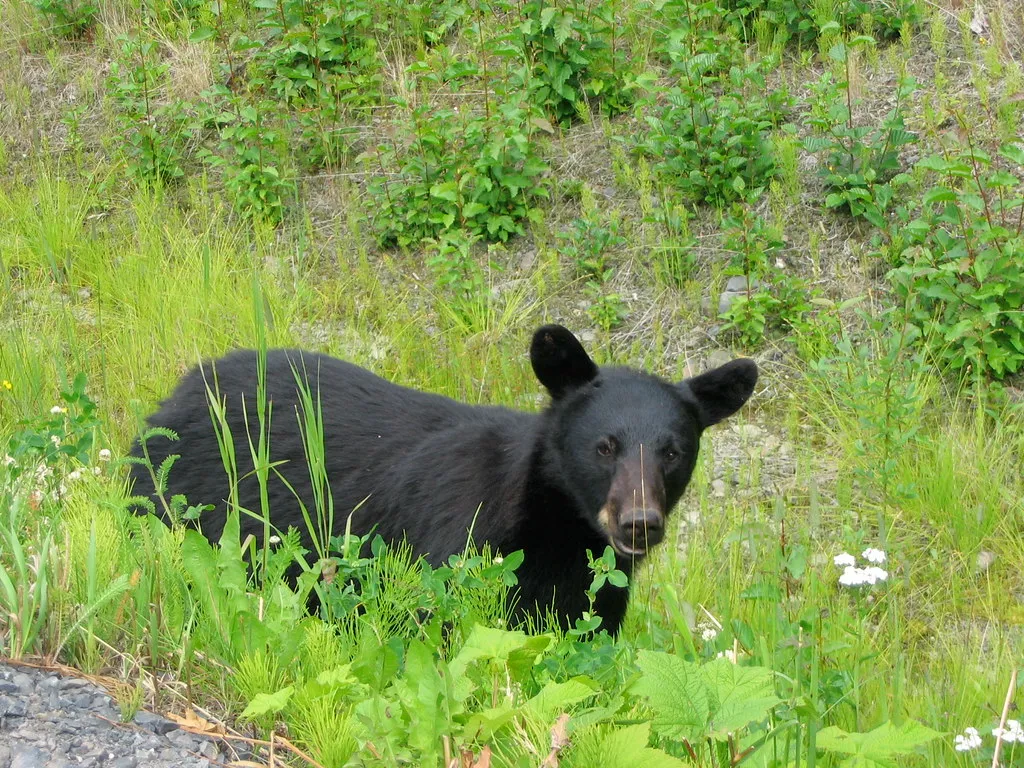
Climate change may especially affect hibernating species such as black bears because changing temperatures impact food sources and biological responses. When natural food cycles shift, bears that would normally be well-fed in the wild are left short. That gap pushes them toward human areas.
Warmer temperatures can affect the timing of berry production, an essential food source for bears preparing for hibernation. A delayed or reduced berry crop in late summer can be enough to send bears toward neighborhoods well before winter.
Habitat loss and climate change have increasingly driven bear populations to rely on human-provided food sources, such as garbage and other refuse. This isn’t a choice bears make so much as a compulsion shaped by food scarcity they have no control over.
Bears Are Learning, and They’re Passing That Knowledge On
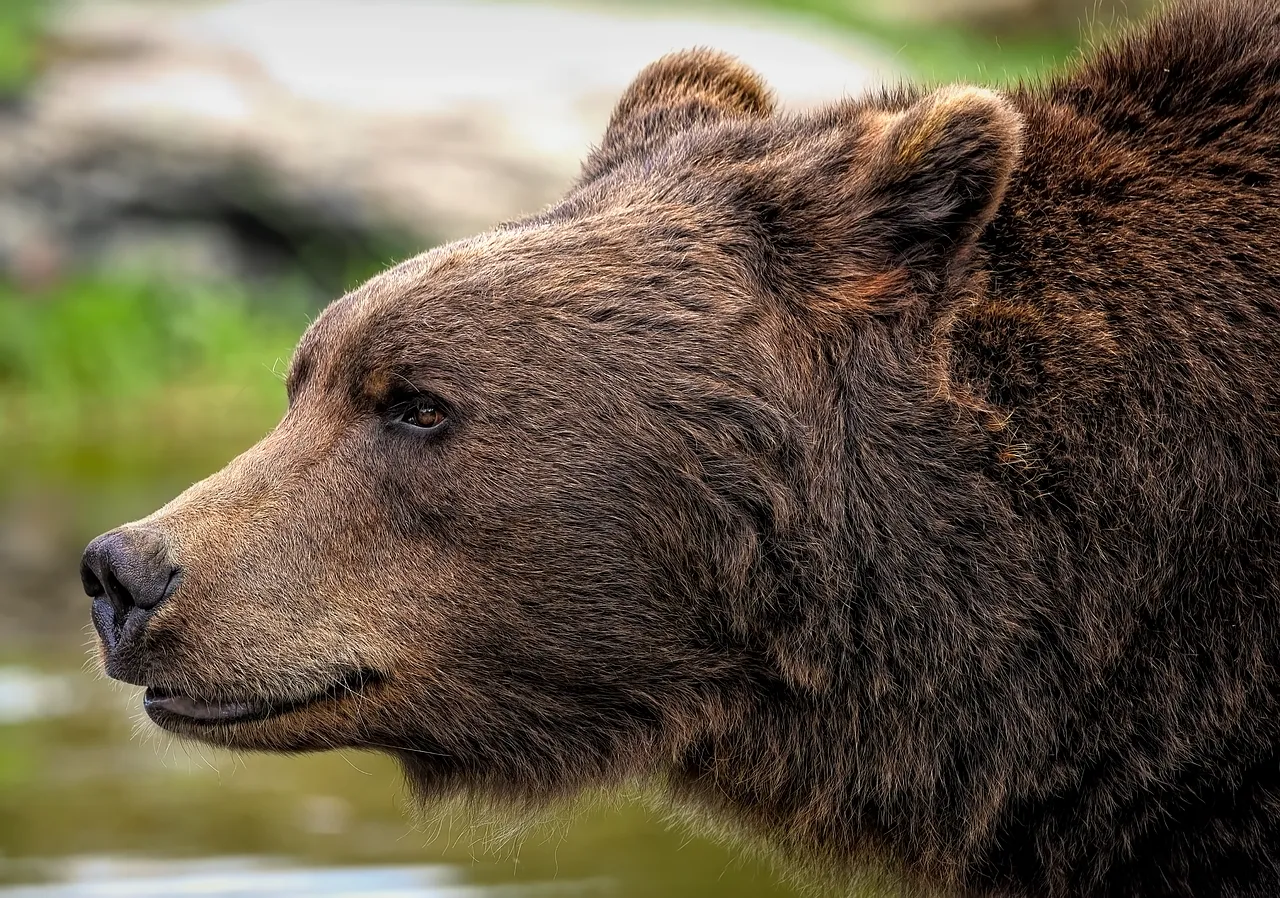
Behavior matters as much as population size. Bears that successfully find food in a neighborhood don’t just come back themselves. They teach their cubs where to look. Over generations, this produces bears that are functionally comfortable in human spaces in ways their grandparents were not.
GPS data from tagged bears has shown that most bears maintain large home ranges that can include rural, suburban, and even urban areas. Tagged animals demonstrate overlapping territories, especially in areas with easy access to human-related food. The movement data makes clear these aren’t random wanderings. They’re learned routes.
Black bears have a wide home territory, and the same bear could be spotted in several different towns. Male bears, which can weigh up to 550 pounds, typically have a larger territory than female bears and can roam across an area up to 60 square miles. A single bear can cover a surprising amount of suburban ground in a single night.
The Problem Is Global, Not Just American
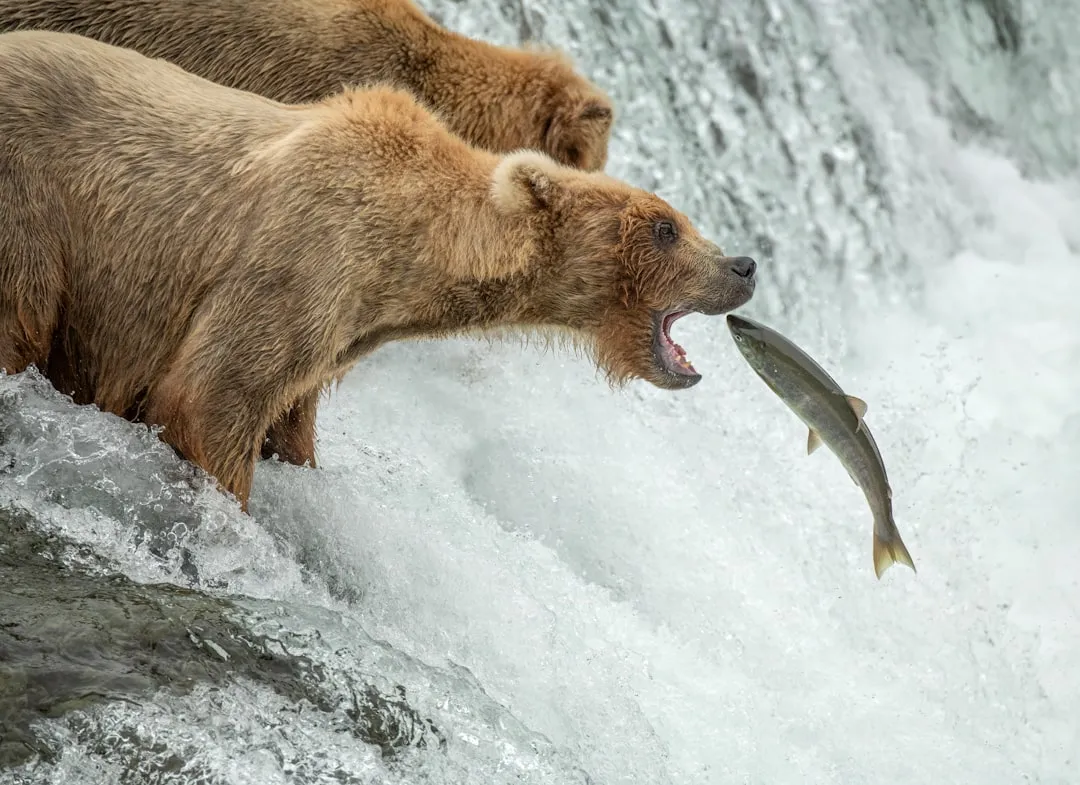
It would be easy to frame this as a uniquely American land-use problem, but the pattern is playing out across multiple countries. The problem spans the globe. In 2025, Japan experienced a record 235 bear attacks that resulted in 13 fatalities, according to the country’s environment ministry. Japan’s rural depopulation has left forests edging closer to shrinking towns, creating a mirror image of the American suburban expansion problem.
Bear sightings have increased in most areas of the United States and Canada over the last five years, according to data from the International Association for Bear Research and Management. The underlying dynamics of habitat compression and food availability are not geography-specific.
As suburban areas expand and bear populations recover, the line between natural habitat and residential space continues to blur. Bears are not new to these regions, but their visibility has increased. This trend raises genuine questions about safety, coexistence, and how people should respond when wildlife enters everyday spaces.
What Communities Can Actually Do
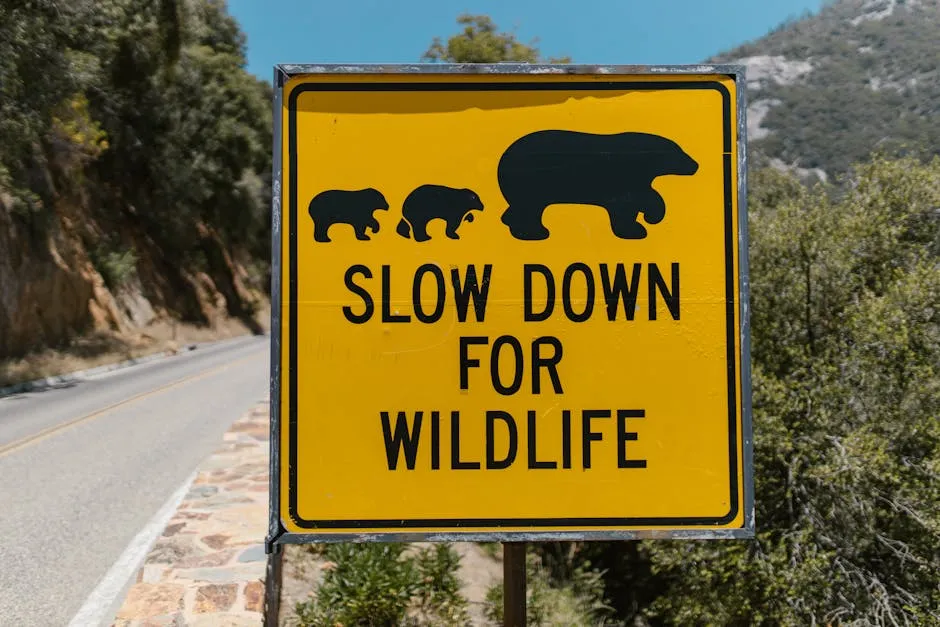
The good news is that research points clearly toward practical solutions, even if they require real community coordination. The Department of Energy and Environmental Protection in Connecticut emphasizes that preventing access to human food remains the most effective way to reduce increasingly common encounters. Securing trash, removing bird feeders during active season, and not leaving pet food outside are unglamorous but genuinely effective measures.
Several states have implemented urban bear management programs to address the issues arising from bears in cities. These programs typically involve a combination of public education, waste management policies, and, in some cases, the relocation of problematic bears to more suitable habitats.
Even as communities reduce attractants and set firmer boundaries, bears continue to move into new areas, often far beyond the places they historically occupied. For instance, the construction of the Wallis Annenberg Wildlife Crossing will expand connectivity between wild spaces, increasing the likelihood of more bears entering the Santa Monica Mountains. Infrastructure decisions shape wildlife movement in ways that outlast any single management program.
The Takeaway
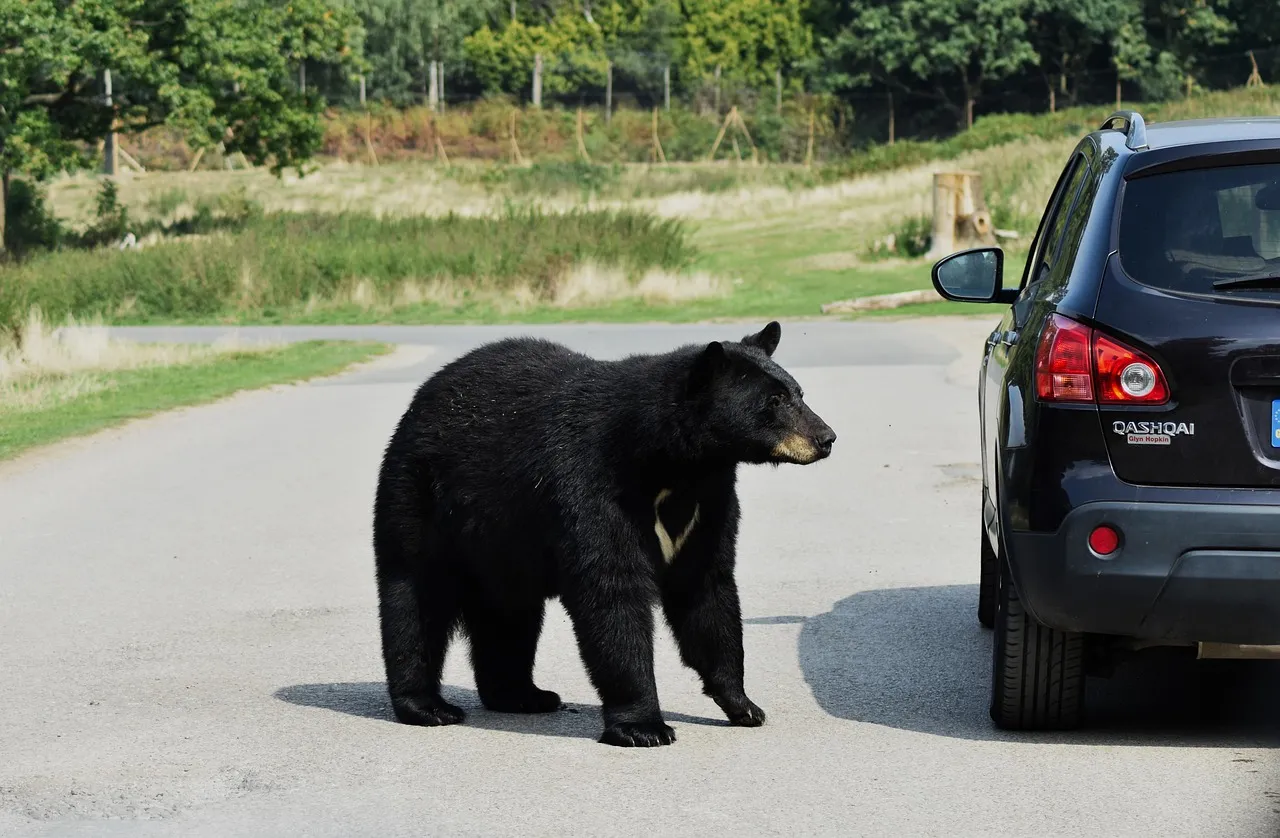
What’s happening with bears in American suburbs isn’t a mystery. It’s the predictable result of population growth, shrinking wild habitat, abundant food in residential areas, and a species that is behaviorally equipped to adapt. The bears aren’t becoming bolder because they’ve grown fearless. They’re responding to conditions that reward proximity to human settlements.
The high bear numbers have resulted in a significant rise in interactions between people and bears, more bears being harvested by hunters, and more bears being killed by vehicles. None of those outcomes are good for bears or for communities. Managing the problem requires honesty about its scale and consistency in the actions that are known to work.
The deeper question isn’t whether this will continue. It almost certainly will. The more useful question is whether neighborhoods, local governments, and wildlife agencies can coordinate well enough to make the edges of this overlap less dangerous for both sides. That’s a solvable problem. It just requires people to take it as seriously as the bears apparently already do.
AI Disclaimer: This article was created with the assistance of AI tools and reviewed by a human editor.