
Laura from Garden Answer recently showed how a single gardener can handle zinnia seeds in two distinct ways on the same day. One approach relied on controlled indoor conditions while the other took advantage of outdoor beds already equipped with irrigation. The demonstration highlighted practical choices that many home gardeners face when space, timing, or garden layout limits options.
Greenhouse Trays Offer Control
Starting seeds indoors gave Laura the ability to manage moisture and temperature closely from the first day. She worked with several zinnia varieties that would later move into a formal flower garden where direct sowing would prove difficult. Paper pots filled with a lightweight seed-starting mix created an even environment that supported quick root development without compaction. She placed two or three seeds in each cell after creating a shallow hole, then covered them lightly and watered gently to avoid displacing anything. The setup allowed daily checks and adjustments that kept conditions steady until the seedlings were ready for transplanting. This method works especially well for gardeners who want a head start or need to fit plants into specific landscape spots later.
Direct Sowing Simplifies Outdoor Beds
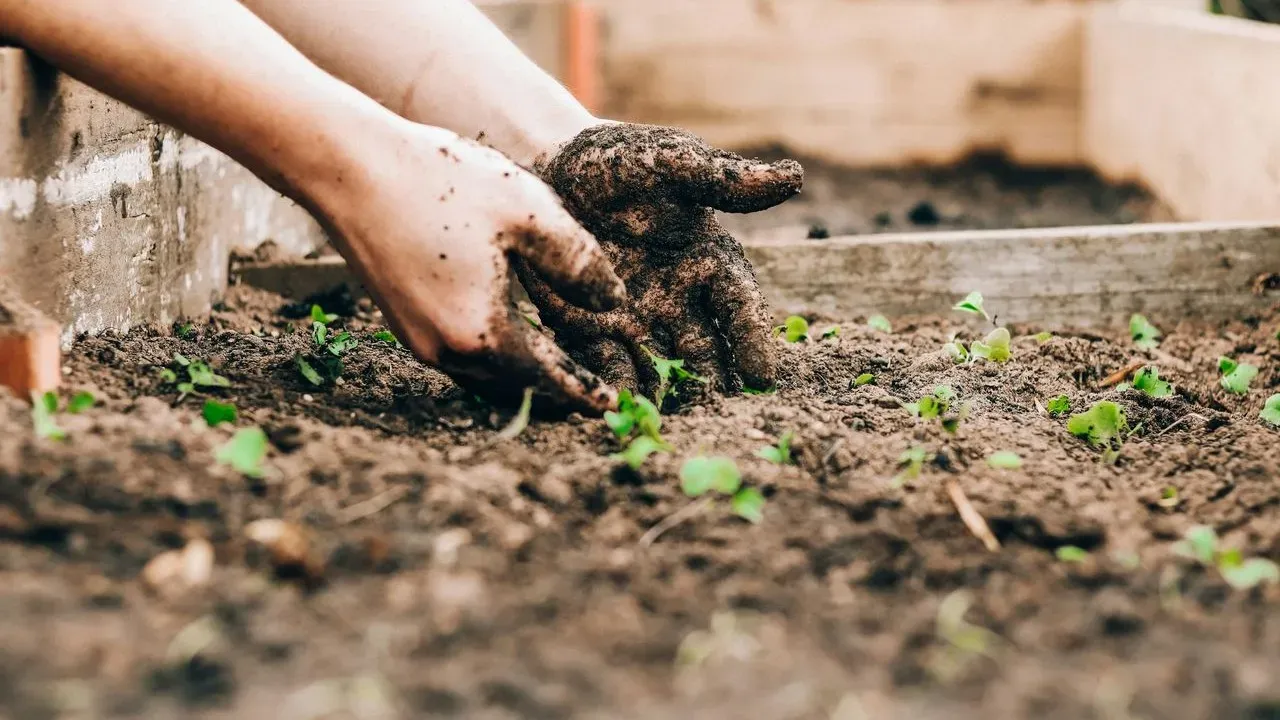
In the raised beds, Laura refreshed the soil first and then created shallow furrows along the existing drip lines. She scattered seeds of Lilliput and Mazurkia varieties directly into the prepared rows before covering them and watering thoroughly. The automatic morning irrigation kept the surface consistently moist, with occasional evening hand-watering added until germination. This route eliminated the need for transplanting and let the seeds adapt immediately to outdoor conditions. It proved efficient for beds that already received regular water, reducing extra labor once the seeds were in place. Gardeners with similar irrigation setups often find direct sowing equally reliable for fast-growing annuals like zinnias.
Evergreens Complete the Planting Day
Laura finished by adding two new evergreen trees to the landscape. A Royal Splendor Norway Spruce and a Mint Truffle Bosnian Pine each received careful site preparation before going into the ground. The process focused on establishing strong roots right away so the trees could settle without prolonged stress. Both evergreens were chosen to add year-round structure and color alongside the summer zinnias. Proper planting depth and soil contact helped ensure the new additions would thrive alongside existing plantings. Such combinations let gardeners layer seasonal color with permanent elements in one project.
Matching Method to Garden Needs
Gardeners can weigh factors like available space, irrigation access, and desired timing when deciding between trays and direct sowing. The greenhouse route provides precision for tricky locations while direct sowing saves steps in prepared beds. Laura’s choices illustrated how both techniques deliver healthy results when matched to the specific conditions at hand. Other varieties she started included Zinderella Peach, Blushing Bride, Aurora, and Ballerina, showing the range possible in a single session. The overall approach emphasized steady moisture and suitable soil preparation as the common threads between methods. Many home gardeners find that combining the two expands what they can grow successfully each season.
AI Disclaimer: This article was created with the assistance of AI tools and reviewed by a human editor.