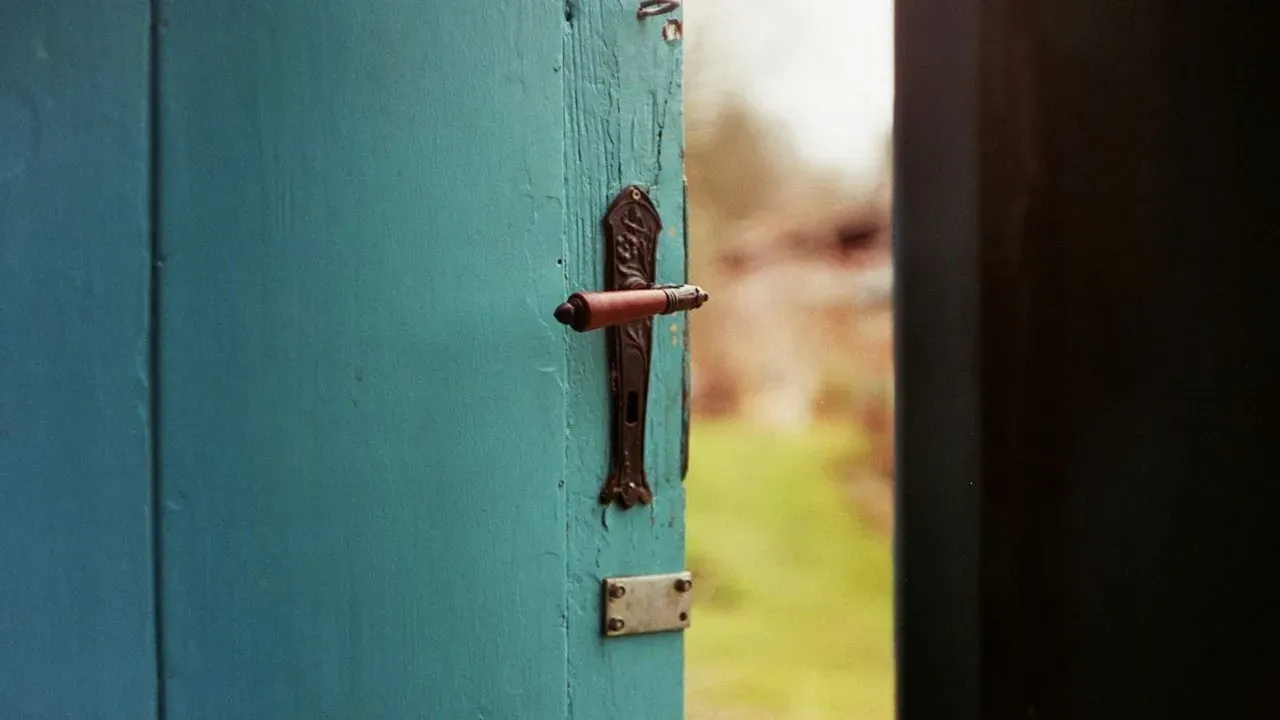

Many homeowners focus on paint colors and lighting when refreshing a space, yet the hardware on internal doors often escapes notice despite constant daily contact. Worn levers, tarnished finishes, and sluggish latches gradually erode the sense of quality in every room. A targeted replacement of these small components offers a low-cost route to a noticeably more polished home environment ([1]).
Daily Interaction Reveals Hidden Wear
Internal doors serve as frequent transition points, and their fittings endure repeated use over years. Chrome flakes, brass darkens, and springs lose tension, creating loose or noisy operation that subtly undermines the overall impression of a room. These mechanical shortcomings accumulate without drawing immediate attention, yet they affect how residents and visitors perceive the entire property.
Upgrading the hardware addresses both appearance and function at once. New lever handles and escutcheons introduce fresh textures and colors that align with current schemes, whether brushed brass, matte black, or satin nickel. The change removes outdated visual cues and raises the perceived standard of finish throughout connected spaces.
Restoring Smooth Operation Through Targeted Replacement
Stiff or rattling doors usually trace back to an aging tubular latch whose internal spring no longer retracts the bolt cleanly. Replacement restores the crisp, quiet closure that feels satisfying rather than frustrating. The process remains straightforward for many standard UK doors when measurements are taken accurately.
Key steps include confirming the backset distance from door edge to spindle center, typically 44 mm or 57 mm. Removal of the old rose, spindle, and faceplate follows, after which the new latch inserts into the existing mortice and secures in place. Proper alignment of the spindle ensures the new handles operate without binding.
Selecting Finishes for Visual Continuity
Once mechanics are resolved, consistent metal finishes across rooms create a unified architectural language. Period homes often suit traditional cast brass or antique bronze, while contemporary interiors favor minimalist levers on slim roses. Matching these details to nearby cabinet pulls, switches, and taps reinforces a deliberate design thread.
Weight and durability matter as much as appearance. Substantial handles paired with robust internal springs deliver a premium feel that lasts. Homeowners who coordinate these elements report a more cohesive flow from one space to the next without major structural work.
Knowing When Expert Assistance Prevents Costly Mistakes
Standard swaps suit confident DIY efforts, yet older properties or complex timber doors can introduce alignment problems, damaged frames, or intricate privacy mechanisms. In such cases, professional fitting avoids permanent harm to woodwork and ensures reliable security performance. Local specialists familiar with regional housing stock provide precise solutions without intermediary markups.
Their direct service model supports both routine upgrades and more demanding installations across areas such as West Sussex and surrounding counties. Small hardware interventions like these demonstrate how targeted attention to frequently touched elements can refresh an entire interior at modest expense. The result is a home that feels more considered and comfortable in everyday use.
AI Disclaimer: This article was created with the assistance of AI tools and reviewed by a human editor.