

Every July, millions of Americans gather in backyards, parking lots, and cul-de-sacs to celebrate Independence Day. The mood is festive, the grills are hot, and the fireworks are right there in a cardboard box someone picked up at a roadside stand. Nobody goes into that evening expecting a trip to the emergency room.
Yet hospitals across the country know exactly what’s coming. Trauma bays prepare. Burn units clear space. Ophthalmologists stay close to their phones. The injuries that arrive on July 4th and the days surrounding it are not random – they follow very predictable, very preventable patterns. Most victims thought it couldn’t happen to them, either.
The Numbers That Should Surprise You
Injuries from fireworks increased by roughly half, jumping from about 9,700 in 2023 to 14,700 in 2024, according to the Consumer Product Safety Commission. That increase was the largest since 2020, and the second largest in the past 25 years.
The trend showed some improvement in 2025, when fireworks injuries caused 13,000 people in the U.S. to seek emergency room treatment, down from the 14,700 recorded in 2024. Still, 13,000 people in a single year is not a small number. That’s roughly the population of a modest American town, all landing in emergency care over a holiday.
From 2008 through 2024, there have been 178 fireworks-related deaths in the United States, according to the CPSC. Each one was somebody’s family member who had simply planned to celebrate.
The Sparkler Nobody Thinks Is Dangerous
Nearly half of all fireworks injuries among children under five involve sparklers, and there were about 1,300 emergency department visits tied to sparklers in 2025 alone. Sparklers are the item parents hand to toddlers as a safe alternative – which makes this statistic particularly hard to absorb.
Sparklers can burn at temperatures exceeding 2,000 degrees Fahrenheit, hot enough to melt metal. That heat can ignite clothing or cause serious eye injuries, and direct skin contact with a lit sparkler can cause third-degree burns.
Children have been burned severely by dropping sparklers on their leg or foot. The item looks like a harmless wand. The temperature it operates at is anything but.
When Hands and Fingers Pay the Price
The most frequently injured body parts are hands and fingers, making up roughly 35 percent of fireworks injuries, followed by the head, face, and ears at about 22 percent. These are not distant, accidental shrapnel wounds. Most of them happen because someone is holding something they should not be holding.
Improper use includes igniting fireworks in one’s hand and playing with lit or used fireworks. The instinct to hold a firework steady or to relight a fuse by hand is common and consistently catastrophic.
Illegal fireworks, though involved in only about 14 percent of cases, accounted for over half of hospitalizations, especially reloadable aerial shells and large explosives. Those are the devices that tend to take fingers with them.
The Eye Injuries That Can End Vision Permanently
Of the body parts most injured by fireworks, eyes rank third – accounting for roughly 19 percent of injuries – after hands and fingers and the head, face, and ears. That figure is easy to overlook until you understand what eye injuries from fireworks actually mean.
These injuries include burns of the eye and open globe injuries, which may lead to permanent loss of vision. Eye injuries can happen in seconds, and recovery of vision is not always possible.
Of the 1,200 eye injuries reported in the 2023 CPSC data, 200 were burns, 400 were contusions or lacerations, and 600 were diagnosed as “other.” Many injuries happen to people who were simply watching nearby, not the one lighting the device.
Burns Are the Most Common Injury, by a Wide Margin
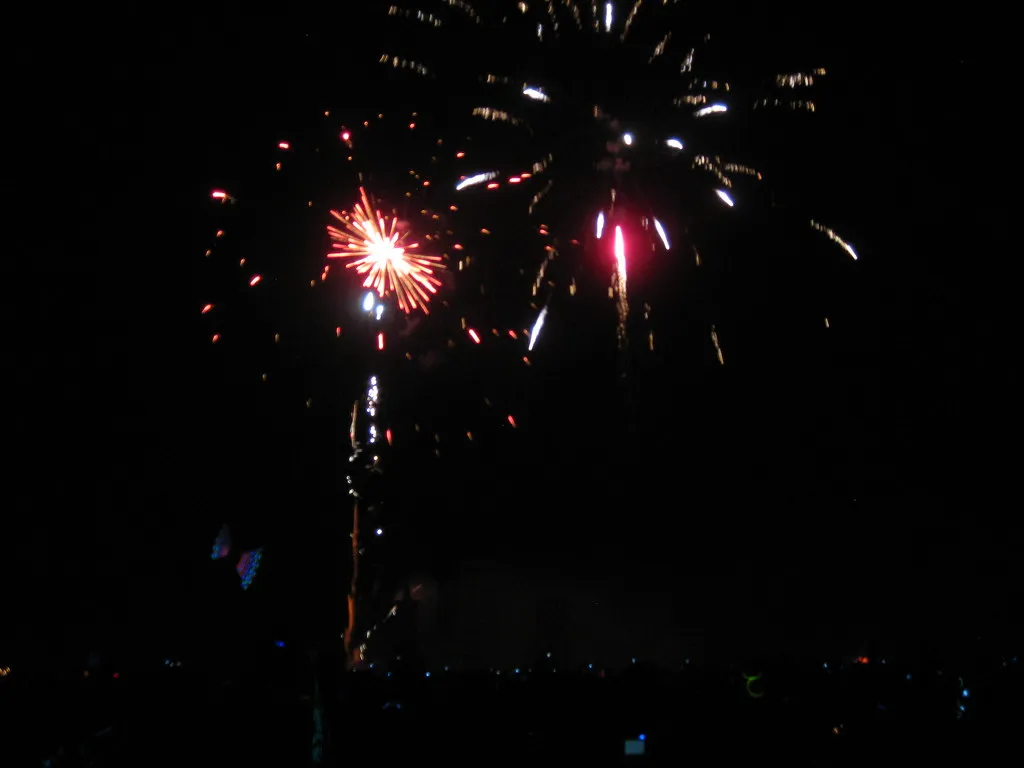
Burns are the most common injury type, making up roughly 38 percent of all emergency room visits related to fireworks. Burn treatment is slow, painful, and expensive. Severe burns can require skin grafts, weeks of hospitalization, and months of recovery.
Fireworks of all types and sizes can cause property damage, third-degree burns, and eye injuries. It doesn’t take an illegal mortar shell to cause a serious burn – even a small consumer device, mishandled for a fraction of a second, is enough.
What most people don’t picture is the recovery, not the moment of injury. A burn that takes a second to happen can require months of wound care, and for children, the scarring can last a lifetime.
Who Gets Hurt Most Often
Adults ages 25 to 44 account for the largest share of reported fireworks injuries, followed by people ages 15 to 24. This isn’t the profile of an inexperienced child. These are adults who generally know better and choose to take the risk anyway.
Children under 15 are also highly vulnerable, with roughly 60 percent of reported victims being 24 years old or younger. The holiday pulls people of every age close to devices that professionals handle with considerable care.
In New York City data from 2023, 72 percent of fireworks-related emergency department visits were among males, and nearly a third were among people between 15 and 24 years old. The pattern is consistent across years and across regions.
The Hearing Damage Nobody Talks About

Fireworks produce explosive noises that can exceed 150 decibels, significantly louder than an average conversation at around 60 decibels. Excessive exposure to sounds above 85 decibels can lead to permanent hearing loss. The gap between those two numbers is enormous.
Even a single explosion lasting less than one second can cause permanent hearing loss. The explosive sounds produced by many fireworks can reach 140 to 160 decibels, exceeding levels produced by a jet engine.
Even a single close-range burst can cause lasting hearing damage in a child. Experts specifically recommend avoiding the exposure of infants to fireworks in any circumstance, since sound is amplified in smaller spaces and loud noises may be more dangerous to an infant’s smaller ear canals.
When “Dud” Fireworks Detonate Without Warning
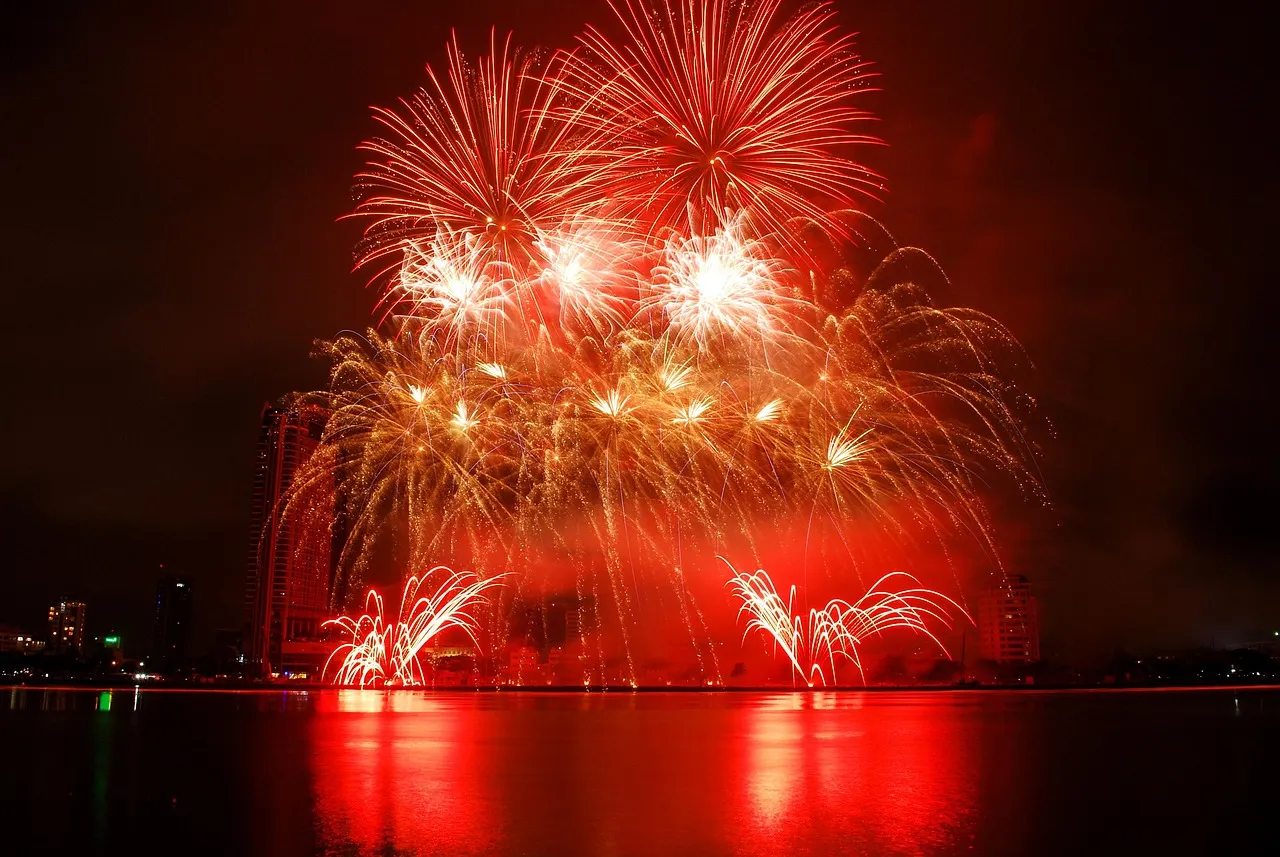
Fireworks that don’t initially ignite may go off without warning. This is the scenario that catches people completely off guard. Someone crouches over a device that looked finished, and then it isn’t. The injuries from these situations tend to be among the most severe.
Follow-up investigations of incidents showed that most injuries were associated with malfunctioning fireworks or improper use, and malfunctioning fireworks often resulted in unexpected flight paths and dangerous debris.
The safest rule with an apparently spent or misfired firework is to leave it alone entirely, soak it in water, and dispose of it without touching the fuse. That advice is simple and rarely followed in the moment.
The Window When Most Injuries Happen
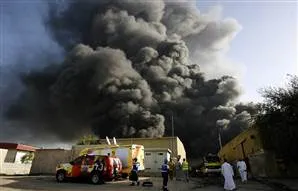
According to the CPSC, roughly two-thirds of fireworks-related injuries occur between June 16 and July 16. That one-month window is when emergency departments nationally brace for the annual spike. The danger is not limited to the night of July 4th itself.
Most injuries cluster in the days just before and after July 4th, when home fireworks use peaks. Celebrations that run across a long weekend can extend the risk significantly, especially when fireworks are used repeatedly over multiple nights.
Visits to emergency departments with burns, hearing damage, and other fireworks-related injuries increase leading up to and in the weeks following Independence Day. The holiday is a calendar event. The injury risk surrounding it is more of a season.
Fireworks Fires: The Property Damage Behind the Headlines
In 2023, fireworks were responsible for more than 32,000 fires across the country, including roughly 3,760 structure fires, 849 vehicle fires, and over 27,000 outside fires, according to the National Fire Protection Association. These numbers rarely make local news unless a neighborhood is involved.
Those fires caused an estimated 15 deaths, 58 injuries, and around 142 million dollars in property damage. A stray bottle rocket landing on a dry lawn or a wooden deck can turn a celebration into a neighborhood emergency in minutes.
Industry leaders and consumer safety advocates cite the rise in popularity of consumer fireworks and loosening regulations as causes of the increase in injuries. The devices have gotten more powerful as consumer enthusiasm has grown, and the combination is showing up clearly in hospital data year after year.
What the Data Actually Recommends

Professional fireworks displays are far more spectacular and far safer than consumer-grade alternatives. Watching from a safe distance, at least 500 feet away from the launch site, helps protect against injury and preserves hearing. This is the consistent recommendation from the CPSC, the American Academy of Pediatrics, and emergency physicians.
Even in states or municipalities where fireworks are legal to purchase and use, that does not make them safe. Household use around children still carries significant risk and should be avoided, regardless of local laws.
The CPSC and other safety organizations note that most fireworks injuries are preventable. The gap between “preventable” and “prevented” is where all those emergency room visits live.
The Takeaway
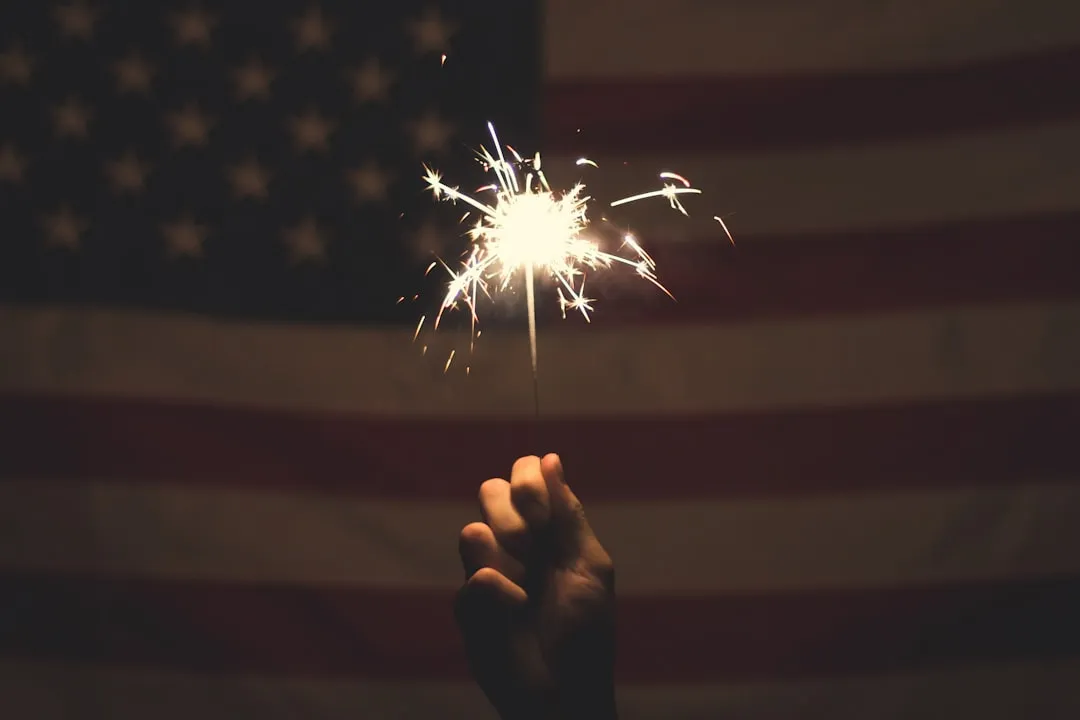
The Fourth of July injury nobody expects is not dramatic or exotic. It’s a sparkler dropped on a foot, a bottle rocket aimed badly, a “dud” that wasn’t actually done. It happens in bright daylight, in a familiar backyard, surrounded by people who love each other.
The statistics are not a reason to abandon celebration. They’re a reason to choose the kind of celebration that ends with everyone going home safely. A professional show viewed from a comfortable distance delivers all the color and noise with none of the trauma bay.
What the numbers ask, quietly but persistently, is a simple question: is the backyard display worth the risk to the people standing around it? Most families, once they see the data, already know the honest answer.
AI Disclaimer: This article was created with the assistance of AI tools and reviewed by a human editor.