

Most people think of a safe deposit box as one of the safest places imaginable. Lock something away in a bank vault, hand the key to someone you trust, and assume it’ll be there when needed. That assumption, it turns out, is precisely where things can go very wrong.
The legal reality surrounding safe deposit boxes after death is far more complicated than the rental agreement ever suggests. Families discover the hard way, often during their most vulnerable moments, that a key is not the same as access. Here’s what you genuinely need to know.
Having the Key Doesn’t Mean You Can Open the Box
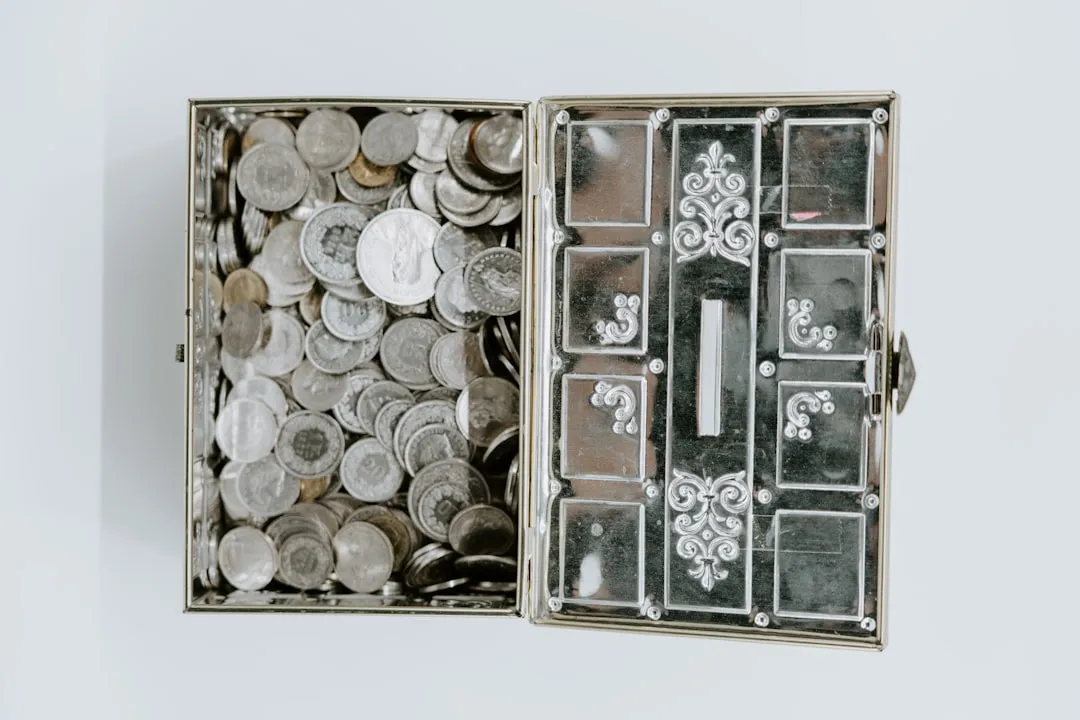
Having the key doesn’t mean you can access the box. When someone passes away, access is usually frozen until a court appoints a personal representative. That’s a shock to most people, who assume that physical possession of a key is proof enough of their right to enter.
The appointed person must present legal documents, like a death certificate and court-issued Letters of Administration or Testamentary, before the bank can unlock the box. The process takes time and paperwork, not just a trip to the branch.
Banks Are Required to Freeze the Box When the Owner Dies

A safe deposit box does not automatically become accessible to family members upon death. The bank has a duty to protect the contents of the box until the proper legal steps are followed. Even a spouse, an adult child, or someone listed as an emergency contact may be turned away at the counter.
The bank has a duty to protect the contents until the proper legal steps are followed. This means the bank may freeze the box once it learns that the renter has passed away. The intent is to protect the estate, but for grieving families it often feels like an obstacle thrown up at the worst possible time.
State Laws Vary Dramatically – and That Matters
Safe deposit boxes are considered to be a gray area of the law, as there is no federal governance. Safe deposit box policy and procedures are generally determined by the bank facilitating the boxes. On top of that, every state has its own rules layered over whatever the bank requires.
Georgia law requires that a court order must be obtained before the executor may access the contents of the safe deposit box. The court order is mandatory regardless of whether or not the executor possesses the decedent’s last will and testament. Meanwhile, Illinois law states that any interested party in the estate may access the decedent’s safe deposit box, provided they submit both a certified copy of the death certificate and an affidavit to the financial institution.
In some states, like Florida, a judge may allow limited access just to search for a will or burial instructions, but even that requires a formal request and documentation. The variation from state to state is significant enough that what works in one place can be completely useless two states over.
Storing Your Will Inside the Box Creates a Catch-22

Many individuals look at the situation as a catch-22. On the one hand, access to the safe deposit box is needed to probate the will, and on the other hand, the safe deposit box cannot be accessed until the estate is probated. It’s a circular problem that estates attorneys encounter repeatedly.
One of the biggest pitfalls is access after death. In many states, banks seal a safe deposit box once the owner dies. The executor may need a court order or go through probate before gaining access. This can delay loved ones from retrieving the will, trust documents, or other crucial information.
The safest approach most estate planners recommend is to keep the original will somewhere accessible, such as with your attorney, and store only a copy in the box. It’s a small step that can prevent weeks of legal delay.
Being a Co-Renter Isn’t the Same as Owning the Contents
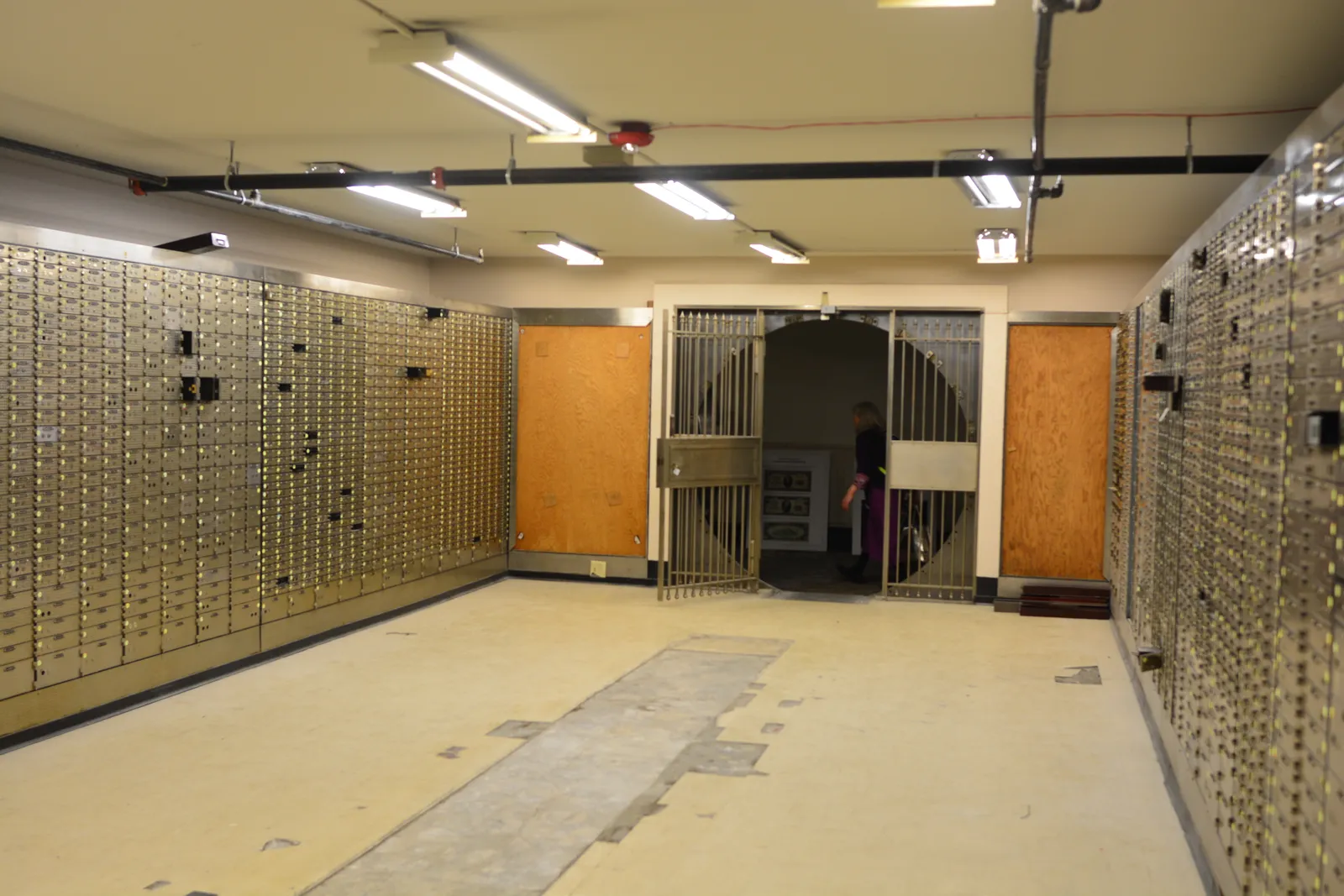
If the box had a co-renter, that person keeps physical access to the box after presenting a certified death certificate. Most banks will let a surviving co-renter enter the box without waiting for probate. That part sounds reassuring, but the next part catches most families off guard.
Being a co-renter does not automatically mean you own everything inside. A safe deposit box is leased storage space, not a jointly owned asset. The co-renter has the right to open the box, but ownership of the contents depends on who actually owned each item before it went in.
This distinction catches families off guard, especially when estate disputes arise over jewelry, documents, or cash found in the box. Access and ownership are two separate legal concepts, and treating them as the same thing can lead to serious conflict among heirs.
Banks Follow Strict Inventory Rules Once Access Is Granted
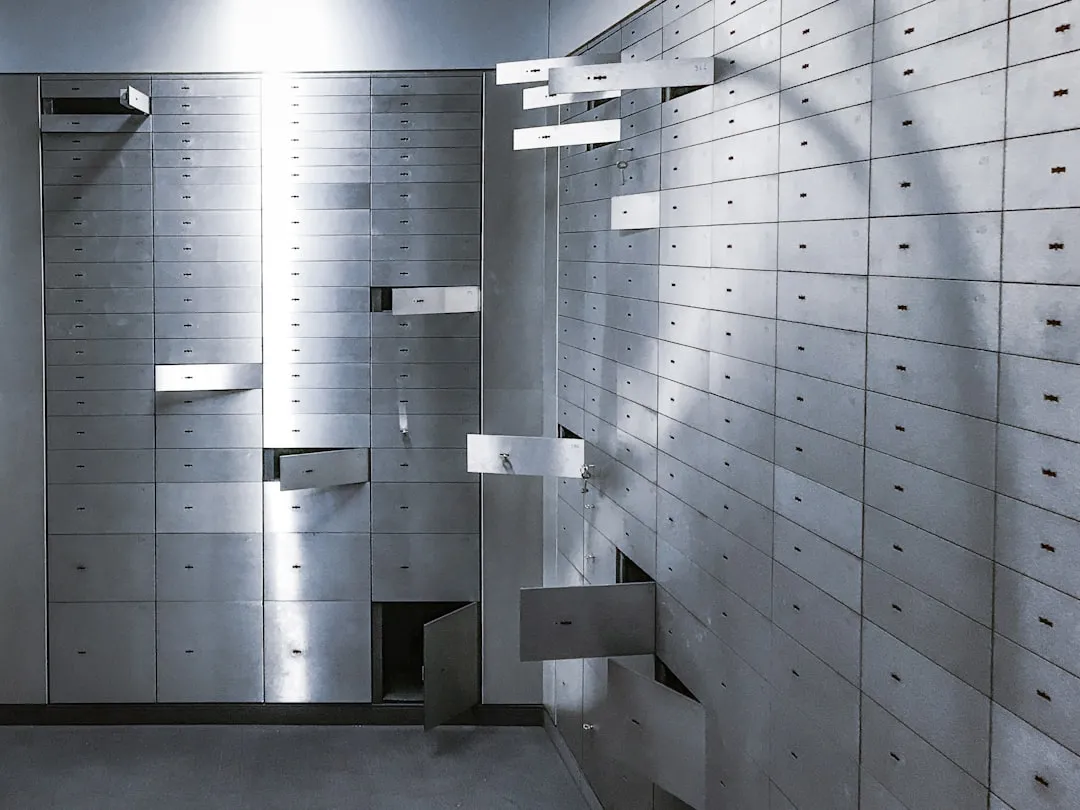
Banks follow strict procedures to protect the estate. They may require an inventory with a bank officer present, retain copies of any legal documents found inside, and prohibit the removal of items until proper estate steps are completed. Nothing gets quietly pocketed. Everything is recorded.
Once access to the safe deposit box is granted, it is crucial to conduct a thorough inventory and appraisal of its contents. This step helps determine the nature, value, and significance of the items within the box. That process is not just a formality. Skipping or mishandling it can create legal liability for an executor later on.
Forgotten Boxes Can Be Seized by the State
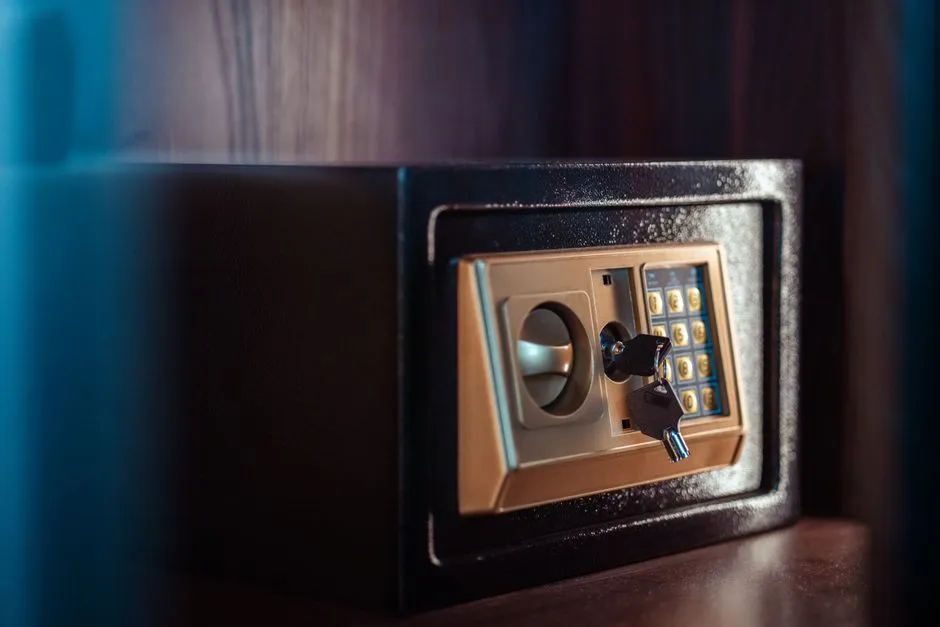
If the property remains unclaimed and is classified as abandoned, the bank may be required to transfer the contents of the safe deposit box to the state treasurer or unclaimed-property office in a process called escheat. Most families have no idea this is even possible.
The contents of safe deposit boxes are considered abandoned when they remain unclaimed by the owner for more than three years after the lease or rental period on the box has expired. The contents are required to be turned over to the state where they are held for two more years. After two years have passed, a notice of sale is published and items of value are sold at public auction.
Surviving family members might not know a safe deposit box exists or where to locate it. Even if a safe deposit box is known to exist, banks may not be the most cooperative when it comes to allowing family to access it. The unfortunate result is that the very valuables and documents originally sought to be protected end up inaccessible, hidden, or unclaimed.
Including the Box in a Living Trust Is the Clearest Solution
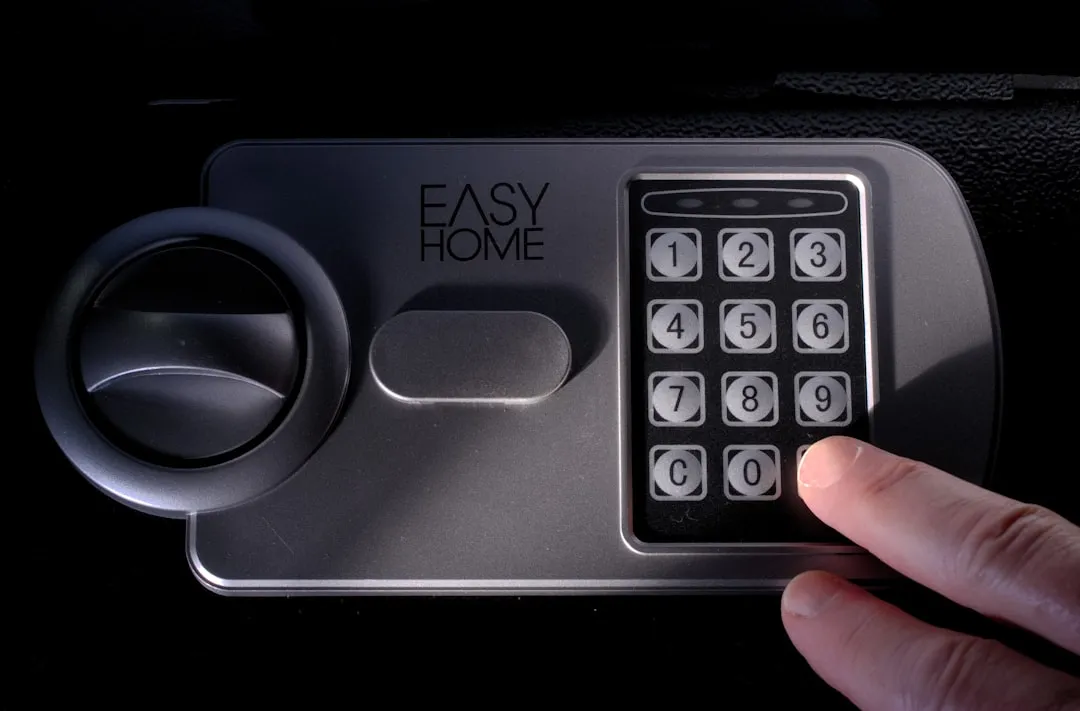
Including the box within a revocable living trust would avoid all of these problems. Only the successor trustee has the right to access and control the box. It’s one of the most practical estate planning steps available, and one of the most commonly overlooked.
Safe deposit boxes are often left out of estate planning. Gaining access to them after the original owner’s death can become an expensive exercise in frustration. The solution isn’t complicated, but it does require intentional action before a crisis arrives.
What the Bank Requires From You After Death

When the box was rented solely in the decedent’s name, only a court-appointed personal representative can access it. That means the family must first go through the probate court system, which in many states takes weeks or months to initiate.
Providing a key to the person you wish to have access is essential to ease the process with the bank. California law basically requires that a person requesting access to a safe deposit box provide a death certificate, a driver’s license or other valid identification, and be in possession of a key. Without all three, even a state with relatively accessible laws can grind to a halt.
The executor or administrator of the estate has a duty to identify and safeguard all assets, including those held in a safe deposit box. Failure to fulfill this duty may result in legal consequences. It’s not optional. The law treats this as a fiduciary obligation.
How to Protect Your Family Before This Becomes Their Problem
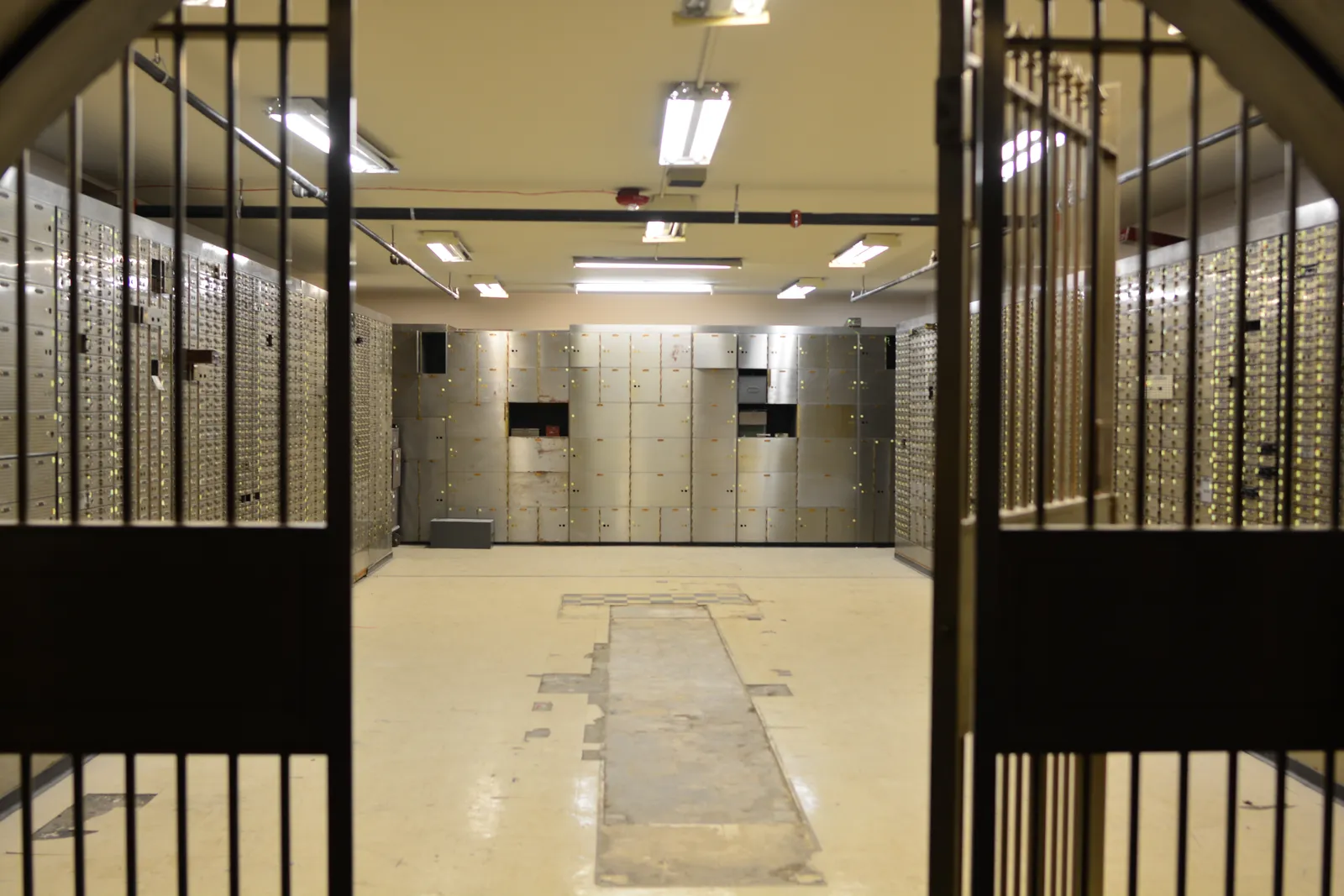
Accessing a safe deposit box is a necessary component of settling an estate. Ensuring safe deposit boxes are included just like any other asset, with a solid plan of action in place, helps avoid the pitfalls. The simplest version of that plan: tell someone trusted where the box is, where the key is, and what’s inside.
It is essential to notify all interested parties, such as heirs and beneficiaries, about the existence of a safe deposit box and its contents. This ensures transparency and gives everyone an opportunity to assert their rights or claims. Transparency isn’t just a courtesy here. It’s a legal protection for everyone involved.
Safe deposit boxes are a secure place to store important documents. However, if no one knows how to access them after death, it can slow down the probate process. A box that no one knew existed is effectively the same as a box that no one can open. Both outcomes lead to the same place: delay, legal cost, and family stress.
The Takeaway
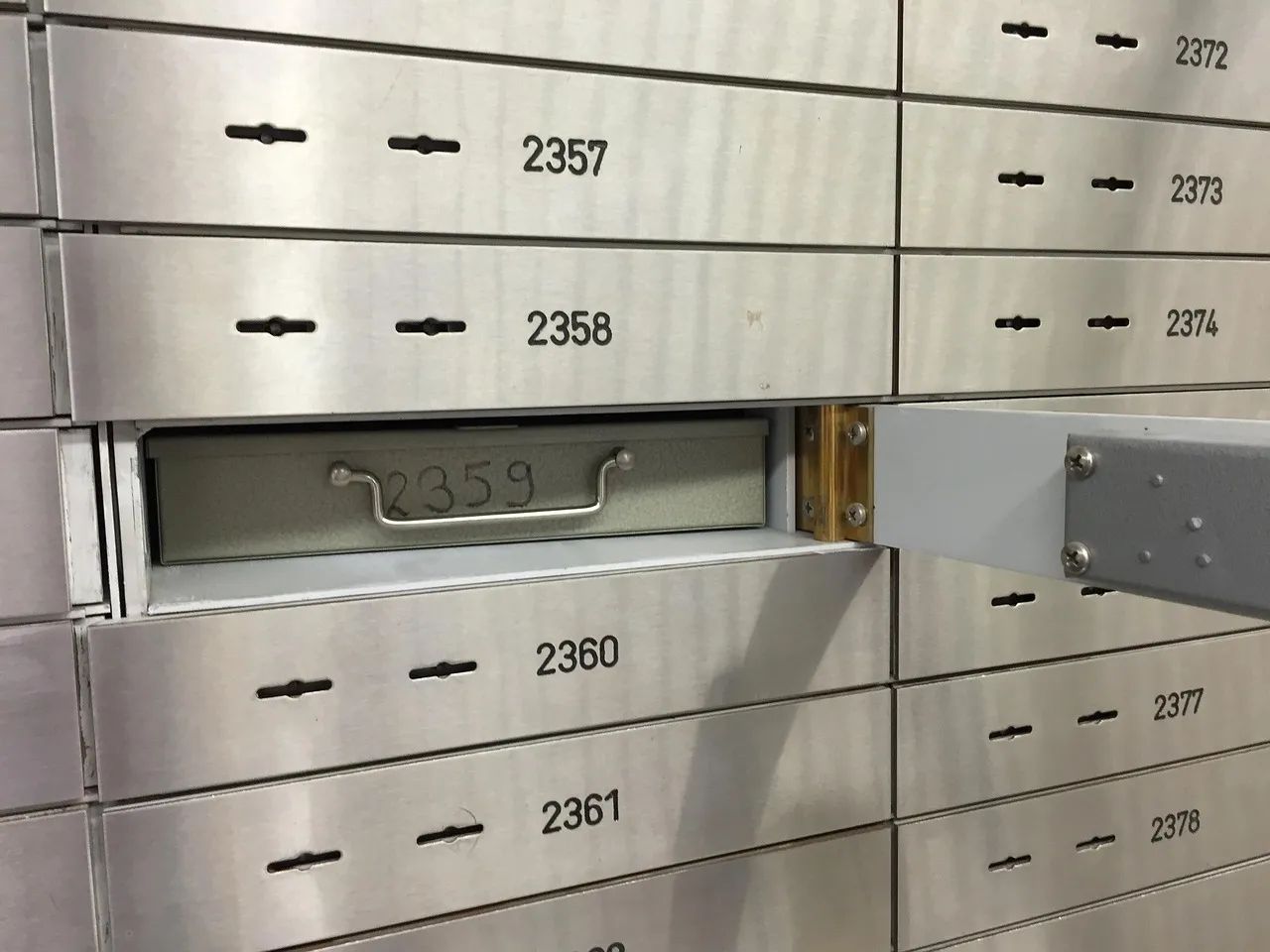
The safe deposit box rule most families miss isn’t written on the rental agreement. It’s the gap between what feels secure and what’s actually accessible. Security and accessibility are not the same thing, and the law draws that line clearly.
The fix is genuinely simple. Tell the right people where the box is. Get the right person listed on the lease. Work with an estate planning attorney to tie the box into a living trust. None of this is expensive or complicated, but all of it must happen before a death, not after.
A box no one can open in a crisis isn’t protecting your family. It’s protecting a locked mystery they’ll spend months trying to solve. The time to address that is now, while it’s still just a practical task instead of an emergency.
AI Disclaimer: This article was created with the assistance of AI tools and reviewed by a human editor.