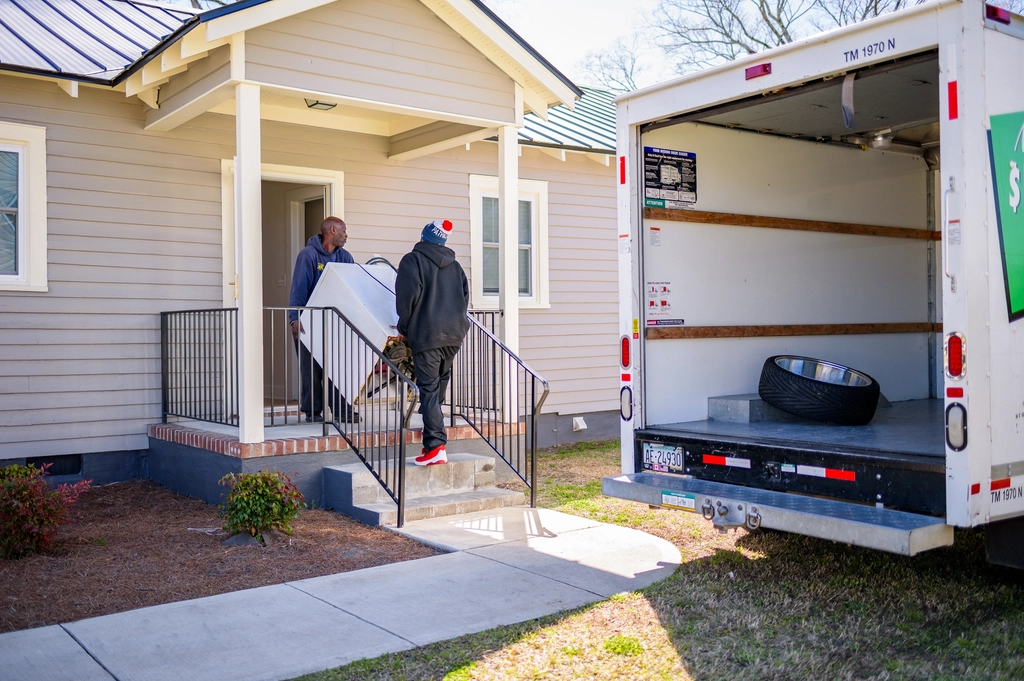

Moving is chaotic. Between packing boxes, forwarding mail, and trying to remember where you put the dish soap, there’s one thing that quietly falls through the cracks for a surprising number of homeowners: their home warranty. Not intentionally. Nobody sits down and thinks, “I’d like to lose that coverage today.” It just happens, often because of a misunderstanding about how these plans actually work when a house changes hands.
The tricky part is that home warranties aren’t cancelled in some dramatic way. People simply never take the one or two steps required to keep them alive. Here’s what’s really going on, and how to make sure you’re not one of the people who loses coverage without ever realizing it.
What a Home Warranty Actually Covers

Homeowners insurance protects your home from unexpected events like fires, theft, or natural disasters. A home warranty, by contrast, helps protect your budget when covered components of home systems and appliances break down due to normal wear and tear. That’s a meaningful distinction, and it’s why many homeowners choose to carry both.
Home warranties cover repair and replacement costs for appliances and systems that fail from normal wear and tear, not from accidents or disasters. Most policies last one year and should be renewed before expiration to avoid gaps caused by a 30 to 60 day waiting period. That waiting period is one of the hidden traps people don’t think about until they’ve already moved and something breaks.
Why Moving Is the Moment Coverage Gets Lost

When you decide to put your home on the market, the need for a home warranty may appear to diminish. Home warranties are typically attached to specific properties, and they cover the appliances and systems within that home. If you are no longer the owner of the property, there is no automatic reason for the coverage to follow you.
The problem isn’t that coverage disappears instantly. It’s that the path to keeping it alive requires a specific action that most sellers never take. They assume the policy simply carries over or quietly expires. In reality, a decision has to be made, and it has to be made within a tight window.
The Transfer Window Nobody Tells You About

Often, the process of transferring home warranty coverage requires only a phone call. Most transfers must be completed within 30 days of the home sale. Miss that window, and the coverage can lapse entirely, leaving the buyer unprotected and the seller without anything to show for the policy they already paid for.
In most cases, the remaining coverage moves to the new owner after closing. However, certain conditions must be met for the transfer to be valid. The seller must request the transfer within a fixed time window. A transfer fee may also apply depending on the provider, and the plan must still be active at the time of sale.
Not All Providers Allow Transfers at All

Transfer is possible in many cases, but it is not something offered by all home warranty coverage providers. Before you think about the transferability at all, you need to confirm that the home warranty is actually transferable under your specific plan. This is a step most people skip entirely.
Some warranties don’t allow transfer at all, or only under very specific conditions. Even when transfer is allowed, coverage sometimes changes for new owners. Coverage can shrink, deductibles can reset, or new exclusions can appear. Reading the fine print before closing day is worth the thirty minutes it takes.
HVAC Warranties Are Especially Easy to Lose
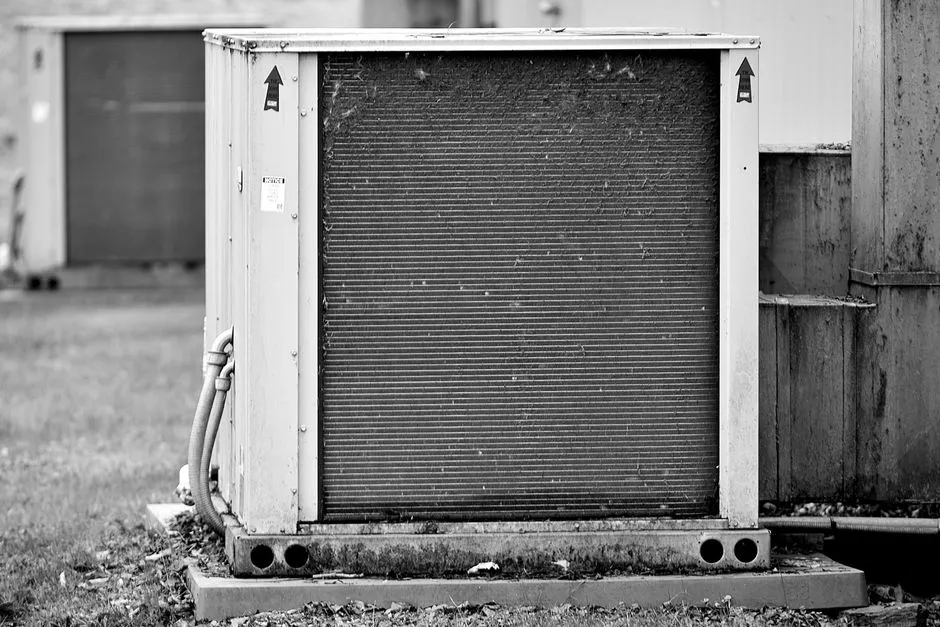
When ownership of a home is transferred after a sale, the manufacturer’s warranty attached to the home’s air conditioning system may legally be considered void. Typically, manufacturers will honor the warranty even if ownership has changed hands, but it is not required of them. That distinction matters more than most buyers realize.
Carrier’s warranty transfer option permits the passing of the warranty to the subsequent homeowner when a home changes ownership. To activate this transfer, the new homeowner must complete the registration process for the HVAC equipment within 90 days of purchasing the property. The HVAC system must also remain in its original installation location to maintain warranty coverage. Moving the unit anywhere, even across the same room, can void that protection.
Appliance Warranties Can Expire Silently During a Move

Some manufacturer’s warranties are transferable, meaning that if you sell or give away the appliance during the warranty period, the new owner can continue to benefit from the remaining coverage. However, transferability isn’t always guaranteed and may be subject to conditions, such as the requirement to register the new owner with the manufacturer. Most people never complete that step.
The terms of a warranty may state that coverage is only applicable within certain geographical boundaries or regions, thereby limiting or voiding the warranty if the product is relocated. When the warranty does allow for transferability and the owner moves within the covered area, it is still vital to review the warranty terms to understand any actions required to maintain coverage.
Updating Your Address Can Make or Break a Claim

If you require warranty service after relocating, the provider may refuse to honor the warranty until you update your address with them through the correct procedure. This is partly to prevent fraud and to ensure that service providers or technicians in your new area are aligned with your needs.
By notifying the warranty provider of your move, you might also learn about any changes in your coverage or additional benefits. The provider could inform you about authorized service centers near your new residence or any alterations in warranty terms due to local regulations or differences in the service network in your new area. A quick address update is a small action with real consequences if you skip it.
What the FTC Requires Providers to Tell You

The FTC requires home warranty providers to explicitly outline all associated costs, fees, and the extent of coverage to consumers before they purchase any warranty plans. Additionally, according to FTC guidelines, companies must offer a detailed description of their services and include a 30-day cancellation policy.
State-level regulation and oversight of home warranties differ significantly across states. In some states, home warranties are regulated by an office of insurance regulation or commissioner of insurance, while other states assign the task to a state real estate commission or department of financial services. That patchwork of oversight means the rules genuinely vary depending on where you live.
How to Actually Keep Your Coverage Intact

Before putting your place on the market, it’s smart to call the warranty provider and check if the policy can transfer. Ask for written guidelines, since eligibility and fees can change depending on the company and your location. Getting this information early removes all the guesswork during an already stressful closing process.
Maintain records of all communications and documentation related to the home warranty transfer. This includes emails, application forms, receipts, and any other relevant paperwork. Having a well-organized record can be invaluable if issues arise. A single email thread could save you hundreds of dollars in an uncovered repair later on.
Setting Up New Coverage After You’ve Moved

If you are moving, you can transfer the remainder of your plan to the new buyer and also set up coverage for your new home. Most major providers handle both sides of the transaction, so there’s no reason to arrive at your new address unprotected.
During the 30 to 60 day waiting period after purchasing a home warranty, you’ll need to pay out-of-pocket for any repairs or replacements. The waiting period prevents people from purchasing coverage only after equipment has already failed. Plan accordingly and maintain an emergency fund for this period, or consider purchasing your warranty well before you anticipate needing repairs.
The Takeaway

Home warranties don’t cancel themselves with a dramatic notice or a final invoice. They just quietly stop working when the right steps aren’t taken at the right time. The good news is that the fix is genuinely simple: one phone call, one address update, one form filed before closing day.
The homeowners who keep their coverage intact aren’t doing anything complicated. They’re just asking one question that most people forget to ask: “What happens to my warranty when I move?” Knowing that question exists is already most of the battle.
AI Disclaimer: This article was created with the assistance of AI tools and reviewed by a human editor.