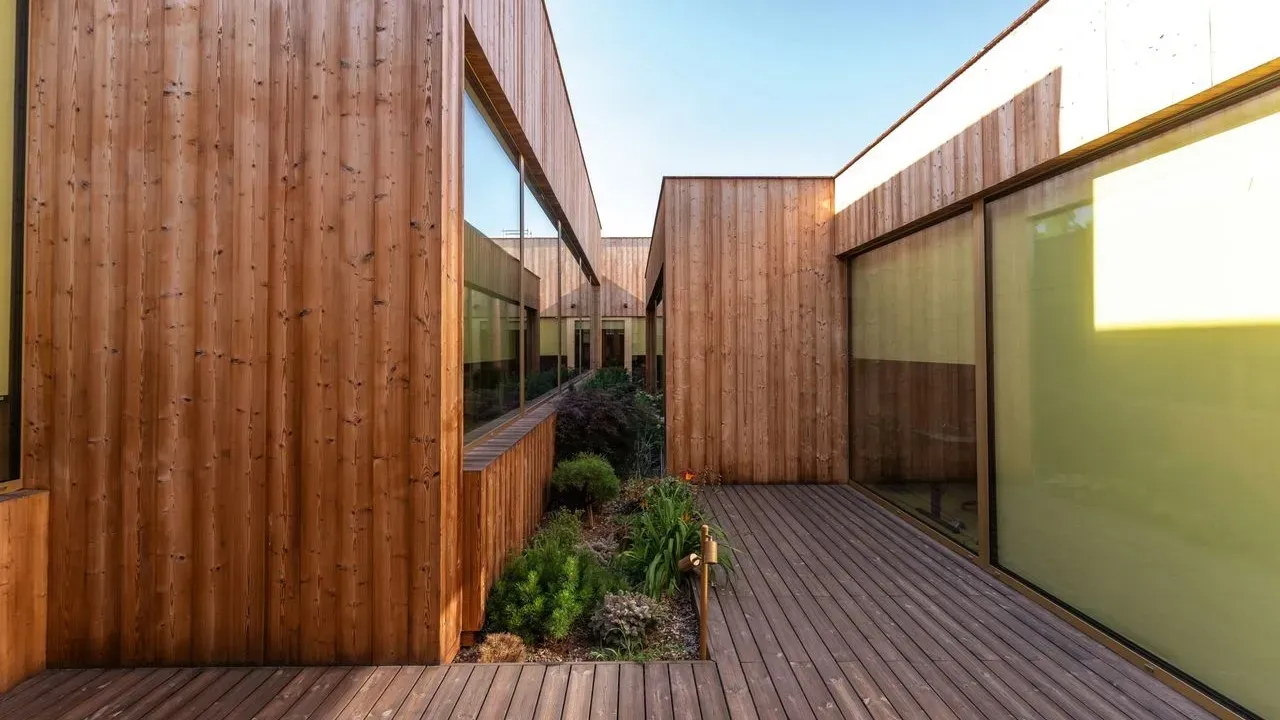

Working from home has turned many gardens into extensions of the house, with homeowners now weighing a purpose-built garden room against converting an existing shed into a dedicated workspace. The choice hinges on budget, the condition of any current structure, and the level of year-round comfort required. Recent guidance highlights how these options differ in upfront expense, ongoing performance, and regulatory steps. ([1])
Core Differences Between the Options
A garden room is designed from the start as a habitable space, with insulated walls, a solid foundation, and double glazing built in. It suits full-time office use without further major work. A shed conversion begins with an existing storage building and adds insulation, lining, and services to make it usable. The shed route reuses what is already on site, yet it carries forward any weaknesses in the original frame or base.
The distinction matters most when daily work demands stable temperatures and reliable power. A new structure avoids the risk of later discovering damp or movement issues that insulation alone cannot resolve. In contrast, a sound shed can deliver acceptable results if its timber and foundations remain solid.
Cost Breakdown and Hidden Factors
Professional garden rooms in the UK typically range from £1,000 to £3,500 per square metre once foundations, electrics, and VAT are included. A 12-square-metre project often falls between £18,000 and £28,000. Shed conversions show wider variation: professional work on a viable shed may cost £5,000 to £7,000, while a careful DIY approach can stay between £1,100 and £2,500 if no major repairs arise. Unexpected expenses frequently surface during shed work. Damp timber, an inadequate base, or outdated wiring can push totals closer to those of a small new build. Garden rooms carry higher initial outlays but reduce the chance of later remedial spending.
Planning Rules and Building Standards
Most single-storey garden buildings fall under permitted development rights, so neither option usually requires formal planning permission when kept within height and footprint limits. Building regulations become relevant once a structure exceeds roughly 15 square metres or includes permanent heating and plumbing for habitable use. Shed conversions rarely trigger these rules on their own, yet adding facilities such as a shower can change the position.
Local councils apply the rules differently depending on property type and location. Checking with the authority before work begins remains the safest step for both routes. Garage conversions follow similar logic and provide a useful reference point for what counts as habitable space.
Comfort, Insulation, and Daily Use
Purpose-built garden rooms generally deliver better thermal performance because insulation, ventilation, and glazing are specified together. This supports consistent temperatures across seasons and reduces condensation risks common in older sheds. A breather membrane and proper cladding further protect the structure over time. Shed conversions can reach similar comfort levels only when the original frame is in good condition and upgrades are thorough. Electrics must be installed and certified by a qualified professional in either case, while broadband access is essential for office work. Many new garden rooms include these elements as standard packages.
| Factor | Shed Conversion | New Garden Room |
|---|---|---|
| Typical Cost | £1,100–£20,000 | £1,000–£3,500+ per m² |
| Timeframe | Days to weeks | Weeks |
| Insulation | Depends on existing frame | Built in from the start |
| Lifespan | Limited by original structure | Designed for long-term use |
Resale Value and Final Considerations
A well-finished garden room tends to add clearer value at resale because buyers see a ready-to-use space without extra investment. Converted sheds can still prove functional, yet visible age or uneven finishes may limit their appeal. Reusing an existing frame reduces material waste, while a new build often requires less maintenance across its longer expected life.
No universal answer fits every situation. A structurally sound shed can provide a cost-effective, lower-impact office when time and budget are tight. Families seeking immediate comfort, minimal future repairs, and stronger long-term property contribution usually find greater overall value in a dedicated garden room.
AI Disclaimer: This article was created with the assistance of AI tools and reviewed by a human editor.