

Setting a moth trap feels like doing something right. You’ve identified the problem, bought the product, and placed it somewhere that seems logical. Yet somehow the moths keep multiplying, and your trap is either half-empty or working against you in ways that aren’t obvious at first glance.
The truth is that placement is often where the whole strategy falls apart. It’s not the trap itself and it’s not always the lure. It’s the location, and getting that wrong can turn a tool designed to shrink an infestation into one that quietly expands it.
Why Pheromone Traps Work – and When They Don’t
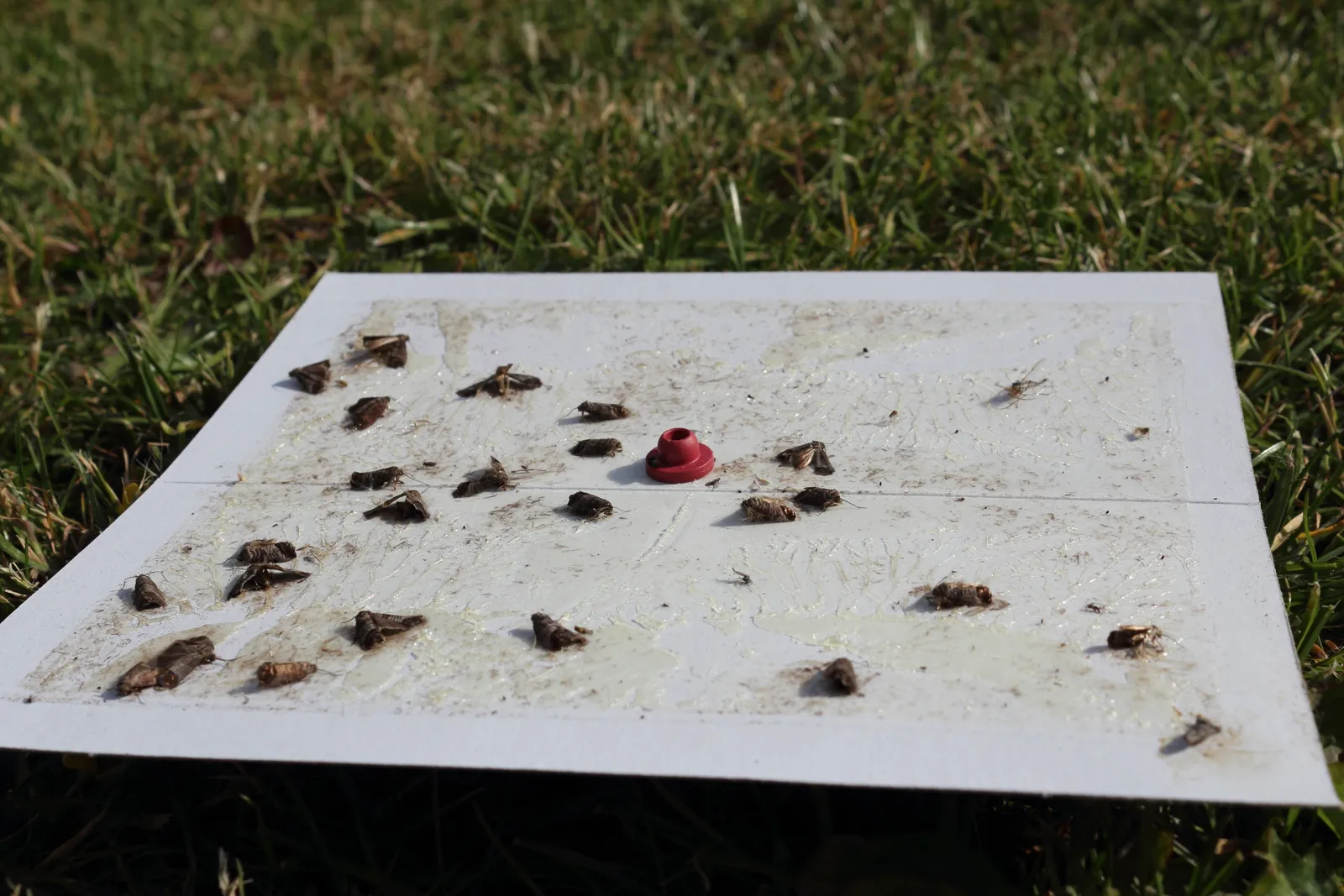
Both pantry and clothing moth traps use pheromones infused into the glue to attract adult male moths. The underlying science is solid: by mimicking female moth signals, the trap lures males before they can mate, gradually disrupting the breeding cycle. The problem is that this only works if the trap is actually where the moths are traveling.
The scent moves through the surrounding air rather than along one straight path, which is why placement matters. Place the trap in the wrong spot and the pheromone cloud disperses in an unhelpful direction, or gets blocked entirely by walls, furniture, or stacked items. You’re broadcasting a signal that never reaches its audience.
Placing the Trap Right Next to the Food Source
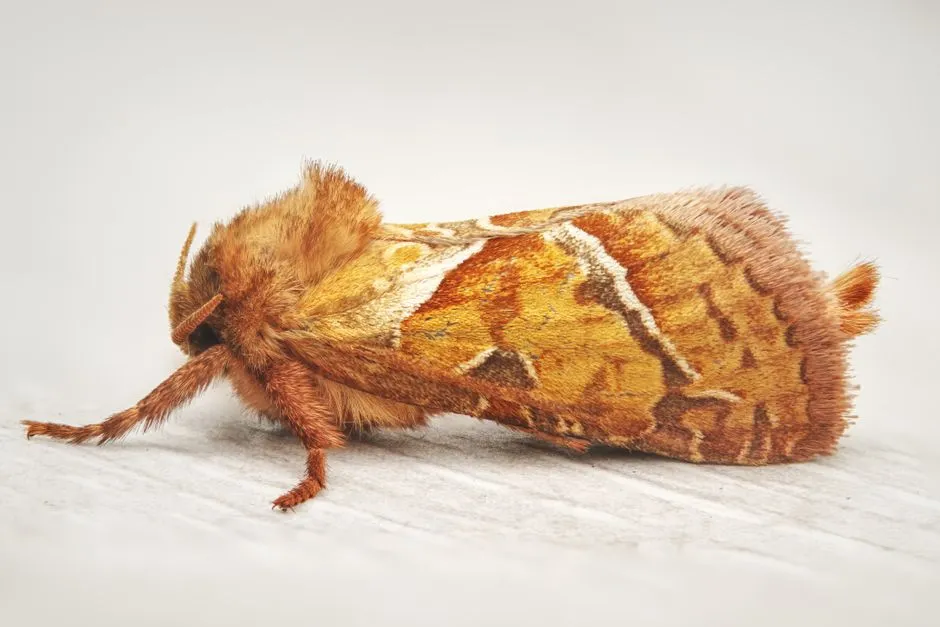
One of the most common errors is improperly positioning the traps. If they’re too close to other potential food sources, such as food products or woolen garments, moths may follow said sources instead of heading toward your traps. This is the core of the placement paradox: the thing you’re trying to protect becomes a competing attractant.
When a moth senses both a food source and a pheromone lure in close proximity, the stronger or more familiar signal often wins. Pantry moths, for example, are drawn to grain, flour, and dried fruit with remarkable sensitivity. If your trap sits directly inside an open pantry shelf next to exposed food, the moths may never even orient toward it.
The Overpacked Closet Problem

Moth repellents are products such as lavender sachets or cedar wood. If placing traps on a rail within a closet, make sure that the closet is not overcrowded with garments. There should be space within the closet for air to circulate freely, allowing the pheromones within the traps to flow around the closet and attract the moths within.
A crammed wardrobe essentially muffles the trap. Clothes packed tightly together interrupt airflow, which is the delivery system for the pheromone scent. The lure has nowhere to travel, so it saturates the immediate area without reaching moths resting deeper in the closet or in adjacent storage. If using moth traps for closets, ensure the closet isn’t overpacked. Good airflow helps pheromones disperse.
Placing Traps Too Close to Repellents
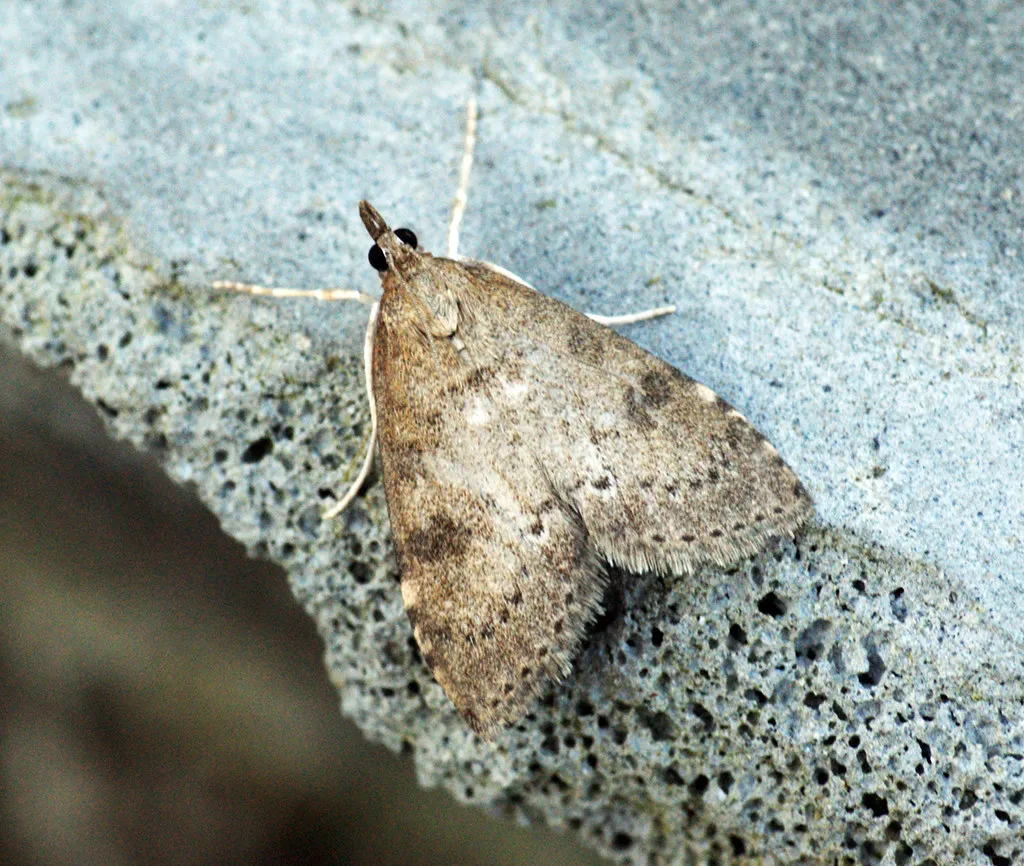
Keep traps away from moth repellents like lavender sachets, cedar wood, or eucalyptus oil, which can confuse or counteract the attractant. This is a mistake that happens more often than people expect, because many households use both types of moth deterrents simultaneously without realizing they’re working against each other.
Avoid cancelling out the effectiveness of attracting clothes moth traps by keeping them away from any moth repellents that you may have. Think of it this way: you’re asking a moth to follow one chemical signal while another chemical signal is telling it to stay away. The result is confusion, and confused moths don’t land neatly on your glue strip.
Positioning Traps at the Wrong Height
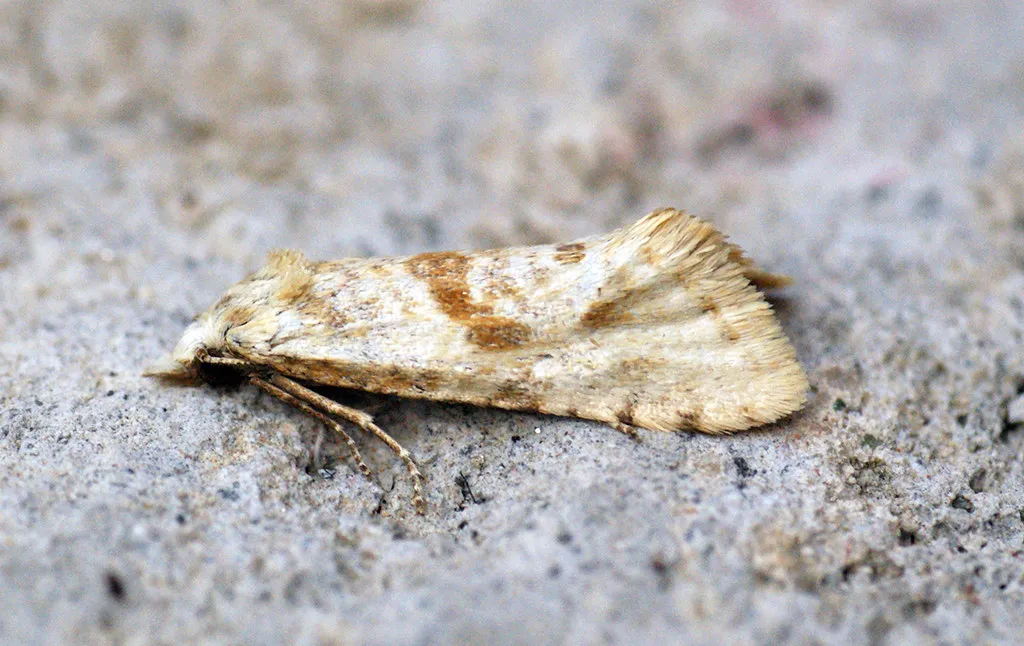
Clothes moths and carpet moths are sensitive to certain environments. For your clothes moth traps to work as effectively as possible, it’s important to consider the following when positioning them: where possible, place traps at between three to six feet high. This range reflects where clothing moths actually fly during their active phase, which tends to stay relatively low to the ground compared to pantry moths.
A trap placed on the floor of a closet, or hung too high near the ceiling, misses the flight zone entirely. The moths are simply traveling through a different horizontal layer of air. It sounds like a minor detail, but height matters just as much as the room you choose.
How Light Sources Interfere With Indoor Traps
Moths are attracted to different things depending on their species. Some moths are attracted to bright lights, while others are attracted to warm dry areas as they seek shelter from the elements. Other more pestilent moths, like clothes moths and pantry moths, are attracted to dark, quiet areas with abundant food sources where they can lay eggs.
Artificial lights draw moths in, causing them to circle around and often become trapped near the light. Although this behavior is not beneficial to the moths themselves, they do not have the ability to distinguish artificial lights from natural light sources, and thus this behavior persists. Placing a pheromone trap near a bright lamp or window creates competing signals that draw certain moth species toward the light rather than the lure. The trap catches less, while the light draws more moths into the space.
Sticky Traps That Become Saturated
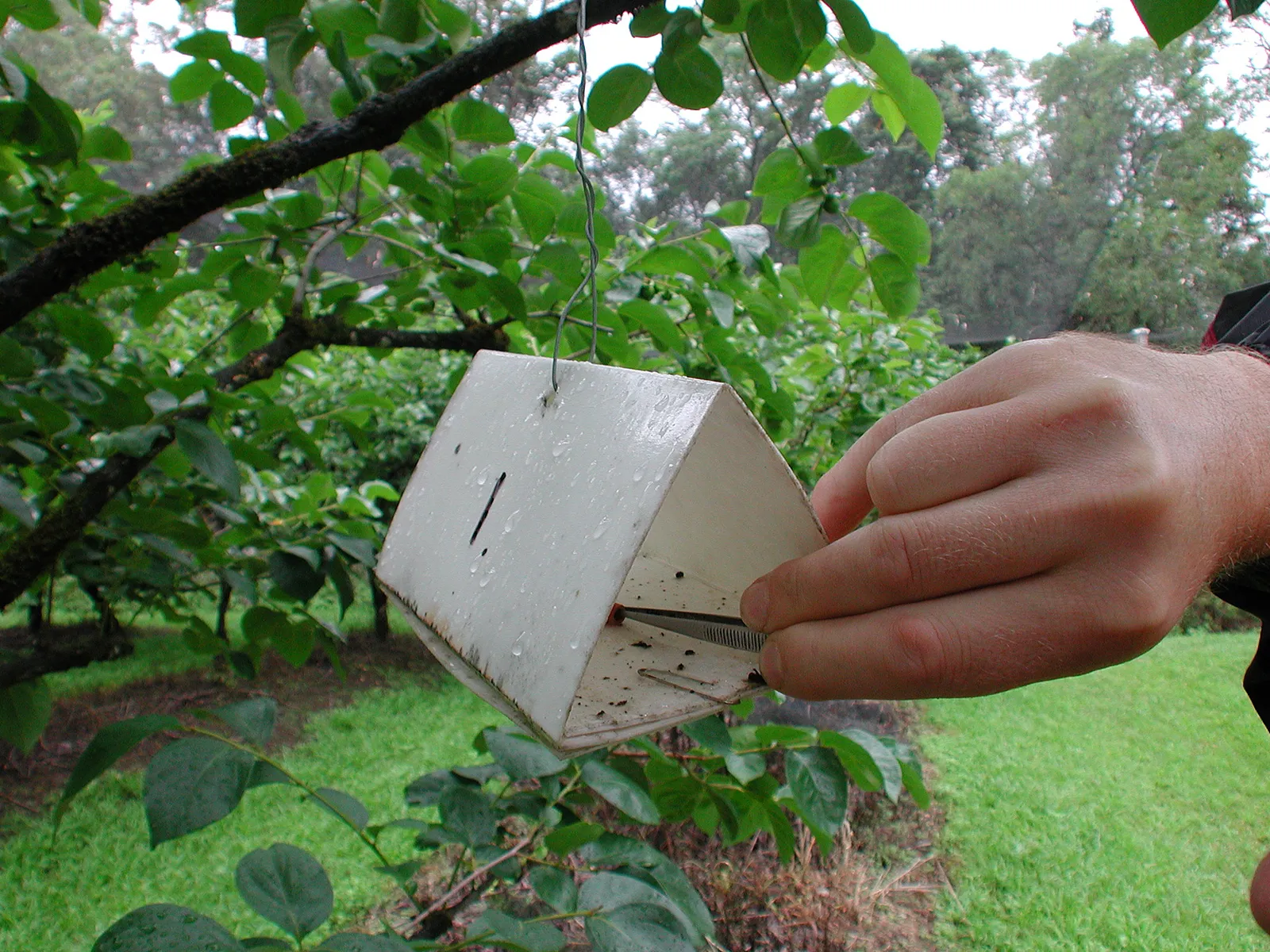
One drawback of mass trapping in practice is the need for frequent trap servicing and the loss of effectiveness if traps, especially sticky traps, become saturated with trapped male moths and fail to trap subsequent males after saturation. This is a failure mode that most home users never consider. The trap looks like it’s working because it’s covered in moths, but it’s actually stopped working because the adhesive is full.
A saturated trap doesn’t just stop catching moths. It can become a strange kind of signal station, where the pheromone lure continues broadcasting while incoming moths land on the casing, survive, and scatter back into the home. Regular replacement isn’t optional; it’s fundamental to the whole strategy.
Using Only One Trap in a Large Space
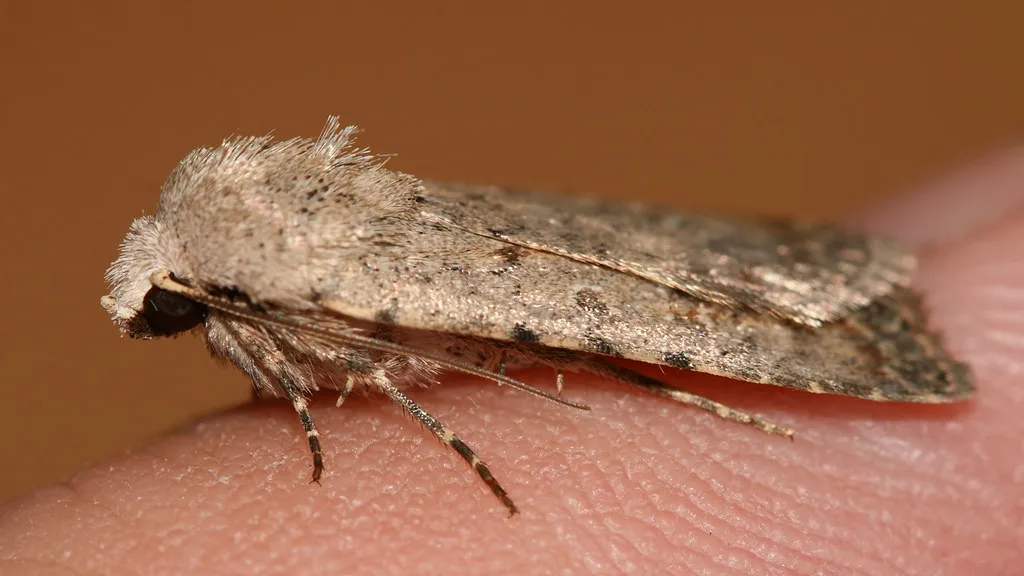
Start with one moth trap per room, especially in areas where you’ve seen activity, and consider increasing density in larger or high-risk areas. Many people buy a single trap, place it somewhere central, and consider the job done. For a small kitchen or a compact wardrobe this may be fine, but for larger rooms or homes with multiple food storage areas, one trap rarely covers the territory.
Start with three traps in a wide triangle: place one inside the main pantry near the dry goods showing the most activity. Place one on the inside of the pantry door or on an open shelf. Place one near another dry food source, such as pet food, birdseed, or a separate cabinet. The triangular setup helps cover several possible activity points rather than concentrating every trap in one part of the kitchen.
Never Moving a Trap That Isn’t Catching
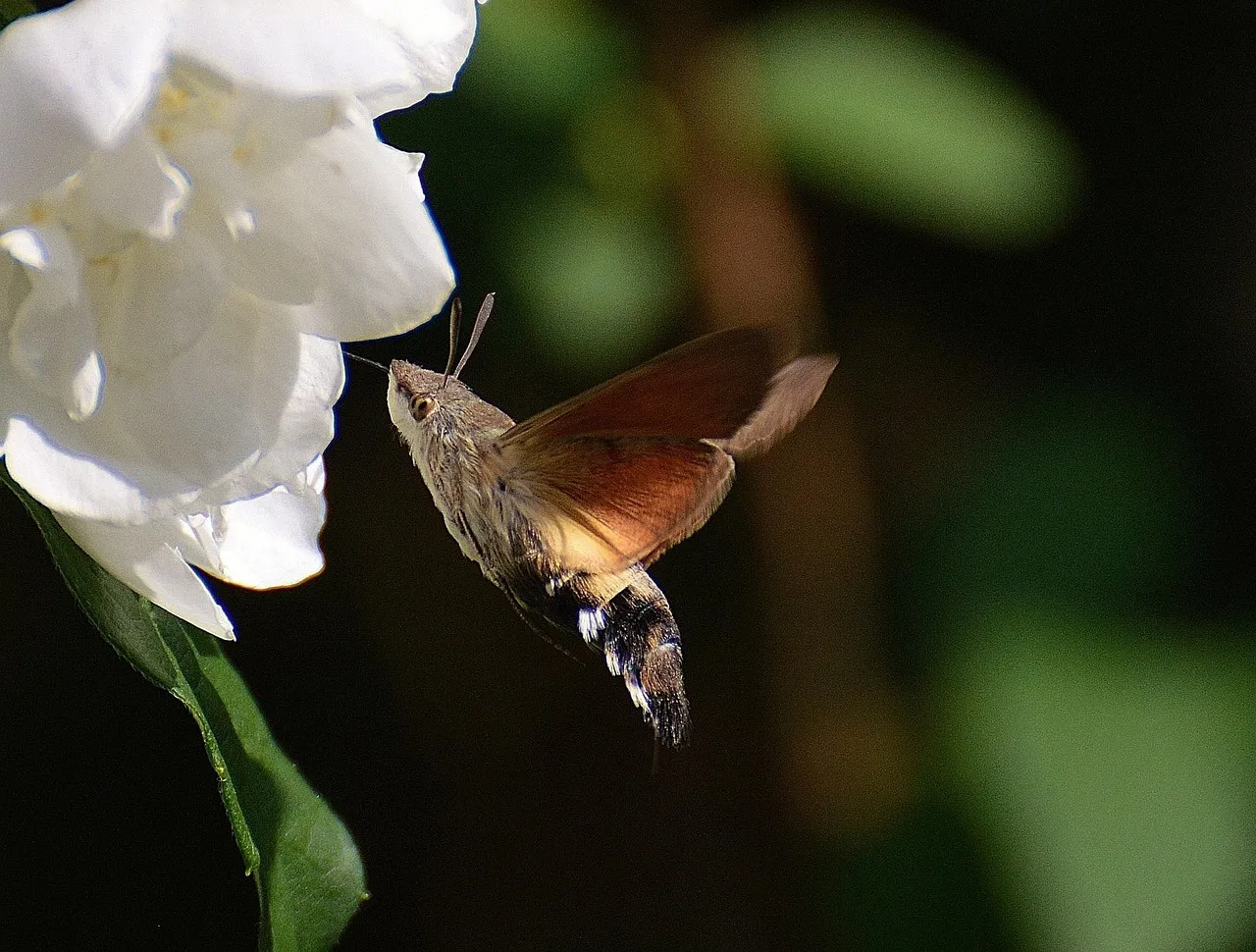
Don’t be afraid to move traps around if they are not catching. If after a week you’ve not caught any moths on a trap, consider moving it to a new location. Many people interpret an empty trap as a sign of success, assuming no catches means no moths. In reality, it often just means the trap is in the wrong place.
Catching no moths could mean one of three things: no infestation, wrong trap location, or the moths aren’t sexually mature yet. Patience has a role in pest control, but passivity doesn’t. If two weeks pass with zero activity, moving the trap costs nothing and often reveals the actual hotspot within days.
Ignoring the Pheromone Plume and Air Currents
Pheromone plume structure is known to influence trap capture. In experiments with the pea moth, traps that generated narrower, more concentrated pheromone plumes caught more moths than traps that generated diffuse pheromone plumes. Indoors, this principle translates directly to where you position the trap relative to air movement in the room.
Plume structure will also be influenced by the physical environment in which the trap is located. A trap near an air conditioning vent, an open window with a strong draft, or even a ceiling fan will have its pheromone signal disrupted and scattered before it can form a useful trail for moths to follow. The lure is still working, but the signal is incoherent.
The Lure Itself Has an Expiry That People Ignore
Making management decisions using information obtained from poorly maintained traps can be a recipe for disaster. The effectiveness of the trap depends on maintaining the trap shape, the quality of the adhesive over the season, and good accessibility to attracted moths. Lures don’t last indefinitely, and a degraded lure is one of the most commonly overlooked reasons a trap stops performing.
A red septum loaded with pheromone has been the fruit industry standard for monitoring moths in insecticide-treated orchards. However, recent studies have demonstrated that the performance of this lure declines after about three weeks in the spring and two weeks in the summer. Heat accelerates this decline, so a trap placed near a warm appliance or in a sun-exposed cupboard may lose potency faster than the packaging suggests.
Final Thoughts
Moth traps are genuinely effective tools, but they depend on something that no packaging can fully account for: the specific layout and conditions of your home. Placement isn’t a one-time decision. It’s an ongoing adjustment based on what the traps are actually telling you.
The single most useful shift in thinking is to treat the trap not as a passive solution but as a diagnostic tool. Where it catches moths reveals where the infestation lives. Where it catches nothing might reveal a placement error, a blocked airflow, a competing repellent, or a lure that’s past its useful life.
Getting this right doesn’t require expertise. It requires paying attention, moving the trap when needed, replacing lures on schedule, and resisting the temptation to set it and forget it. Moths are patient. Fortunately, so is anyone who understands how their traps actually work.
AI Disclaimer: This article was created with the assistance of AI tools and reviewed by a human editor.