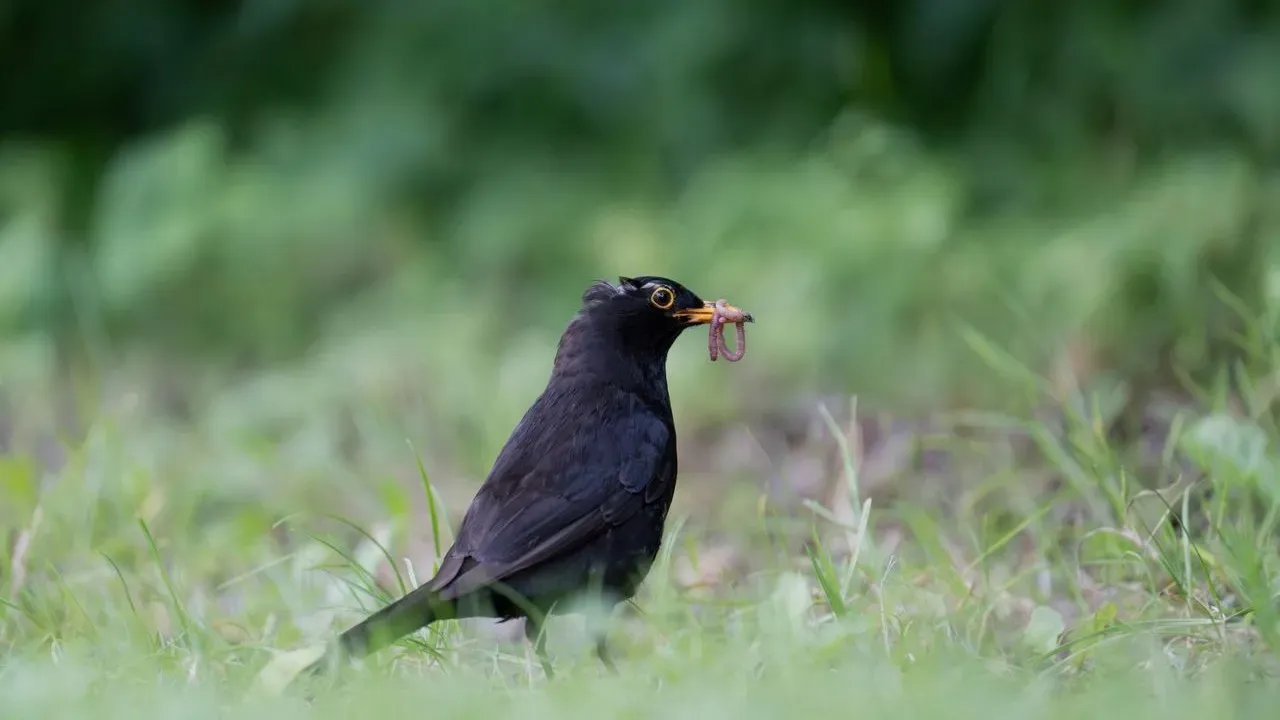

Scientists examining ancient teeth and genetic material have uncovered new details about when and why many people developed a strong reluctance to eat insects. The findings point to a shift that began thousands of years ago among modern human populations in northern Eurasia. Evidence suggests the change was far less pronounced among Neanderthals and in groups living closer to the tropics. ([1])
Teeth and Genes Tell Different Stories
Analysis of dental remains shows that modern humans in northern regions consumed insects only on rare occasions. In contrast, Neanderthal teeth carry clearer signs of more frequent insect intake. The difference appears tied to both behavior and biology rather than simple availability of other foods.
Genetic data adds another layer. Certain populations retained variants that help break down the tough outer shells of insects. These variants occur more often in groups historically living nearer the equator, where insects have long formed a regular part of diets. Northern groups show fewer of these helpful gene versions today.
Neanderthals Versus Early Modern Humans
Neanderthals appear to have treated insects as a steadier food source. Their dental wear patterns align with regular chewing of small, hard-bodied creatures. Modern humans who overlapped with them in the same regions left fewer such traces.
The distinction may reflect different survival strategies during periods of climate stress. Insects can provide protein when larger game is scarce, yet they also carry risks of parasites and require specific digestive adaptations. Neanderthals may have maintained the necessary habits and biology longer.
What the 9,000-Year Mark Means
The timeline points to changes that took hold roughly nine millennia ago. That period coincides with broader shifts in human diets as agriculture and new food sources spread. The genetic legacy of those changes still influences how many people react to the idea of eating insects today.
Researchers note that the picture remains incomplete. More samples from additional regions and time periods will be needed to confirm how widespread the pattern was. The current evidence mainly covers northern Eurasia and offers only indirect clues about other continents.
Key points so far:
- Modern northern Eurasians ate insects infrequently.
- Neanderthals show signs of more regular consumption.
- Tropical populations kept helpful digestive genes longer.
- The shift aligns with roughly 9,000 years ago.
Further work could clarify whether similar patterns existed elsewhere or whether the aversion strengthened only in specific environments. For now, the combination of teeth and DNA offers the clearest window yet into an ancient dietary divide that still shapes preferences.
AI Disclaimer: This article was created with the assistance of AI tools and reviewed by a human editor.