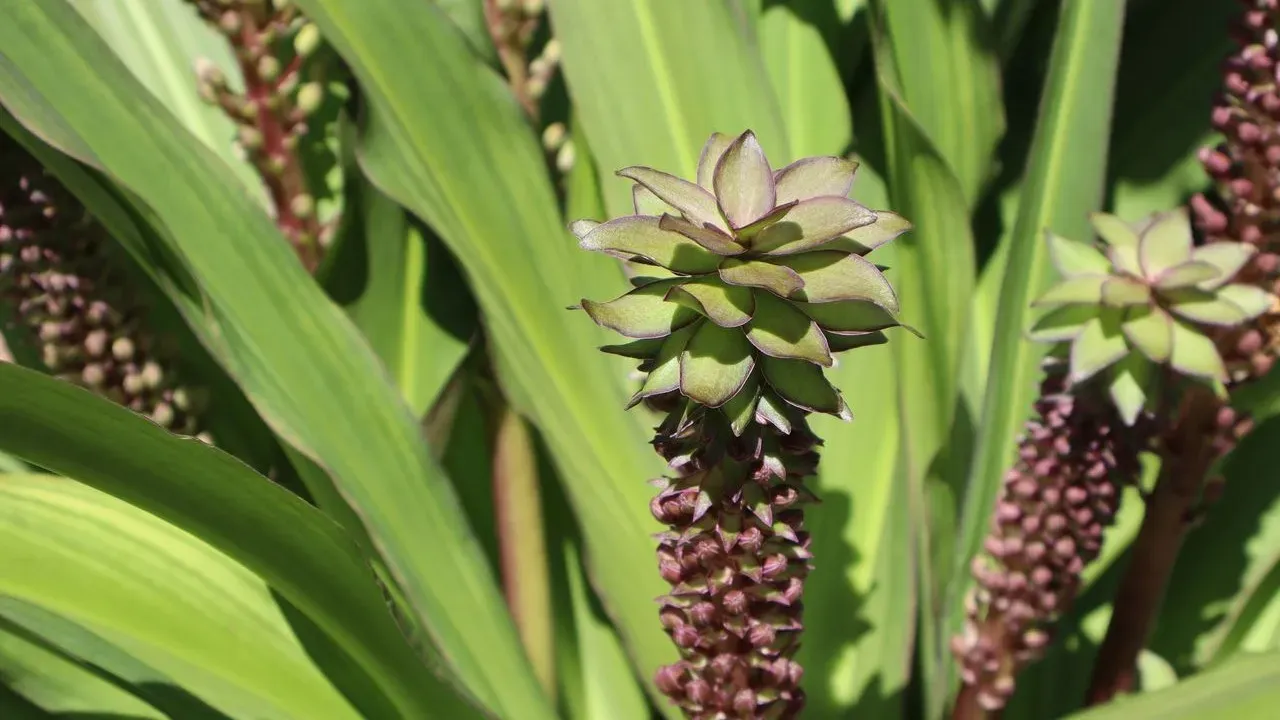

Washington – A pineapple lily has spent five years in Lila’s garden, where it has not only endured the local conditions but expanded into a striking late-summer feature. The perennial’s ability to multiply under Zone 8b circumstances offers a clear example of how certain plants can exceed typical expectations in the Pacific Northwest. Gardeners in similar climates have taken note of such outcomes when selecting specimens that combine visual interest with proven staying power.
Plant Characteristics and Initial Placement
The pineapple lily presents a distinctive silhouette that evokes warmer regions, with foliage and flower spikes that stand out in mixed borders. In this Washington setting the plant settled into its location without special protection beyond standard garden practices. Over successive seasons the original specimen produced offsets that filled additional space, turning a single planting into a more substantial grouping.
The late-summer bloom period aligns with a time when many other perennials have finished their main display. This timing extends the season of interest in the garden and provides a focal point when temperatures begin to moderate. The structure of the flower heads, resembling small pineapples atop sturdy stems, adds architectural value even after the color fades.
Performance Across Five Seasons
Each year the colony has increased in size while maintaining healthy growth. The multiplication has occurred steadily rather than explosively, resulting in a balanced presence rather than overcrowding. Observers note that the plants continue to produce reliable flowering stems despite the cooler winters typical of the region. Zone 8b conditions include occasional freezes that can challenge less tolerant species.
The pineapple lily’s continued expansion indicates a level of cold tolerance that supports its use beyond strictly mild climates. This track record supplies practical evidence for gardeners weighing similar choices for their own yards.
Practical Implications for Regional Gardeners
Home gardeners seeking plants that deliver tropical aesthetics without requiring overwintering indoors now have a documented case from a comparable climate. The five-year span demonstrates consistency rather than a single favorable season. Such longevity reduces the need for frequent replacement and allows the planting to mature into a more established element of the landscape.
The experience also highlights the value of observing how individual plants respond in specific microclimates. Factors such as soil drainage, sun exposure, and winter protection can influence results, yet the core finding remains that this perennial has adapted successfully. Gardeners in adjacent zones may find the information useful when planning borders that emphasize late-season impact.
The outcome underscores a straightforward takeaway: certain exotic-appearing perennials can integrate reliably into cooler-zone gardens when given appropriate conditions. This particular planting continues to serve as a working example for those evaluating options that balance appearance with resilience.
AI Disclaimer: This article was created with the assistance of AI tools and reviewed by a human editor.