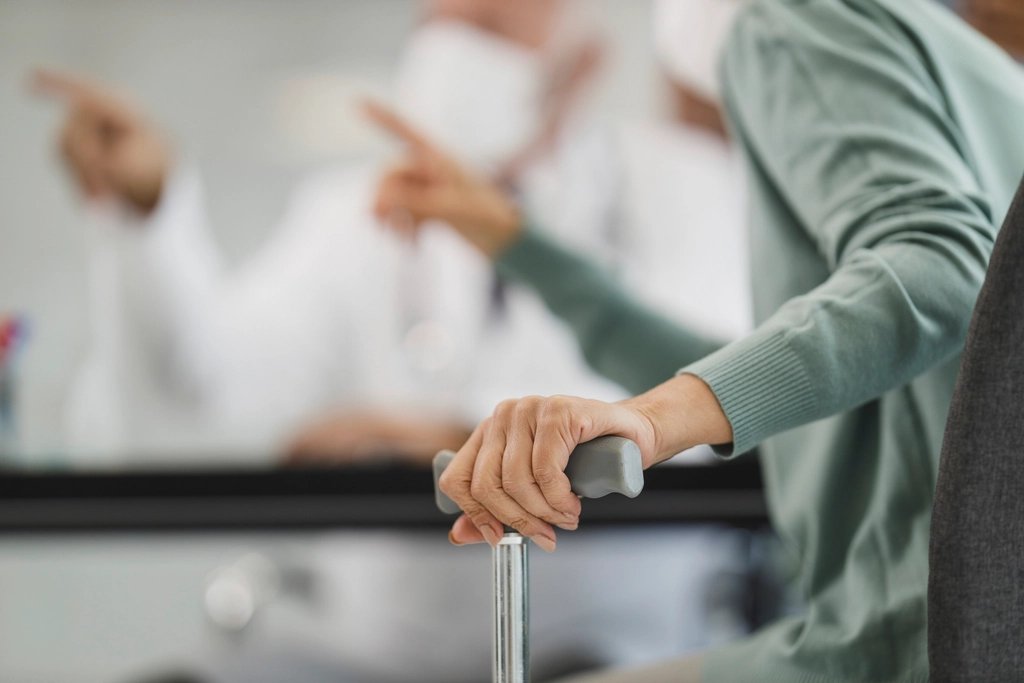

The Scale of the Underreporting Problem
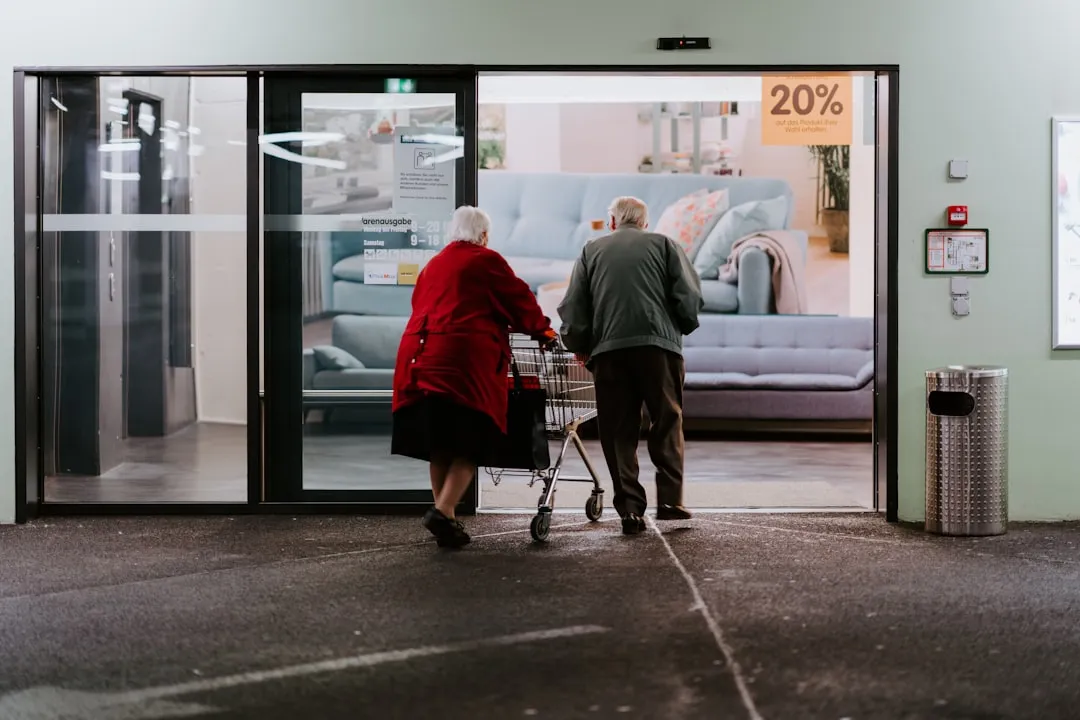
The gap between falls that happen and falls that get reported is wider than most people realize. Research published in the Journal of the American Geriatrics Society found that an overwhelming 72% of individuals who received Medicare-reimbursed health care for fall-related injuries failed to report a fall injury when asked. That figure is not a minor oversight. It represents the overwhelming majority of people who had already sought medical care for their fall keeping that information from those asking.
Nearly 70% of falls are underreported for a variety of reasons, including the perceived stigma and unreliability of a patient’s recollection of the fall. The underreporting also extends beyond individual seniors to the institutional level. A federal investigation by the Department of Health and Human Services Office of Inspector General revealed that nursing homes failed to report 43% of falls with major injury among Medicare-enrolled residents, omitting nearly 18,400 of 42,000 such falls from their federally required assessments.
Fear of Losing Independence at Home
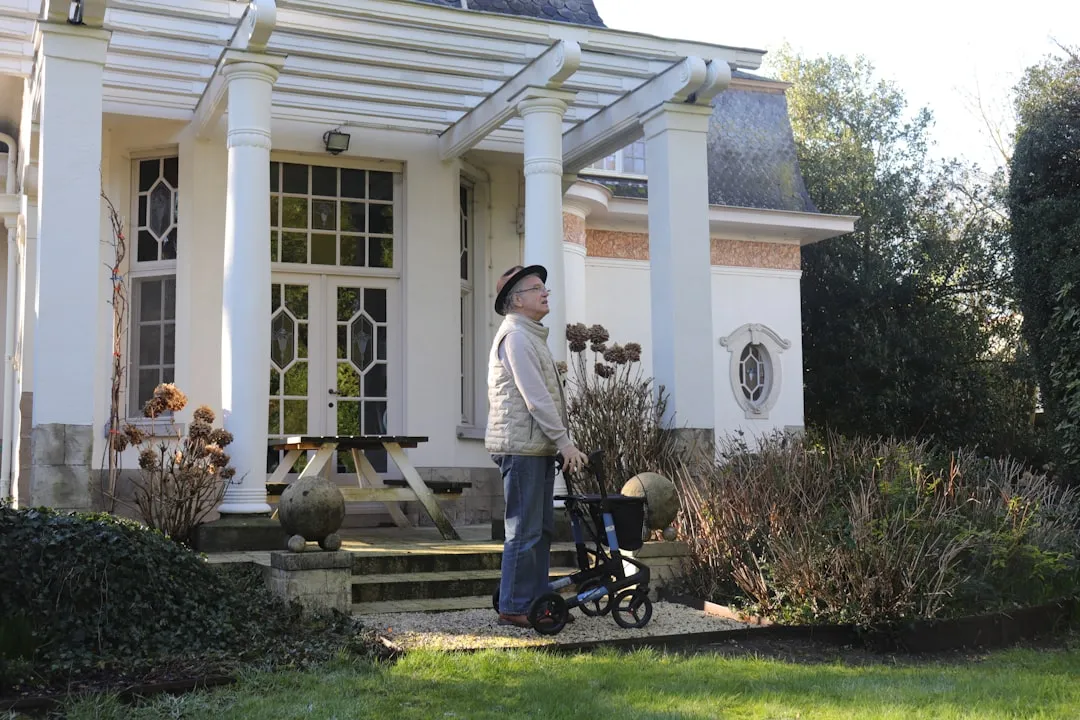
For many seniors, home is not just a place to live. It’s the anchor of their identity and autonomy. Based on their own assessments, most older adults would like to stay as independent as possible for as long as possible in their own homes, and falling poses a serious threat to that independence.
Elders may choose not to report fall incidents or ambulatory degeneration out of hesitation to create unnecessary concern for their family members, or from fear of being forced into a communal care setting that threatens their independence. That fear is not irrational. Up to 40% of all nursing home admissions have been found to relate to falls and instability. Seniors often know this, even if they’ve never read a study about it.
The Stigma Attached to Falling
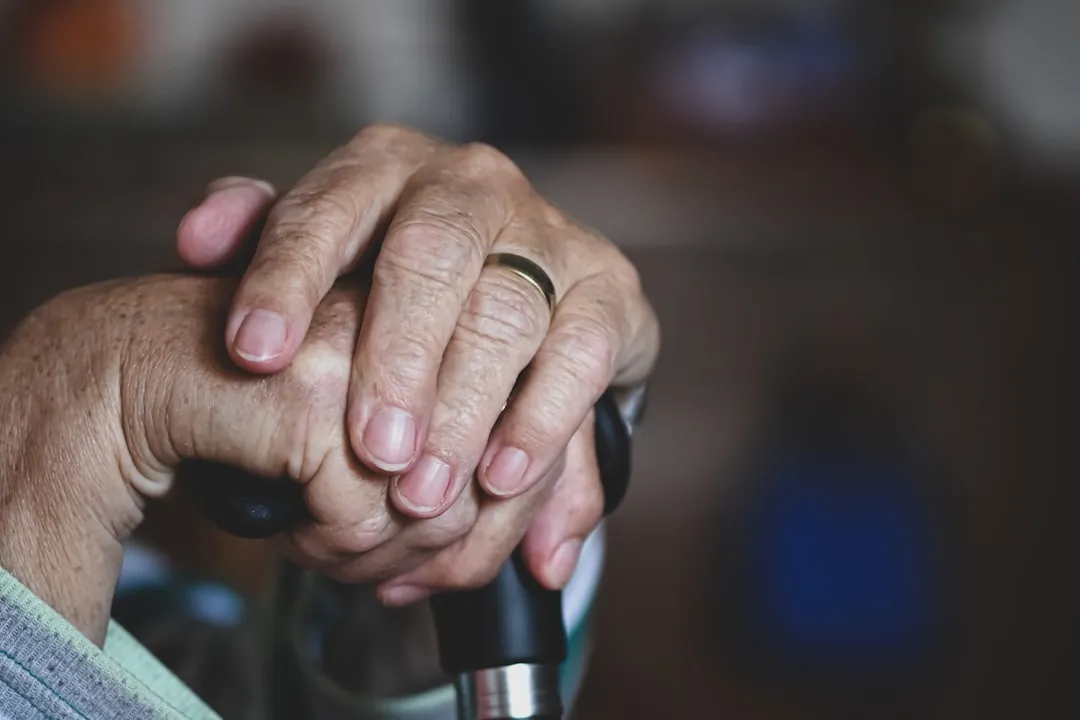
There’s an unspoken shame that many older adults carry around the act of falling. There is a psychological resistance or stigma associated with visible signs of decline. Elders rarely want to broadcast to the world the state of their physical deterioration, and they expect to be treated with dignity.
Falling can feel, to the person who experiences it, like a public admission that the body is failing. Redesigned questions that address stigma of attributing injury to falling may actually improve how often seniors report these incidents to medical professionals. The stigma is so embedded that even clinical screening tools have struggled to capture it accurately for decades.
Not Wanting to Worry the Family

Among the most human reasons seniors stay quiet is a protective instinct toward the people they love. Many older adults have spent a lifetime being the caregiver, the steady one, the person others rely on. Admitting to a fall can feel like reversing that role in a way that’s deeply uncomfortable.
Seniors may choose not to report fall incidents for hesitation of creating unnecessary concern for their family members. This silence is often rooted in love rather than evasion. They weigh their family’s anxiety against their own pride and frequently decide the fall wasn’t serious enough to justify the worry it would cause.
Downplaying the Severity of What Happened
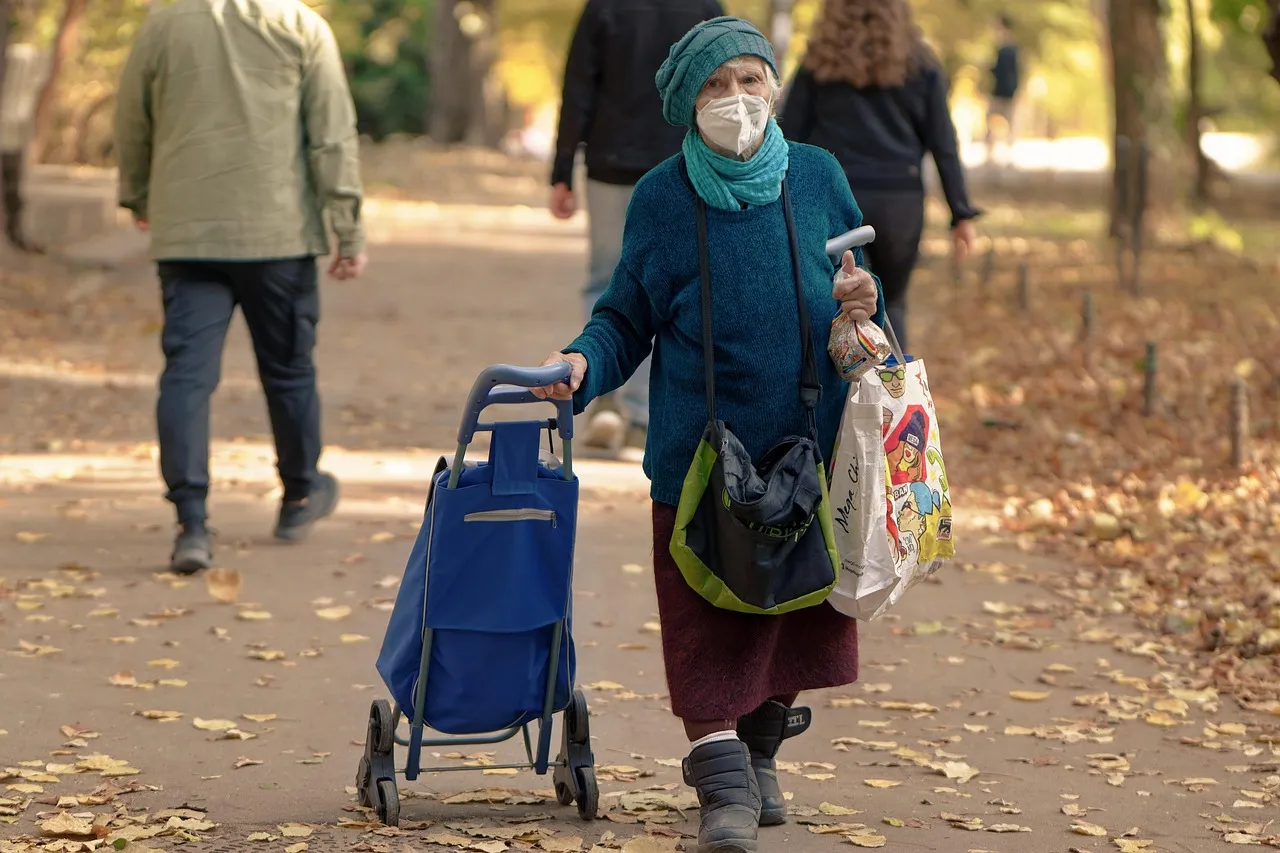
Seniors often tell themselves the fall was minor and simply not worth mentioning. In some cases, this may be true. In others, it’s a quiet form of denial. Not all falls result in serious injury; sometimes an older adult may just have some scrapes or bruises. That makes it easy to rationalize saying nothing.
The problem is that minor falls are often warning signs of deeper issues, such as deteriorating balance, medication side effects, or early cognitive decline. Falls are the leading cause of injury-related death among adults ages 65 and older, and the fall death rate is increasing. What seems like a small stumble can be the beginning of a pattern that escalates quickly if left unaddressed.
Fear of Medical Intervention and Over-Medicalization

Reporting a fall often triggers a cascade of appointments, assessments, and potential medication changes. For some seniors, that chain of events feels more disruptive than the fall itself. They worry about being placed on additional medications, referred to specialists, or subjected to ongoing monitoring that erodes their sense of agency.
The rising number of deaths from falls among older adults can be addressed by screening for fall risk and intervening to address risk factors such as use of medicines that may increase fall risk, or poor strength and balance. Yet the very interventions designed to help can feel threatening to people who’ve spent decades managing their own health without outside input. The medical system, however well-intentioned, can feel overwhelming to navigate.
The Role of Memory and Cognitive Changes
Not all underreporting is intentional. Some seniors genuinely do not remember the fall clearly, particularly those with early-stage cognitive decline. Up to 70% of older Medicare beneficiaries receiving medical care for an injurious fall do not accurately report their fall injury when asked to recall up to two years later.
Memory lapses around traumatic or embarrassing events are well documented, and falls can fit both categories. The underreporting of falls is tied in part to the perceived stigma and to the unreliability of a patient’s own recollection of the event. This means that families often can’t rely on a senior’s self-report alone, even when the senior is completely honest and cooperative.
Social Isolation Makes Silence Easier

Seniors who live alone have no one watching. A fall can happen on a Tuesday morning and simply never come up in conversation because there’s no one nearby to notice. The fear of falls also increases social isolation and loneliness for many older adults who avoid going out because of these fears. Ironically, the isolation that follows fear of falling also creates the conditions in which falls go unwitnessed and unreported.
The majority of fall injuries among older people, roughly 55%, occur inside the home, with an additional 23% happening outside but near the house. These are private spaces where accidents are easy to hide and easier still to quietly recover from without telling anyone.
The Financial Concern Behind Staying Quiet

Healthcare is expensive, and many seniors are acutely aware of what a fall-related hospital visit can cost. In 2020, healthcare spending for non-fatal falls among older adults reached 80 billion dollars in the United States alone. That burden doesn’t fall only on the system. For individuals without comprehensive coverage, out-of-pocket costs from a fall can be devastating.
Seniors may choose silence partly to avoid triggering expenses they feel they can’t afford or don’t want to pass along to their families. Physical injuries from falls cause pain, disability, temporary or permanent loss of independence, potential changes in living situations, and even death. When financial pressure is already tight, disclosing a fall can feel like opening a door to costs and complications that seem easier to avoid.
What Families and Caregivers Can Do

Creating space for honest conversations requires patience, consistency, and a deliberate shift away from alarm. Families who respond to a fall with immediate panic or calls for major life changes may actually be reinforcing the very silence they’re trying to break. A calmer, more curious approach tends to work better over time.
Given the emphasis on collecting fall risk data during Medicare Annual Wellness Visits and the critical importance of asking about falls to prevent future incidents, this information can directly inform health policy and future fall prevention efforts. Families can play a parallel role at home by making check-in conversations about physical safety a routine, low-key part of life rather than a reaction to crisis. A simple accident like losing your footing on stairs, tripping over a cord, or slipping in the bathroom can change the course of an individual’s life. Keeping those conversations open and non-threatening is one of the most effective tools available.
The Takeaway
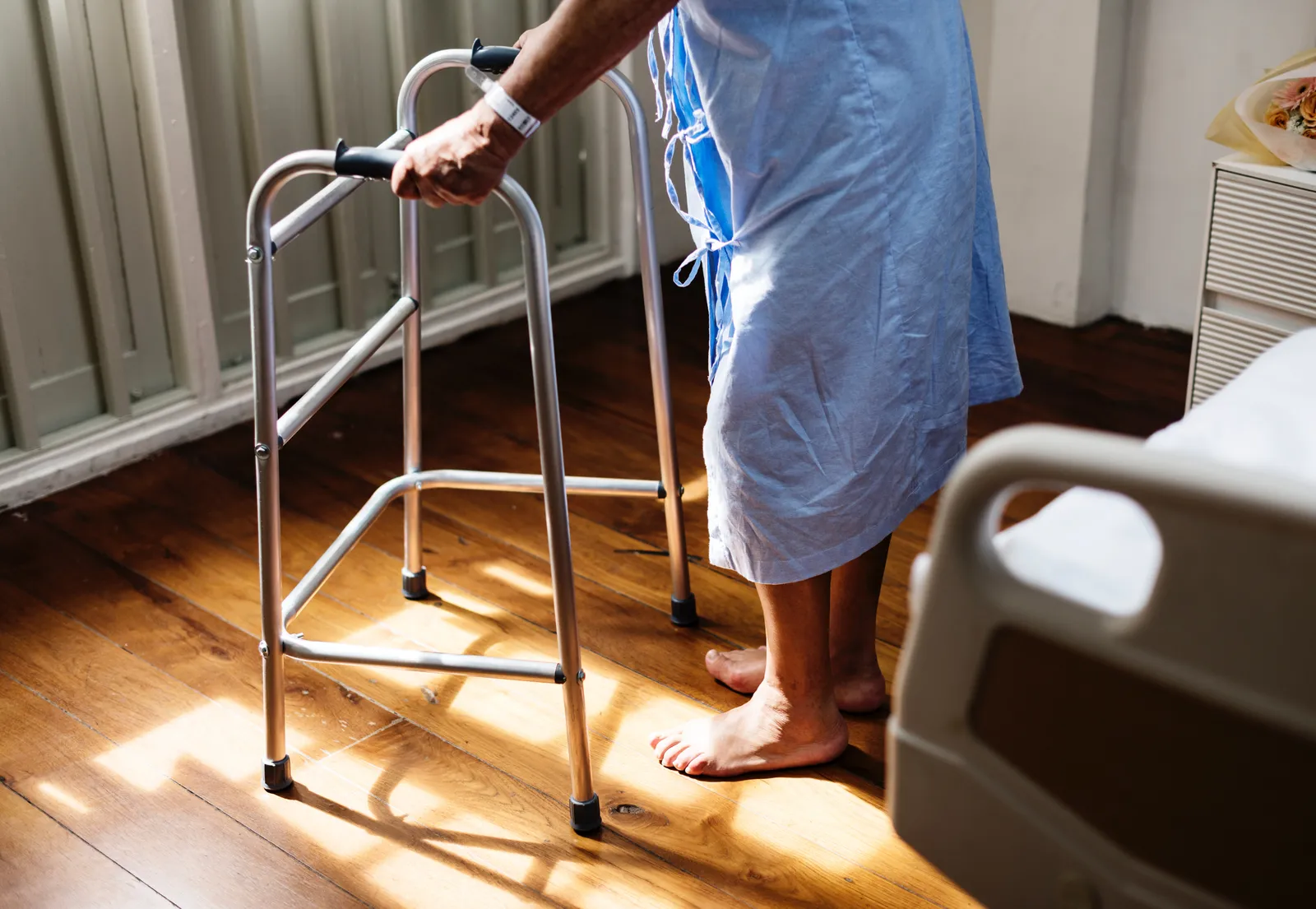
Silence around falls is not stubbornness. It’s usually a combination of dignity, fear, love, and habit. Over the past ten years, the number of fall-related deaths among older adults has increased by 51%, while emergency department visits have risen by 38%. Those numbers will keep climbing as long as falls go unacknowledged and untreated.
The most useful thing a family can offer is not surveillance but trust. When older adults feel confident that disclosing a fall won’t automatically cost them their home, their freedom, or their family’s peace of mind, they’re far more likely to speak up. That shift in dynamic, quiet and gradual as it may be, is where real prevention begins.
AI Disclaimer: This article was created with the assistance of AI tools and reviewed by a human editor.