
1. Garlic: The Kitchen Staple With Real Antiplatelet Activity
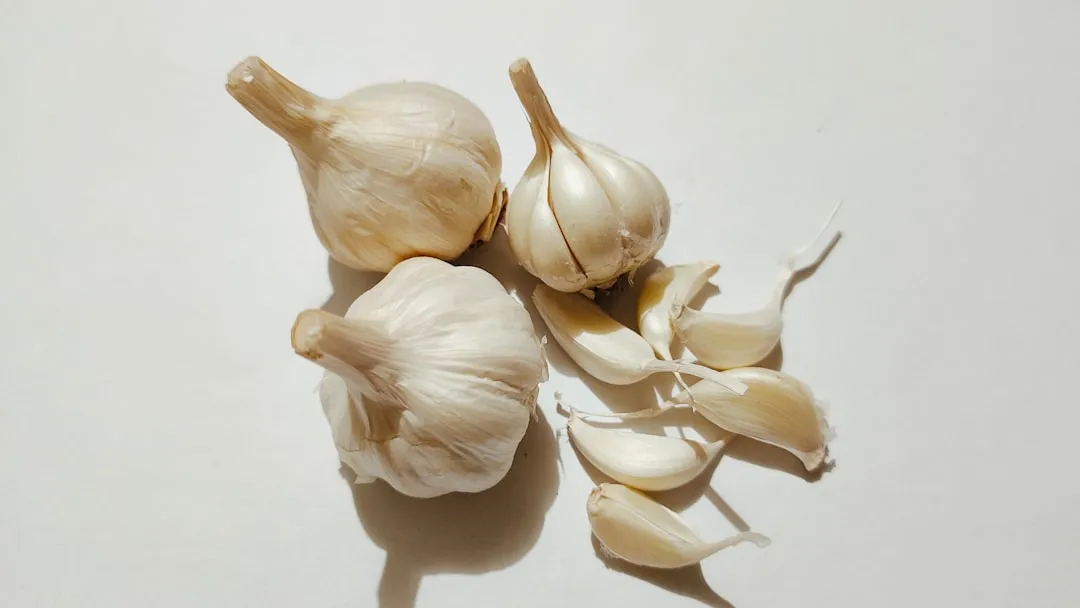
Garlic is probably the most studied food on this list when it comes to blood health. Garlic does have real blood-thinning properties, containing several compounds that reduce the tendency of platelets to clump together, which is one of the first steps in forming a blood clot. When you cut or crush a garlic clove, a chemical reaction produces allicin, and this compound, along with adenosine and polysulfides, interferes with platelet aggregation, the process where blood cells stick together to form clots.
Ajoene, a sulfur-containing compound derived from garlic, irreversibly inhibits platelet aggregation, thereby potentiating the effects of anticoagulants like aspirin and warfarin. That potentiation is worth taking seriously. Garlic is known for its natural antiplatelet activity, and this effect can raise the risk of bleeding, especially if you’re on medications like warfarin or other vitamin K antagonists.
A meta-analysis of 39 trials involving roughly 2,300 participants demonstrated an improvement in total cholesterol and low-density lipoprotein in adults with slightly elevated baseline levels. Still, garlic is not a substitute for aspirin or prescription blood thinners. Think of it as a useful dietary ally, not a pharmacological tool.
2. Ginger: Anti-Inflammatory and Mildly Antiplatelet
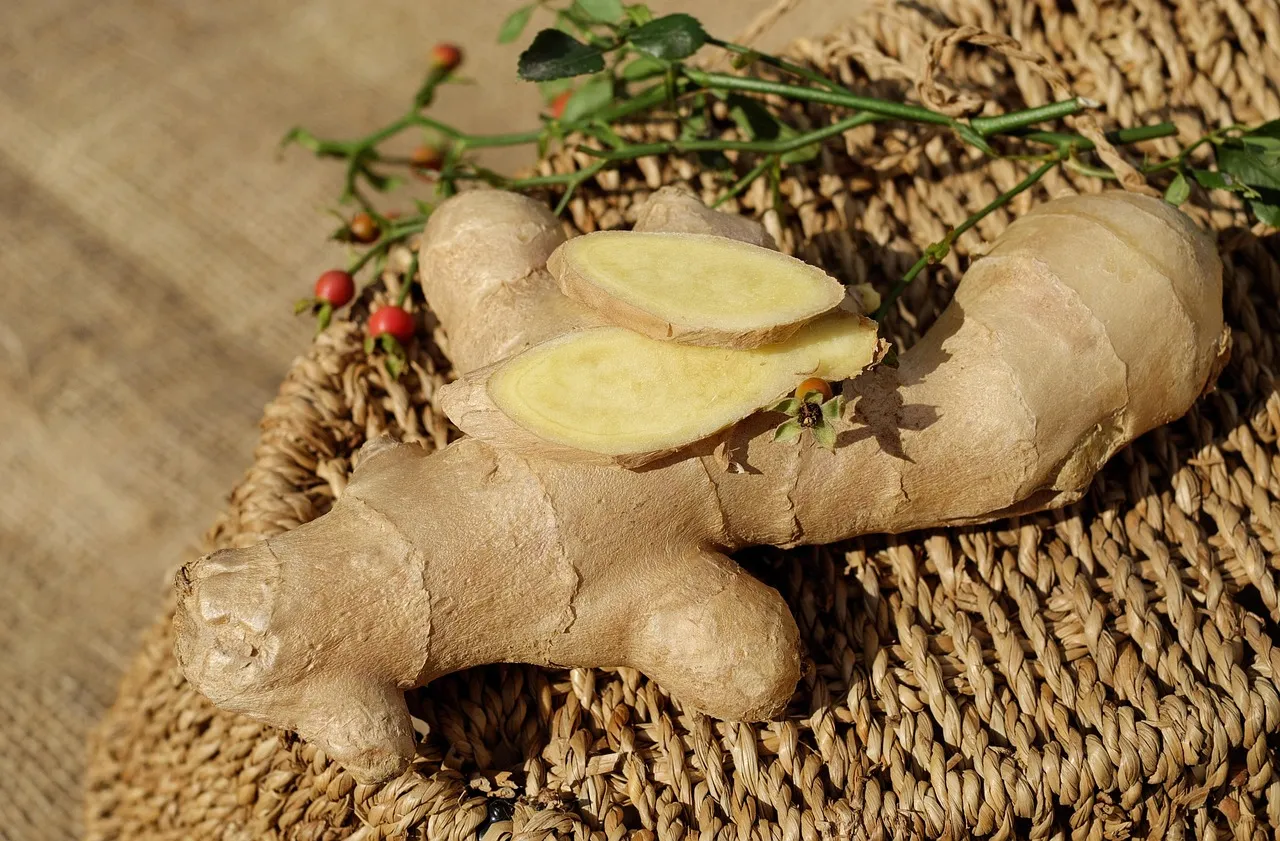
Ginger works similarly to garlic, with gingerols and shogaols acting as natural antiplatelet agents. These are the same compounds responsible for ginger’s sharp, warming flavor. Ginger contains gingerol, a compound with anti-inflammatory properties.
Ginger is an anti-inflammatory spice that may have blood-thinning properties. However, it’s important to keep expectations proportionate. Lab studies suggest ginger might have mild antiplatelet effects, but robust human data confirming a significant blood-thinning action in people is still lacking.
What ginger does offer is consistent, broad anti-inflammatory activity and a long track record of safe culinary use. Ginger exhibits anti-inflammatory vascular activity but can also increase the risk of bleeding when combined with antithrombotic therapy. If you’re already on blood thinners, that combination deserves a conversation with your doctor.
3. Turmeric: The Curcumin Connection
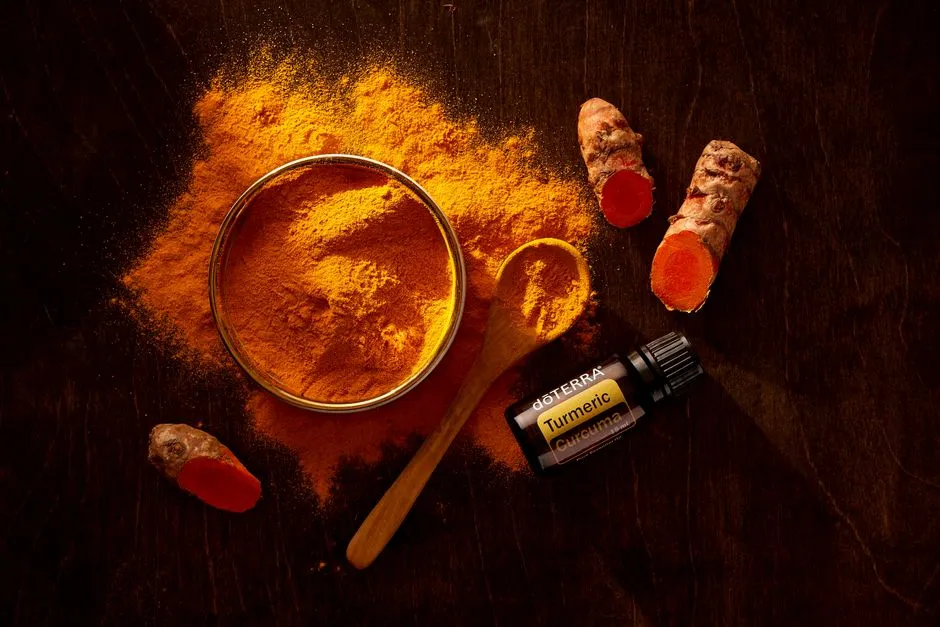
Turmeric is widely recognized for its antithrombotic activity. Its active compounds, such as curcuminoids and flavonoids, contribute to its ability to prevent blood clot formation, and modern research supports its role in reducing the risk of thrombosis through antiplatelet, anticoagulant, and fibrinolytic effects.
Turmeric’s curcumin inhibits arachidonic acid metabolism, reducing the production of clotting-promoting molecules. That said, curcumin is poorly absorbed by the body, and achieving therapeutic levels often requires specialized supplements, so its clinical significance as a blood thinner in humans remains unclear.
Many studies suggest turmeric is safe for humans to consume with no or limited side effects. However, combining turmeric with blood-thinning drugs can risk over-thinning the blood. Adding a pinch to your meals is generally considered safe, but high-dose curcumin supplements are a different matter entirely.
4. Fatty Fish: Omega-3s and Platelet Stickiness
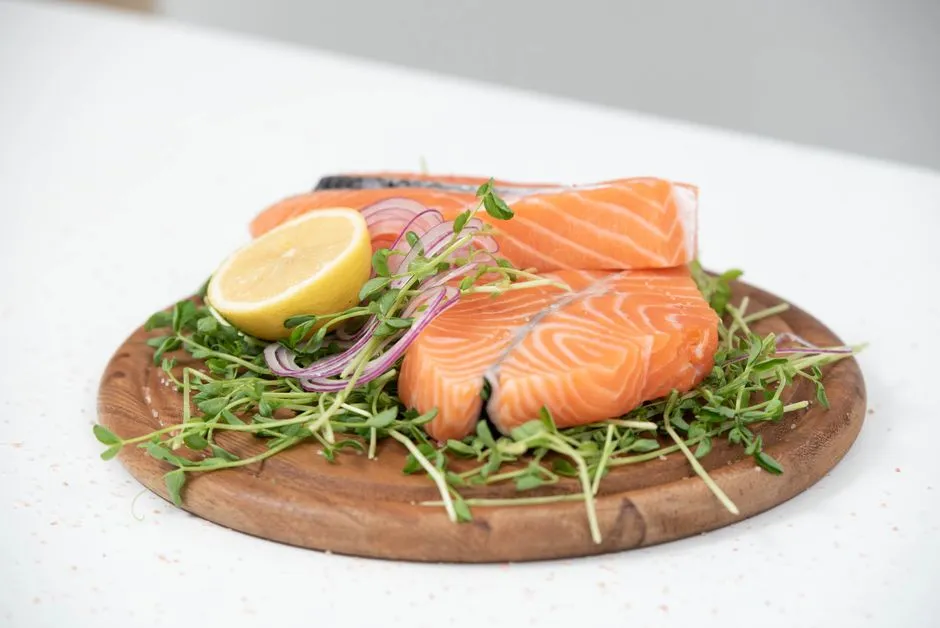
Found abundantly in fatty fish such as salmon, mackerel, and sardines, omega-3s (EPA and DHA) are known for their heart-healthy benefits and can make platelets slightly less sticky, potentially reducing the tendency for them to clump together. This is one of the more consistent findings across the literature.
Salmon provides countless benefits due to its high amounts of omega-3s, and the important omega-3s are EPA and DHA. Studies show these fats help produce nitric oxide, which is in charge of relaxing the blood vessels, leading to improved blood flow and decreased chances of clots.
Dose matters considerably here. A 2024 systematic review and meta-analysis of 11 randomized controlled trials involving over 120,000 patients, published in the Journal of the American Heart Association, found that standard omega-3 doses were not associated with increased bleeding risk overall. At one to two grams daily, fish oil appears relatively safe even when combined with aspirin. At three grams or higher, particularly in combination with other anticoagulants, bleeding risk increases.
5. Cayenne Pepper: Heat That Helps Circulation
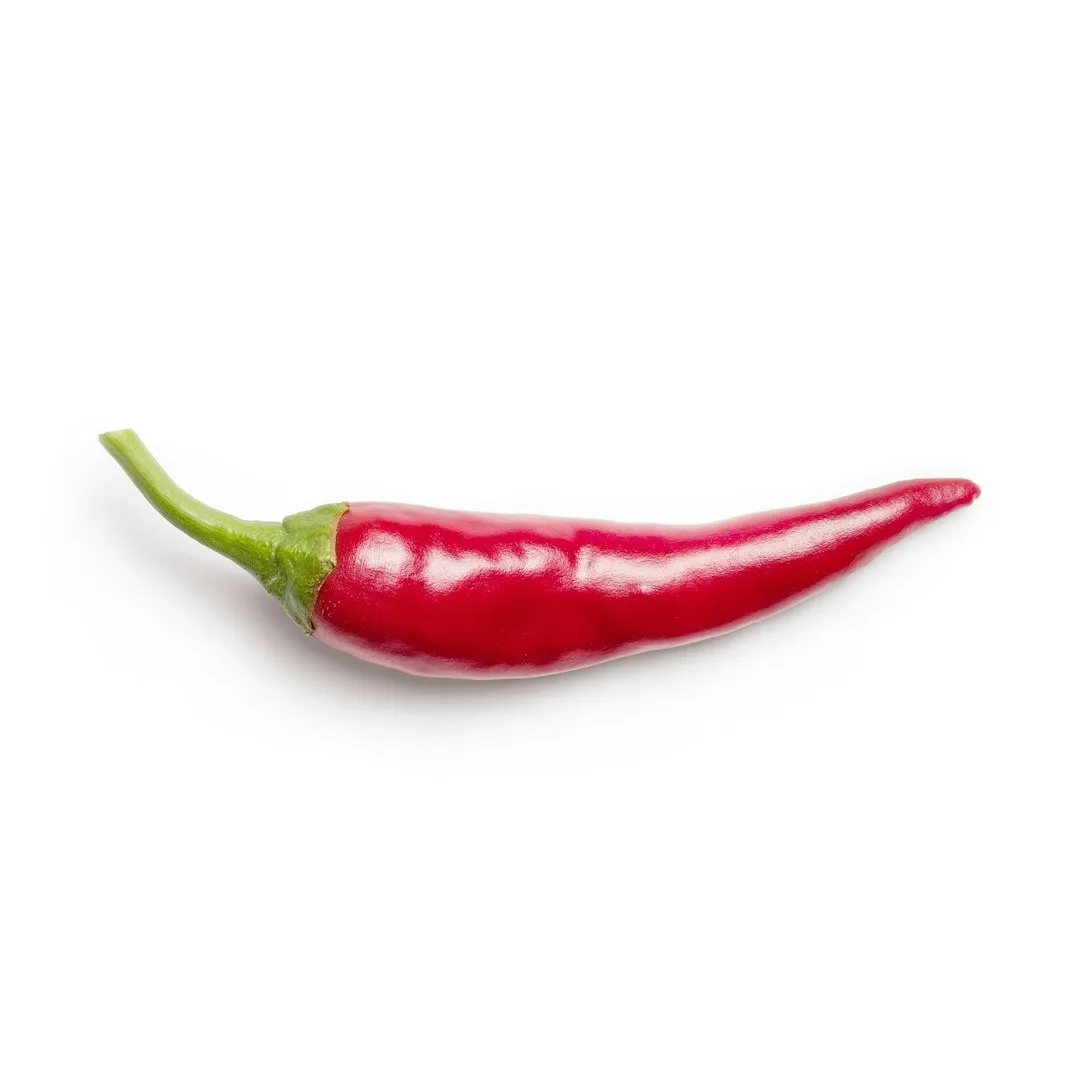
Foods rich in salicylates, including certain spices like chili, curry, ginger, rosemary, and turmeric, can mimic the antiplatelet effects of aspirin, thus acting as natural blood thinners. Cayenne pepper is among the most salicylate-rich spices available in any grocery store.
Cayenne pepper is a spice high in salicylates. It is an anticoagulant that assists with natural blood-thinning abilities, and it increases circulation, which helps prevent the blood from getting stuck and clotting. Along with its anticoagulation benefits, it also lowers blood pressure and reduces pain sensations.
The practical amounts used in cooking are modest, so the effects are mild rather than dramatic. Still, cayenne used consistently as part of a varied diet contributes to a broader pattern of anti-inflammatory eating that benefits the cardiovascular system over time.
6. Grape Seed Extract (and Grapes): Polyphenols at Work

Grapes and their seeds contain a dense concentration of polyphenolic compounds that have attracted serious scientific attention. Research has examined the dual anticoagulant and antiplatelet activity of polyphenolic grape seed extract. These polyphenols appear to work through more than one pathway simultaneously, which makes them scientifically interesting.
Several nutraceuticals demonstrate potential cardiovascular benefits through lipid-lowering, antithrombotic, and vascular protective mechanisms. Grape-derived polyphenols fall squarely into that category. Honey and similar phenolic-rich foods also exhibit anti-platelet and antioxidant effects, which can help prevent cardiovascular diseases by inhibiting blood platelet activation and reducing oxidative stress.
Whole grapes are a reasonable and enjoyable way to incorporate these compounds. Grape seed extract in supplement form is more concentrated and, as with any supplement, warrants more caution, especially for people already on anticoagulant therapy.
7. Pineapple: Bromelain’s Surprising Role
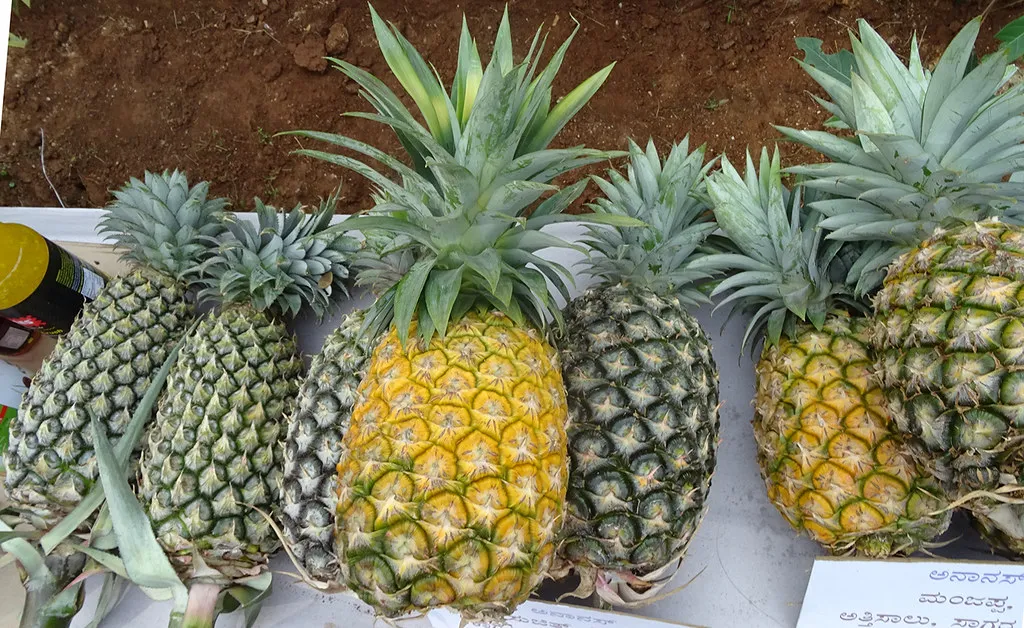
Bromelain is a protein-digesting enzyme that stems from pineapple. It’s not a compound most people would associate with cardiovascular health, but it has been studied specifically for its antiplatelet and anti-inflammatory properties. The enzyme is concentrated most heavily in the stem of the fruit.
Fruits like grapefruit, guava, kiwi, pineapple, and watermelon are rich in salicylates, which can mimic the antiplatelet effects of aspirin, thus acting as natural blood thinners. Pineapple carries this double benefit through both its bromelain content and its salicylate profile.
Several common foods and supplements have laboratory or small clinical evidence suggesting mild effects on platelets or clotting. Pineapple is one of those foods where the evidence is real but modest. Eating it regularly as part of a balanced diet is sensible. Treating it as a medical intervention is not.
What “Blood Thinning” Actually Means in Food Terms
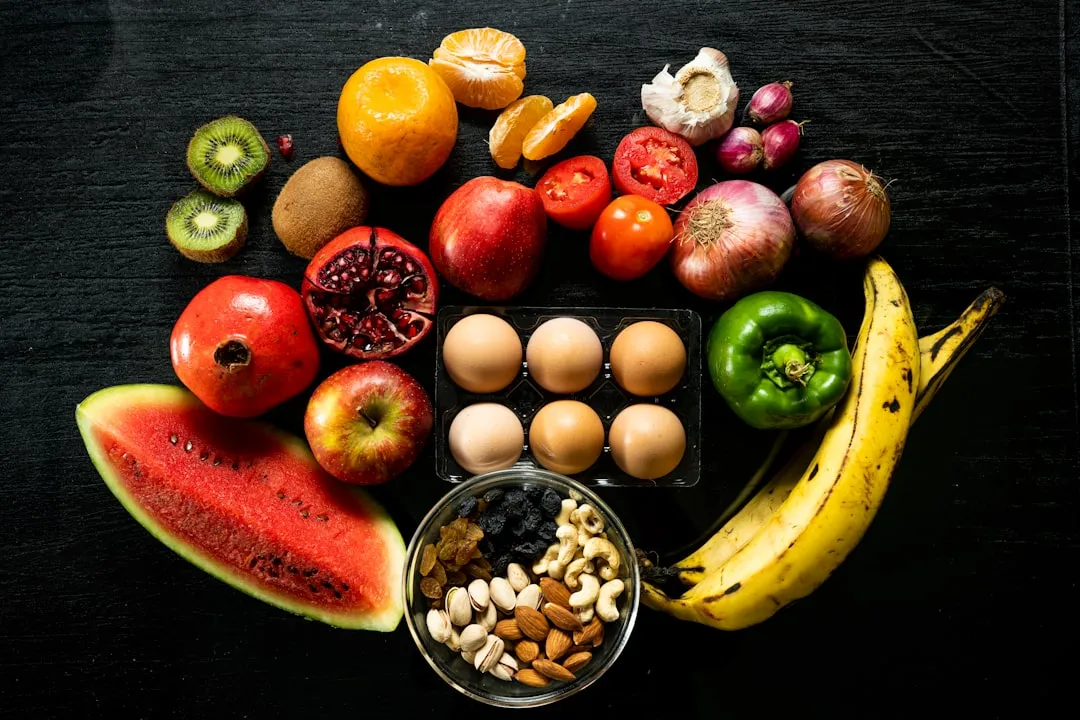
Foods that naturally thin your blood work by reducing blood platelet aggregation or affecting the clotting process. This is meaningfully different from what prescription anticoagulants do. Drugs like warfarin target specific clotting factors with precision and predictability. Foods work more diffusely and far more gently.
The evidence for culinary supplements is largely mechanistic and observational. Laboratory studies consistently show that garlic, ginger, and turmeric inhibit platelet aggregation in vitro. What happens in a test tube and what happens in the human body are not always the same thing, which is why tempered expectations are essential when interpreting this research.
Omega-3 fatty acids can affect platelet activity and triglyceride levels, yet routine dietary intake from fish is not the same as taking high-dose supplements, which may carry more interaction concerns. Context and quantity almost always determine whether a food’s effect is beneficial, negligible, or risky.
Who Should Be Especially Careful
If a person is taking blood thinners, natural remedies might interact with their medication. It is not possible to dissolve a blood clot with natural remedies, nor can they effectively treat or lower the risk of blood clots on their own. This is a critical distinction that often gets lost in wellness content online.
People with atrial fibrillation, deep vein thrombosis, stroke risk, or artificial heart valves should not replace prescribed treatment with home remedies. For these individuals, diet can support, but never substitute, proper medical care. Any supplement or major diet change should be discussed with a doctor before surgery or while taking anticoagulants or antiplatelet medicines.
It is recommended that garlic supplements be discontinued at least seven days before surgery to minimize bleeding risks. The same principle broadly applies to concentrated supplements of ginger, turmeric, and other items on this list. Culinary amounts are generally far less of a concern than supplement-level doses.
How to Incorporate These Foods Sensibly
Some foods and spices act like gentle, natural anticoagulant helpers. Fatty fish rich in omega-3s, garlic, ginger, turmeric, cayenne pepper, nuts, and seeds may help reduce platelet stickiness and support healthy blood flow. The key word across all of these is “support.” They contribute to a pattern, not a treatment protocol.
Incorporating natural blood thinners into your diet and lifestyle is an effective way to maintain healthy circulation and reduce clotting risks. Blood-thinning vegetables and fruits, omega-3-rich foods, and specific supplements offer potential anticoagulant benefits. Variety matters more than quantity of any single food.
While these foods can support cardiovascular health, they should never replace medical treatments without a doctor’s guidance. Cooking with garlic, adding turmeric to soups, eating salmon twice a week, and reaching for pineapple as a snack are all reasonable, pleasurable steps. They just work best as part of a whole diet, not as isolated remedies.
The Takeaway
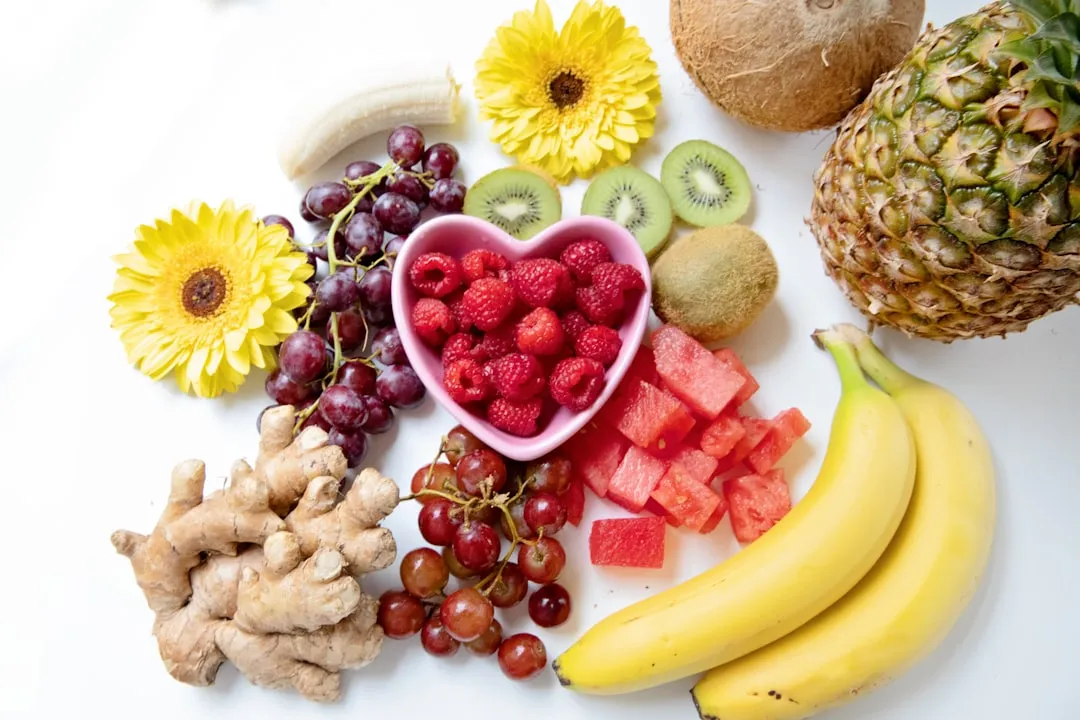
The seven foods covered here have genuine, research-backed reasons to feature in any heart-conscious diet. Some natural substances in foods and supplements may help reduce the risk of clotting, but research is not yet conclusive. That honest uncertainty doesn’t diminish their value. It simply puts them in the right category: supportive dietary choices rather than medical treatments.
Garlic, ginger, turmeric, omega-3s, and some herbs may increase bleeding risk, especially when combined with blood-thinning medicines. So the same qualities that make these foods useful also demand a degree of awareness. Anyone managing a clotting condition or taking anticoagulant medication should loop in their physician before dramatically increasing consumption of any of them.
Ultimately, a diet rich in these foods reflects the broader principles of anti-inflammatory, heart-supportive eating. That’s a goal worth pursuing regardless of what the scales of evidence say about any individual compound. Eat well, eat varied, and let your plate work quietly in your favor.
AI Disclaimer: This article was created with the assistance of AI tools and reviewed by a human editor.