
A Hearing Range That Leaves Humans Behind
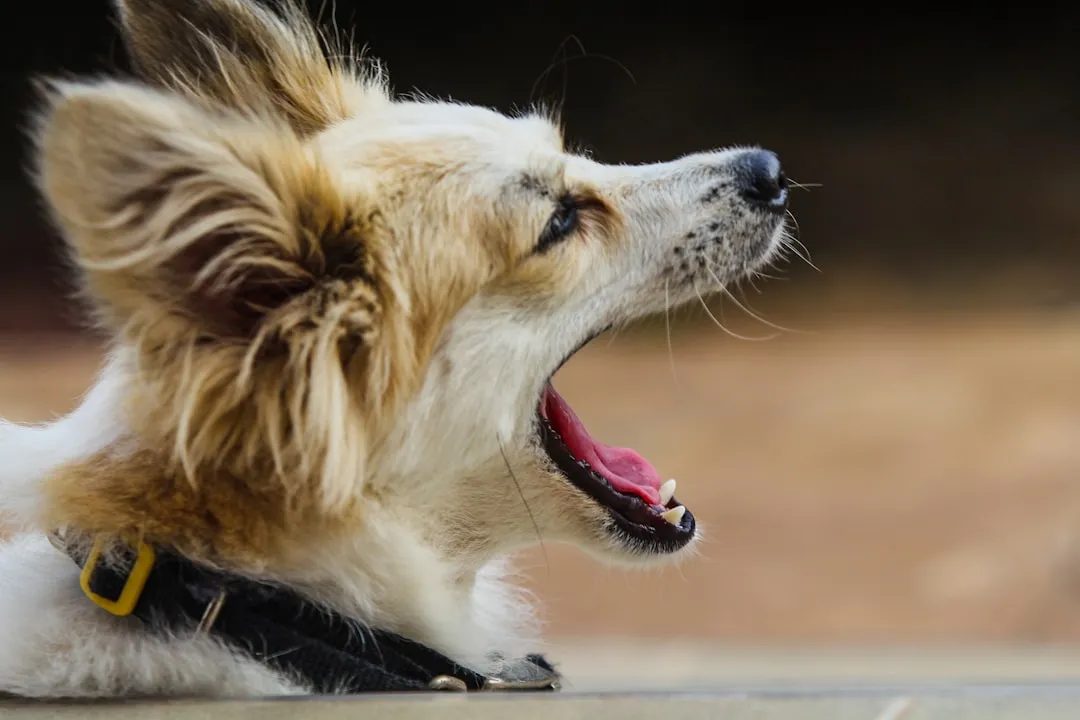
One of the main ways dogs sense an approaching storm is through their acute sense of hearing. Dogs can hear frequencies between 40 Hz and 60 kHz, much higher than the human range of 20 Hz to 20 kHz. That extended upper range gets most of the attention, but the lower end of their hearing matters just as much when it comes to storms. With their superior hearing, dogs can detect the low-frequency rumblings of distant thunder long before humans can.
Dogs have highly developed senses, especially their sense of hearing and smell. Their ability to detect subtle environmental changes allows them to sense a storm long before humans can. While we may not always notice the shift in air pressure, temperature, or sound, dogs can detect these changes with ease.
What Infrasound Actually Is
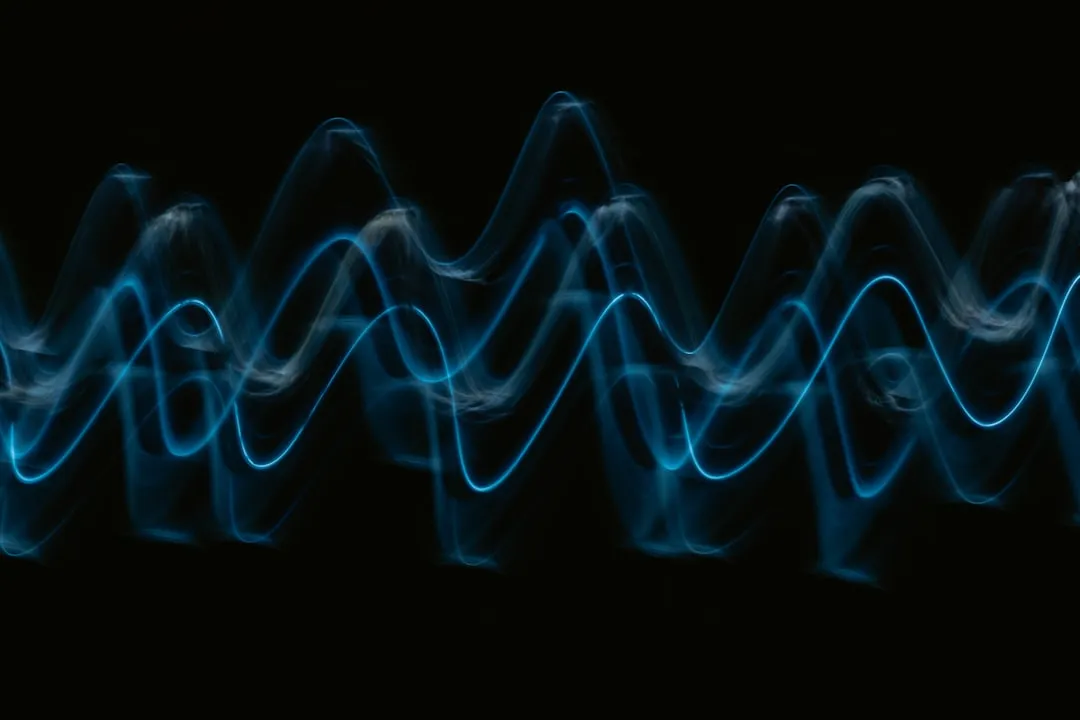
Infrasound is defined as sound waves below the limit of human hearing, specifically below 20 Hz. These frequencies don’t disappear simply because we can’t perceive them. Infrasound waves can propagate over long distances and are produced by a variety of natural sources, including volcanic eruptions, avalanches, earthquakes, and severe weather phenomena such as storms.
Storms generate infrasound, and some animals are believed to be able to detect these infrasonic vibrations. For dogs, this opens up a sensory window onto approaching weather that humans simply don’t have access to. The sound is there. We just can’t hear it.
Tornadoes Emit Measurable Infrasound

Tornadic infrasound has been measured between 0.5 and 6 Hertz. In May 2024, Dr. Bin Liang with the University of Mississippi published a paper confirming that tornadoes emit dominant low-frequency infrasound between 0.5 and 1.2 Hertz, after examining tornadic and non-tornadic supercells. These are extremely low frequencies, well below any threshold of human hearing.
In September 2024, researchers from the National Center for Physical Acoustics at the University of Mississippi and Benchtop Engineering LLC published a paper confirming tornadoes emit measurable infrasound between 2 and 6 Hertz. By July 2025, the United States Senate Committee on Appropriations encouraged the Office of Oceanic and Atmospheric Research to pursue research on near real-time infrasonic monitoring of tornadoes. The science of storm infrasound has become a serious field of study.
Barometric Pressure: The Drop Dogs Feel First
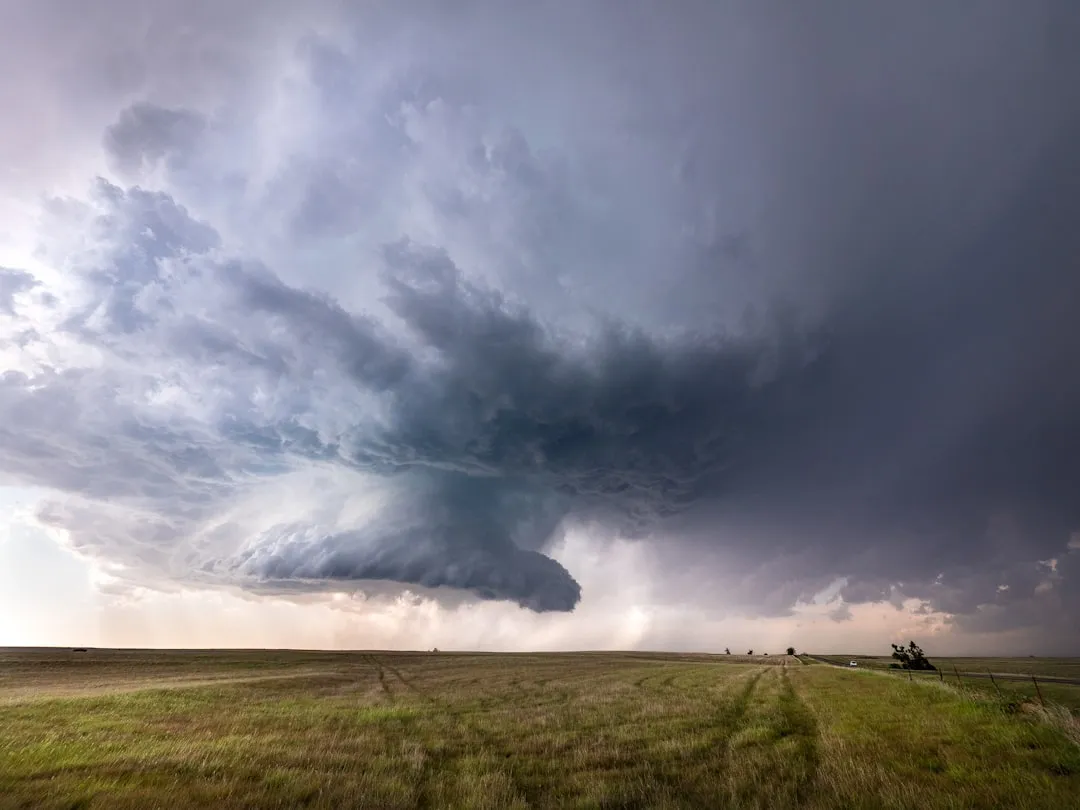
Barometric pressure, also called atmospheric pressure, is the weight of the air pressing down on the earth’s surface. A barometer measures it, and meteorologists track it closely because falling pressure often signals an approaching storm. What seems to matter most is not the exact number but how quickly the pressure drops.
Barometric pressure changes, specifically drops in pressure, can signal the approach of a weather front or storm. These changes can result in the generation of infrasound waves that dogs might detect. The ability to pick up on these low-frequency vibrations could provide dogs with an early warning system, alerting them to impending changes in the weather. As the air pressure drops before a storm, many dogs become agitated, and this drop in pressure might affect their sensitive ears and cause them discomfort or pain.
The Smell of a Storm: A Second Early Warning System
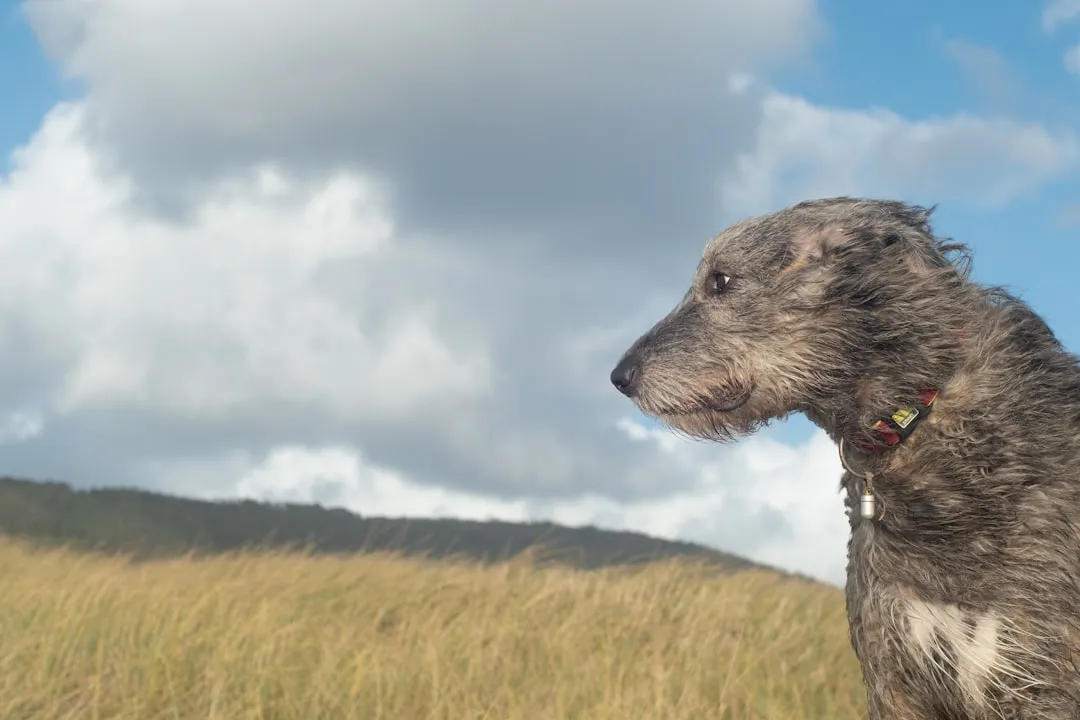
Dogs’ sense of smell is estimated to be tens of thousands of times more sensitive than ours. That extraordinary nose plays a direct role in storm detection. A dog’s sense of smell is highly developed, enabling them to detect the scent of rain and ozone produced by lightning. These olfactory cues can signal an approaching storm.
As the pressure in the air gets lower or changes, the way odors travel changes. A dog can notice this because of his super-nose, but humans can’t. He’s picking up the difference in how smells are traveling, and he’s realizing there’s a shift in the pressure. It’s a whole sensory portrait of an incoming storm, assembled long before the clouds arrive overhead.
Static Electricity in the Fur
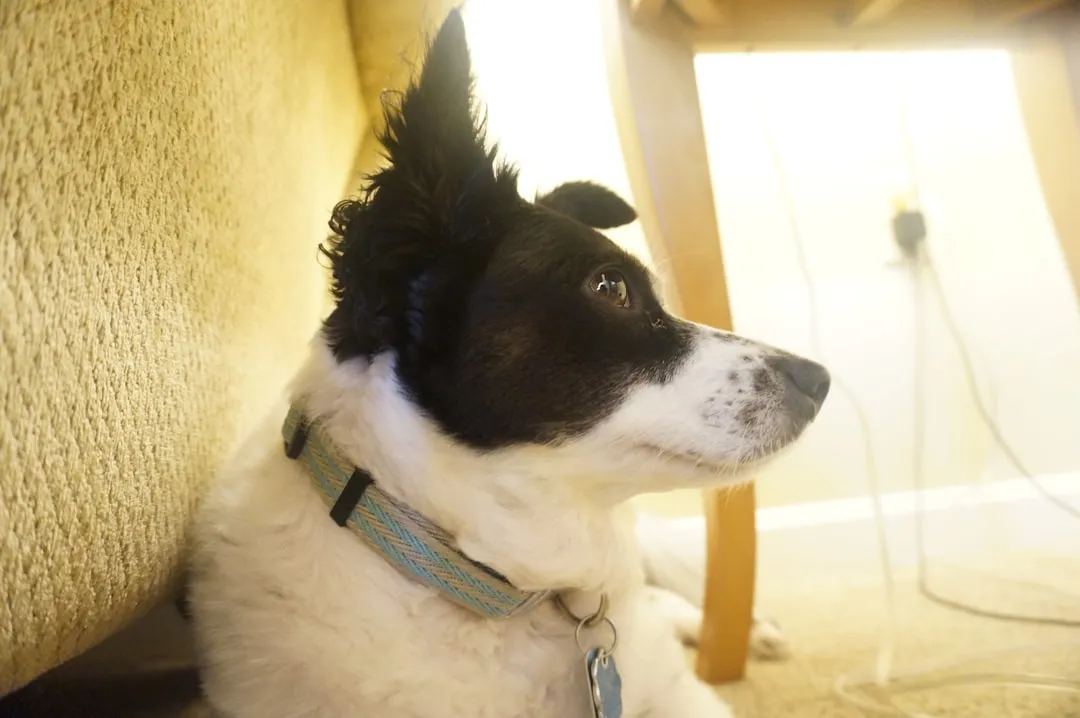
Dogs may also be reacting to a build-up of static electricity in their fur. Thunder is caused by the pressure shock of lightning, and the positive and negative electrical charges in the atmosphere build until the air cushion between them breaks down and there is a rapid discharge of electricity.
Studies done by Dr. Nicholas Dodman, director of the Animal Behavior department at Tufts University’s Cummings School of Veterinary Medicine, showed that dogs who get agitated during thunderstorms might be reacting to numerous tiny electric shocks caused by the electrically charged air of a storm. This can especially affect large dogs with thick or double coats of fur. During a thunderstorm, static electricity in the clouds builds up, eventually bursting into lightning, and dogs can sense this even from inside homes and often before the storm reaches the neighborhood.
A Combination of Signals, Not Just One

Researchers believe dogs may pick up on a combination of cues ahead of a storm, including falling pressure, building static electricity, shifting humidity, low-frequency thunder rumbles too deep for human ears, and the scent of ozone released before lightning strikes. No single trigger tells the whole story.
Research further supports that thunderstorm fear arises from the interaction of multiple concurrent stimuli, not sound alone, which helps explain why many dogs begin to show anxiety even before the first thunderclap. This multisensory alarm system is one of the more remarkable aspects of canine biology, working in parallel across several different sensory channels simultaneously.
How Dogs Behave When They Sense a Storm
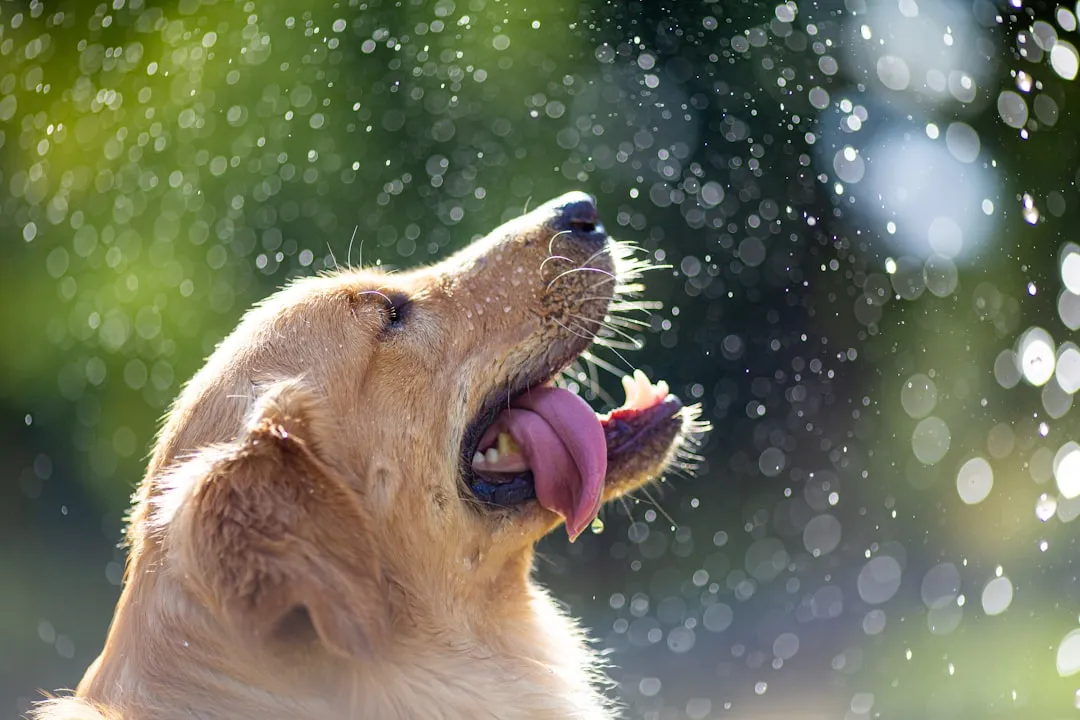
Behavioral changes in dogs due to infrasound detection might include seeking shelter, becoming agitated, or displaying signs of anxiety. This early detection may prompt behaviors such as restlessness or seeking shelter. These aren’t random panic reactions. They’re responses to real physical signals.
Dogs diagnosed with storm phobia can react with anxiety or fear to wind, rain, thunder, lightning, and other associated stimuli, including barometric pressure changes, the smell of rain, static electricity, and even time of day. In a landmark study, dogs with thunderstorm phobia showed markedly higher cortisol levels and visible signs of distress such as trembling and restlessness compared with calm control dogs.
Thunderstorm Phobia Is More Common Than Most People Realize
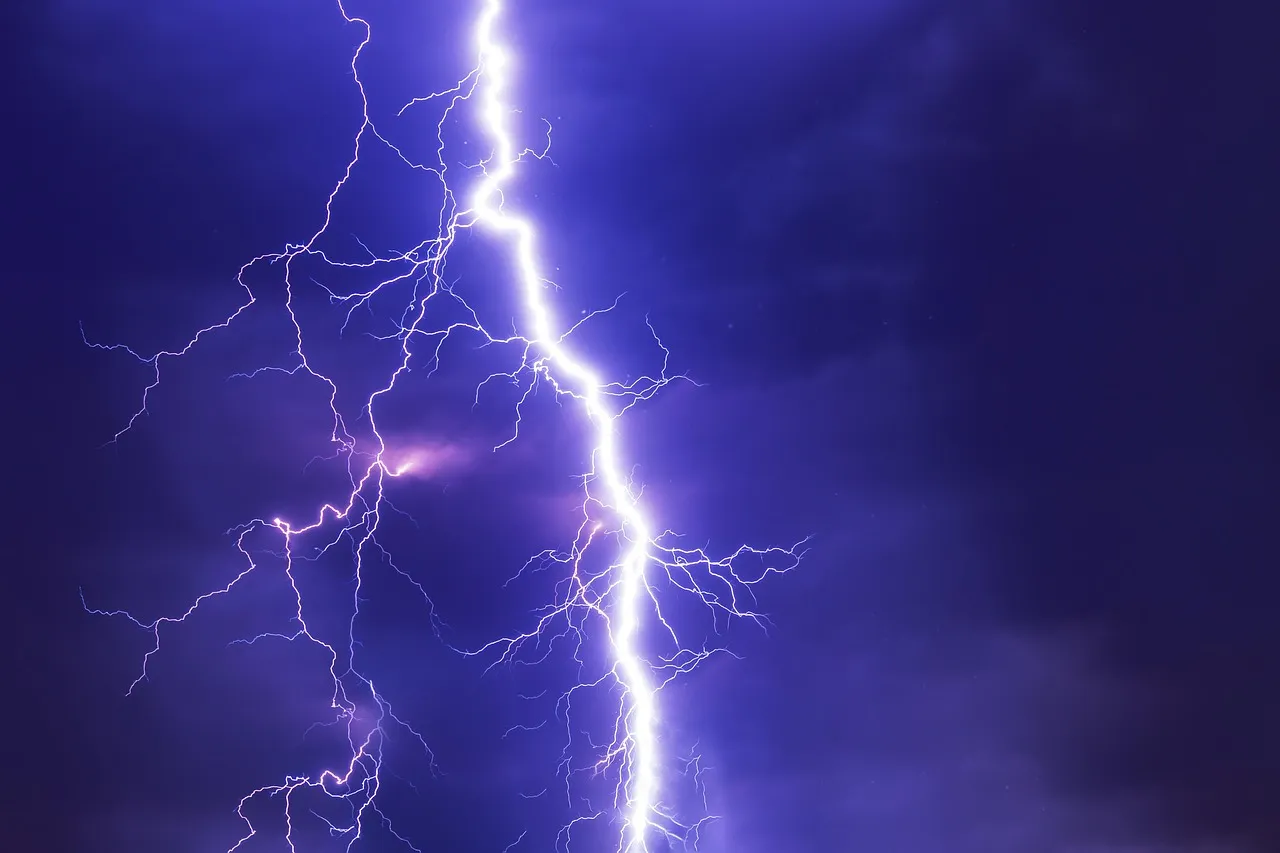
Thunderstorm phobia, or astraphobia, is fairly common in dogs. Dogs with this type of anxiety may also have a general sensitivity to noises or a fear of fireworks and other booming sounds. Veterinary research confirms that thunderstorm phobia is one of the most common anxiety disorders in dogs, affecting up to roughly one third of the population.
Canine thunderstorm anxiety is a disorder characterized by a persistent and exaggerated fear of storms or the stimuli associated with storms. This phobia is complicated and sometimes difficult to manage because it involves physiological, emotional, and behavioral components. There is also a little bit of evidence that there can be some genetic predispositions for animals to develop noise phobia, such as border collies and Australian shepherds.
What Evolution Has to Do with It
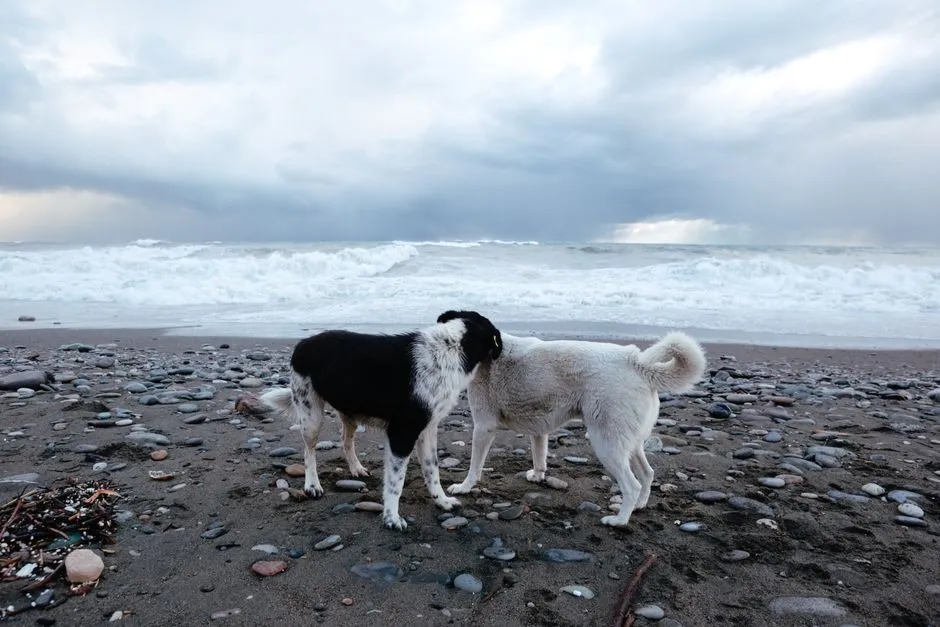
This sensitivity could be the result of natural selection, where ancestral canines that could detect approaching dangers had a survival advantage. A dog that could sense a violent storm and find shelter hours in advance was a dog that survived. Over thousands of generations, that sensitivity became built into canine biology.
Catastrophic events such as earthquakes and volcanic eruptions are accompanied by low-frequency oscillations, which humans cannot hear but animals are sensitive to. Even the most precise physiological explanations do not provide the full picture. Behind animal behavior lies another powerful factor: millions of years of natural selection. In the wild, a mistake could cost one’s life. That ancient pressure shaped the dog’s storm-sensing abilities just as surely as any anatomy.
What This Means for Dog Owners Today

Management strategies for storm anxiety include environmental changes, calming products, supplements, behavioral training, and possibly prescription medication. Product tools like calming vests, pheromones, supplements, and FDA-approved medications can help manage storm anxiety. Knowing that a dog’s reaction begins before the storm is audible to human ears helps owners respond earlier and more effectively.
The best time to support your dog is before the storm arrives. When you first notice them becoming unsettled, guide them to a designated safe space, ideally an interior room where thunder and flashes are muffled. The science does not suggest that infrasound is the hidden explanation for every anxious dog or shiver, but it does show that the body may be listening even when the mind is not.
The Takeaway
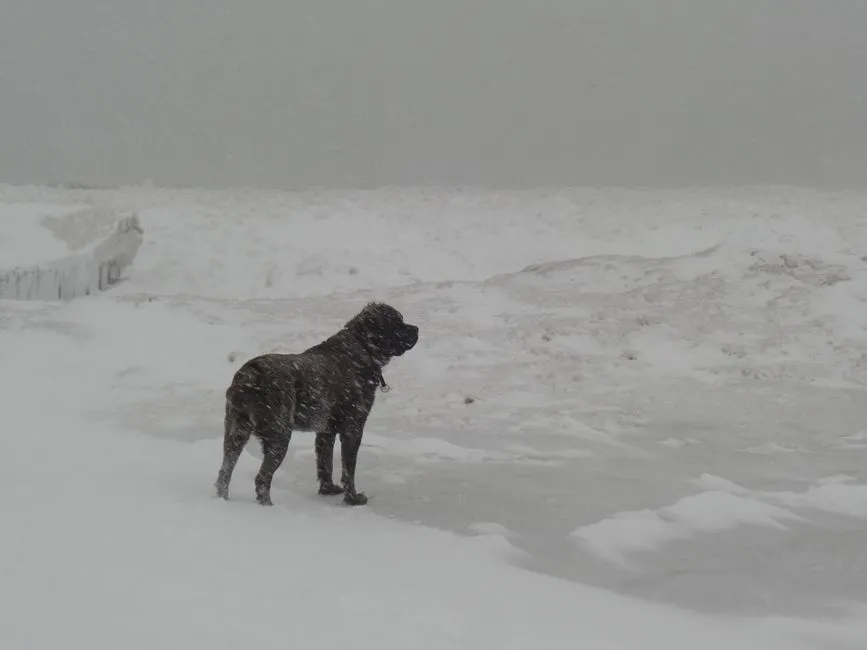
Dogs aren’t predicting the future. They’re processing a version of the present that’s simply richer and earlier than the one available to human senses. It’s neither prophecy nor ESP, but biology tuned more finely than ours, or perhaps less muffled by the noise of modern life. The low rumble traveling through the air, the quiet drop in pressure, the faint charge building in the atmosphere: a dog receives all of it at once, long before the sky turns.
Paying attention to your dog’s pre-storm behavior is, in its own quiet way, paying attention to the world. They’re reading signals that science is only now beginning to measure properly. That’s not a small thing.
AI Disclaimer: This article was created with the assistance of AI tools and reviewed by a human editor.