

Two houses sit side by side, built from the same blueprints, on the same street, in the same neighborhood. One of them has mice. The other doesn’t. To the homeowner on the wrong side of that equation, it can feel baffling, even unfair. The truth, though, is that mice are not random about where they go. They are surprisingly deliberate little decision-makers, driven by smell, instinct, structural opportunity, and a finely tuned sense of risk. Understanding their logic goes a long way toward keeping them out.
Mice don’t wander into homes by chance. Their survival instincts guide them toward places that meet their basic needs, and specific behavioral triggers make certain homes more inviting than others. Factors like warmth, food, water, and quiet hiding spots all shape that decision.
The Smell Test: How Mice Read a House Before They Enter It

Mice have a remarkable sense of smell, and they use it to evaluate a home long before they set foot inside. Mice can detect warm air leaking through tiny cracks and vents, and that warmth signals to them that shelter exists on the other side. This alone can make one house stand out from its neighbor.
One of the strongest attractants for mice is the scent of other mice. When a mouse enters a home, it leaves urine and pheromones behind, and those scents act like signals telling other mice that the space is safe. A house that had mice last winter is far more likely to attract them again the following season.
If a house had a previous mouse infestation, the scent of mice can linger and attract new rodents to the same area. That invisible chemical history is something the house next door simply doesn’t have.
Structural Gaps: The Physical Difference No One Notices

Structural vulnerabilities in homes present a key opportunity for mice to gain access. Even the tiniest cracks and gaps in a building’s exterior can serve as convenient entry points. Mice can squeeze through openings as small as a quarter of an inch, taking advantage of loose weather stripping, damaged vents, or gaps around utility lines.
This is where two otherwise identical houses can diverge dramatically. One might have a slightly warped door frame, a small gap where a pipe enters the foundation, or a vent screen with a torn corner. Their ability to climb walls, jump from trees, and squeeze through narrow gaps enables mice to exploit small entry points, often nesting behind appliances or in cupboards.
Research from the University of Salford found that infestations were significantly linked to indicators of poor constructional integrity within the housing stock. It’s less about the house’s age and more about how well its exterior has been maintained over time.
Food Availability: The Invisible Menu Inside Your Walls
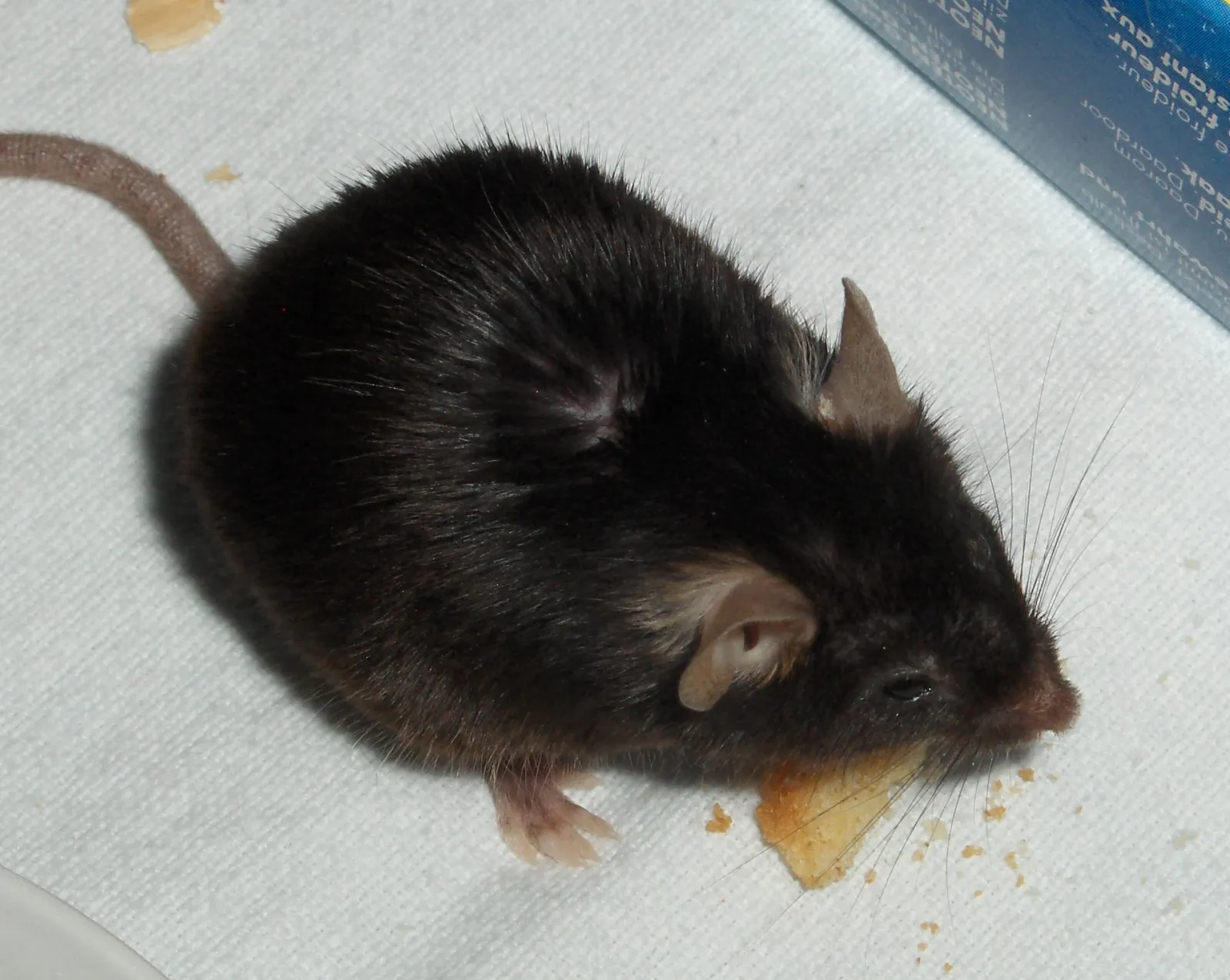
Mice need a steady food supply to live and thrive. They are attracted to food sources that are easy to reach, and they love crumbs on the floor, unsecured leftovers on the counter, and pet food left in bowls. A neighbor who is careful about kitchen hygiene is simply offering a less interesting menu.
Mice also need water to survive, so any water sources around a home are attractive to them. They may gravitate toward pet water bowls, decorative fountains, and house plants with standing water. These details, so ordinary from a human perspective, read as resources to a foraging mouse.
Fruit-bearing trees or plants close to a house can also attract mice seeking a food source, especially if fallen fruit is left to accumulate on the ground. The house next door without fruit trees in the yard is simply less appealing from a foraging standpoint.
Clutter and Nesting Opportunities Inside the Home
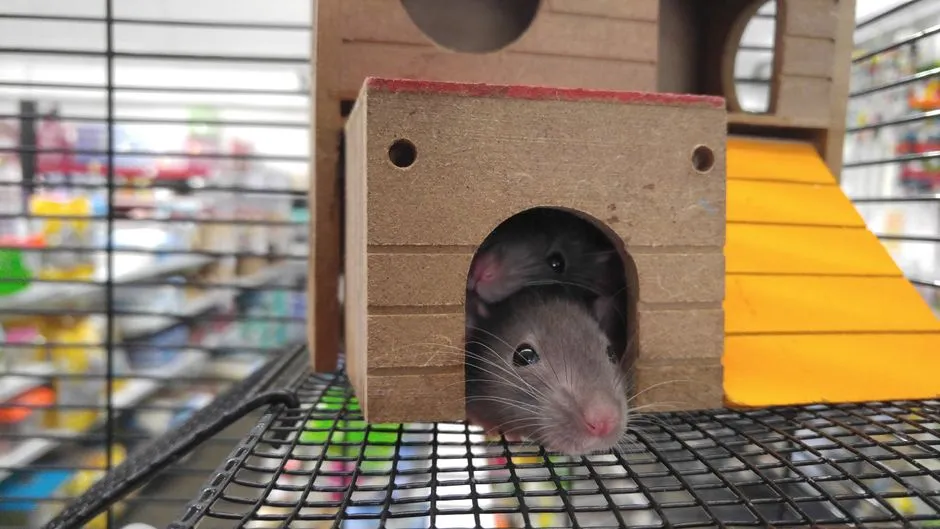
Whether it’s a pile of old books, blankets waiting to be stored, or a box of holiday decorations in the attic, areas of clutter around a home can provide warmth, shelter, and nesting materials for mice. They seek out warmth, especially during winter, and build soft nests in wall voids, clutter, and even under furniture.
Cluttered spaces within homes provide ample hiding spots, making it easier for mice to remain undetected and undisturbed as they move about. A house where junk accumulates in the basement or attic is essentially advertising prime real estate to any passing rodent.
Attics, basements, and wall cavities provide secure, enclosed environments that are perfect for nesting. Storage boxes and cluttered spaces create excellent hiding spots where mice feel safe and undisturbed. The tidy house next door, with cleared storage and fewer hiding spots, is a far less comfortable proposition.
The Yard Around the House Matters More Than You’d Think

Human landscaping choices, such as piled firewood or overgrown vegetation close to the home, can create enticing habitats for mice that eventually make their way indoors. The journey from yard to house is the critical transition, and dense ground cover makes that journey much safer for a small animal.
If there is thick vegetation or overgrown shrubbery near a home, it can provide mice with cover and easy access. Mice are cautious by nature and prefer to move under cover rather than across open ground. A well-trimmed yard removes that sense of security entirely.
Research on mouse foraging behavior confirms this preference consistently. Studies have shown that mice preferentially use closed habitats over open ones, and research using a wide range of techniques has consistently shown that small mammals avoid open spaces. A yard that offers dense cover is simply a safer corridor into the house.
Warmth and Thermal Comfort: Why Some Homes Feel Better from the Outside

Mice are always looking for warm, cozy spaces to live, particularly during colder months. When outdoor temperatures drop, a mouse’s priority shifts from finding food to finding a thermally stable refuge. A house with poor insulation or drafty wall cavities can actually attract mice because those gaps allow heat to leak outward, advertising warmth to any rodent nearby.
Attics, basements, and crawl spaces often have still, quiet air that feels undisturbed. These hidden areas are perfect nesting spots. A home also provides a steady temperature in winter, which helps mice survive.
It is particularly common for mice to find their way indoors during the fall and winter months as they seek shelter from harsh weather conditions. The timing of that seasonal migration means homes with even small thermal vulnerabilities are at their highest risk precisely when mice are searching hardest.
The Social Signal: When One Mouse Invites Many More

When a mouse finds a suitable place to live, it marks the area with pheromones and urine to indicate to other mice that the space is safe. Other mice pick up on those smells and move in. This is one of the key reasons infestations can accelerate so quickly once they begin.
Other mice can follow scent trails right to the same nesting spots. An active mouse problem often comes with a faint musky smell that builds up as urine markings increase, and that lingering smell invites more mice to move in. The house that hosted one mouse last year is essentially pre-marked for the next wave.
Research into mouse pheromone chemistry at the molecular level confirms how powerful this signaling system is. House mice excrete large quantities of major urinary proteins (MUPs) that bind and transport volatile pheromones, and upon excretion, MUPs slow down the release of volatiles from scent marks, which may prolong their attraction and influence on other mice. A house that has been chemically marked is, in a real biological sense, more attractive than the one next door.
Neighboring Infestation: The Domino Effect in Walls and Floors

One of the more unsettling findings from recent research is how strongly an infestation in one unit can predict infestation in the unit next door. A study measuring house mouse infestation rates across multiple urban buildings found a significant correlation whereby apartments that share a wall, ceiling, or floor with an infested neighboring unit are more likely to have existing house mouse activity.
The high mobility of house mice facilitates exploratory scouts dispersing during excursions. This behavior enables the house mouse to utilize shared inter-apartment conduits and other points of egress in walls, floors, and ceilings, which expands their distribution between units easily. In detached homes, a similar dynamic plays out through shared garden spaces, fencing, and utility corridors.
Among a large survey of Baltimore residents, nearly half reported observing mice in their residences. In Gary, Indiana, over a third of surveyed apartments were infested. In an urban housing community in Manchester, United Kingdom, roughly four in ten residents reported ongoing mouse infestations. These figures underscore just how quickly proximity to an existing infestation tilts the odds.
How Mice Actually Move Through a Neighborhood

Mice don’t simply materialize in a house. They explore, scout, and return. Foraging ranges, speed of locomotion, and dispersal behavior of house mice are relatively larger, faster, and more common compared to typical urban arthropod pests. A single mouse can cover a surprisingly large area in a single night, evaluating multiple properties before settling on one.
Being nocturnal, mice are most active at night, which means their movements often go unnoticed until an infestation is already established. By the time a homeowner spots a single mouse, several more are likely already exploring the same spaces under cover of darkness.
Although mice have been domesticated or adapted to human environments over many generations, they still retain many fundamental behavioral and physiological needs shaped by their evolutionary history. That ancient instinct to seek warmth, shelter, and reliable food close to human habitation has simply been refined over thousands of years, not eliminated.
Scale of the Problem: How Common Is This Really?

Approximately twenty-nine percent of American homes experience rodent infestations, which is a larger share of the housing stock than most people expect. The problem is not rare, and it is not limited to homes that are visibly neglected or in poor condition.
One female mouse can produce up to thirty-five pups annually, which means that a single successful entry into a house can grow into a substantial problem within just a few months. Speed matters when it comes to prevention.
Research tracking infestations across apartment buildings over twelve months found that control efforts reduced infestations by ninety-four percent in one building but actually increased by twenty-six percent in another. The variation in outcomes underlines a consistent theme: structural conditions and maintenance quality are the real determinants of which house mice choose, even when the buildings look identical from the street.
The Takeaway

Mice are not random. They are reading your home constantly, sniffing out warmth through hairline cracks, following scent trails left by previous visitors, and assessing whether your yard gives them enough cover to feel safe on approach. The house next door that never sees a mouse isn’t lucky. It’s simply less readable.
Most of the factors that make a home attractive to mice are fixable. Sealed gaps, tidy storage, trimmed vegetation, clean kitchens, and secure food containers are all effective deterrents. None of them require significant expense.
The more useful way to think about it is this: mice aren’t choosing your house over your neighbor’s because of some personal slight. They’re going where the signals are strongest. Change the signals, and you change the outcome.
AI Disclaimer: This article was created with the assistance of AI tools and reviewed by a human editor.