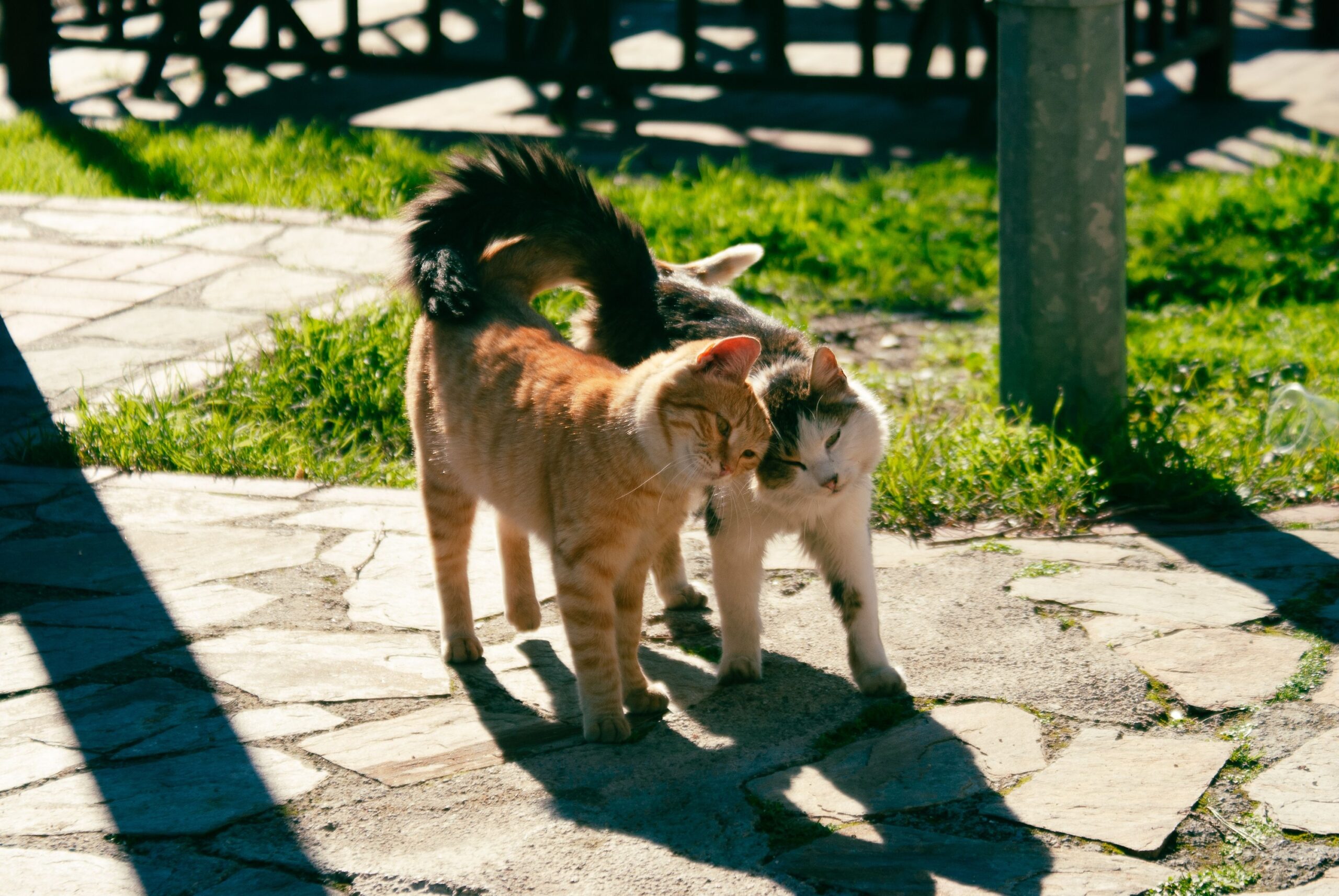

Most people assume that cats are mysterious creatures impossible to read. In reality, a fair amount of what your cat wants is being broadcast, plainly and constantly, through their tail. You just have to know what to look for.
From their whiskers to their tails, cats are exceptional non-verbal communicators. Understanding feline body language, including the meaning of your cat’s tail movements, can give you insights into your cat’s feelings and deepen your bond. The tail isn’t a random accessory. It’s a finely tuned communication device, and its anatomy backs that up.
The Anatomy Behind Every Signal
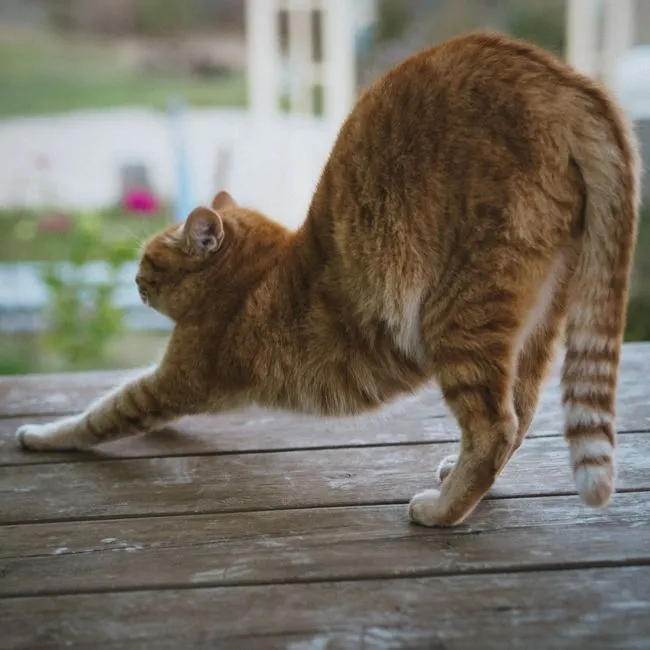
The tail consists of 18 to 23 vertebrae and six tail muscles on each side, which permits precise movements in almost any direction. That’s a remarkable degree of structural complexity for something most people treat as just a fluffy appendage.
A cat’s tail does not function solely in communication. It is also important in balancing when running or jumping, or as a counterbalance when a cat is walking on a narrow surface or suddenly changing direction when running or tracking prey. So the tail pulls double duty: physical tool and emotional broadcaster at the same time.
The tail is a continuation of the spine, comprising between 18 to 20 caudal vertebrae in most domestic cat species. A cat’s tail anatomy is made up of fur, skin, bones, blood vessels, nerves, and a small amount of muscle. That nerve supply is exactly what makes tail language so immediate and expressive.
The High, Straight Tail: Your Cat Is Happy to See You
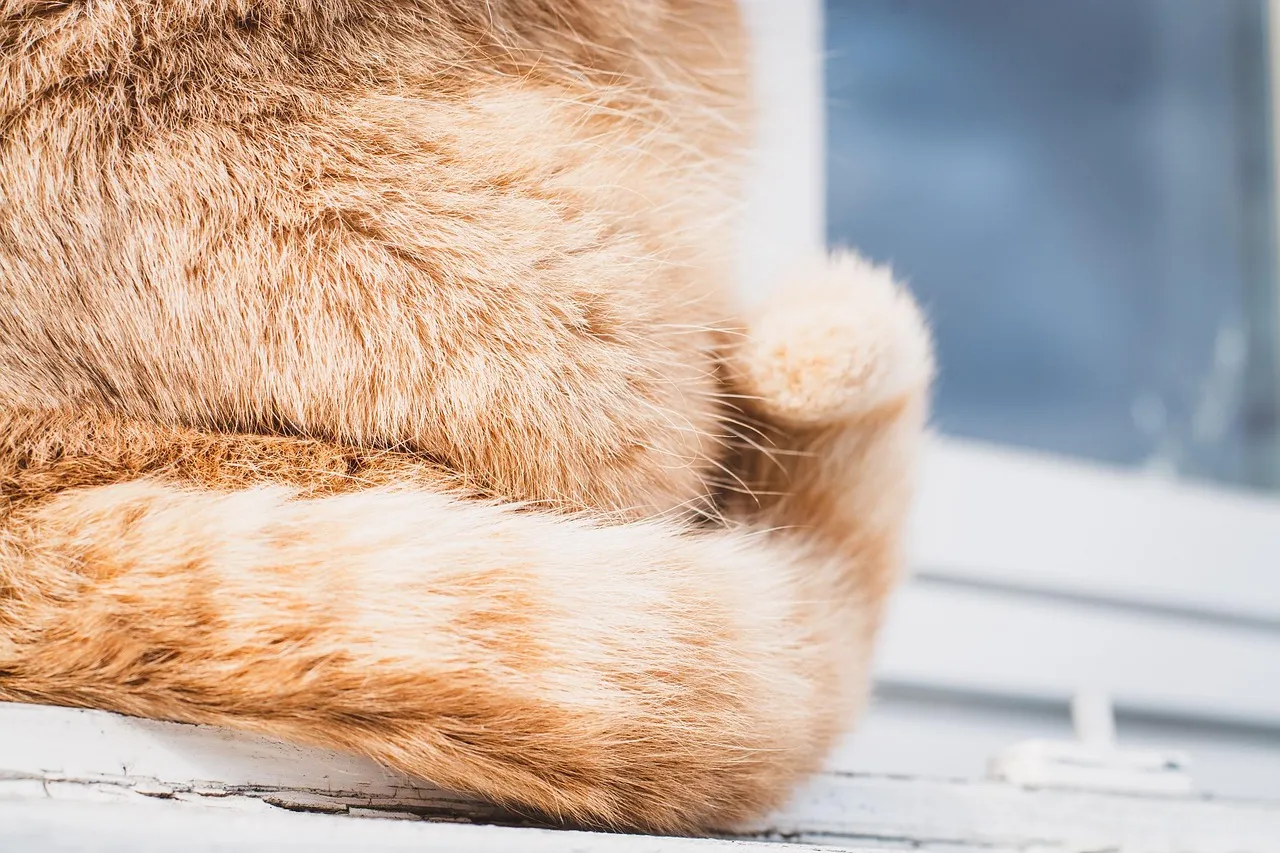
Straight up or high tails indicate cats are attentive and alert, and usually confident, contented, and willing to be sociable. When your cat strolls into a room with their tail held vertical and proud, that’s not coincidence. It’s a deliberate social signal.
When a cat holds their tail straight up vertically, this is a friendly invitation to engage: anatomically speaking, the cat is exposing their anal sac region, inviting other cats to sniff this area as a type of intimate social engagement. It sounds clinical, but it’s essentially the feline equivalent of an open handshake.
An example of behavior described in cats’ intraspecific interactions is the tail-up display, an essential visual cue for cats. This behavior, in which the tail is held up vertically without piloerection, has been shown to represent a friendly signal during a cat-to-cat approach. Interestingly, it has been reported that cats transfer this intraspecific communicative behavior when addressing communications to humans. In other words, your cat is using the same greeting language with you that they’d use with a trusted cat companion.
The Question Mark Curve: An Invitation to Play
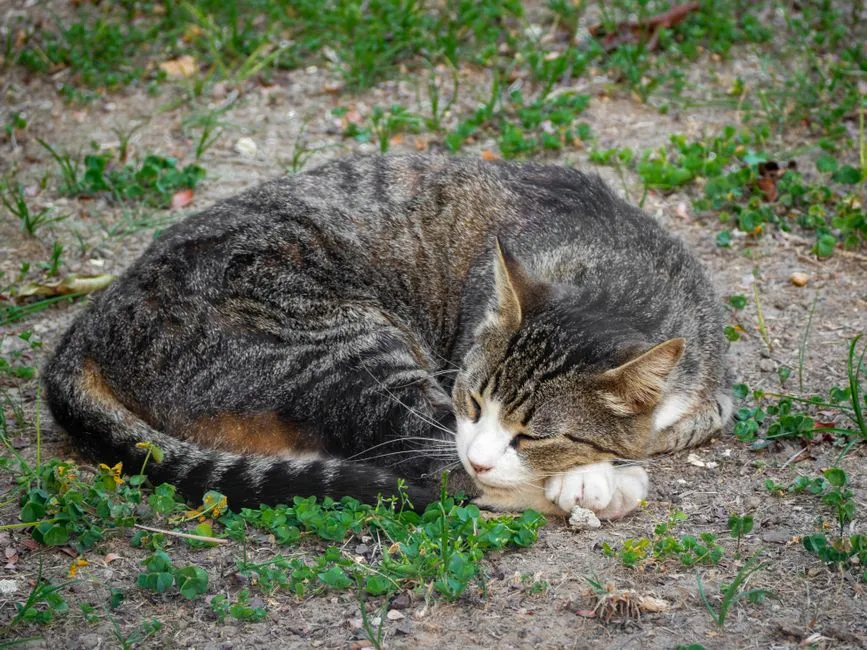
A tail held high with a “question mark” curve at the tip is friendly, and the cat is usually in a good mood. This subtle curl at the top is one of the more endearing signals in a cat’s repertoire, and it’s easy to miss if you’re not watching closely.
An upward tail with a hooked or curled tip means the cat is affectionate, with the curled tip held up or curved around the person or object of affection. If you see this when you walk through the front door after work, your cat is genuinely glad you’re back. That’s worth knowing.
There is a lot of variation in how cats carry their tails. Some cats seem very enthusiastic and bend the tail a bit more. This shows how flexible cats can be in their communication, how they can change or adapt. So don’t be surprised if your individual cat has a slightly unique version of this signal.
The Low or Tucked Tail: Fear and Submission
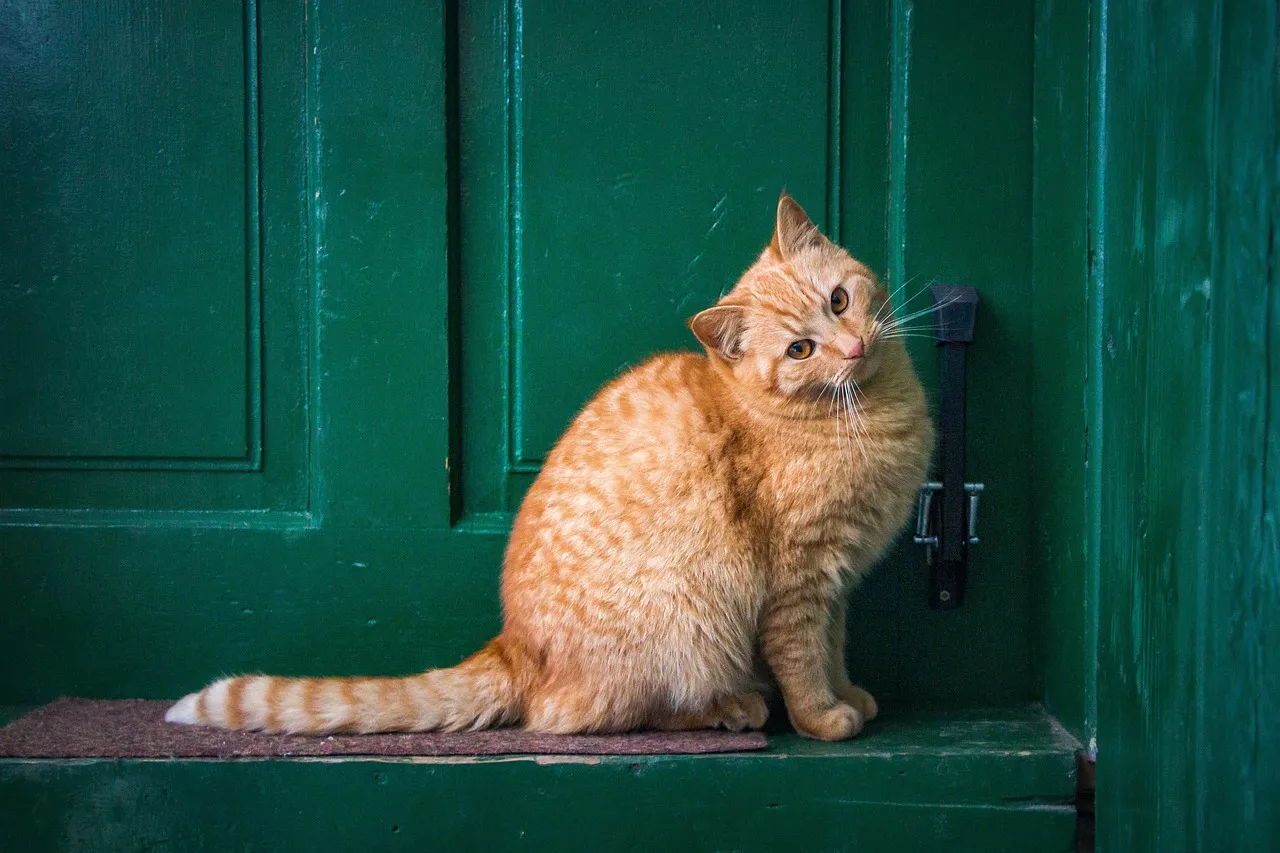
When a feline tail drops lower and tucks beneath the body, something might be making that cat nervous. It can be a sign of fear or submission. A tucked tail is one of the clearer signals in the entire feline vocabulary, and it rarely lies.
An animal sitting near the ground with their tail down may be trying to keep a low profile. The kitty could be vulnerable in their present state, and they know it. Avoiding detection often means survival for a cat. Even in a domestic setting, the instinct to shrink and go unnoticed under stress is deeply wired in.
Signs of a fearful cat include ears pulled back, tense body posture, lowered body and tail, dilated pupils, and piloerection. The tucked tail rarely comes alone. Reading it alongside these other signals gives you the full picture of just how distressed your cat actually is.
The Puffed Tail: Your Cat Is Alarmed or Furious
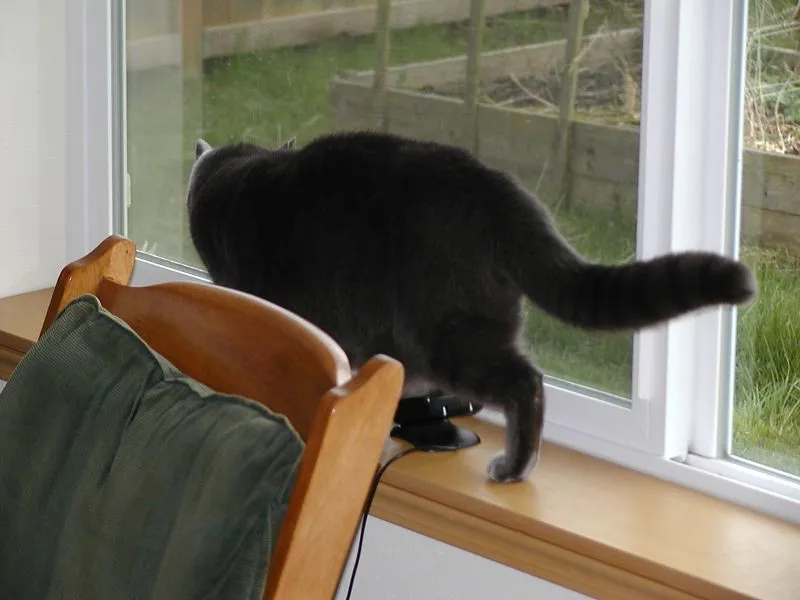
The mechanism by which a cat’s tail puffs up is known as piloerection and is similar to when our hair stands on end when we have goosebumps because we’re cold or a little creeped out. The difference is that for cats, this response carries serious social meaning.
Piloerection is controlled by the sympathetic nervous system, the same system that powers the fight-or-flight response. It happens automatically – your cat doesn’t choose to do it. So when you see that bottle-brush tail, remember your cat isn’t being dramatic. Their nervous system has taken over completely.
In general, cats puff their tails to make themselves look bigger and more intimidating. A cat with a puffy tail can reach double or even triple their original volume. It’s not just fear that could make a cat puff up their tail; it can also be a sign of aggression, especially during a confrontation with another cat while defending their territory. Context separates these two, so look at the whole body before reacting.
The Slow Swish: Focused, Not Angry
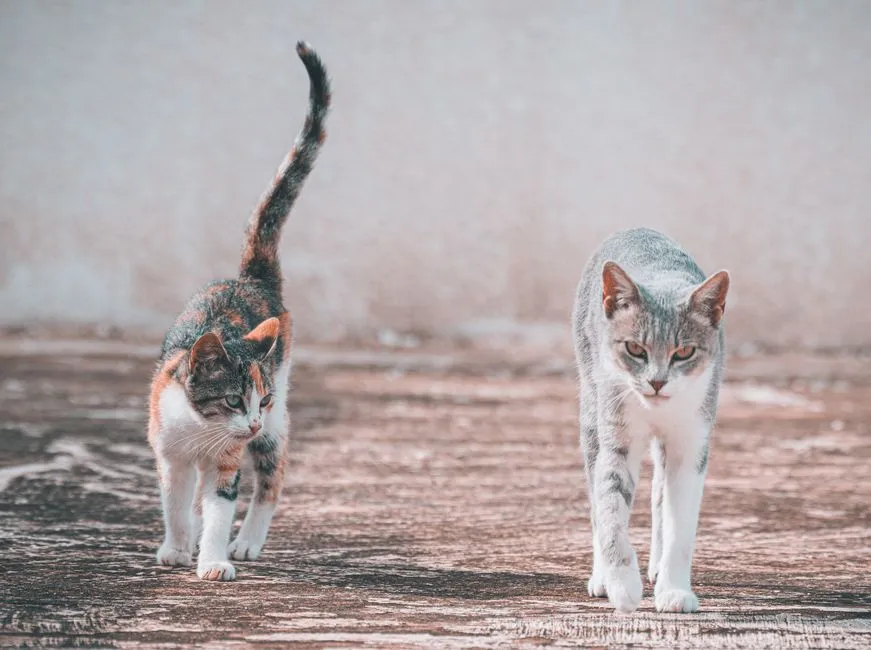
You might see a cat’s tail wagging or swishing slowly when they are focused on something, like a toy or another animal. They may even be ready to pounce. This is the tail position that most confuses people, especially those who own dogs, where a wagging tail almost always means happiness.
Swishing tails slowly from side to side in a soft, fluid manner indicate cats who are relaxed, calm, and perhaps mildly interested in something. The key distinction is the pace and context. A slow, liquid swish while watching a bird outside is curiosity. A rapid back-and-forth during a petting session is something else entirely.
Tail swishing or twitching is often a sign of agitation or annoyance. When the movement speeds up and becomes more forceful, it’s a reliable signal that your cat is past the point of tolerating whatever is happening and wants it to stop.
The Thrashing Tail: Stop. Now.
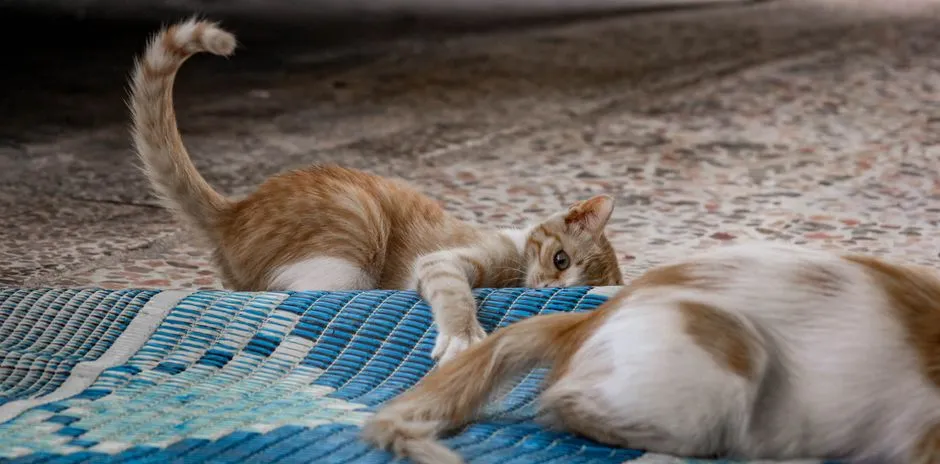
If you or a visitor is petting your furry friend and tail thrashing starts, your cat might be shouting, “Stop!” This is one of the clearest warnings a cat can give before escalating to something more physical, like a swat or a bite.
One often unintended way to elicit negative tail positions is through overstimulation. Many cat owners learn this the hard way. A session that starts perfectly well can shift quickly if you miss the early signals, and the thrashing tail is usually not the first warning, just the loudest one.
The practical takeaway here is simple. If the tail starts lashing rapidly while you’re petting your cat, pause, pull your hand back, and let the cat reset. These displays of feline frustration don’t always lead to aggressive behavior. Feline signs of anger are designed to scare threats into backing down. Most cats will calm themselves if the stressor is removed.
The Tail Wrapped Around You: Feline Affection Made Visible
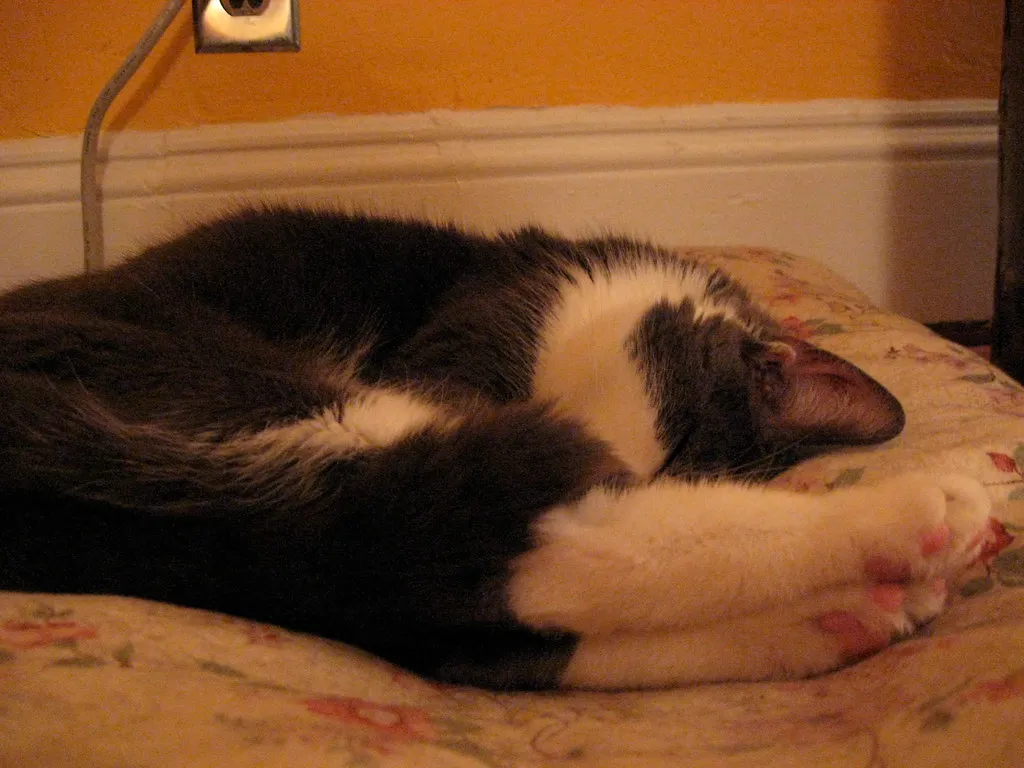
If cats wrap their tails around another cat or you, they are usually showing friendliness. This gesture is understated compared to the exuberance of a dog, which is part of why many people miss it entirely. When a cat drapes their tail across your leg or arm, that’s a real expression of comfort and trust.
If cats wrap their tails around their own bodies they may just be settling in and comfortably getting warm. They also could be in a more defensive position because they are frightened, in pain, or not feeling well. The difference usually shows up in the rest of the body. A relaxed, tucked posture alongside a self-wrapped tail is likely comfort. A tense, hunched posture tells a different story.
The Tail-Up Approach: Science Has Weighed In
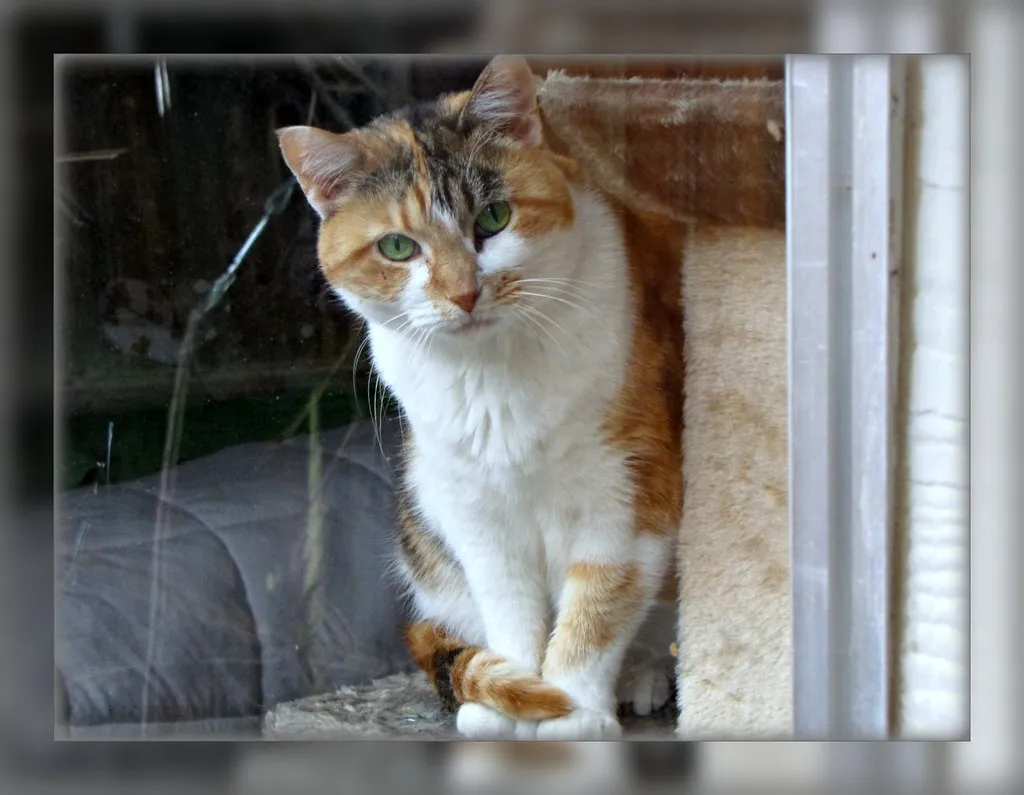
There’s been a study performed and the conclusion was that when cats see a “tail up” silhouette, they are more likely to approach in a friendly way compared to the “tail down” posture. This finding is significant because it confirms that the tail-up signal isn’t just meaningful to humans observing cats. It’s meaningful to cats observing other cats too.
In cat-human interactions, the cat most often approached with its tail up prior to rubbing itself against the human. That sequence, tail up followed by a rub, is a complete social greeting in feline terms, and it’s directed at humans as deliberately as it would be toward another cat.
Although the tail is a conspicuous feature for human observers, ear positions of the cats in dyadic interactions with other cats are the best predictor of the outcomes of these interactions. So the tail is crucial in human-cat communication but works alongside ears and posture in cat-to-cat interactions. The full picture always matters.
Tail Language Doesn’t Work in Isolation
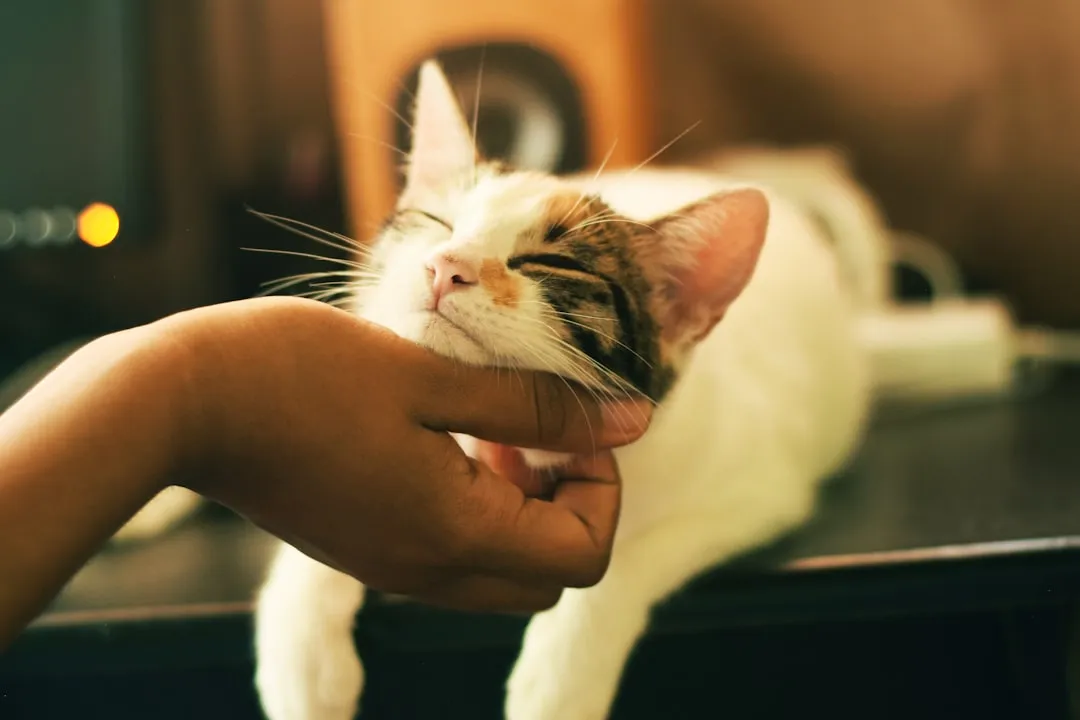
A cat’s tail, along with their ears, facial expressions, and body posture, will indicate what kind of mood they’re in most of the time. Reading just the tail and ignoring everything else is a bit like reading only one word in a sentence. You’ll get a rough idea, but you’ll miss a lot.
While no signaling system can be removed from the context of the entire animal and correctly interpreted, it can be very useful to look at what information can be communicated by each body part involved in signaling. Then, we can take these observations and look for congruence or lack of it between other signaling systems such as the eyes, voice, and body.
Cats are still signaling through other parts of their body, with their face, their ears, and their body position as a whole. It’s not just about the tail. The more body cues you learn to read simultaneously, the more fluent you become in what your cat is actually trying to say to you at any given moment.
What Tail Language Ultimately Tells You
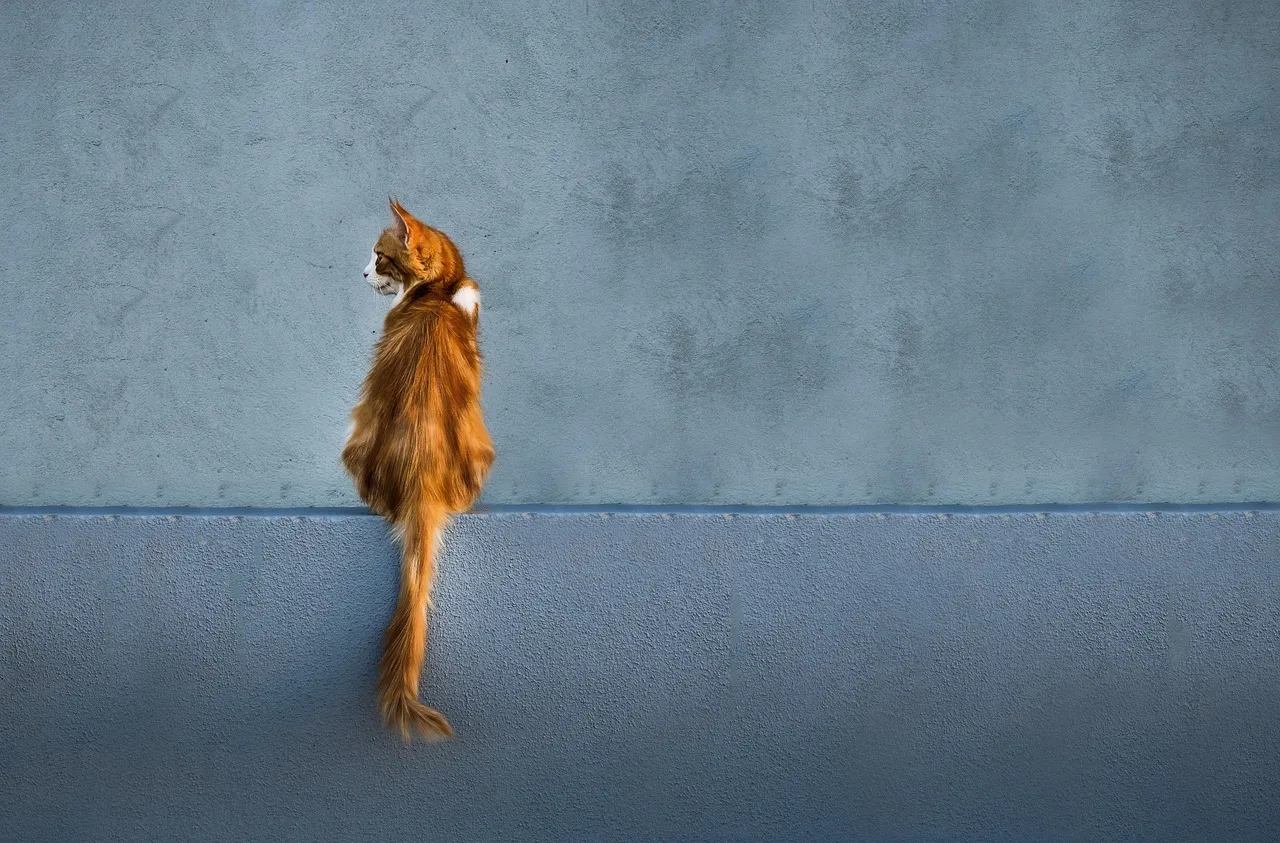
Cat tail language can tell you about a cat’s moods, their emotions, and their intentions, allowing you to understand and predict a cat’s behavior. The movement of the tail can tell you as much as a purr, a meow, or a yowl. That comparison is worth sitting with. A tail isn’t just a visual signal. In terms of information density, it competes with the sounds we more instinctively tune into.
Watching and understanding your cat’s tail communication, as well as those of the eyes, ears, and body posture, will keep your cat purring and help you maintain your friendship and bond for many years of love. That’s the real payoff here: not just satisfying curiosity, but actually communicating better with an animal that’s been trying to talk to you all along.
Cats haven’t been withholding. They’ve been speaking. The tail has been the clearest part of the message the whole time.
AI Disclaimer: This article was created with the assistance of AI tools and reviewed by a human editor.