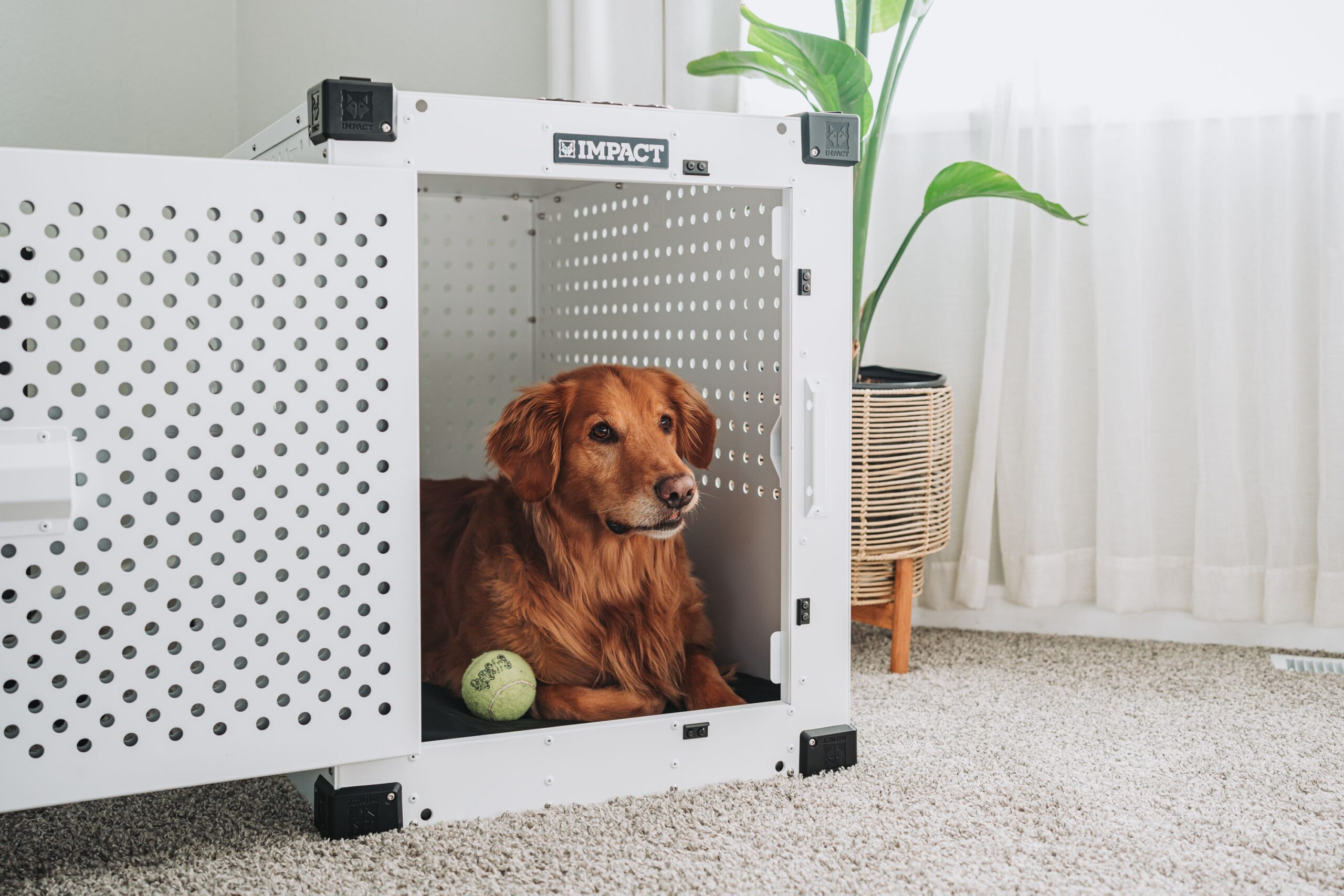

The Core Mistake: Treating the Crate Like Furniture
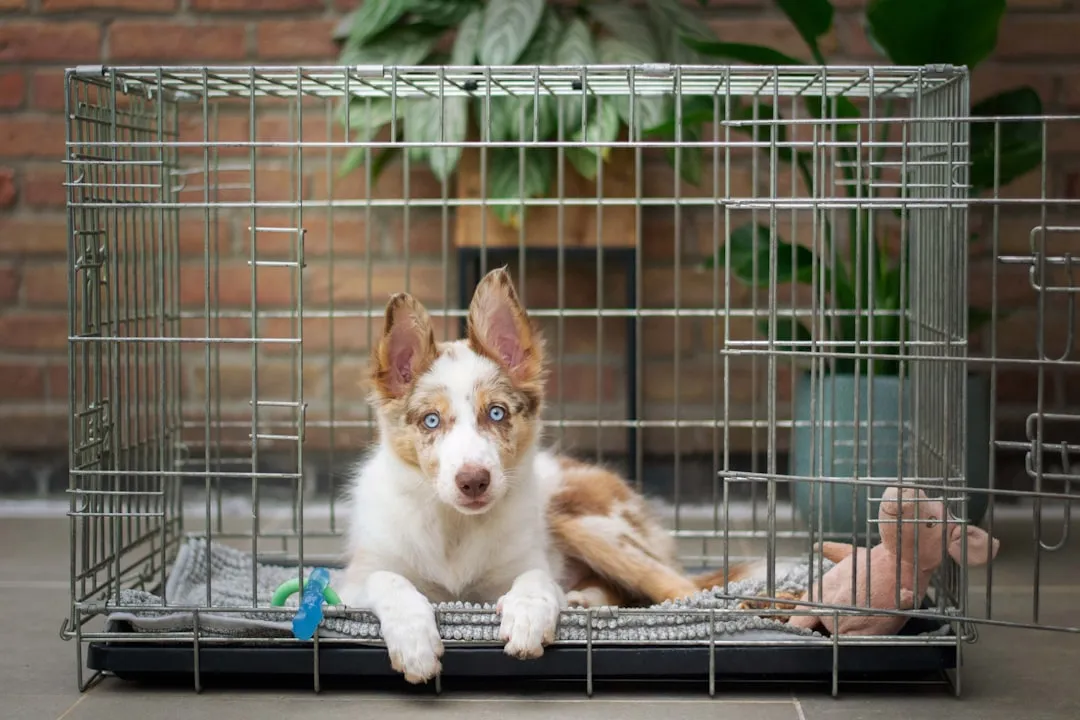
Many owners pick a crate location based on what’s convenient for the household, a spare corner in the laundry room, a spot against the garage wall, or a tucked-away hallway nook. These choices are made for tidiness, not for the dog’s wellbeing. Where you place the crate can make a huge difference in how your dog experiences it, and many dog owners unknowingly increase their pet’s anxiety simply by putting the crate in the wrong spot.
If you put the crate in the wrong spot, your pup may resist it, feel isolated, or struggle to settle into it. When you put it in the right spot, it can quickly become one of their favorite places in the house. The crate’s location sends a signal to the dog about how to feel before they even step inside.
Isolating the Crate in a Separate Room
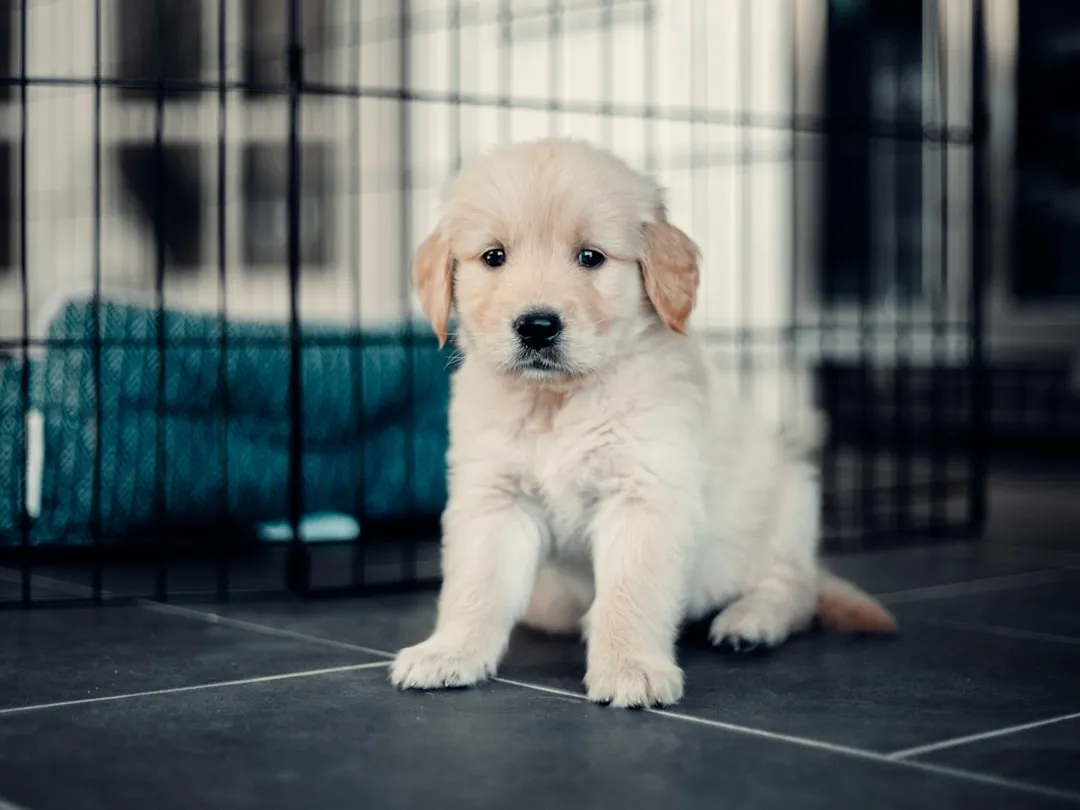
Dogs kept in crates in temperature-controlled garages or other spaces not part of the “main house” may be more apt to experience separation anxiety and may find it challenging to feel comforted and safe. The reasoning is straightforward: dogs are social animals, and being physically removed from the spaces where their people live and breathe amplifies the sense of abandonment.
Try to avoid tucking their crates away in isolated areas. If the family spends a lot of time in the living room, this would be an ideal spot to put your dog’s crate, as it allows them to see family members and feel included. This is especially beneficial for dogs as social animals that desire to feel part of the household.
Placing the Crate in a High-Traffic Hallway
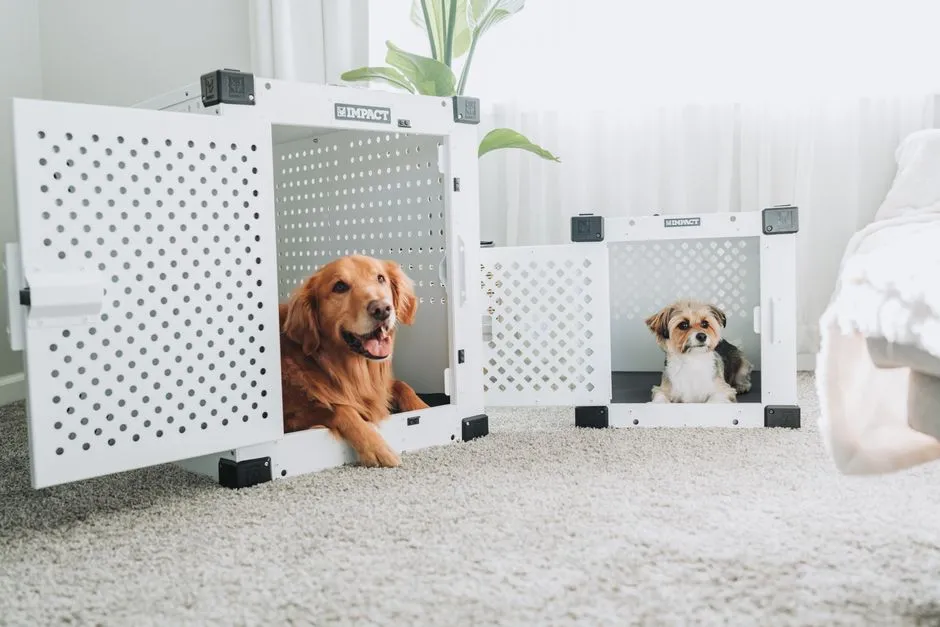
Anywhere people walk, such as high-traffic hallways and walkways, should be avoided. Putting a dog crate in an area where people are always walking by will make your dog think that any minute now, one of these people is going to let him out. That constant anticipation keeps the dog’s nervous system in a low-grade state of alert.
It will actually cause more anxiety in your dog than less, and he could have a much harder time settling down. Just as your dog shouldn’t be in a high-traffic area, he also shouldn’t be completely isolated from the family. Avoid spots that are too quiet and make your dog feel he’s alone. It’s a narrow target, but hitting it matters.
Putting the Crate Near Loud Appliances
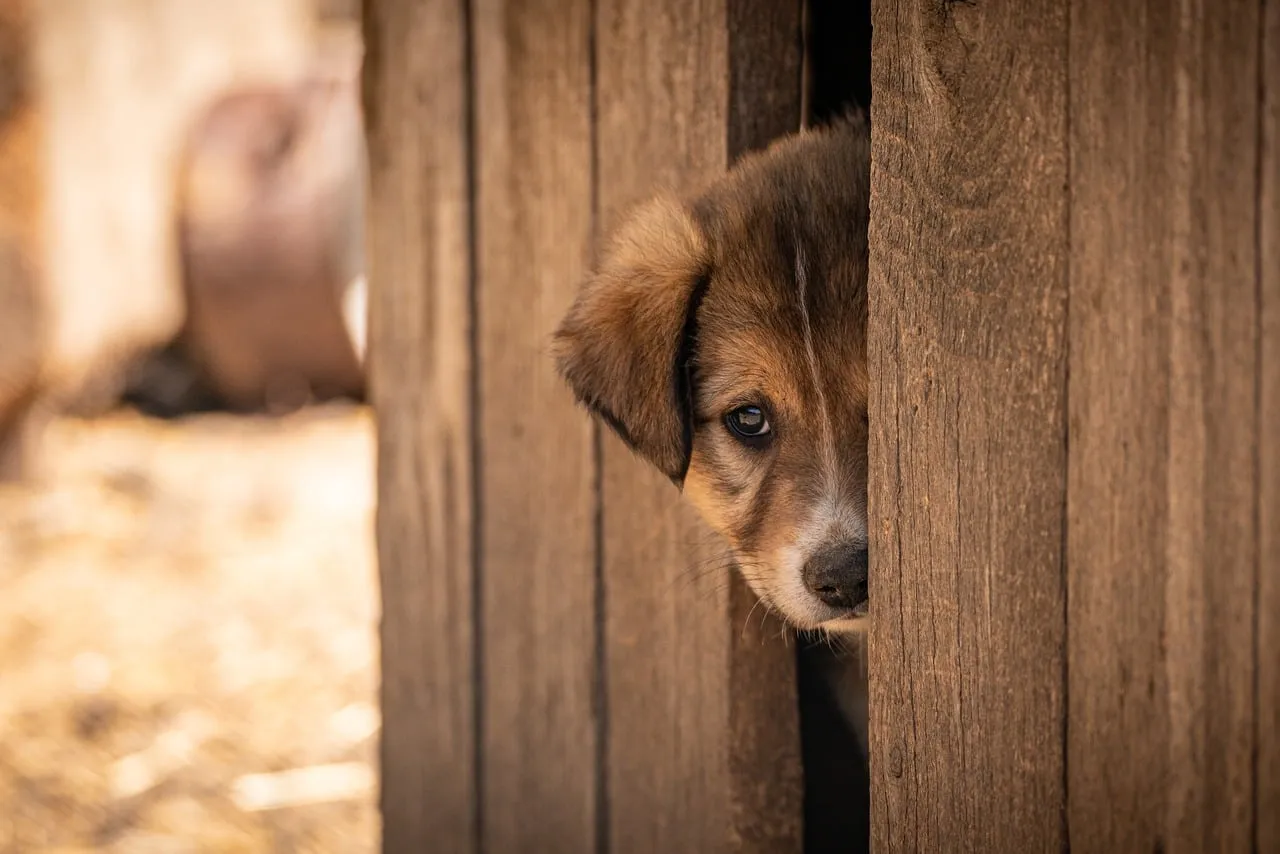
Avoid laundry rooms with loud appliances, garages with temperature fluctuations, isolated basements, direct sunlight exposure, and drafty areas. Sudden mechanical noises, like a washer spinning or a dryer buzzing, can startle a dog repeatedly during rest and create a negative association with the crate itself.
Dogs with anxiety benefit from a dedicated safe space tailored to their preferences. Enclosed, quiet environments can help reduce stress triggers like noise and visual stimuli. A room with unpredictable, intermittent sounds works directly against that goal.
Crating Only When You Leave the House
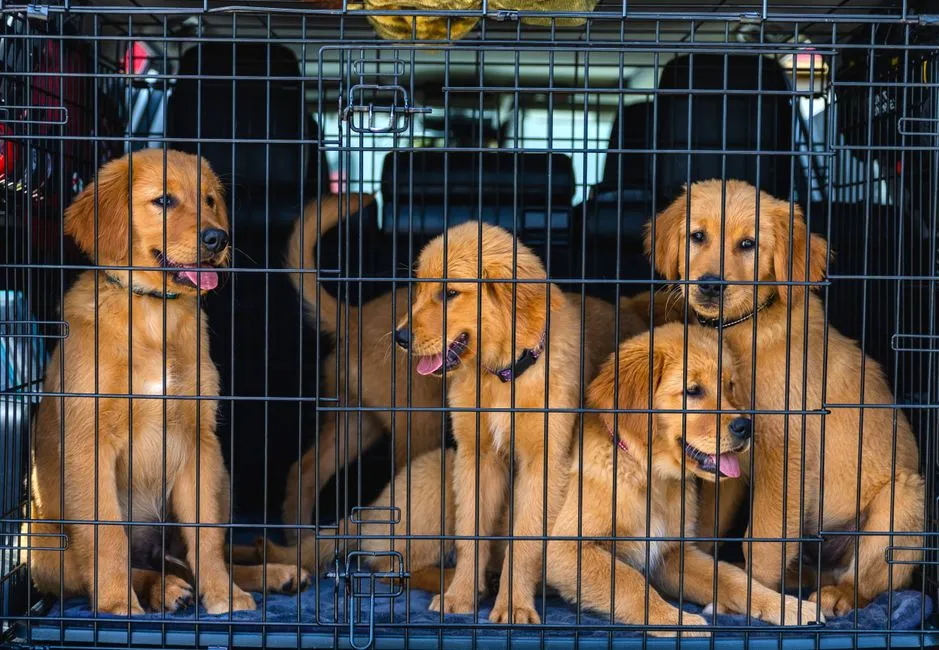
Placement isn’t just about physical location. It’s also about when and how the crate is used within its location. Start off by crating during the day while you’re home to build a routine with your dog. When a dog is crated only overnight or when the owner leaves the house, it builds aversion to the crate and can increase the dog’s anxiety because he then associates the crate with the owner leaving.
That association is hard to undo once it’s formed. The crate stops feeling like a resting place and starts feeling like a signal that something bad is about to happen. Once your pup becomes accustomed to their crate, they will tend to view it as a safe space. In fact, many crate-trained dogs will voluntarily head to their crates when they’re feeling afraid or overstimulated as a way to self-soothe. That outcome is only possible if the crate has been used in a balanced, non-departure-linked routine.
Facing the Crate Toward Open Space
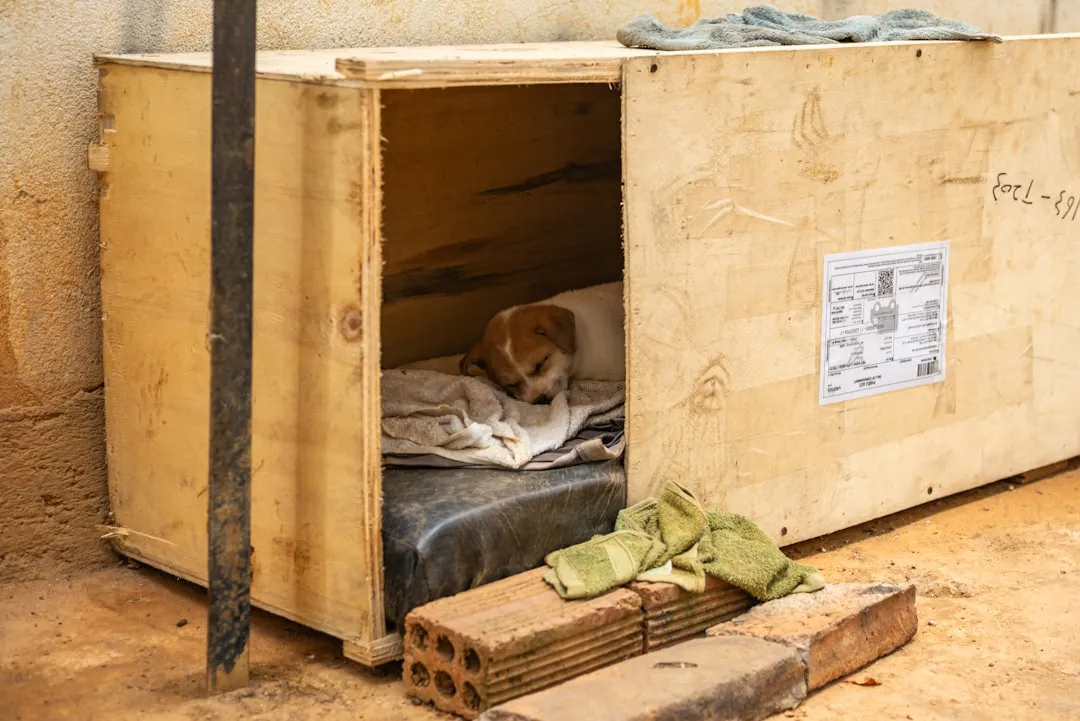
Place the crate in an area adjacent to your walls, like in a corner, so that the only focus point is forward. You can also place a blanket over the top of the crate but leave the front of the crate unobstructed. This mirrors a dog’s natural instinct to seek shelter in a den-like space, where they feel protected from behind.
Even if the space is bright, they’ll be able to turn in and face the corner, or bury their face in their blanket. Corners also make dogs feel less anxious and more at home in a smaller space. A crate that floats in the middle of a room, exposed on all sides, offers none of that sense of containment dogs actually find calming.
Skipping Bedroom Placement for Young Puppies
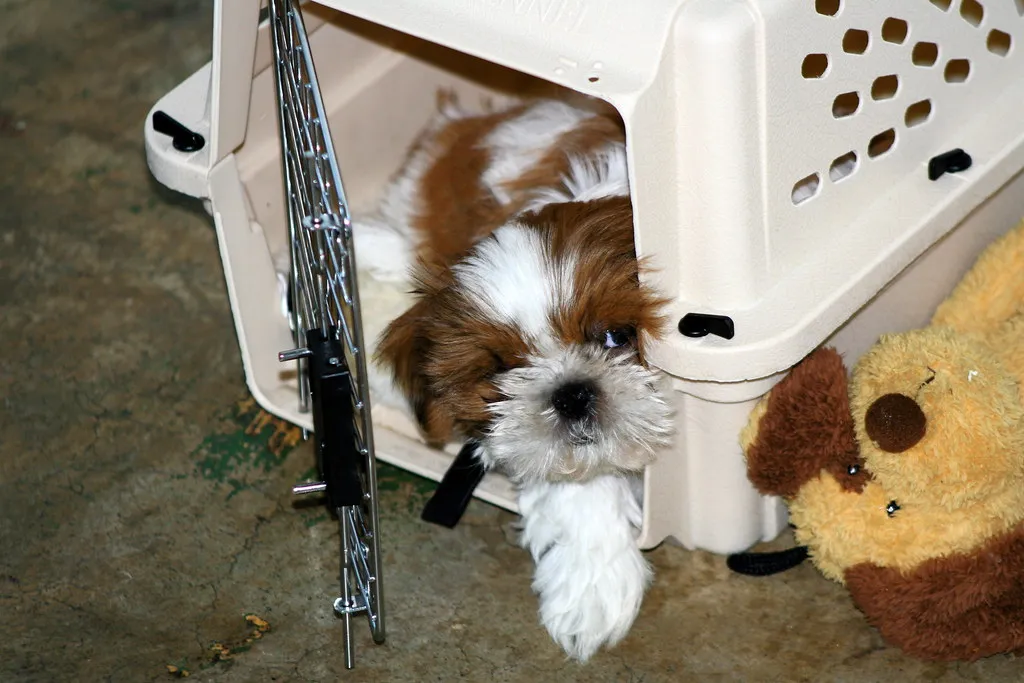
The best place to put a dog crate depends on your dog’s age and routine. For young puppies, place the crate in your bedroom at night to reduce stress. For adult dogs, a quiet living area away from heavy traffic works best. Puppies are not yet developmentally equipped to manage long stretches of isolation, and nighttime is when that vulnerability peaks.
For your new furry family member, consider placing the crate in a quiet corner of your bedroom. This proximity allows them to hear your soothing sounds and feel your presence, especially during those initial nights away from their littermates. The closeness can ease separation anxiety and promote a sense of security.
Repeated Panic Without Adjusting Placement
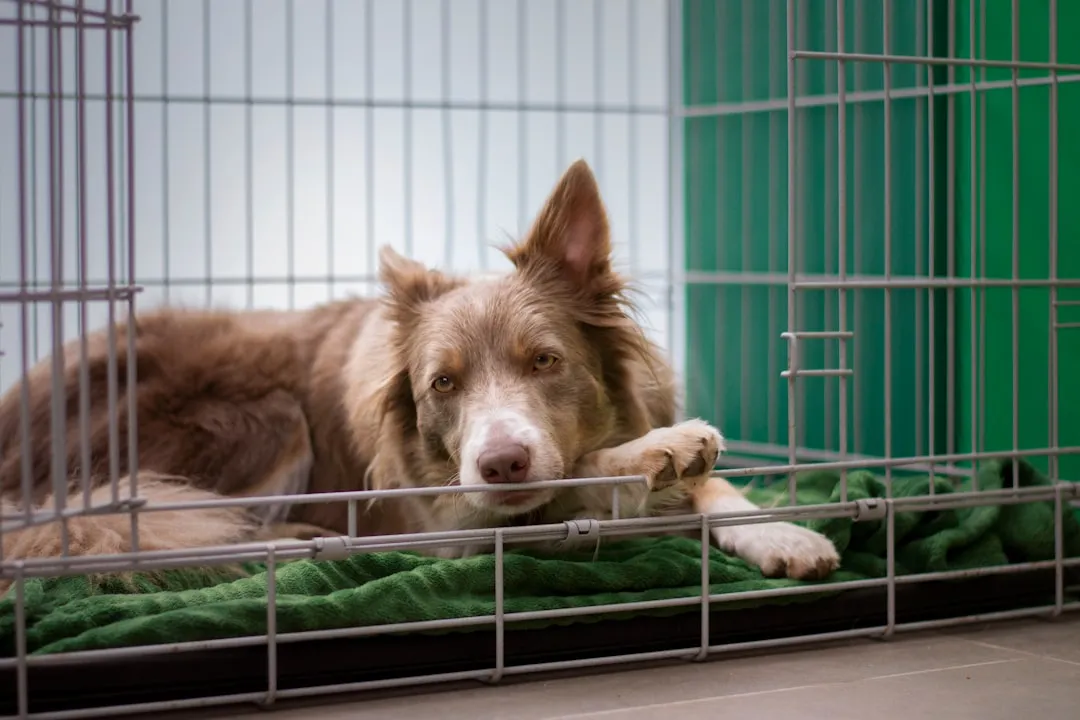
Some owners assume that if a dog panics in the crate, eventually they’ll get used to it. Research on anxiety responses suggests the opposite can happen. Research on panic disorders shows clearly that repeated exposure to panic-inducing situations without the ability to escape doesn’t lead to habituation. It leads to sensitization. The fear response gets stronger, not weaker. The threshold for panic gets lower. The dog becomes more reactive, not less.
If a dog is consistently distressed in a crate placed in a particular spot, that’s meaningful feedback, not just a phase to push through. Introduce the crate slowly and neutrally. Place it in an area where your dog can see it but doesn’t feel forced into it. Leave the crate door open initially, and let your dog explore it at their own pace.
Placing the Crate Near Windows with Heavy Outside Activity
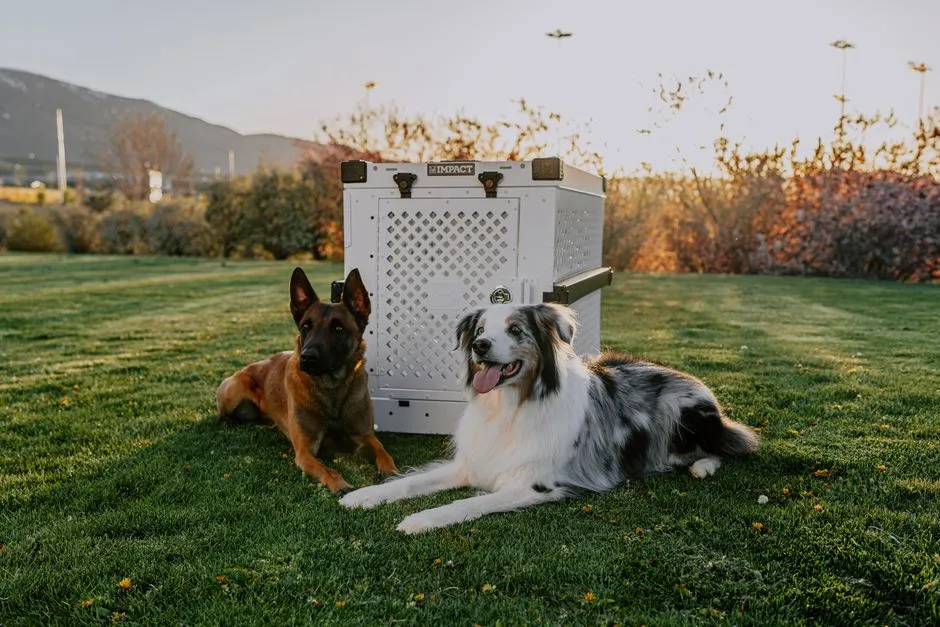
For dogs who tend to be noisy or easily distracted when left alone, it’s particularly important that these dogs are kept away from windows and in more insulated areas of the home to ensure outside stimuli isn’t too distracting to their comfort. Parents to these dogs should consider spare rooms, bedrooms, or other spaces away from noisy windows and doors.
A dog who already struggles with anxiety doesn’t need a front-row seat to passing traffic, neighborhood dogs, or delivery trucks. Dogs naturally seek out den-like environments where they feel sheltered. A well-placed crate taps into that instinct, giving them a space to retreat from overwhelming stimuli like loud noises, guests, or busy household activity.
Ignoring the Dog’s Individual Temperament
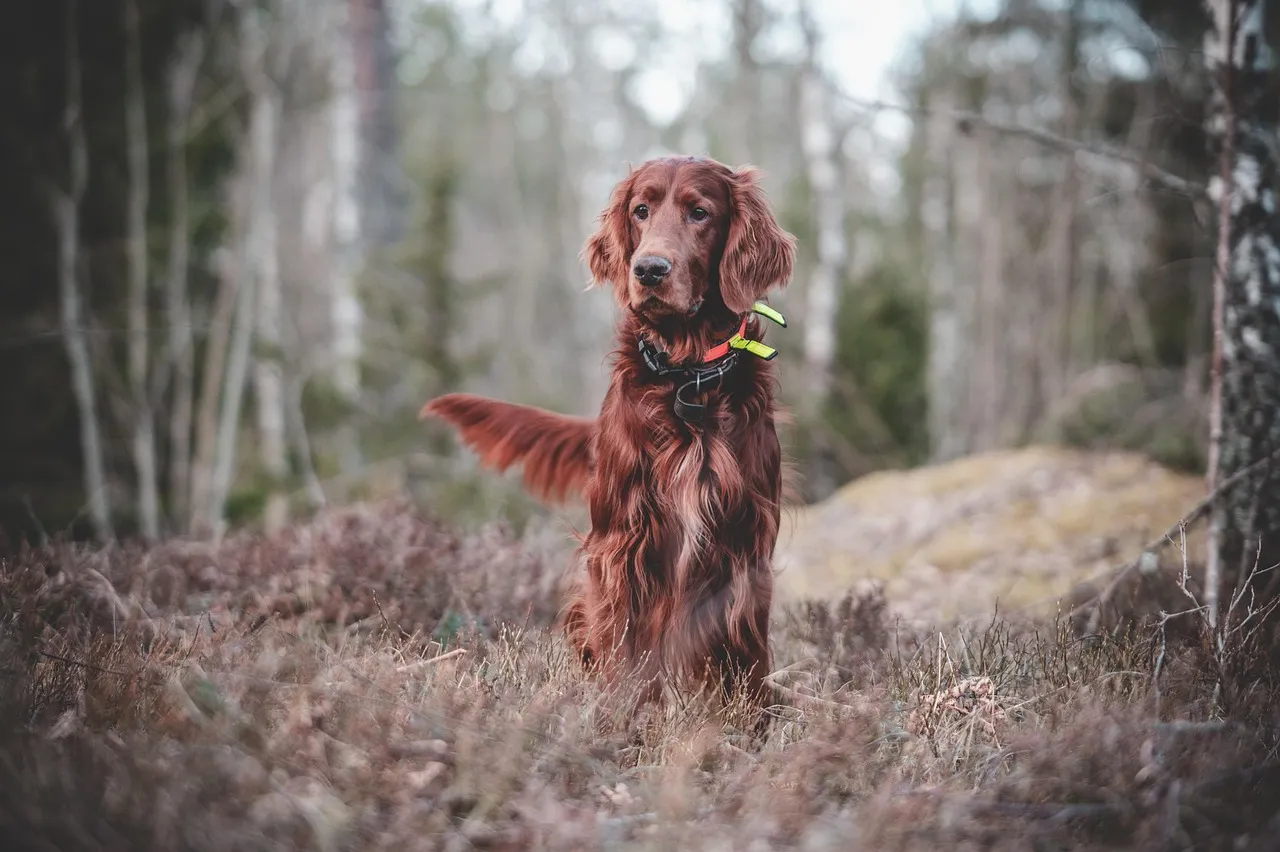
There is no one-size-fits-all crate location. When deciding on perfect crate placement, it really comes down to your pup’s temperament, age, schedule, and household setup. If you have a puppy, you might need a different arrangement than what you would have for an adult dog. Social dogs want to be near all the action, while anxious dogs will do best in a quieter area.
While you can crate train at any age, the earlier you begin, the better your dog might not develop issues with separation anxiety. However, it’s also important to note that anxiety levels in dogs can vary depending on personality, age, and breed. What works perfectly for a confident Labrador may be completely wrong for a sensitive rescue dog. Paying attention to how your specific dog responds to each location is not optional. It’s the whole point.
Finding the Right Spot: A Practical Takeaway
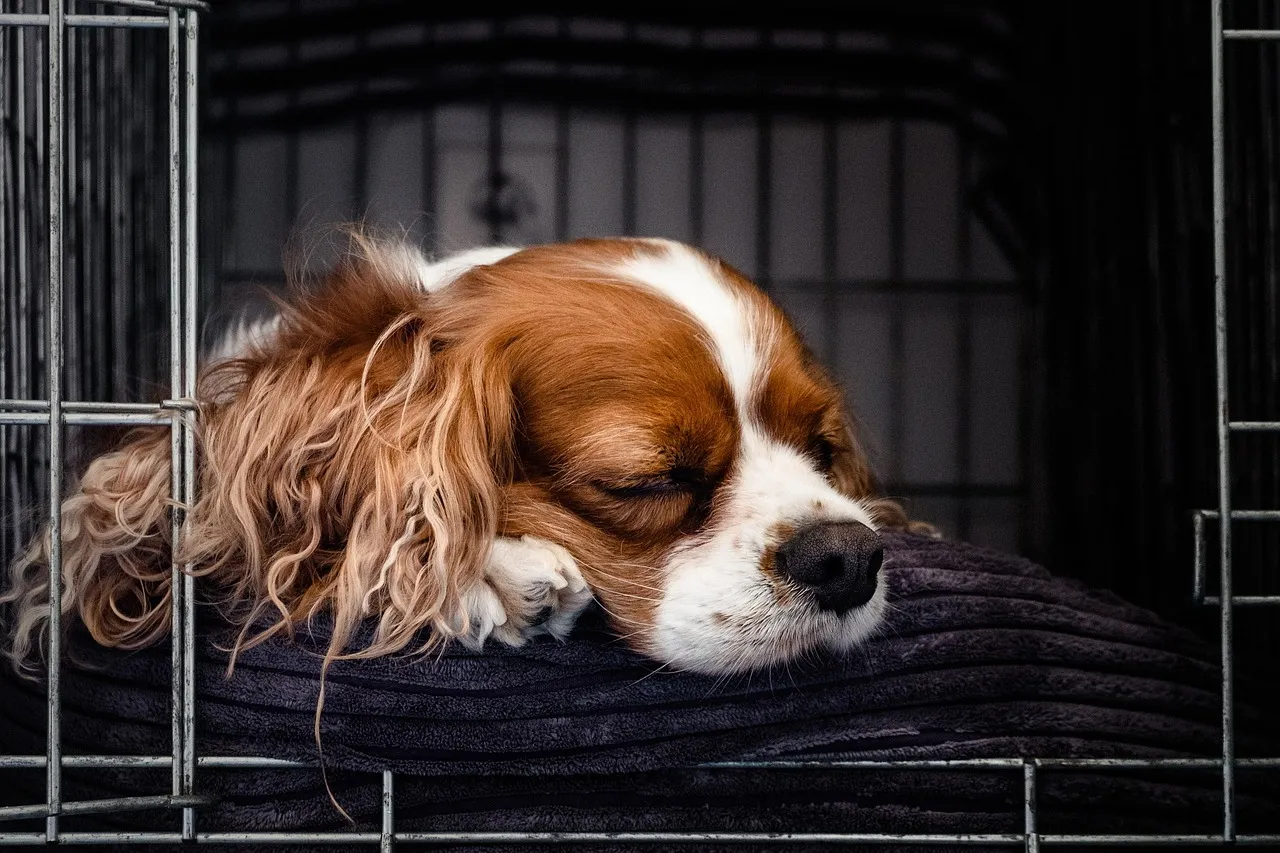
Crate location affects how quickly your dog settles and how comfortable they feel. A well-placed crate promotes calm behavior, while poor placement can increase stress, overstimulation, or regression. These aren’t minor adjustments at the margins. They determine whether the crate becomes a refuge or a source of dread.
Position the crate in a spot where your dog can maintain a visual connection with you. This is especially crucial during crate training, as it reassures them of your presence and helps alleviate feelings of isolation. A location that allows for easy interaction, like a corner of the living room where you frequently spend time, can foster a sense of security. Start there, watch how your dog responds, and adjust accordingly. The right spot won’t be invisible to you. Your dog will tell you exactly how they feel about it.
AI Disclaimer: This article was created with the assistance of AI tools and reviewed by a human editor.