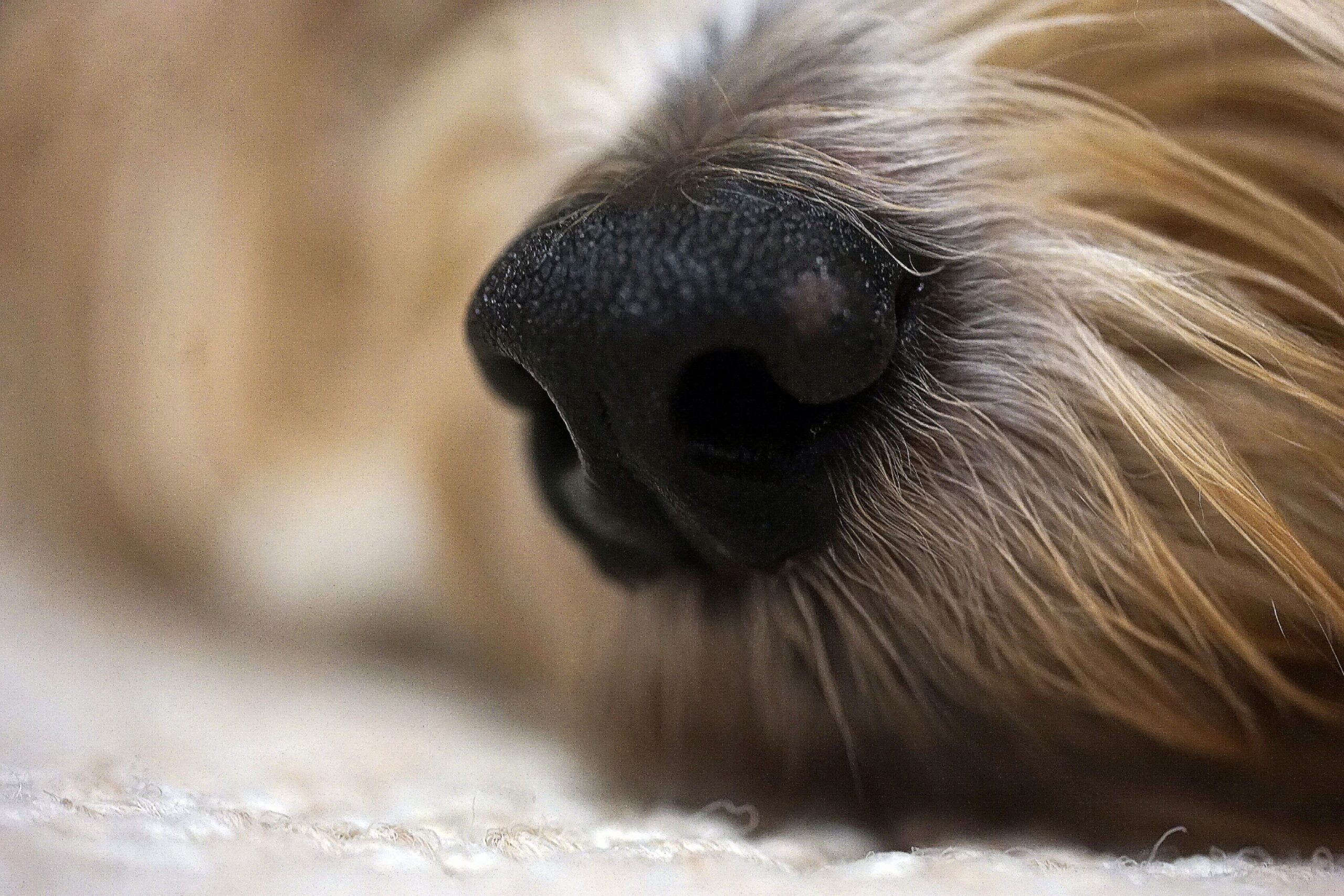

Most dog owners have been there. You’re out for a perfectly normal walk, your dog is trotting along happily, and then suddenly, without any visible warning, they plant their paws and refuse to take another step. It happens at the same spot every single time. No explanation, no obvious trigger, just a wall of canine stubbornness aimed at one particular house or stretch of pavement.
It turns out this behavior is far more complex than simple stubbornness. Dogs experience the world through a set of senses and memories that operate very differently from ours, and science has started to give us some real, grounded answers about what’s going on when your dog slams on the brakes.
The Nose Knows More Than You Think
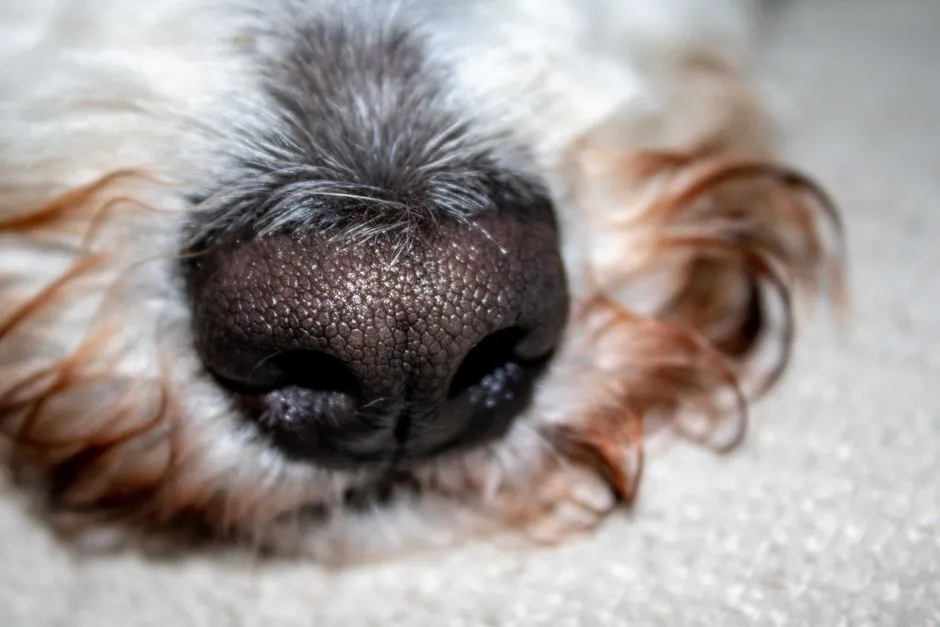
Dogs process the world primarily through scent, and their olfactory system is in a completely different league from ours. Some estimates suggest dogs have around 300 million scent receptors, compared to the roughly 6 million that humans possess. That gap in sensory capability means a house that appears completely ordinary to you might be radiating a wall of chemically rich information to your dog.
Unlike humans, dogs have an additional olfactory tool that increases their ability to smell. Jacobsen’s organ, also known as the vomeronasal organ, is a special part of the dog’s olfactory apparatus located inside the nasal cavity and opens into the roof of the mouth behind the upper incisors. This organ effectively gives dogs a secondary nose dedicated to detecting chemical signals that we can’t perceive at all.
Dogs trained to respond to a certain odor appear to be able to detect it at concentrations of 1,000 to 1,000,000 times lower than humans. So when your dog stops dead outside a specific house, it’s worth remembering that they may be reacting to something chemically present that you simply cannot register.
Dogs Can Literally Smell Fear and Stress
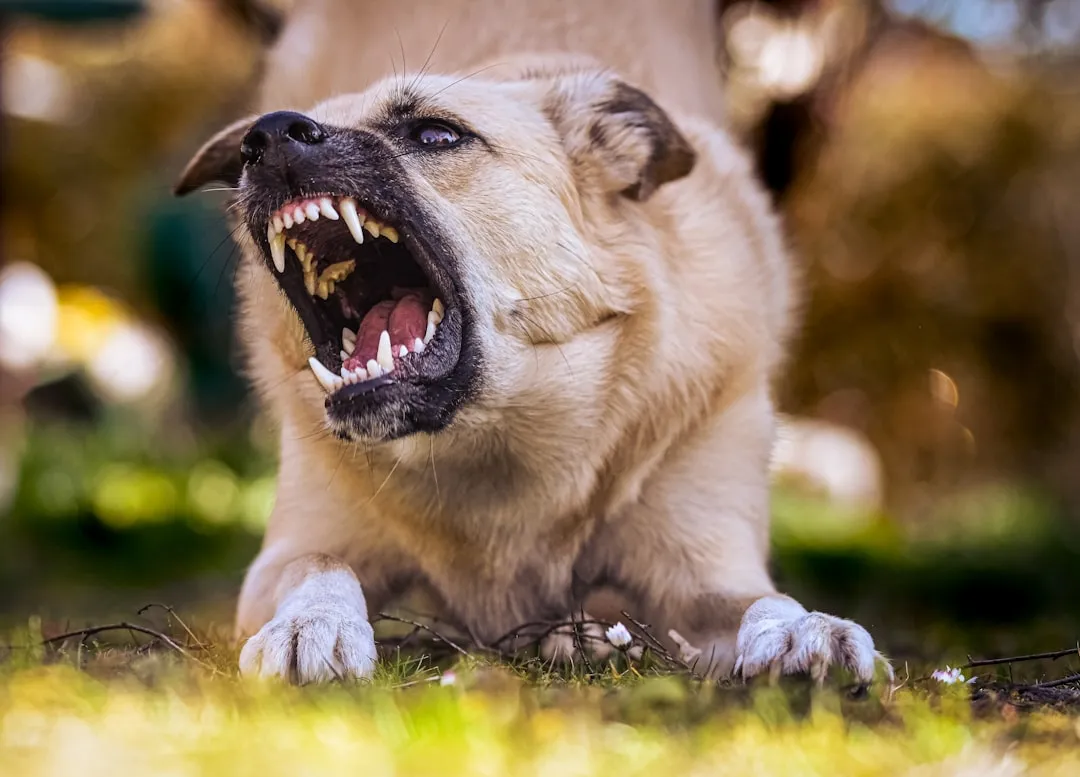
A study called “Interspecies transmission of emotional information via chemosignals: from humans to dogs” actually proves that dogs can smell human emotions and respond accordingly. This isn’t a figure of speech. The emotional state of the people inside a house can produce detectable chemical signals that reach a passing dog on the pavement.
Dogs sense fear and anxiety via their noses. When we are stressed or scared, we secrete adrenaline, the fight-or-flight hormone, which dogs detect even though we cannot smell it. When we are anxious, we also have increased heart rate and blood flow, which carries body chemicals to the skin surface where dogs can smell them more easily.
When researchers at the University of Naples Federico II collected sweat samples from volunteers who had just watched videos designed to trigger fear, happiness, or a neutral state and presented them to domestic dogs, the dogs exposed to fear-related odors showed more signs of stress, had higher heart rates, sought more reassurance from their owners, and were less friendly with strangers, compared to dogs exposed to happy or neutral smells. In other words, a home that carries the scent of chronic stress or anxiety might genuinely unsettle a dog walking past it.
A Recent Study Confirms Hesitation Responses
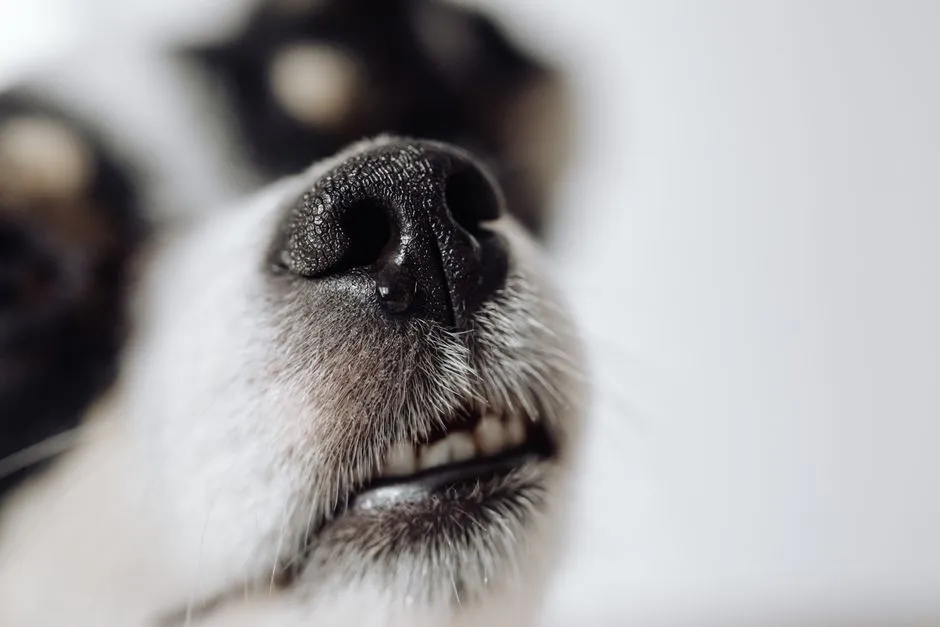
In a study at the University of Veterinary Medicine in Vienna, dogs exposed to a fear scent showed signs of hesitation or discomfort: they spent more time near the experimenter, held their tails lower, and took longer to approach new objects presented to them. This is exactly the kind of behavior owners describe when their dog refuses to walk past a specific location.
The consistency of these outcomes, despite the human being shielded from the smell, provides further and stronger evidence that dogs distinguish and react to the presence of human fear smell in the environment with behaviors indicating low-level discomfort or hesitation. The 2025 study published in Frontiers in Veterinary Science reinforced that this reaction is real and measurable, not a quirk or a coincidence.
Stronger evidence shows that dogs distinguish and react to the presence of human fear smell in the environment with behaviors indicating low-level discomfort or hesitation. A house with consistently stressed or fearful occupants may, through scent alone, become a location a dog actively avoids.
Negative Associations Formed by a Single Bad Experience
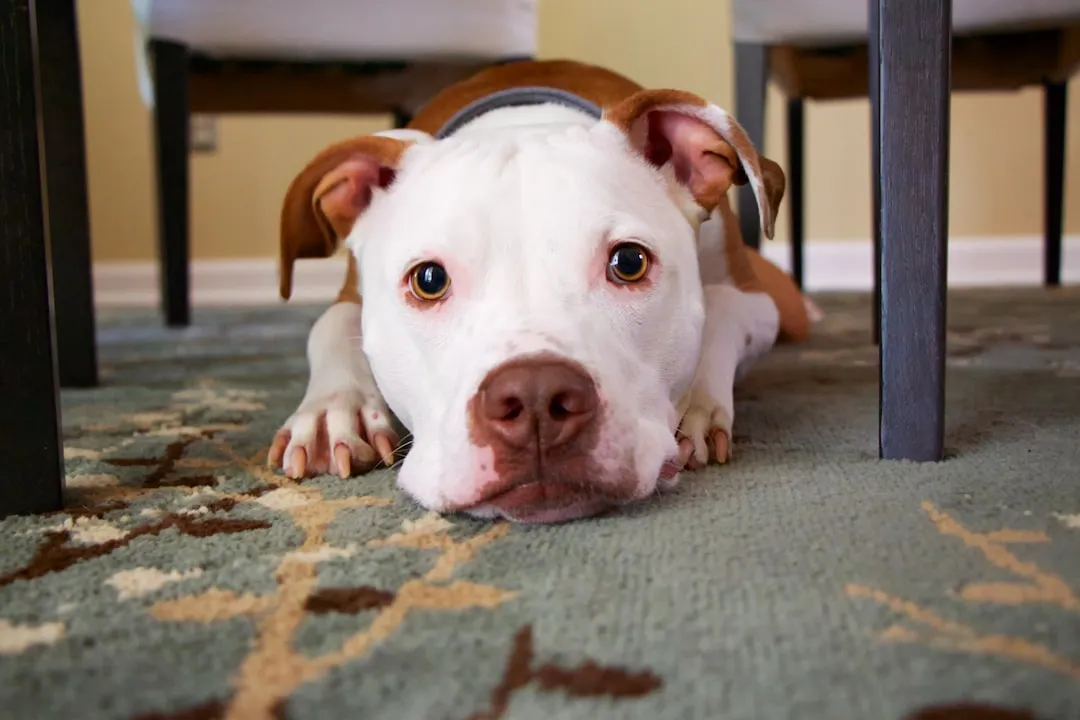
A dog that freezes outside a particular house, digs their paws in near a certain gate, or turns back at the same point every time has often had a bad experience there. It doesn’t require a dramatic incident. A loud bang from inside the house, an aggressive animal behind a fence, or even an unpleasant smell encountered once can be enough.
When a dog goes through a traumatic event, like abuse or neglect, it can have a deep emotional impact. The memory of the event gets tied to the negative feelings the dog had at that time and can have a big effect on how he behaves in the future. So if a dog has been treated badly in the past, he may become fearful or even aggressive in similar situations later on.
Dog caregiver reporting on the spectrum of fearful and aggressive behaviors often describes “unpredictable” or “exaggerated” responses to a situation. A possible explanation for these behavioral responses considers that the dog is reacting to triggered memories for which the dog has a negative association. That stubborn freeze on a particular street corner may look irrational but it’s often rooted in something very real to the dog.
How Dogs Store and Recall Emotional Memories

Dogs most likely use a combination of semantic and associative memories to relate their past to their present. So when you go to take your newly adopted dog on their first car trip, and they refuse to enter the vehicle, they could be using their associative memory to recall a negative experience with cars. They likely aren’t thinking back on a specific time they rode in a car and got sick, but because of that experience, they now associate all cars with negative feelings.
When it comes to long-term memory, researchers believe that dogs will remember events that were strongly positive or negative and have a major impact on the animal’s ability to survive. They also believe that dogs will remember events that have a powerful emotional impact. A frightening moment near a particular house can therefore become permanently attached to that location in a dog’s memory.
Research found that exposure to a specific odor significantly improved dogs’ performance in a spatial task, suggesting that the odor aided dogs to recall specific and detailed memories originally formed in its presence. Scent and memory are deeply intertwined in dogs, which means the smell of a specific house can act as a key that unlocks a stored emotional response every single time.
The Role of Other Animals at That Location
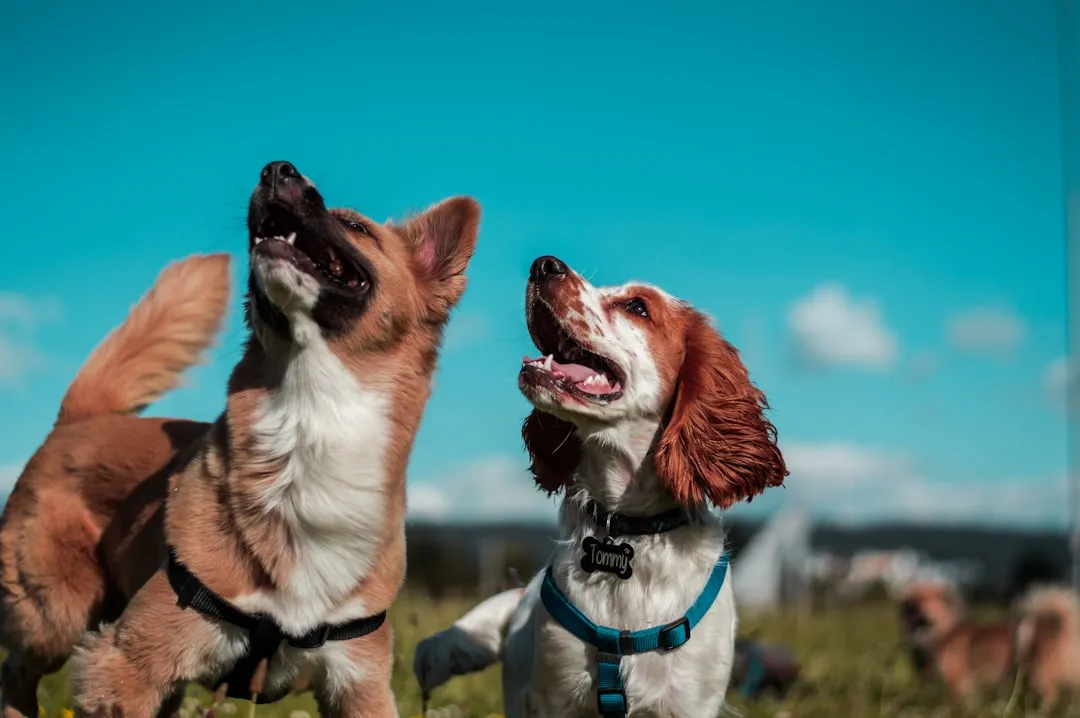
Many client dogs are fearful, and they appear to be balking on walks in order to delay or avoid moving farther from home, or toward or past an area that they find scary for some reason. One of the most common triggers in residential areas is the scent or sound of another dog. A large or aggressive dog behind a gate or fence doesn’t need to be visible to cause another dog to stop and refuse to continue.
Dogs are much more sensitive to all the different environmental stimuli, including sounds, smells, people, places, and movement. This means a house dog barking from inside, invisible to you but heard clearly by your pet, is a perfectly rational reason for your dog to want to take a different route.
If a dog refuses to move in a certain direction and is super enthusiastic about walking in another direction, the reason could be that the dog caught an exciting scent and needs to explore it a little bit more. It’s worth noting that refusal to pass a house isn’t always rooted in fear. Sometimes dogs simply detect another animal’s territorial markings and feel strongly about not entering that scent zone.
Sounds Humans Can’t Hear
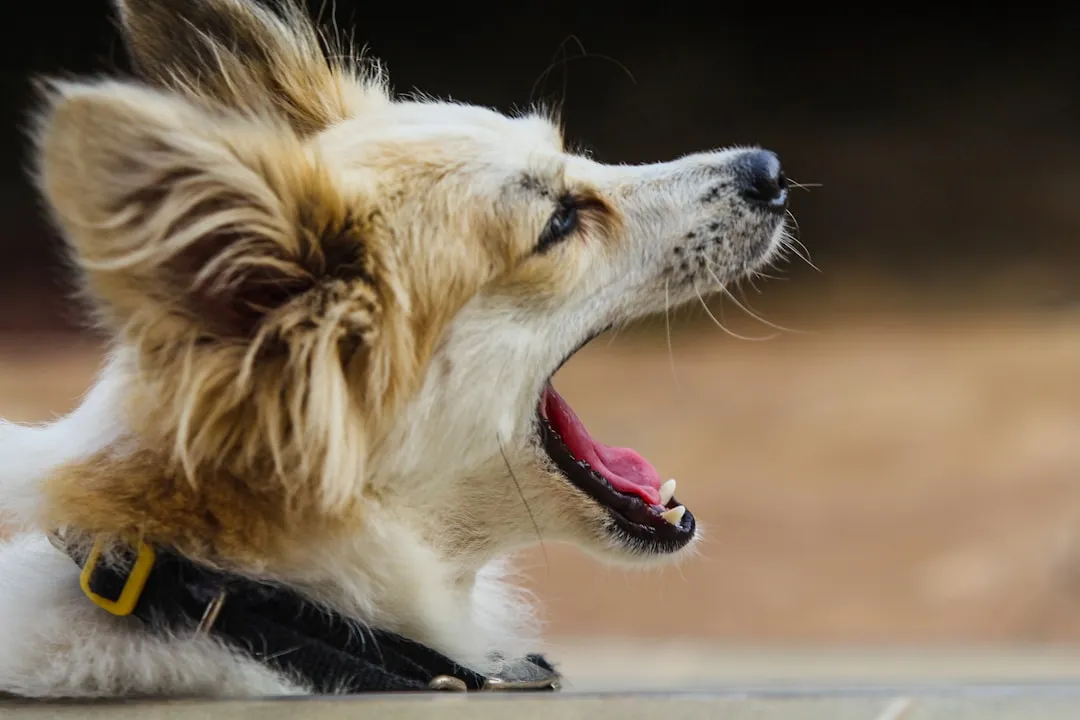
Beyond smell, dogs have a hearing range that extends far beyond what humans can detect. Dogs can hear frequencies from roughly 40 Hz to 65,000 Hz, compared to the human range of approximately 20 Hz to 20,000 Hz. This means high-pitched machinery, ultrasonic devices, or even certain appliances running inside a house could be producing sounds that cause real discomfort to a passing dog.
Dogs have heightened senses and are more sensitive to new sights, smells, and sounds. A dog may be refusing to walk because they feel anxious or afraid about the environment they’re in. A house with a particular sonic environment, be it an alarm system, a piece of equipment, or even a television playing at a certain frequency, could easily become a place a dog instinctively avoids.
Sometimes dogs can feel scared or anxious in certain settings because of a past experience there or in similar circumstances. One bad encounter with an unfamiliar sound becomes a reason to treat that entire location with suspicion on every subsequent walk. The dog doesn’t distinguish between “the machine was running that day” and “this place is dangerous.”
Body Language and What the Dog Is Actually Signaling
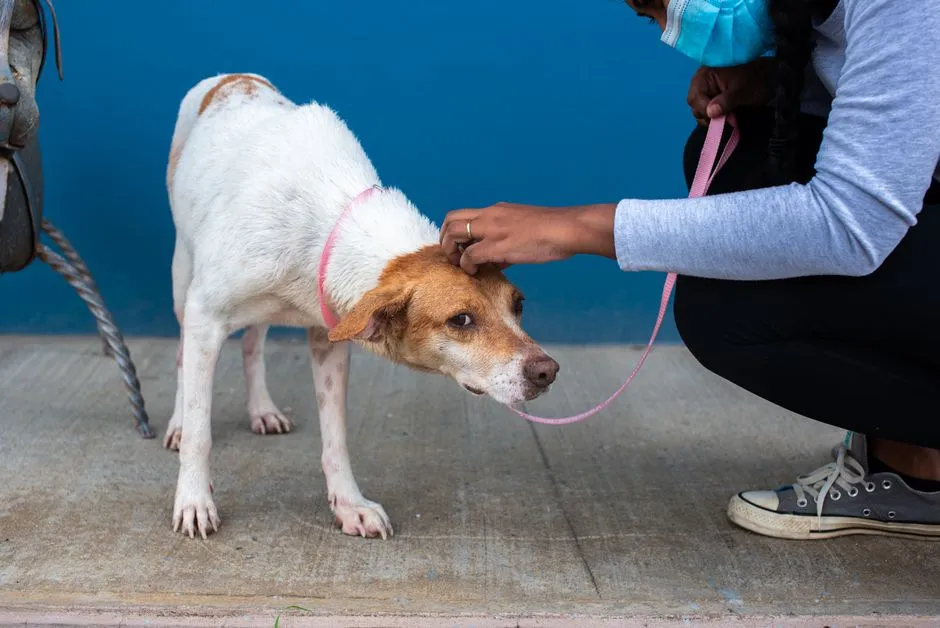
The signals are usually there if you know what to look for: a tucked tail, flattened ears, a sudden reluctance to move forward, or frantic sniffing to avoid making eye contact with whatever’s ahead. These aren’t random gestures. They’re a coherent communication about how the dog is feeling and what they want to do about it.
Like humans, traumatized cats and dogs can develop fear and anxiety disorders. Dogs may attempt to escape or flee situations where frightened, they may become aggressive when interacted with or if forced out of a hiding spot, may freeze or show avoidance behaviors such as hiding or becoming still, and fidget by pacing, jumping up, or repeatedly pawing at their owners.
Forcing a dog past the trigger point, either by dragging or repeated correction, rarely solves the problem and can intensify the anxiety association. You can try to observe what is triggering your dog and help to slowly desensitize them to it. Identifying the specific cue driving the refusal is genuinely the first and most important step.
Rescue Dogs and the Weight of Unknown History
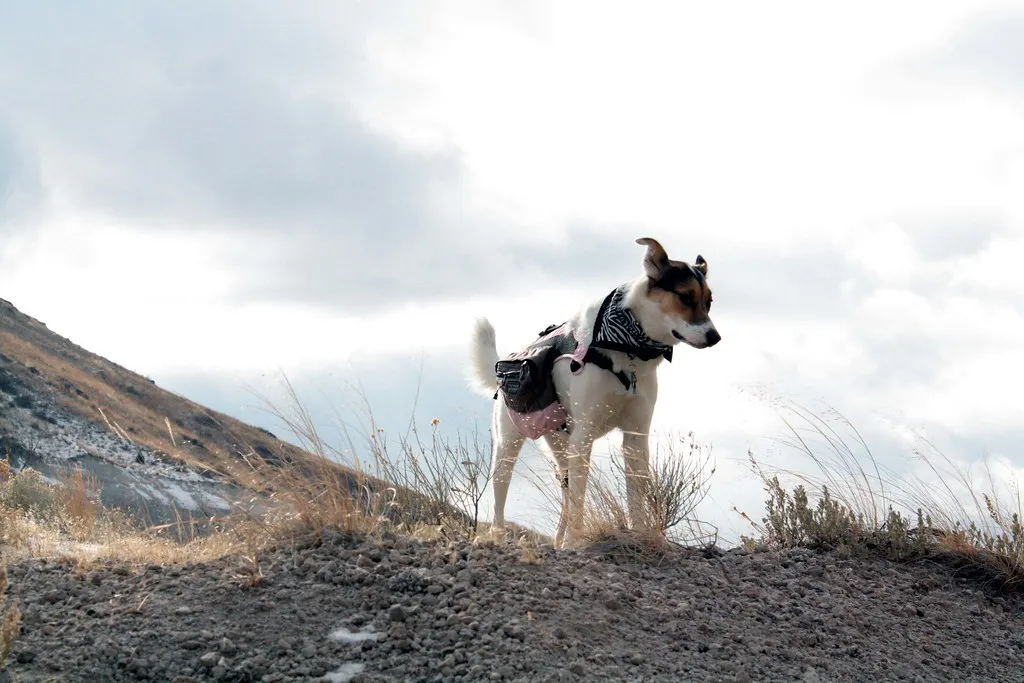
Dogs who have lived in shelters may have experienced trauma and therefore struggle with new environments, requiring more gradual exposure to feel safe. Rescue dogs, in particular, arrive with emotional histories that their new owners often can’t fully trace. A house that looks completely innocuous to you might resemble, in scent or sound, something that caused genuine distress in the dog’s past.
Research has shown that dogs possess a complex memory system that allows them to remember past events, including those that were distressing or traumatic. This means that if a dog has experienced a traumatic event in the past, they may be able to remember it and potentially exhibit signs of fear or anxiety when faced with similar situations.
Dogs exposed to trauma may require consistent positive reinforcement to reshape their memories and reduce anxiety triggers. With rescue dogs especially, patience with the route avoidance is usually more productive than confrontation. The behavior often softens over months with calm, consistent positive experiences on the same walk.
What You Can Actually Do About It
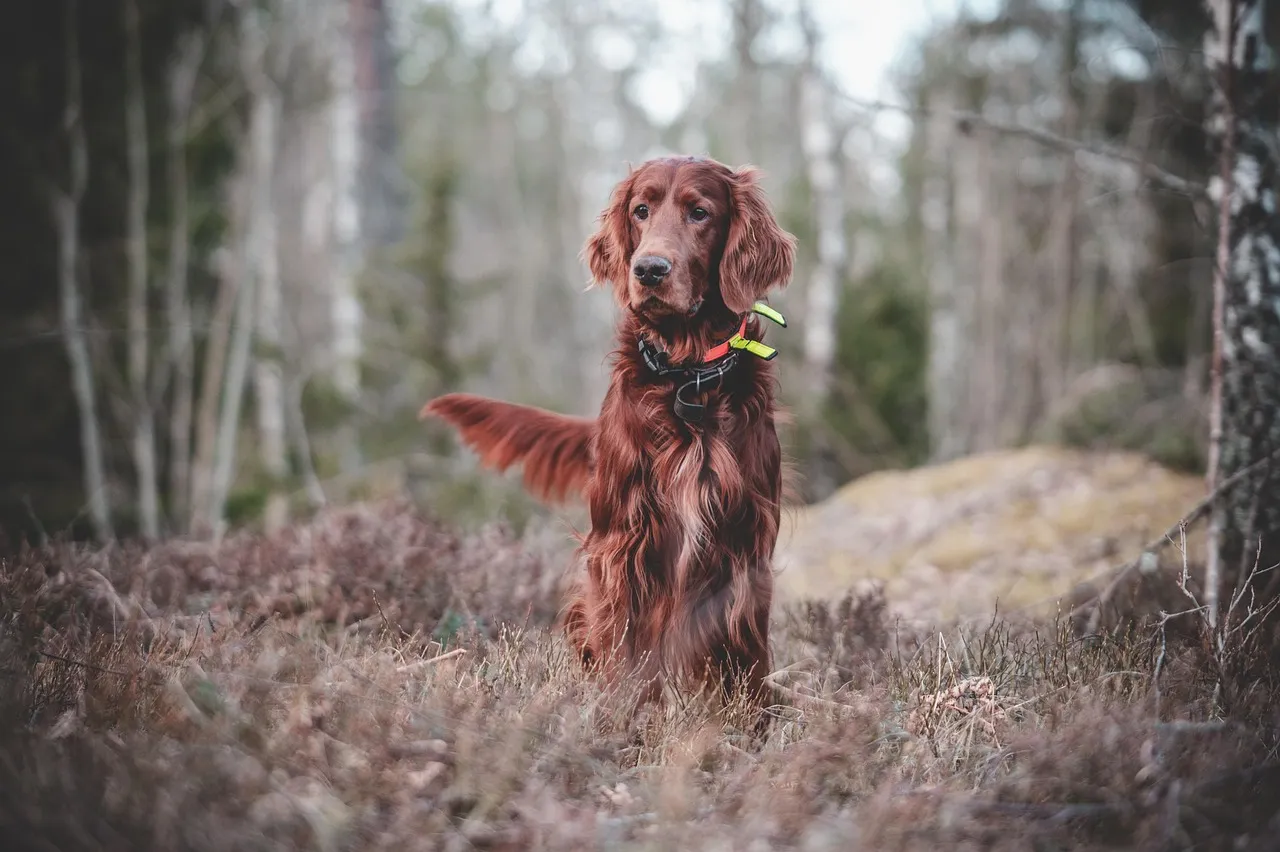
Dogs may refuse to walk in certain directions due to anxiety or fear, boredom with the route, wanting to prolong the walk, being reluctant to venture too far from home, or being distracted by a scent. Understanding which of these is driving the behavior shapes your response completely. Fear requires desensitization, while boredom simply requires a different route.
Consistent repetition of behaviors, both positive and negative, significantly affects memory retention. Dogs exposed to trauma may require consistent positive reinforcement to reshape their memories and reduce anxiety triggers. High-value treats offered while approaching the problem location gradually, at whatever pace the dog tolerates, is the approach supported by behavioral research.
If dogs experience joint pain, it can cause them to cease walking. Joint pain is often caused by arthritis and hip dysplasia. Dogs may experience intense pain due to these conditions, making it crucial to identify signs of joint discomfort. It’s also worth ruling out physical pain entirely, particularly in older dogs. A dog that stops at the same spot on every walk might be reacting to a specific type of pavement or incline that aggravates a joint problem, rather than anything environmental about the house itself.
The Takeaway
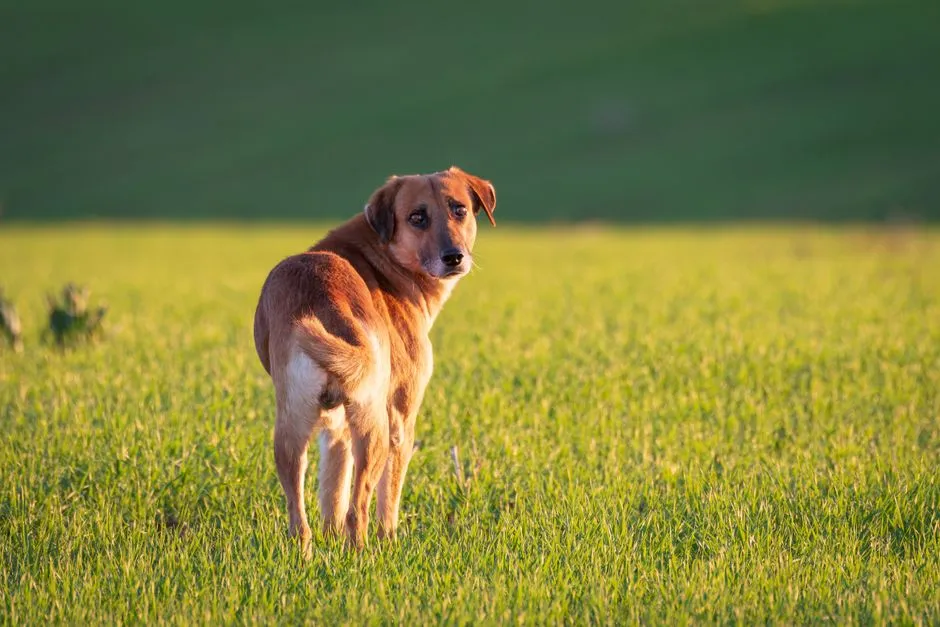
A dog refusing to walk past a particular house is rarely being difficult for its own sake. Their hesitation is a genuine communication, driven by a combination of extraordinary sensory sensitivity, emotional memory, and protective instinct. The science backing this up, particularly around canine olfaction and emotional chemosignals, has grown considerably in recent years.
What looks like stubbornness from where you’re standing is often, from the dog’s perspective, a perfectly logical response to real information. Respecting that signal rather than overriding it tends to produce better outcomes for both the walk and the relationship. Sometimes the kindest thing you can do is simply cross to the other side of the street.
AI Disclaimer: This article was created with the assistance of AI tools and reviewed by a human editor.