

Most people assume skunks spray randomly, or just when they feel like it. The reality is far more seasonal and driven by biology than most of us realize. There is one month every year when the smell seems to drift through neighborhoods with unusual persistence, and the answer to why has everything to do with what skunks are built to do.
February Is the Month That Changes Everything
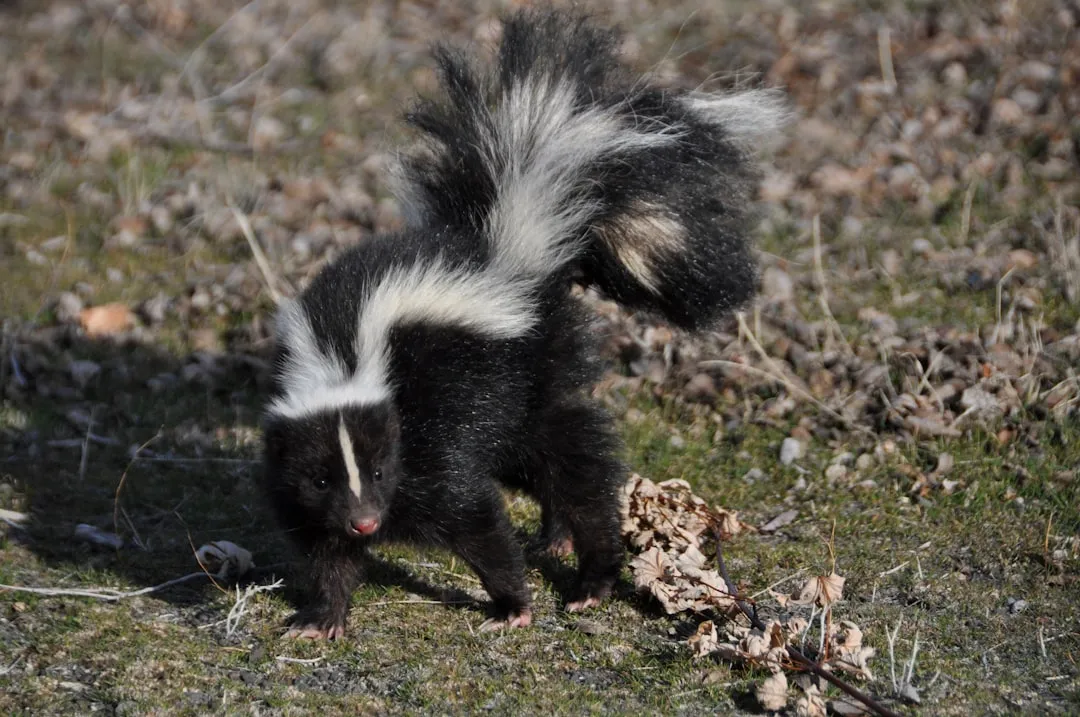
Skunk mating season is roughly two months long, usually beginning in February and ending in March. February, though, is where the peak drama unfolds. February is the beginning of skunks’ mating season, and skunks are a little more sensitive and agitated during this period, resulting in more defensive posturing and spraying.
February marks the beginning of the skunk mating season, but when males begin to look for their female counterparts is mainly dependent on the weather. In a mild winter, activity kicks in fast and hard, flooding local neighborhoods with that unmistakable odor almost overnight.
Why Skunks Go Quiet Before February
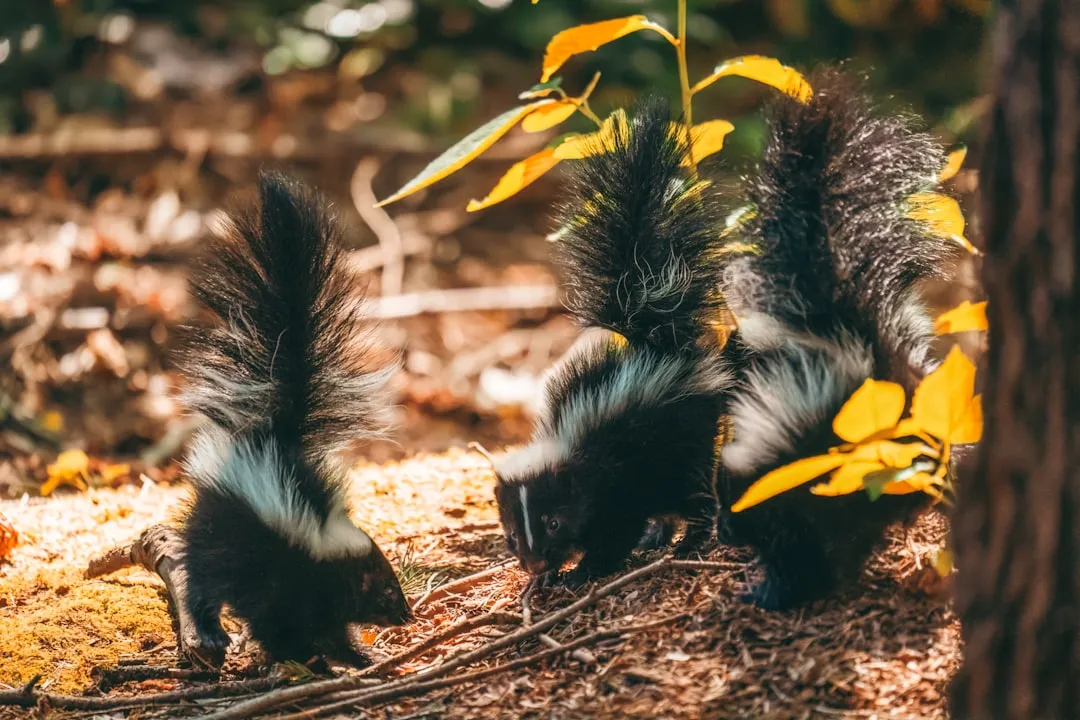
While skunks do not hibernate, they can enter a state of torpor, a sort of deep sleep from which they awake from time to time. Torpor is influenced by temperature and food availability, and when a skunk goes into torpor, their body temperature can drop 20 degrees and their metabolism slows.
Skunks can go into torpor daily for 9 to 22 hours during winter. After the midpoint of winter, they leave their dens to find mates, often spurred by a period of warmer weather. That emergence in February is essentially a biological alarm clock, and it goes off all at once across the population.
Males on the Move: The Root Cause of the Spike

Male skunks will mate with multiple females and may cover several miles each night in search of a partner. As a result, skunks are more active, crossing roads, exploring unfamiliar areas, and occasionally coming into closer contact with people.
Male skunks are polygamous and travel far and wide in search of females, which accounts for the increase in sightings and smellings this time of year. During these travels and times of increased activity, skunks are more likely to encounter threats, and therefore spray. More territory covered simply means more chances for a confrontation.
Female Rejection: The Underrated Driver of February Spraying
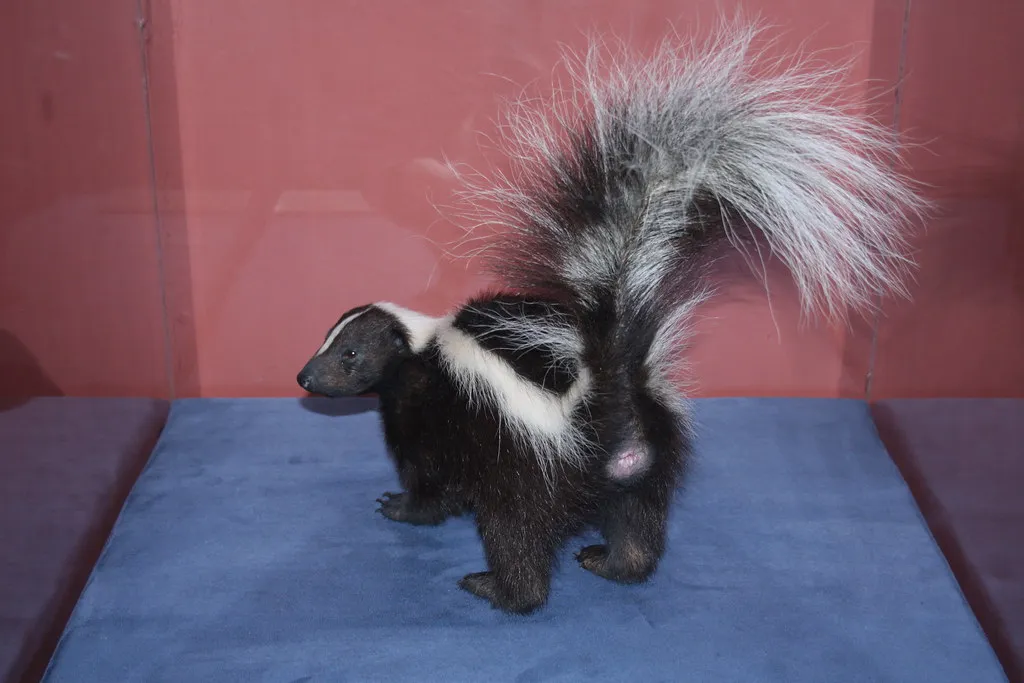
February through March is mating season for striped, hog-nosed, and hooded skunks, and the stink occurs when males try to court females who may not be “in the mood.” When that happens, female skunks generate an aroma to repel their rejected suitors.
Skunks use their scents to mark their territory, but male skunks may use it as a weapon during fights over mating rights, and female skunks will offensively spray males they aren’t interested in. This means spraying isn’t always about fear in February. Sometimes it’s just a firm “no.”
When a male finds a female, she can discourage his advances by emitting an odour. The increased and pungent aroma is a sign of females repelling males in pursuit of the right mate.
The Chemistry Behind the Smell

The strong-smelling spray, with its distinct sulfuric odor, serves as a powerful deterrent for predators. Containing thiols, these sulfur-containing compounds are responsible for the spray’s intense odor and are highly flammable, posing unique risks beyond their offensive scent.
The spray gland produces an oily liquid made up of thiols that contain sulfur, and people compare the smell to rotten eggs. The oil is so odorous it can be smelled up to half a mile away and can linger for many days. In February, when multiple animals are spraying simultaneously across a neighborhood, those individual clouds combine into something nearly inescapable.
How Far and How Often Can a Skunk Spray?

Skunk spray can hit targets nearly 10 feet away, and skunks can spray up to six times in a row. It takes them several days to produce more liquid, which means they’re defenseless for a while if they’re out of spray.
Once a skunk releases its notorious spray, it is left vulnerable and defenseless for nearly 10 days as it refills those glands, highlighting the importance of its spray as a last resort in encounters with predators. This is exactly why spraying increases so dramatically in February: the behavioral pressure to mate overrides the usual caution skunks apply to conserving their spray supply.
Weather Shifts the Timeline, but February Stays Central
Warmer winters with early thaws may encourage males to seek a mate in early February. Colder and harsher winters may keep the animals sheltered in their dens through March, pushing mating season into April. The calendar shifts slightly, but the pattern holds.
Males become active sooner during a milder winter and later in harsher winters. Climate trends in recent years have pushed some regional populations to begin their February spraying earlier than historical averages would suggest, making this an evolving pattern worth watching.
The Warning Signs Nobody Notices Until It’s Too Late
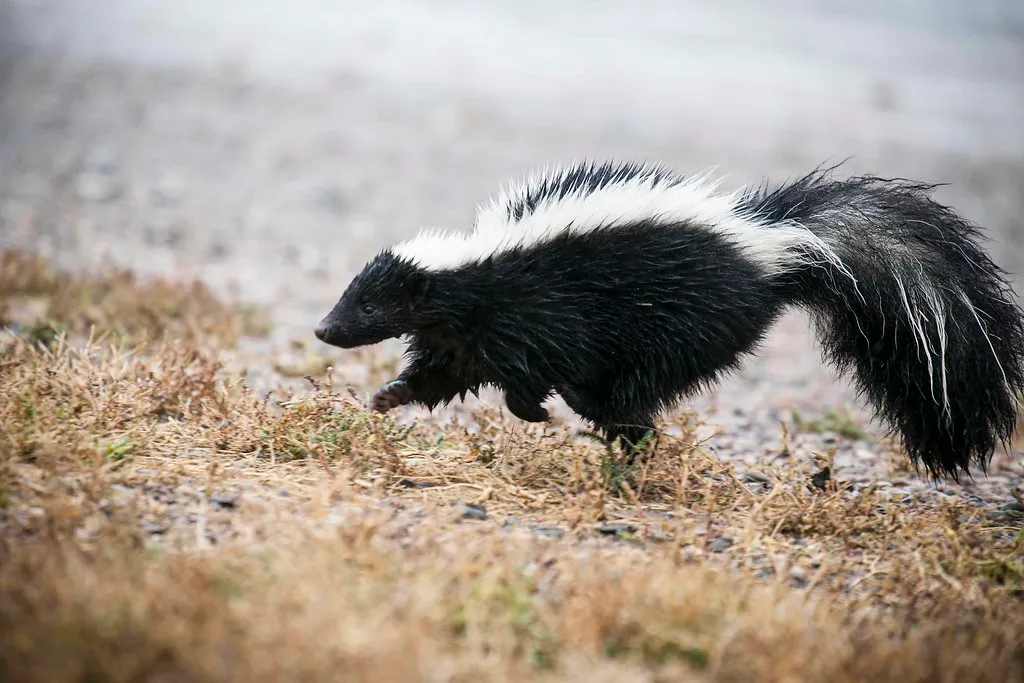
While skunks have poor eyesight, they can still detect approaching threats. If a skunk feels cornered or threatened, it will give clear warning signals before resorting to spraying. Look for foot-stomping, tail-raising, a quick turn to position its backend toward the threat, and hissing.
Skunks don’t always spray, and spraying isn’t even their first line of defense. If you get too close to a skunk, it will likely just try to run away. If you’re still too close, the skunk will turn around, raise its tail as a warning, and stomp its front feet. They only use the spray when they feel cornered and like they don’t have any other option to defend themselves.
What Happens After February: The Pregnant and Protective Phase
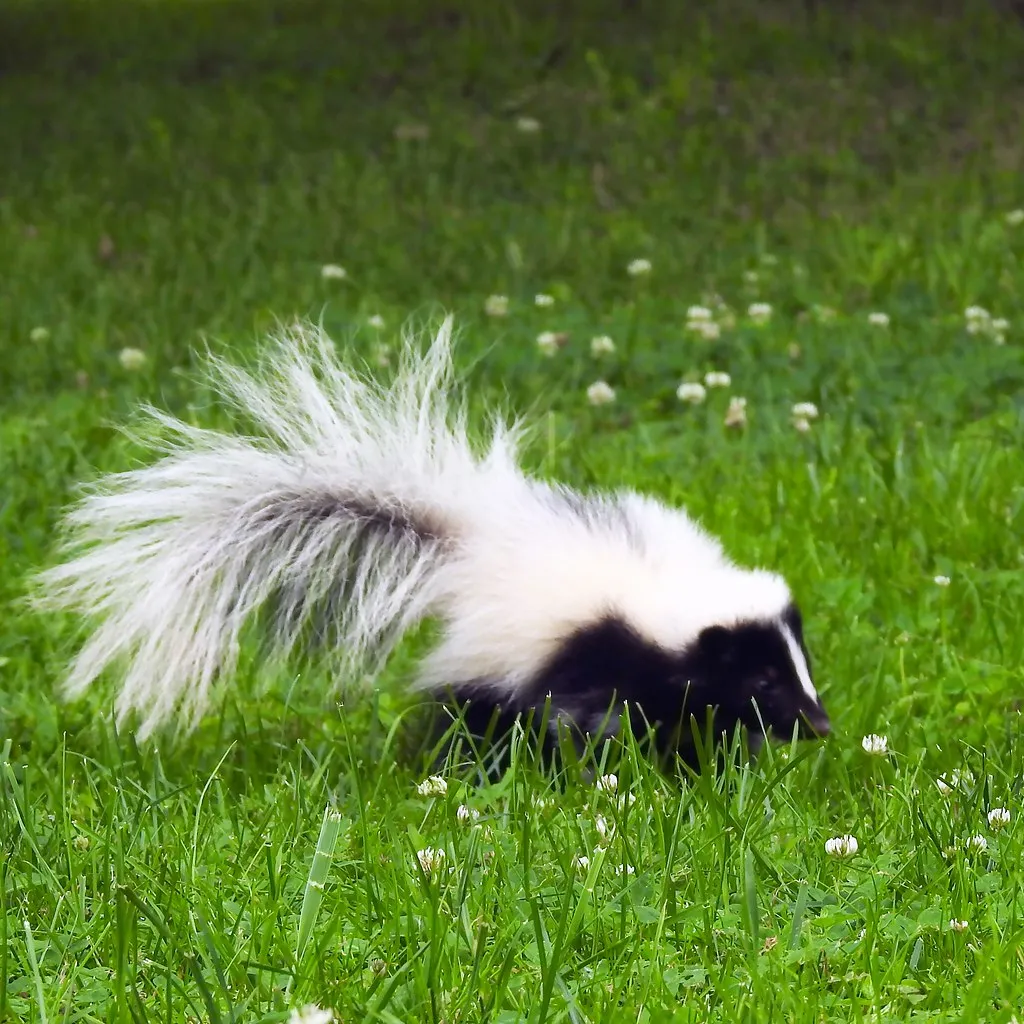
A skunk’s gestational period is between 60 and 75 days. The mother will still forage for food during this time but will also be a little more defensive than usual, meaning she may spray more frequently to ward off potential threats.
Although skunks are not generally aggressive animals, they will become aggressive if they feel their babies are in danger, and will spray anything they see as a threat. Skunks give warning signs before spraying like stamping front feet, a raised tail, hissing, and forward charges. The post-February weeks still carry elevated spray risk, but the intensity of February itself is hard to match.
Baby skunks, known as kits, are typically born in May or June after a 60 to 75-day gestation period. Mother skunks seek out safe, sheltered spaces to raise their young, often choosing burrows beneath porches, crawlspaces, or other structures.
What To Do If a Skunk Is on Your Property in February

If you happen to see a skunk on your property, there is usually no real cause for alarm. More than likely, the skunk is passing through on his quest to find romance. However, if you are seeing skunks on a frequent basis, it is possible that they might be nesting nearby.
Skunks seek out secure and insulated dens that will protect them from the cold. Common den sites include beneath porches, decks, sheds, and woodpiles. Inspecting those spots before February arrives is the simplest preventive step most homeowners never think to take.
If your dog does get hit with skunk spray, skip the tomato juice. A neutralizing wash of hydrogen peroxide, baking soda, and dish soap breaks the thiols down chemically, while cold water alone barely helps.
The Takeaway
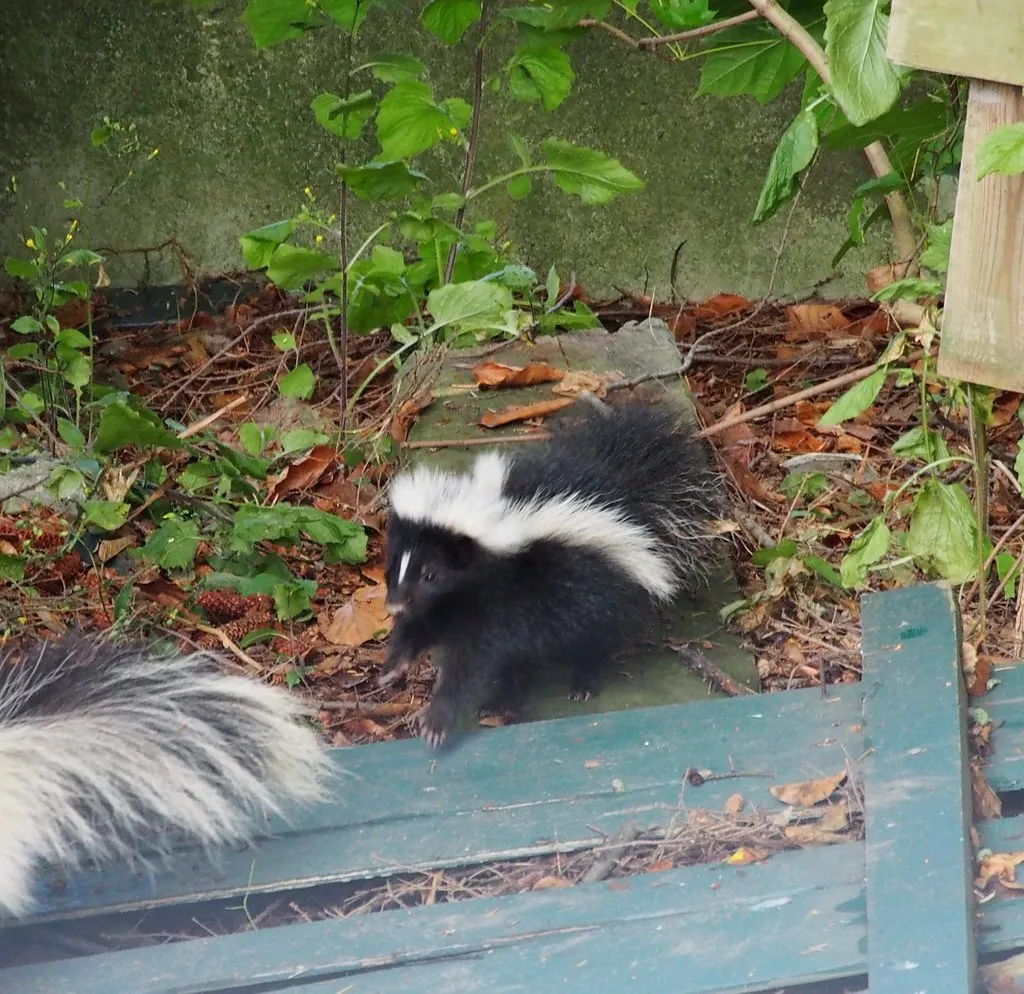
February’s reputation as the month of love applies to the animal kingdom in ways most people would rather not experience firsthand. The convergence of emerging males, territorial disputes, female rejection, and sheer volume of nighttime movement creates a perfect storm of spraying that no other month comes close to matching.
The spray isn’t random aggression. It’s biology on a schedule, playing out across neighborhoods every late winter with quiet predictability. Knowing when and why it happens is the first real step toward not being caught off guard when the smell drifts through your window at two in the morning in mid-February.
AI Disclaimer: This article was created with the assistance of AI tools and reviewed by a human editor.