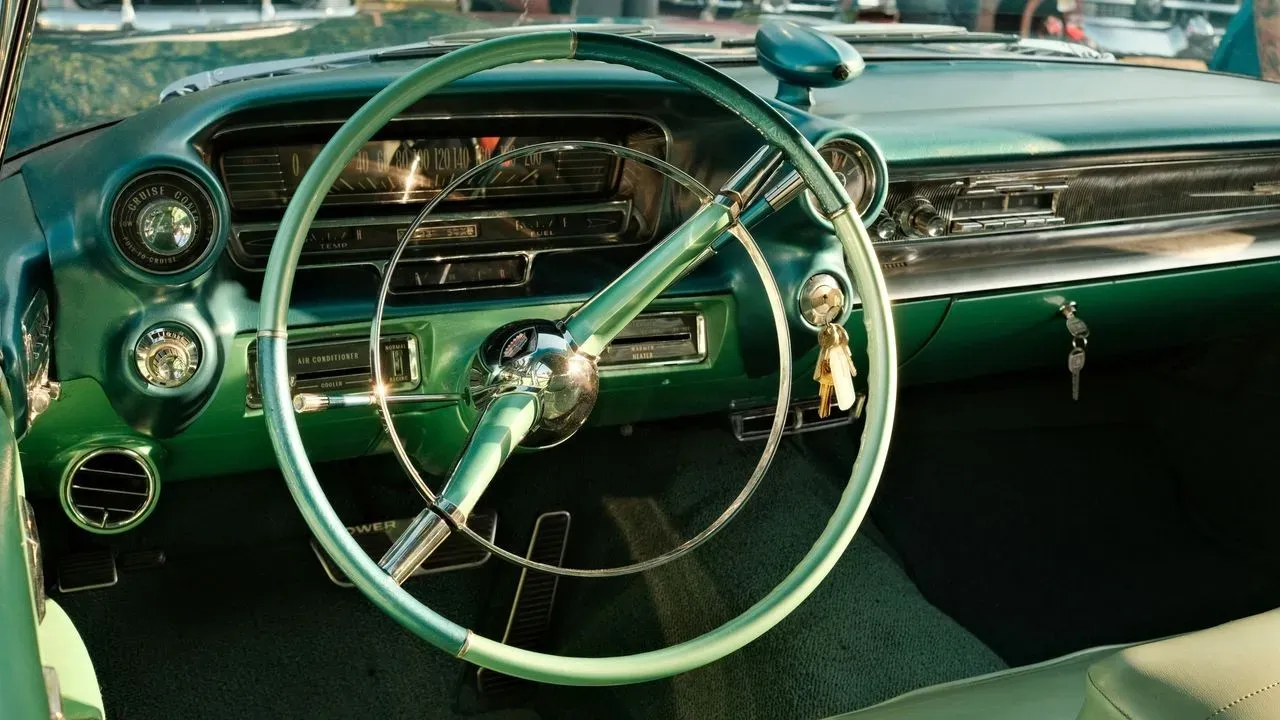

Summer heat often draws attention to outdoor conditions, yet the most intense temperatures form inside a parked vehicle left in the sun. Drivers and passengers may step away for just a short time, only to return to surfaces that have climbed dramatically. Inside a closed car, some areas can reach nearly 200 degrees within minutes. ([1])
How Interior Heat Escalates So Quickly
Sunlight passes through windows and warms the air and surfaces inside the cabin. Once trapped, that heat has nowhere to escape, creating a rapid buildup that far exceeds the temperature outside. The process accelerates on clear days when direct rays strike the vehicle for extended periods. Even on moderately warm afternoons, the effect compounds fast enough to surprise anyone who underestimates the timeline.
Materials such as dashboards, seats, and steering wheels absorb and retain heat differently than open air. Darker surfaces tend to intensify the rise, turning ordinary objects into potential hazards. This contrast between exterior comfort and interior extremes highlights why parked cars demand extra caution during peak summer months.
Everyday Risks That Extend Beyond People
The extreme temperatures affect more than just skin contact. Electronics, medications, and personal items left inside can degrade or malfunction under such conditions. Plastic components may warp, while certain liquids expand or lose potency when exposed to prolonged high heat. Gardeners and outdoor enthusiasts who run errands between tasks face these issues when supplies sit unattended in a vehicle.
The danger also applies to routine stops at stores or parks. A brief absence can transform the cabin into an environment where accidental contact causes burns. Awareness of these secondary effects encourages better habits around what gets left behind during warm weather.
Practical Steps to Reduce Exposure
Simple habits limit the chance of encountering dangerous conditions. Park in shaded areas whenever possible, or use reflective covers on the windshield to deflect sunlight. Crack windows slightly for ventilation if safe and legal in the area, though this offers only partial relief.
Checking the interior temperature with a quick touch test before settling in provides an immediate safeguard. Planning shorter stops and keeping essentials in insulated bags further protects both people and belongings. These measures integrate easily into daily routines without requiring major changes.
The key is recognizing that heat inside a parked car builds faster and higher than most expect, turning ordinary errands into moments that require deliberate attention. Staying mindful of these conditions supports safer outdoor living throughout the season.
AI Disclaimer: This article was created with the assistance of AI tools and reviewed by a human editor.