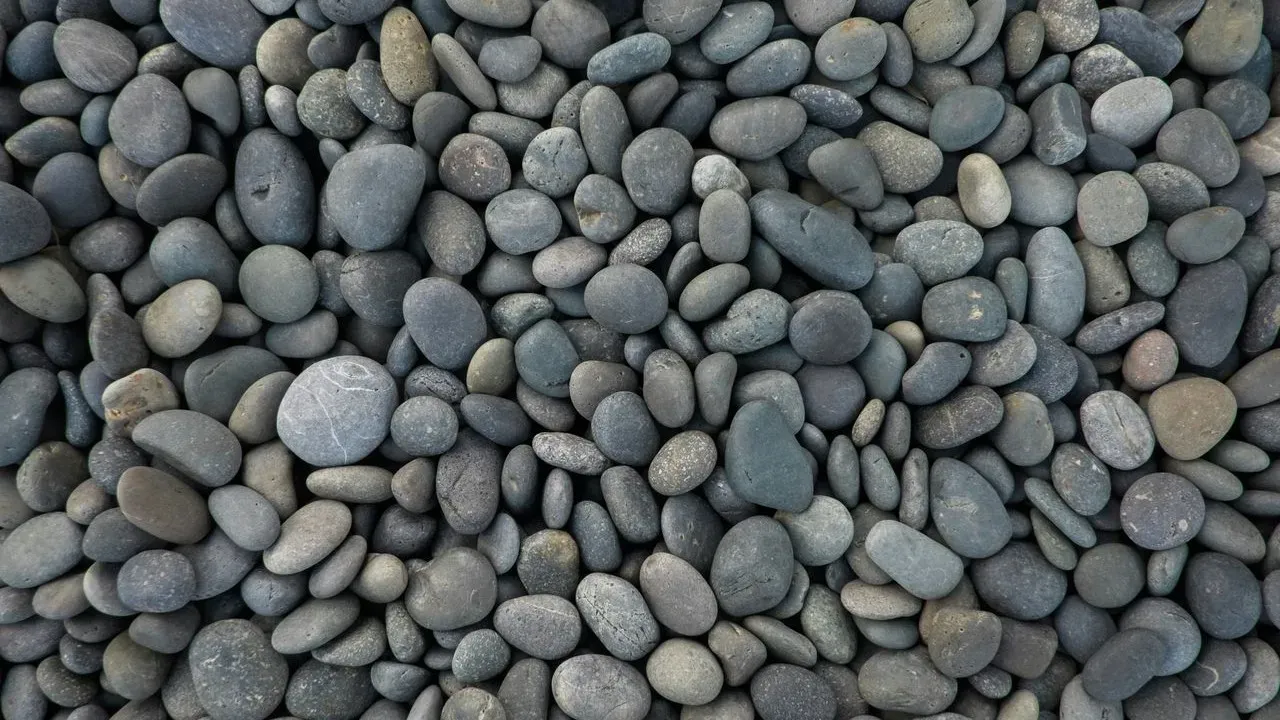

Across many neighborhoods, the familiar sight of neatly mowed grass is giving way to surfaces covered in smooth stones and gravel. The change often begins with a simple observation: the steady crunch of pebbles underfoot offers a different kind of satisfaction than the soft give of turf. Homeowners cite rising water costs, frequent mowing, and seasonal upkeep as reasons to reconsider what covers their yards. This shift reflects broader interest in landscapes that require fewer resources while still providing visual interest.
The Practical Shift Away from Grass
Traditional lawns demand regular irrigation, fertilization, and equipment maintenance throughout the growing season. In contrast, pebble and gravel surfaces eliminate most of those recurring tasks once installed. Property owners report spending far less time on weekend chores and more time enjoying the space.
The change also reduces the need for gasoline-powered tools, lowering both noise and emissions around the home. Many who make the switch live in regions where water restrictions or high utility rates already influence daily decisions. Replacing turf with stone removes a major source of ongoing expense and effort. The result is a yard that remains presentable with minimal intervention, even during dry periods when grass would otherwise turn brown.
Water Savings and Drought Resilience
Water use stands out as one of the clearest advantages. Lawns typically require several inches of irrigation each week during warmer months, while pebble gardens need none beyond occasional rinsing to keep surfaces clean. This difference becomes especially noticeable in areas prone to drought or subject to municipal watering limits.
Homeowners who track their bills often notice measurable reductions after the first full season. The stones themselves help moderate soil temperature and reduce evaporation from any remaining planted areas. Because the surface does not compete with nearby trees or shrubs for moisture, existing vegetation can thrive with less supplemental watering. Over time, the lower demand supports both household budgets and local water supplies during peak demand periods.
Design Options That Fit Different Properties
Pebble gardens adapt to a range of lot sizes and styles. Larger open areas can feature sweeping expanses of uniform gravel bordered by low plantings. Smaller urban yards often incorporate mixed stone sizes or subtle patterns that define seating zones or pathways.
The neutral palette of grays, beiges, and earth tones complements many architectural styles without competing for attention. Drainage improves in many cases because water moves freely through the stone layer rather than pooling on compacted soil. This characteristic reduces mud after storms and helps protect foundations in homes built on heavier clay. Property owners frequently combine the stone with drought-tolerant plants or simple edging to create defined beds that require little further attention.
Key Considerations Before Making the Change
Installation typically involves removing existing turf, adding a weed barrier, and spreading several inches of stone. Professional help can ensure proper grading and edging so the surface stays contained. Initial costs vary with the size of the area and the type of stone selected, yet many homeowners find the investment recovers through reduced water and maintenance expenses within a few years.
Ongoing care remains light but not nonexistent. Occasional raking keeps the surface even, and periodic checks prevent weeds from establishing in any gaps. The approach suits those who prefer a structured, low-input landscape over one that requires constant seasonal adjustments.
The decision ultimately rests on local climate, soil conditions, and personal priorities for how outdoor space should function. Those who complete the transition often describe a yard that feels both simpler and more intentional year-round.
AI Disclaimer: This article was created with the assistance of AI tools and reviewed by a human editor.