
A Market With Real Numbers Behind It
The global comic book market was valued at roughly $9.29 billion in 2024 and is projected to reach $30.24 billion by 2035. That’s not a niche hobby talking. North American direct market and bookstore combined sales reached $1.21 billion in 2025, up 4.2% from 2024.
That growth is slower than 2023’s 8.7% increase, but still positive in a broader environment where physical entertainment goods are down on average. The broader market is holding, and at its upper end, some prices are shattering records entirely.
The Record That Changed Everything
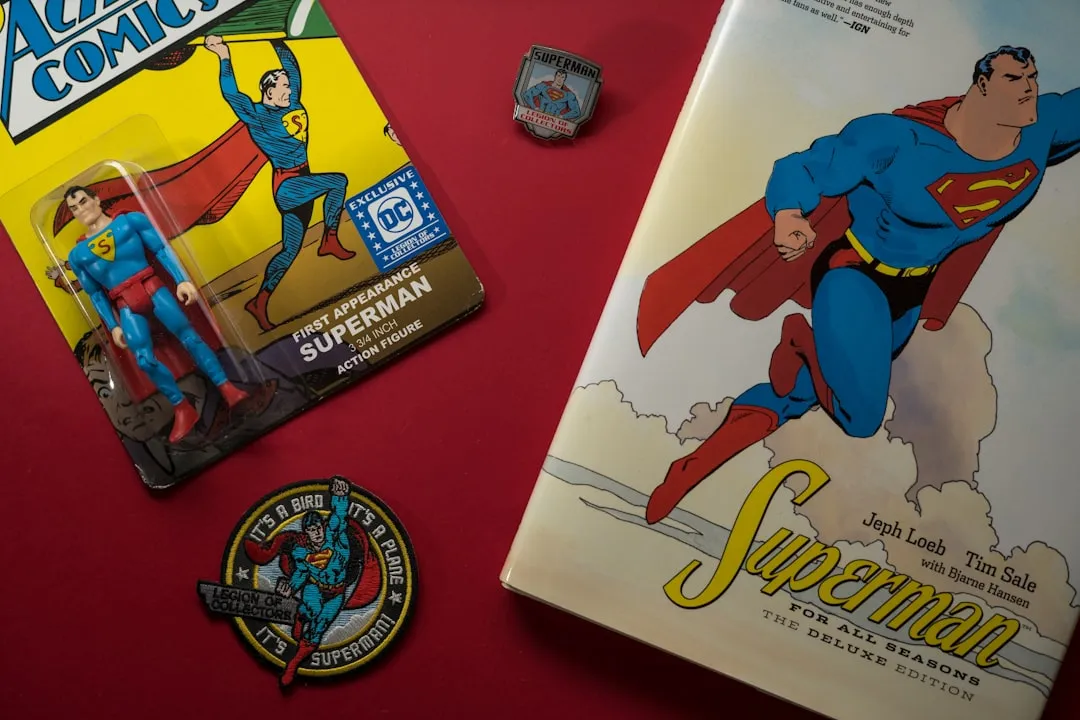
The Superman #1 sale at $9.12 million in November 2025 shattered the all-time record by over 50%. That single transaction reframed how seriously the world views vintage comics as assets.
As of 2026, Superman #1 (CGC 9.0) holds the record at $9.12 million, sold at Heritage Auctions in November 2025. It was found in a California attic where it had been stored for decades. A find like that belongs in a film script, except this one was entirely real.
Action Comics #1 (1938), CGC 8.5, also sold for $6 million at Heritage Auctions in April 2024. The records are not isolated flukes. They reflect a sustained appetite for the rarest books.
Golden Age Comics: The Grown-Up Table
Comics from the Golden Age of the 1930s and 1940s are setting new records at any grade on the CGC grading scale. This era predates mass print runs and careful storage, which means surviving copies in any decent condition are genuinely scarce.
Demand for Golden Age comics comes from institutional collectors, museums, and major private fortunes – an audience that doesn’t react to film rumors. This segment is long-term by nature. That institutional backing creates a price floor that speculative hype alone cannot.
Golden Age remains the grown-up table. That does not mean every Golden Age book is a great buy. Plenty are obscure or simply not in demand. But when high demand meets true scarcity, buyers are still showing up with serious money.
Silver Age Keys Hold Their Ground
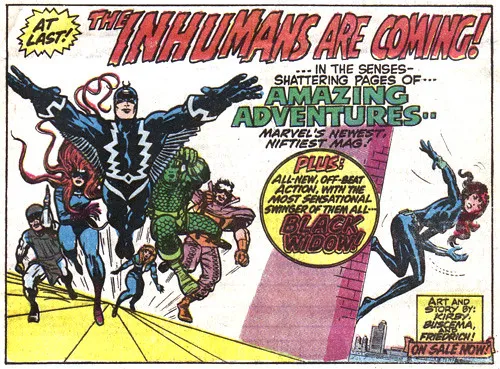
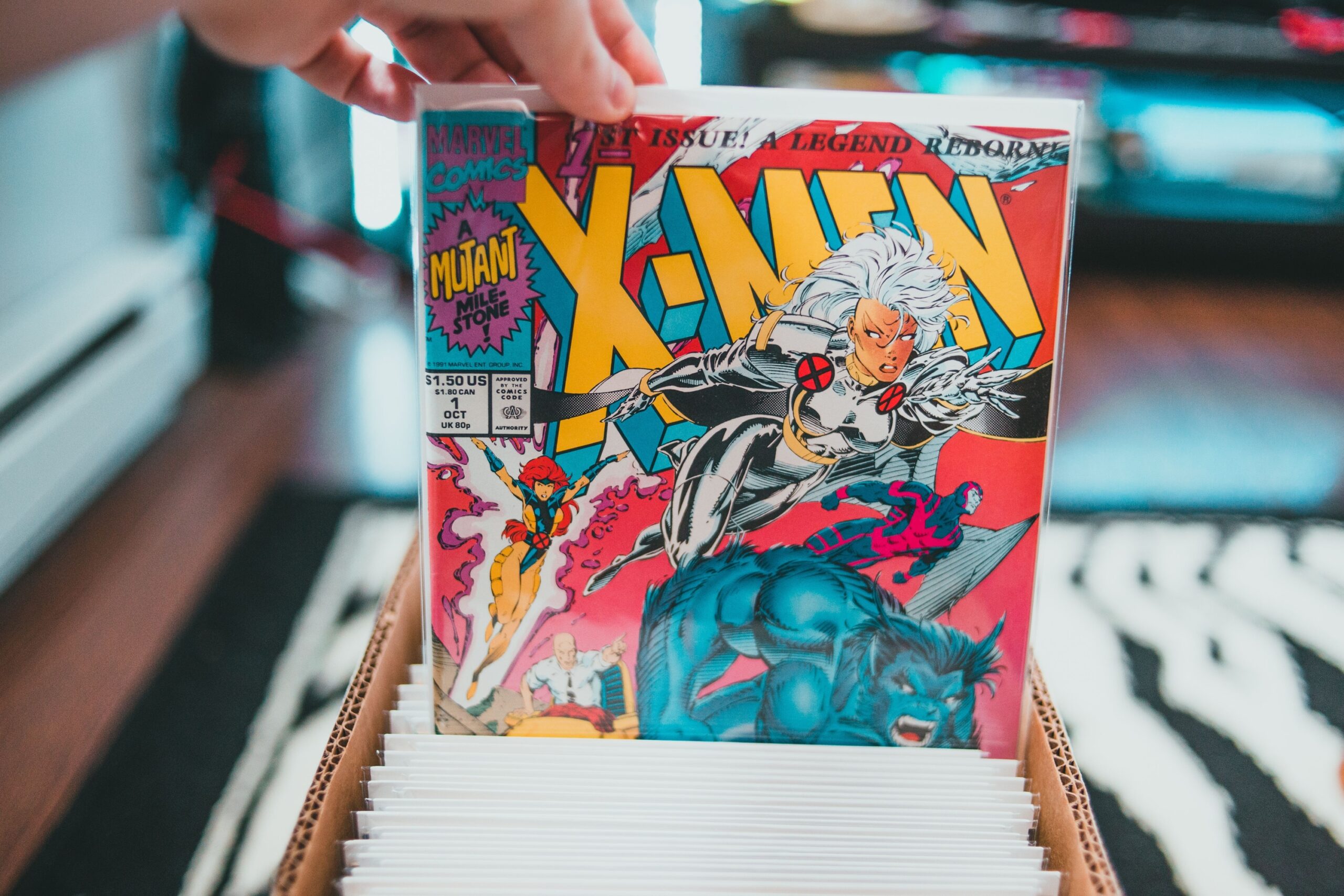
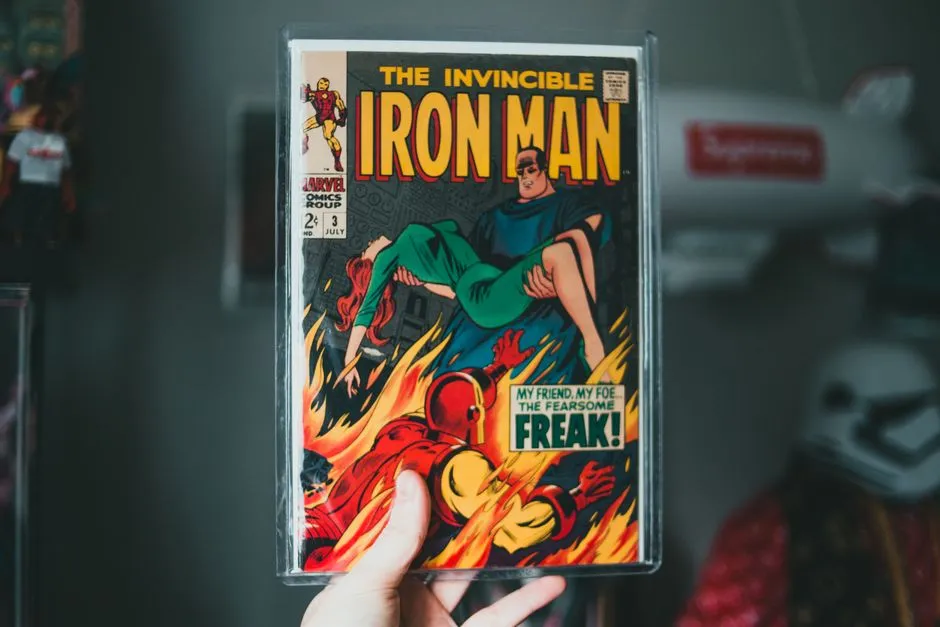
The Silver Age, generally defined by the first appearance of the modern Flash in Showcase #4 in 1956, represents Marvel and DC’s most iconic period. Amazing Fantasy #15, X-Men #1, Fantastic Four #1, Avengers #1, Daredevil #1, and Iron Man #1 make up the collectible comics pantheon.
In CGC 8.0 or above condition, Silver Age key issues maintained or slightly appreciated in 2024 through 2026 despite the general market correction. Their absolute scarcity, with few copies graded CGC 9.0 or above in existence, ensures demand structurally exceeds supply.
At a Heritage Auction on April 6, 2025, totaling over $18.5 million, the Incredible Hulk #1 (1962) sold for $312,000, Detective Comics #1 (1937) for $228,000, Amazing Fantasy #15 for $144,000, and X-Men #1 for $108,000. These aren’t outliers. They’re the going rate.
The Correction That Sorted the Market

During the pandemic boom, comics like Amazing Spider-Man #300 CGC 9.8 doubled or tripled in price, obscure issues containing first appearances of secondary characters were speculated to absurd prices, and CGC submission volume exploded. Then the correction arrived. Between mid-2022 and 2024, the most speculative comics lost 40 to 70% of their peak value.
Trophy books and genuine keys remain strong, while the middle and bottom of the market have softened. After peaking during the 2021 to 2022 boom, the broad market entered a multi-year correction, with GoCollect’s Silver Age index falling roughly 23% from its 2022 high.
In 2025 and 2026, the market entered a stabilization phase. The froth burned off. What remained was a cleaner, more serious collector base focused on authentic quality rather than speculation.
CGC Grading: The System That Created Trust

Since CGC introduced third-party slab grading in 2000, the price gap between a mid-grade and a top-census copy has widened into orders of magnitude – an Amazing Fantasy #15 can run tens of thousands in a 5.5 grade but $3.6 million in a 9.6.
CGC grading brought standardization to previously subjective condition assessment. This legitimacy attracted investment capital. Hedge funds, family offices, and institutional investors now allocate portions of portfolios to graded comics, particularly Golden Age and Silver Age keys.
The slab, that sealed plastic case with the grade printed on the label, transformed comic books from fragile paper into a tradeable, verifiable asset class. It’s a simple innovation with enormous consequences for the market.
What Actually Drives the Value of a Book
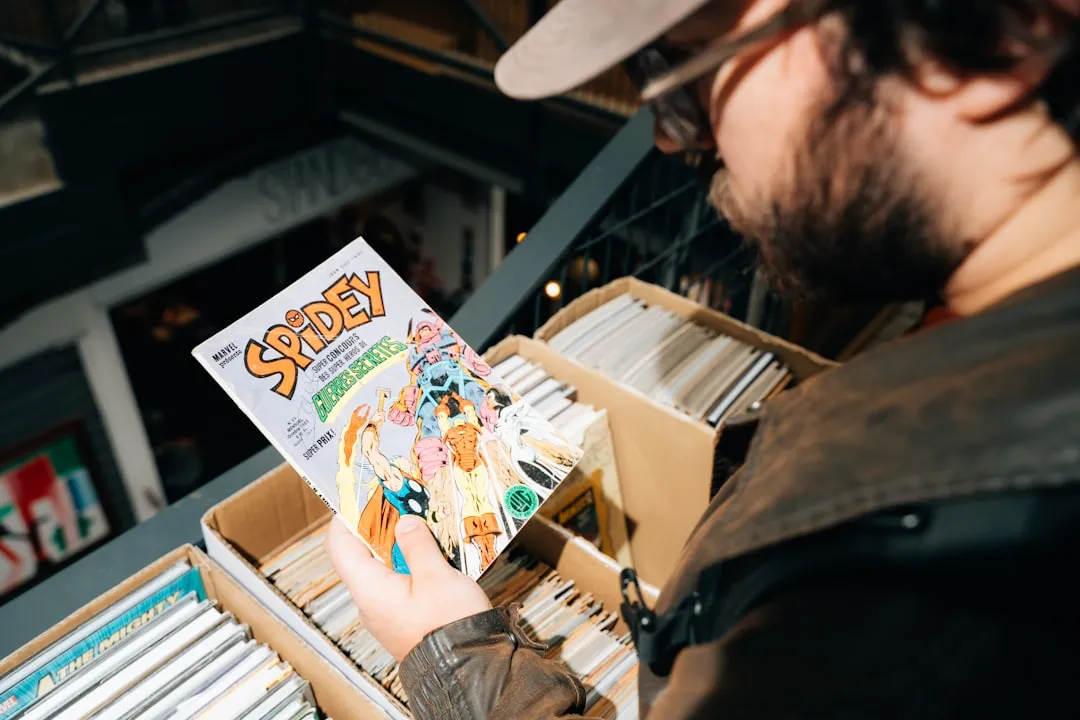
A non-key issue from 1955 in poor condition might be worth $10, while a key issue from 1974 in near-mint condition can be worth $100,000 or more. It’s the combination of age, character significance, rarity, and condition that creates value.
Golden and Silver Age keys keep climbing, with vintage key issues in any grade setting new records year over year. Modern speculation has cooled, but genuine key issues remain strong. Movie tie-ins still drive spikes when a character gets a film announcement.
An issue published three months before the Silver Age cutoff can be worth 30 to 40% more than one published six months after it, all else being equal, simply because the earlier era has fewer high-grade survivors. The era of publication matters enormously, sometimes more than the condition itself.
Vintage Comics as an Alternative Investment

While stock markets are roiled by uncertainties in 2025, including tariffs, inflation, and global events, vintage comic books and related ephemera represent one investment sector that seems to hold its own year after year. Comics now rank alongside coins and sports cards as a mainstream investment category.
Comic books have a proven and enduring appeal. Characters from all kinds of genres continue to be revisited in movies, television, and video games. That cultural recycling creates recurring demand spikes that keep older issues relevant far beyond their original print dates.
Anyone can access decades of a comic book’s accurate sales history. You don’t get that kind of security in niche categories like glassware or toy trains. The data transparency is genuinely unusual for the collectibles world.
The Global Collector Base Is Expanding
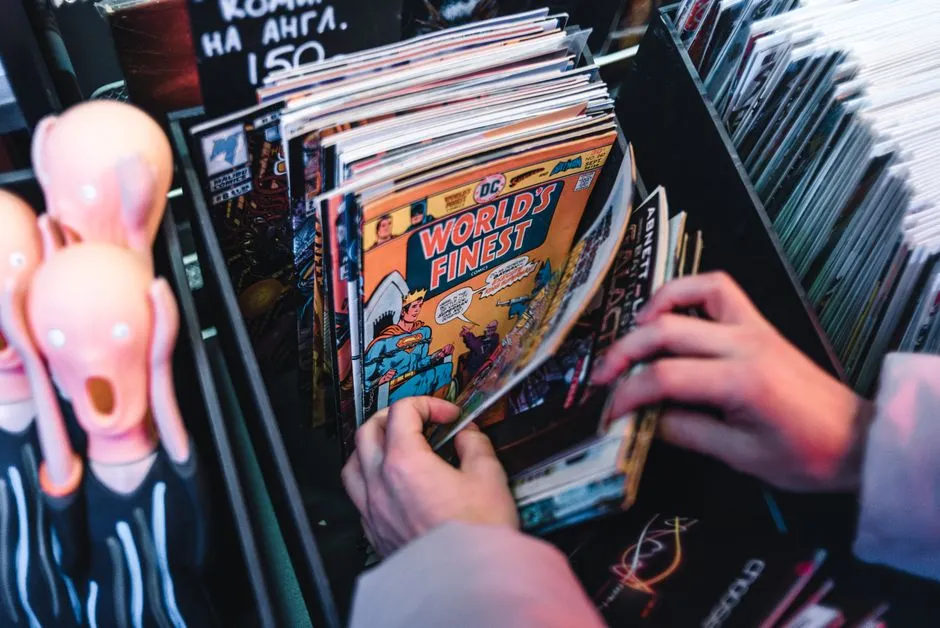
A buyer in Seoul or São Paulo might be bidding against you for that CGC 9.8 grail on Heritage. The collectible segment in 2025 is truly a worldwide arena, and the momentum is still strong, even as collectors exercise a bit more caution than during the free-for-all of 2021.
Foreign-edition comics, like Mexican foils or Japanese variants, are finding new collector bases in the United States. The audience for these books is no longer confined to a few American cities and specialist shops. It spans continents.
Social networks including YouTube, TikTok, and Instagram democratized information on key issues and created a culture of large-scale engagement with the hobby. That visibility has a direct effect on demand and price discovery for books that once sat unnoticed in garage sales.
What Collectors Are Actually Buying in 2026
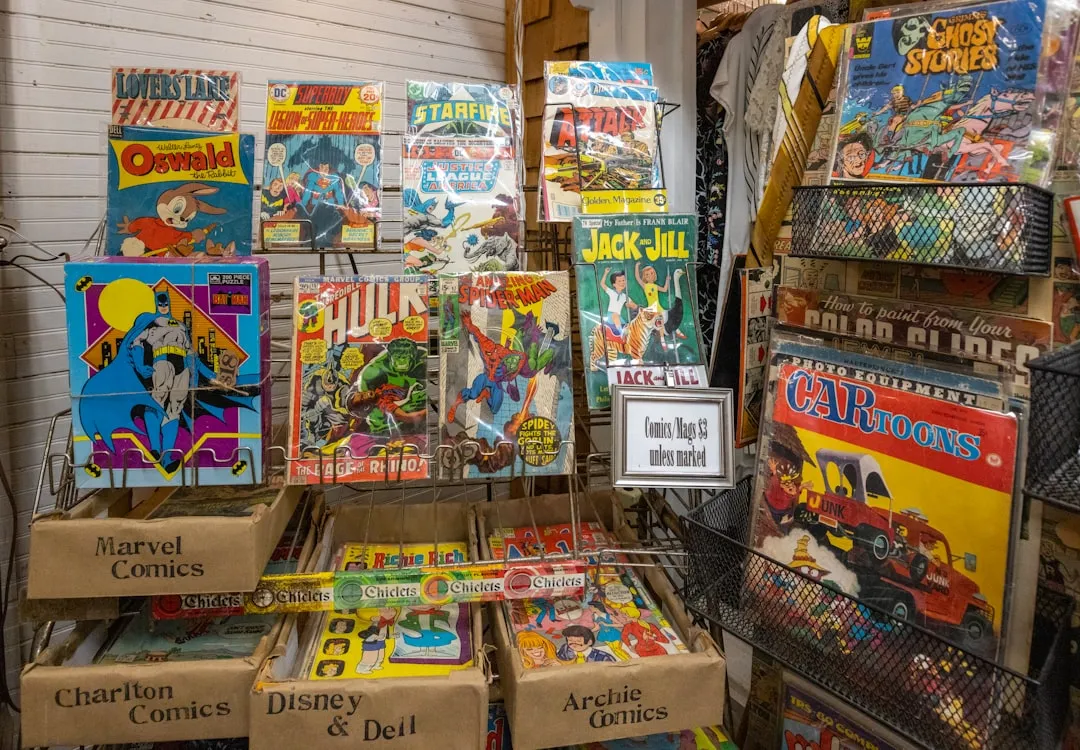
Many collectors are going deeper into niches: Canadian price variants, newsstand editions, Mark Jewelers inserts, and Golden Age horror. These are not casual buyers. They know exactly what they’re looking for and why it matters.
Building a key issue collection around the Bronze Age, roughly 1970 to 1985, is still viable in 2026 when the Silver Age has become out of reach for most budgets. The entry points haven’t all disappeared. They’ve just shifted to a different era.
Eye appeal matters in 2026, and buyers seem less robotic about the number on the label. A poorly wrapped 9.4 may lose to a beautiful 9.2. A fresh-looking 4.0 Golden Age book may beat a technically higher copy with brittle pages or stains. The market has matured past pure grade-chasing into something more nuanced.
The Takeaway
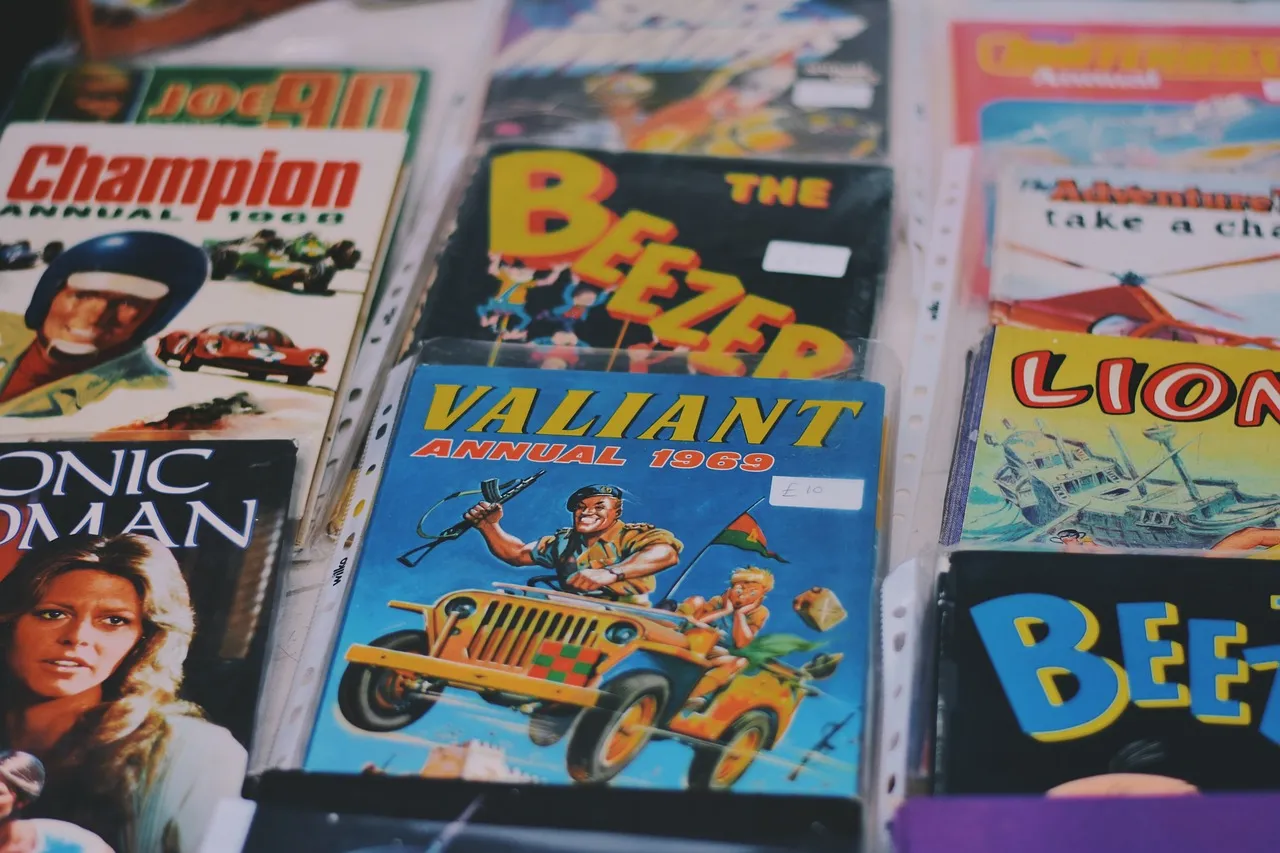
The old comic book market isn’t driven by sentiment alone. The data, the auction results, and the institutional interest all point in a consistent direction: books that combine genuine scarcity, cultural significance, and verifiable condition continue to appreciate in ways that few other paper collectibles can match.
The correction after 2022 did the market a quiet favor. It cleared out the noise and left a more grounded collector base focused on the right questions: is this book rare, is it important, and is the demand for it durable? Those are the same questions serious collectors have always asked.
The funny thing about comic books is that they were never supposed to last. Printed on newsprint, sold for a dime, read and discarded. The ones that survived are now worth exactly what survival and irreplaceability tend to command.
AI Disclaimer: This article was created with the assistance of AI tools and reviewed by a human editor.