
There’s a small metal rod sitting inside your water heater right now, slowly sacrificing itself so your tank doesn’t rust from the inside out. Most homeowners have no idea it’s there. They’ll notice a leaking tank, call a plumber, and pay for a full replacement – never knowing a simple, inexpensive part could have prevented the whole thing.
The anode rod is one of those components that does its job in total silence, which is probably why it’s so easy to ignore. Understanding what it does, when it fails, and what happens when you forget about it is one of the most practical things a homeowner can learn.
What the Anode Rod Actually Does
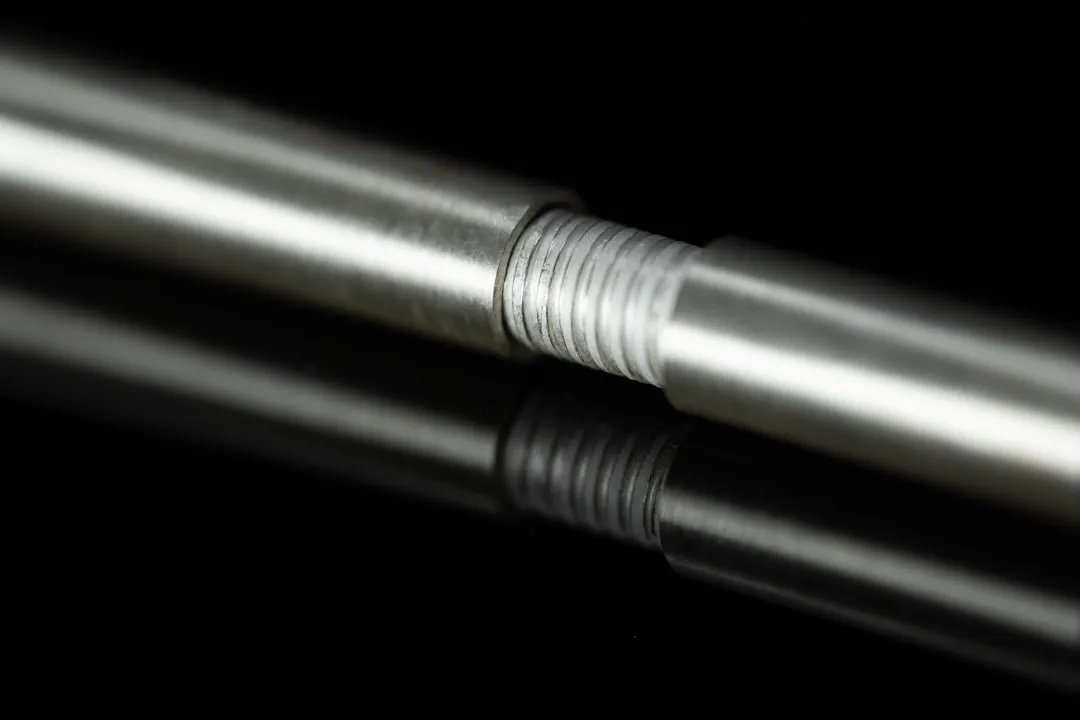
A water heater anode rod is a sacrificial metal rod that protects your water heater tank from corrosion by attracting corrosive elements and minerals in the water, corroding itself instead of the steel tank. It sounds almost too simple, but the physics behind it are well established.
When a magnesium or aluminum anode rod is placed in a steel water heater tank, it leverages a scientific principle called galvanic corrosion. The anode rod willingly corrodes first, sparing the tank from rust. Think of it as a bodyguard that absorbs all the punishment so the tank never has to.
That is why an anode rod in a water heater is sometimes called a sacrificial anode. The name tells you exactly what it does – and also why it eventually needs to be replaced.
Why It Gets Overlooked So Often
Most homeowners have never heard of the anode rod, but it is the part that keeps your water heater from corroding from the inside out. It sits inside the tank, out of sight, and produces no sounds or signals when it starts wearing down.
The longevity of your water heater depends on a critical component that often goes unnoticed: the anode rod. This metal rod plays a vital role in preventing rust and corrosion inside your water heater tank. While it works silently in the background, it has a limited lifespan and requires regular attention.
Unlike a failing filter or a noisy belt, a depleted anode rod gives almost no warning. Most people simply forget it exists until something more dramatic goes wrong.
How Long an Anode Rod Actually Lasts
On average, a standard anode rod lasts between three to five years. That sounds reasonable until you realize most homeowners don’t know they need to check it at all, let alone on a regular schedule.
An anode rod typically lasts anywhere from three to five years, depending on your water quality and usage. However, in homes with particularly hard water or where a water softener is in use, the lifespan of the rod can be significantly reduced. Some rods wear out far faster than anyone would expect.
The frequency with which you should replace your water heater anode rod can range, in the most extreme circumstances, anywhere from six months to six years depending on the composition of your water. That’s a massive range, which is exactly why inspecting it regularly matters so much.
What Happens When You Ignore It
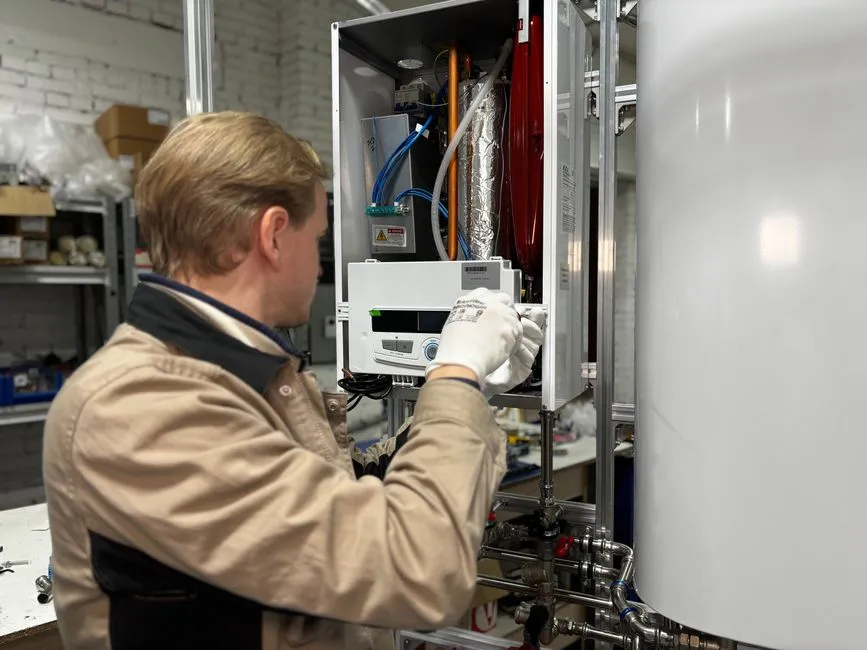
Over time, the anode rod becomes depleted and less effective at preventing corrosion. If the anode rod is not regularly inspected and replaced, the tank’s interior can rust prematurely, leading to leaks and potential water damage.
Failing to replace the anode rod can lead to your heater tank corroding much faster than expected. Without the protection of a functioning anode rod, your water heater is more likely to develop leaks, possibly requiring a full replacement much sooner than expected.
With proper maintenance, a quality water heater typically lasts about 15 to 20 years, but if the water heater anode rod is not regularly inspected and replaced, the tank might rust out before it reaches 10 years of service. That’s potentially a decade of service life lost over a part that costs a fraction of a new unit.
The Three Main Types of Anode Rods

Most water heater anode rods consist of aluminum, magnesium, or a zinc-aluminum alloy. Each material behaves differently depending on your water chemistry, so choosing the right one isn’t a purely random decision.
Magnesium rods are best for soft water and general use, with a lifespan typically in the three-to-five-year range. They provide excellent protection and are highly reactive, making them a solid choice for soft water where other rods may be less effective.
Aluminum rods are better suited for hard water and general use, tending to last longer than magnesium rods and often being more cost-effective. Zinc rods can help reduce sulfur odors in your water supply. Matching the rod to your water type makes a real difference in how long it lasts.
Signs That Your Anode Rod Is Failing
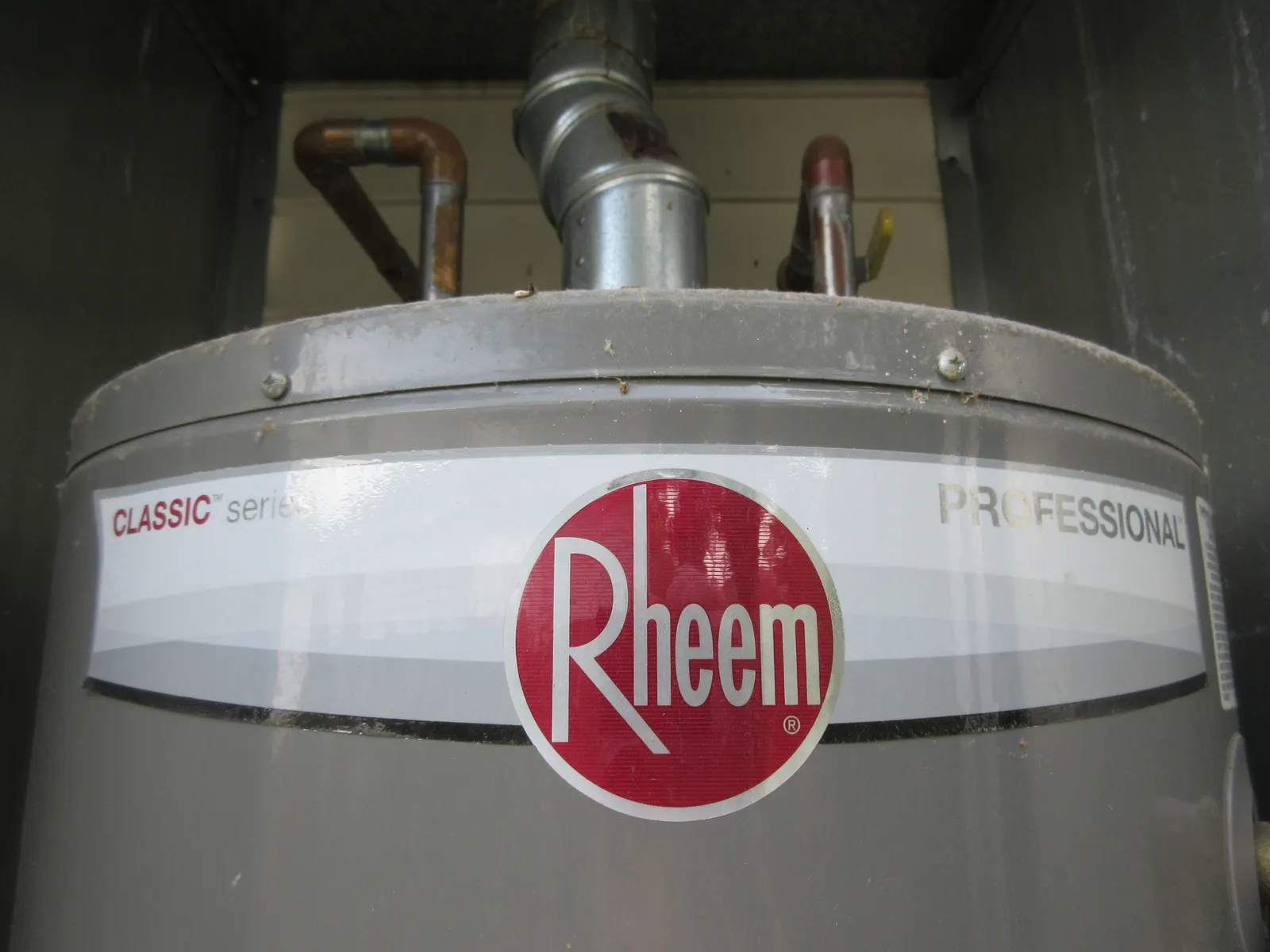
Luckily, your water heater usually gives you a heads-up before the anode rod is completely worn out. You might notice rusty or discolored water, a strange metallic smell, or even unusual noises from the tank.
Signs of deterioration include significant corrosion, thinning of the rod to less than half an inch in diameter, or large sections eaten away. If the rod is heavily corroded, it needs replacement. A quick visual inspection is often all it takes to make that call.
Unusual noises from the water heater could also indicate a corroding tank due to a depleted anode rod. Sediment buildup caused by a corroding tank can cause rumbling sounds as the water heater operates. If your unit has started making noise it never made before, the anode rod is worth checking first.
How Often You Should Actually Check It
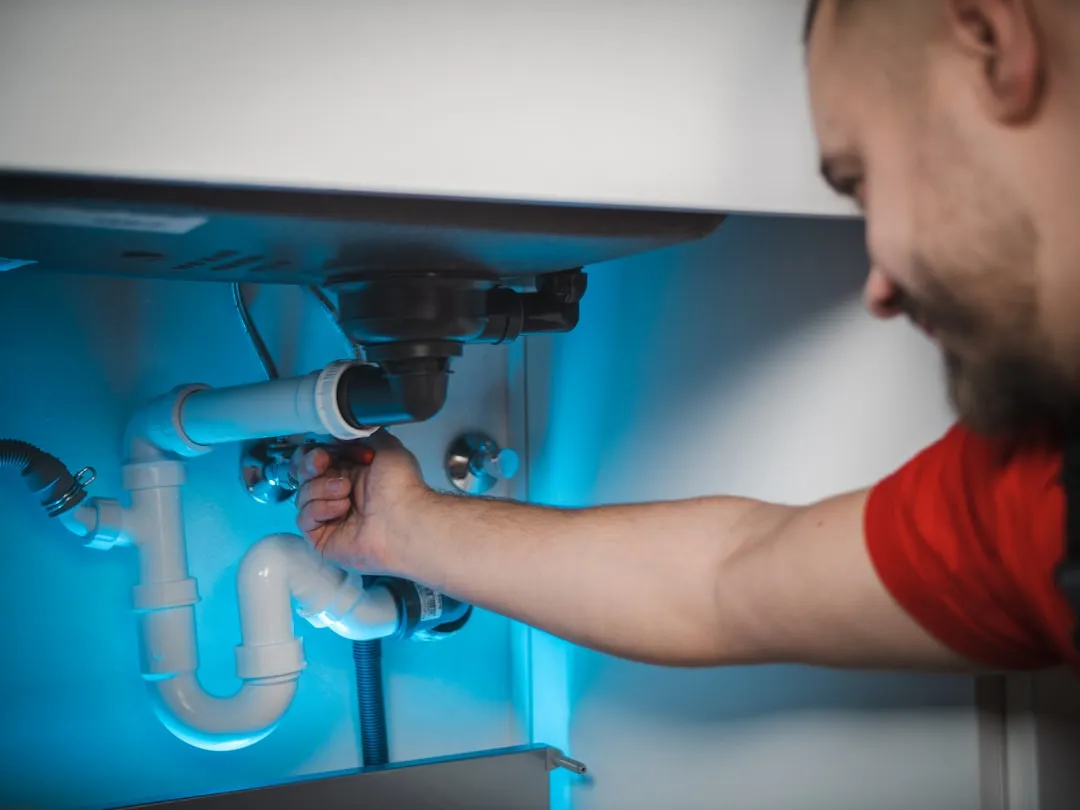
Plumbing professionals recommend inspecting the anode rod every one to two years, and replacing it every three to five years. That schedule shifts depending on your local water conditions.
Handy homeowners might want to carefully remove their water heater anode yearly or every other year to monitor its appearance to help gauge when to replace it. It’s not a complicated process, and the visual difference between a healthy rod and a depleted one is usually obvious.
The best way to make sure your anode rod is in good shape is to have a plumber maintain your water heater every year. Your plumber can check and replace the anode rod, drain sediment from your hot water heater, and make sure your unit is operating properly.
The Cost of Replacement Versus the Cost of Neglect
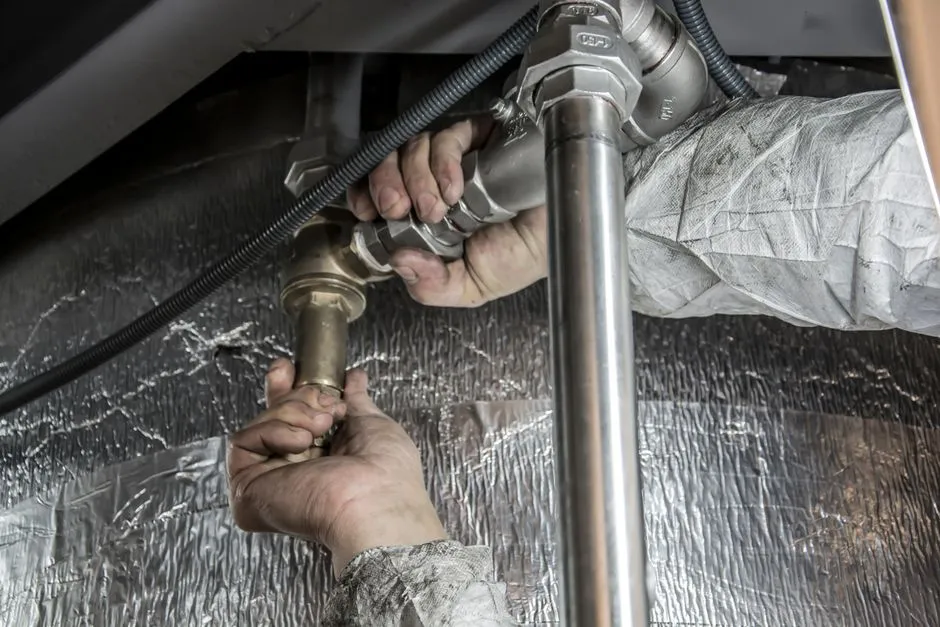
In most cases, owners will need an anode rod replacement only about once every three to five years. Those who hire a plumber to replace an anode rod can expect to pay about $200 to $300. Set against the cost of a full water heater replacement, that figure looks very small.
Without a functioning anode rod, your tank degrades faster, your hot water quality drops, and you could be looking at a premature water heater replacement. Knowing when to replace this one small component can add years to your system and save you hundreds of dollars.
If you replace your water heater’s anode rod when necessary, your water heater could last up to 30 years. That’s a compelling argument for a component most people have never thought about.
Powered Anode Rods: A More Modern Option
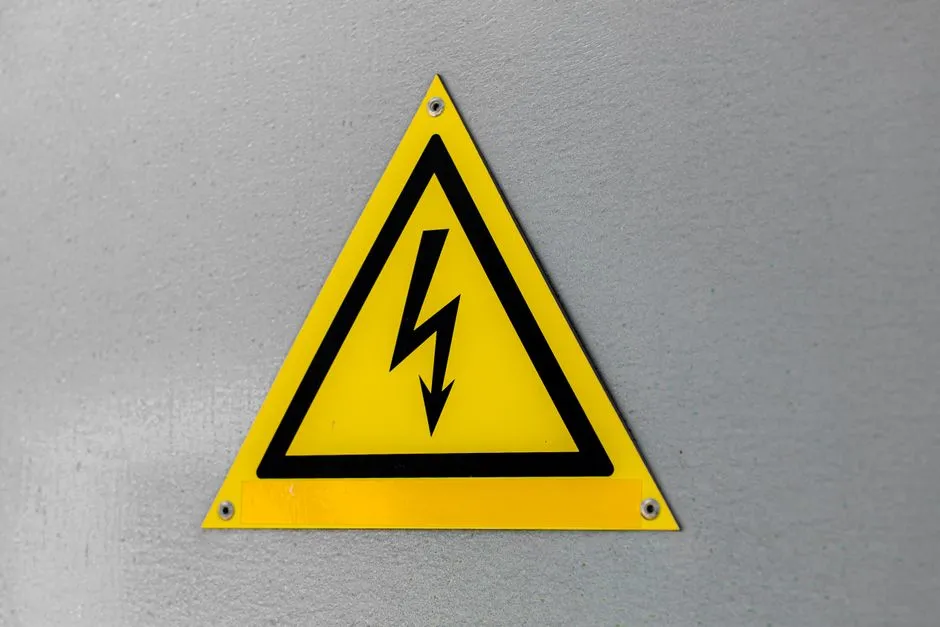
A powered anode rod protects your water heater tank using a small, continuous electrical current instead of a metal rod that corrodes away. It plugs into a standard outlet and runs for as long as your water heater does. No material is consumed in the process, which changes the maintenance picture entirely.
Powered anode rods provide continuous Impressed Current Cathodic Protection without depleting, eliminate the rotten egg smell caused by sulfate-reducing bacteria, and remove the three-to-five-year replacement cycle permanently. For homeowners frustrated by recurring maintenance, that’s a meaningful upgrade.
The practical difference comes down to maintenance. Sacrificial rods are a recurring cost and a recurring chore. Powered rods are set-and-forget for years. They cost more upfront, but the long-term calculation often works out in their favor.
Hard Water and Water Softeners: A Hidden Complication

If you have a water softener or particularly hard water, your anode will deteriorate more quickly. This catches a lot of homeowners off guard, especially those who installed a water softener specifically to protect their plumbing.
A standard magnesium rod lasts three to five years in average municipal water. In soft water or high-temperature settings, that window shrinks to 18 months or less. Softened water is more chemically aggressive toward sacrificial metals, which accelerates the rod’s consumption considerably.
Factors like water chemistry, the type of anode rod installed, and overall water usage all influence how long an anode rod lasts. If you have a softener, it’s worth shortening your inspection interval and discussing the powered rod option with a plumber.
The Takeaway
The anode rod is about as unglamorous as home maintenance gets. It doesn’t come up in conversations, it doesn’t show up in home inspection checklists often enough, and it certainly doesn’t announce when it’s failing. Yet it’s arguably one of the most important parts in your entire plumbing system.
The sacrificial process can extend your water heater’s lifespan from the typical 8 to 12 years to potentially 15 or more years when properly maintained. That difference, measured in years of reliable hot water and thousands of dollars in avoided replacement costs, is entirely within reach for most homeowners.
Check your anode rod. If you can’t remember the last time it was inspected, that’s probably answer enough.
AI Disclaimer: This article was created with the assistance of AI tools and reviewed by a human editor.