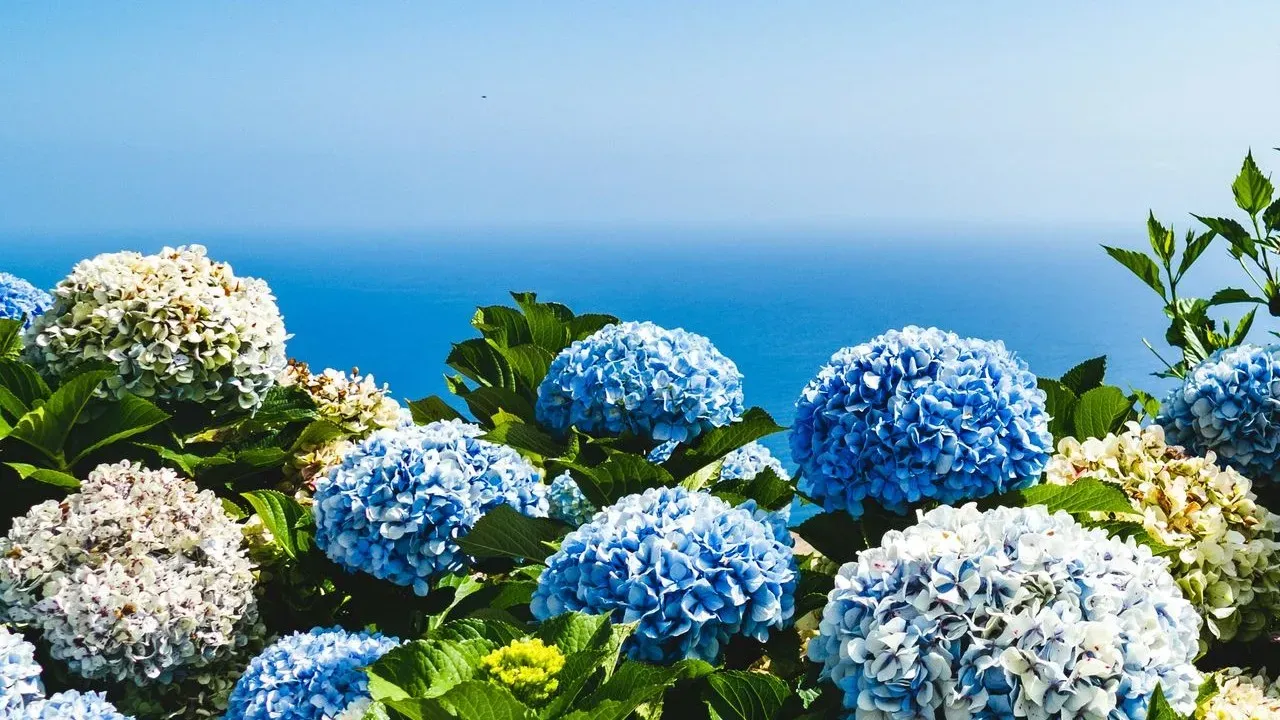

Many gardeners assume all hydrangeas require the same annual trim, yet the timing and technique vary sharply by type. This single error often leads to sparse blooms or none at all the following season. Understanding the differences prevents disappointment and keeps plants healthy year after year.
Pruning Rules by Hydrangea Type
Bigleaf and lacecap hydrangeas form flower buds on old wood, so heavy winter or early spring cuts remove next year’s blooms. These varieties need only light shaping after flowering or removal of dead stems in late winter. Panicle and smooth hydrangeas, by contrast, bloom on new growth. They tolerate or even benefit from harder pruning in late winter or early spring. Oakleaf types fall somewhere in between and usually require minimal intervention beyond removing damaged branches.
Soil, Water, and Color Management
Flower color in certain hydrangeas shifts with soil pH, yet many growers chase blue blooms without testing first. Acidic conditions favor blue tones on bigleaf varieties, while neutral or alkaline soil produces pink. Consistent moisture matters more than frequent deep watering, and established plants often need less supplemental irrigation than expected. Siting also plays a larger role than many realize. Morning sun with afternoon shade protects blooms from scorch while still supporting strong stems. Poor placement leads to weak growth and fewer flowers regardless of pruning skill.
Extending Interest Into Fall
Some cultivars deliver striking foliage color alongside late blooms, adding value beyond summer. Selecting varieties known for reliable fall display reduces the need for extra plants in the border. Maintenance stays straightforward once the right cultivar is in place. Regular removal of spent flowers and a light layer of mulch help retain soil moisture and suppress weeds without extra effort.
AI Disclaimer: This article was created with the assistance of AI tools and reviewed by a human editor.