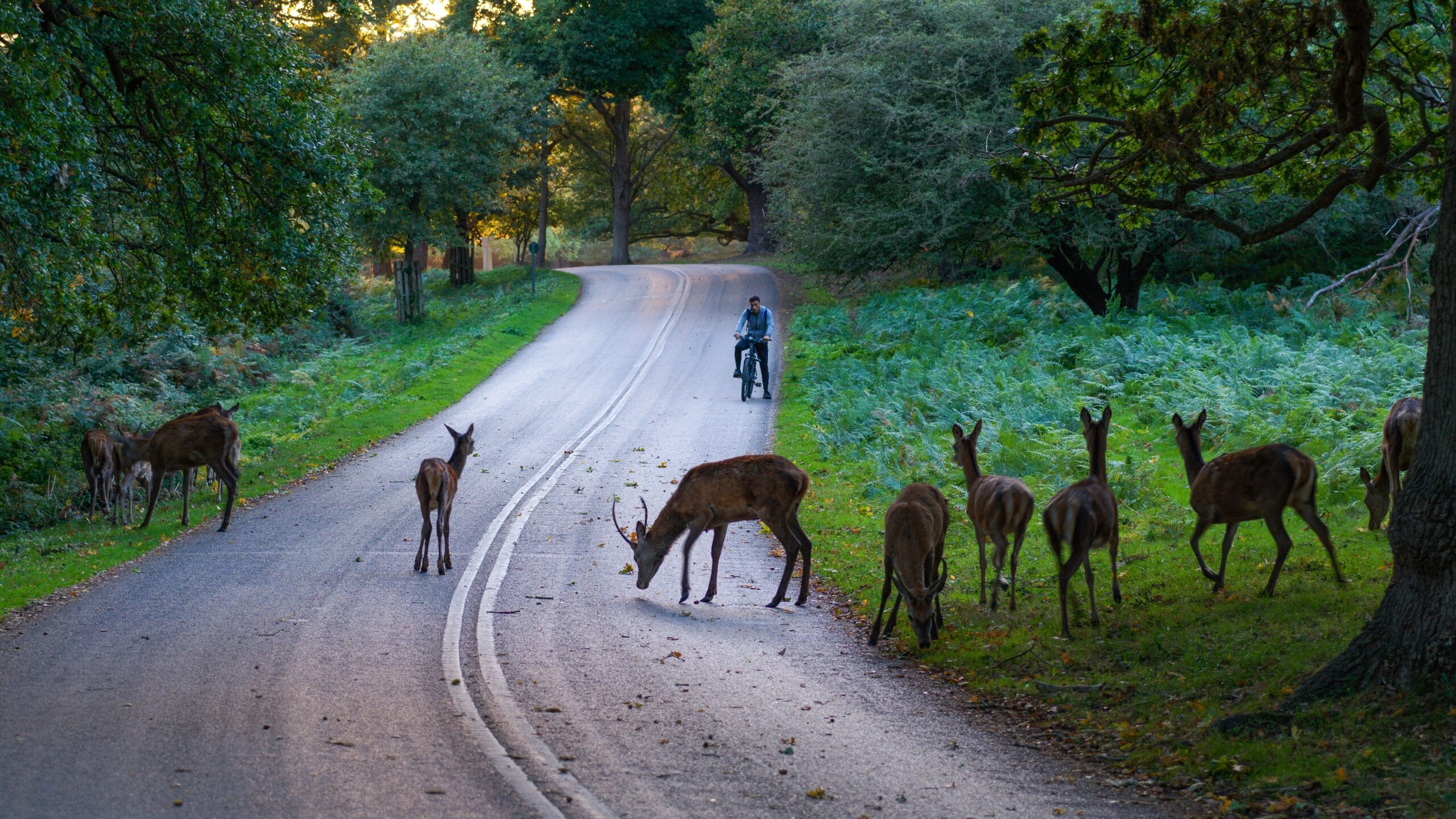

Most drivers have experienced it at least once: a pair of glowing eyes appear at the roadside, and then nothing. The animal just stands there. It doesn’t bolt. It doesn’t react in any obvious way. For a creature built around speed and survival, this stillness seems almost baffling.
The truth is far more rooted in biology than it might appear. Understanding why deer freeze rather than flee requires a close look at how their eyes are built, how their instincts are wired, and how a piece of road infrastructure that has existed for barely a century has outpaced millions of years of evolution.
Eyes Built for Dusk, Not for Headlights
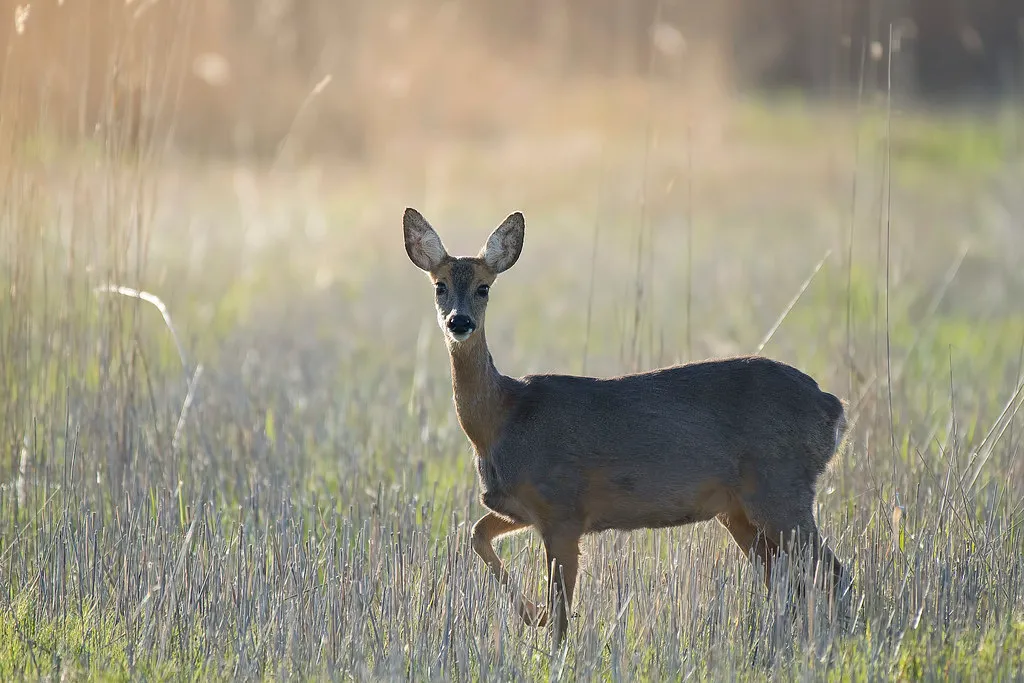
Deer are crepuscular animals, meaning their eyes are naturally adapted for the low-light conditions of dusk and dawn, with pupils that fully dilate to capture all available light. This gives them an extraordinary advantage in the half-dark world they inhabit.
Unlike human pupils, which are round and don’t span much of the eye when dilated, deer pupils are elliptical and can dilate to cover the entire width of the orb. This design lets in a remarkable amount of light. It works beautifully in dim forests and open meadows at twilight. On a road at night, it becomes a liability.
The Tapetum Lucidum: A Mirror That Backfires
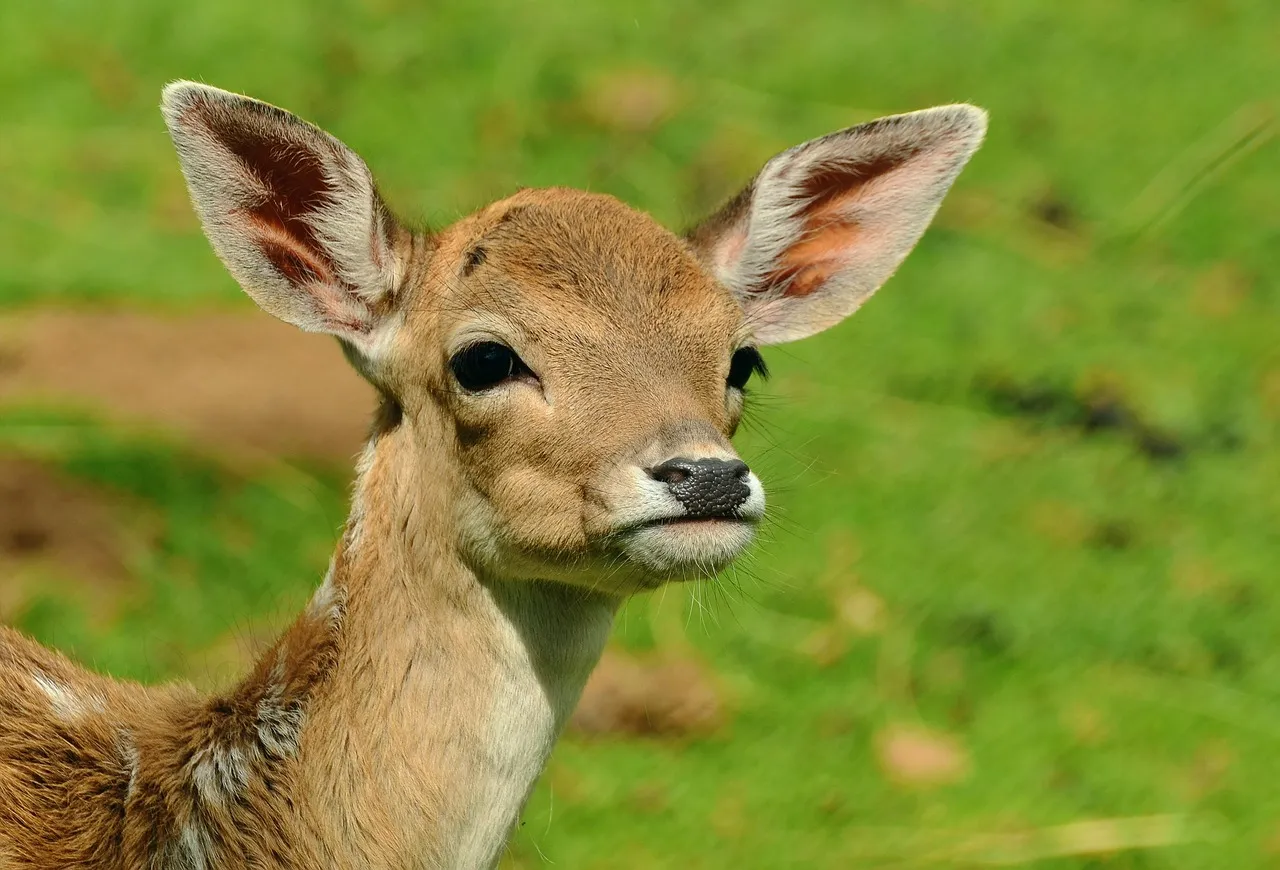
A key feature enhancing deer’s night vision is the tapetum lucidum, a reflective layer behind the retina that reflects light back across photoreceptor cells, effectively giving the deer’s eye a second chance to detect photons. This is also what causes that eerie orange glow you sometimes see at the roadside before you even spot the animal.
The tapetum lucidum is a layer of tissue located behind the retina that acts like a mirror. When light enters the eye, it passes through the retina, hits this reflective layer, and is bounced back through the retina for a second time, dramatically amplifying the animal’s ability to see in near darkness.
However, this incredible adaptation has a critical weakness. When an animal’s eyes, fully dilated to capture every photon of available light, are suddenly blasted with the intense, focused beam of a car’s headlights, the system is completely overwhelmed.
Temporary Blindness: The Real Reason for the Freeze
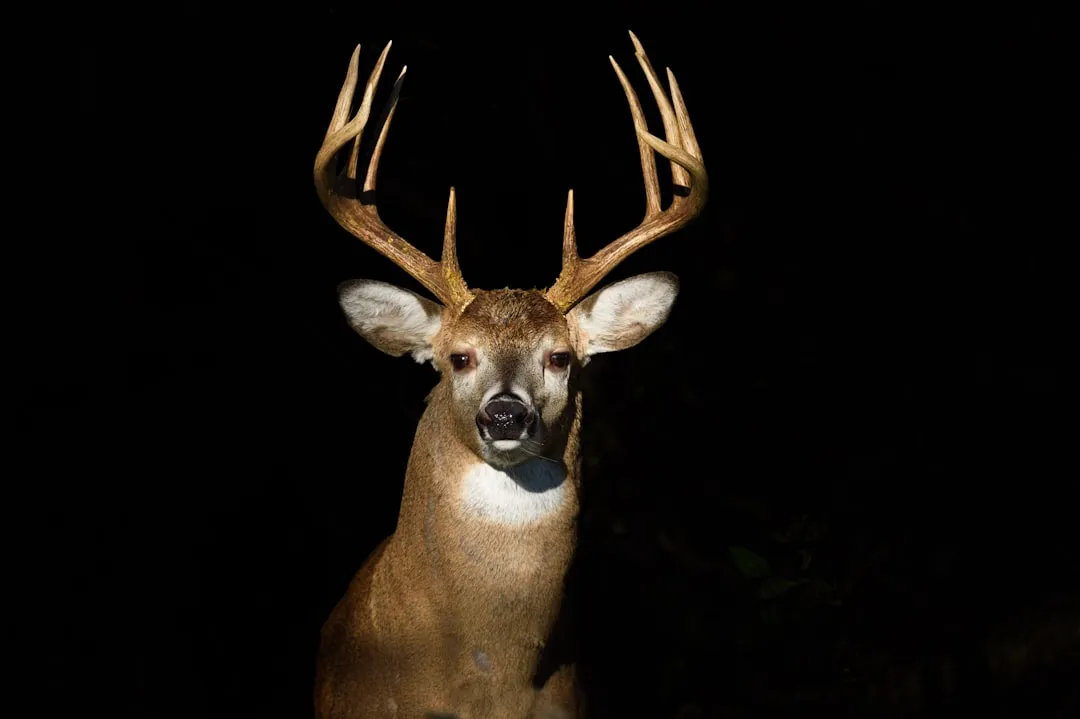
Deer are crepuscular animals with eyes packed with rod photoreceptors, so their pupils dilate fully at night to gather as much light as possible. When a car’s headlights suddenly hit them, those wide-open pupils are overwhelmed and the deer is temporarily blinded. The “freezing” is not bravery or stupidity; the deer simply stands still and waits for its eyes to adjust to the glare, which takes several seconds and often costs it its life.
Think of it like stepping from a dark movie theater directly into bright afternoon sunlight. That momentary, disorienting blindness is what a deer experiences every time headlights wash over it, except the recovery time is measured against an oncoming vehicle, not idle discomfort.
An Instinct That Served Them Well, Until Now
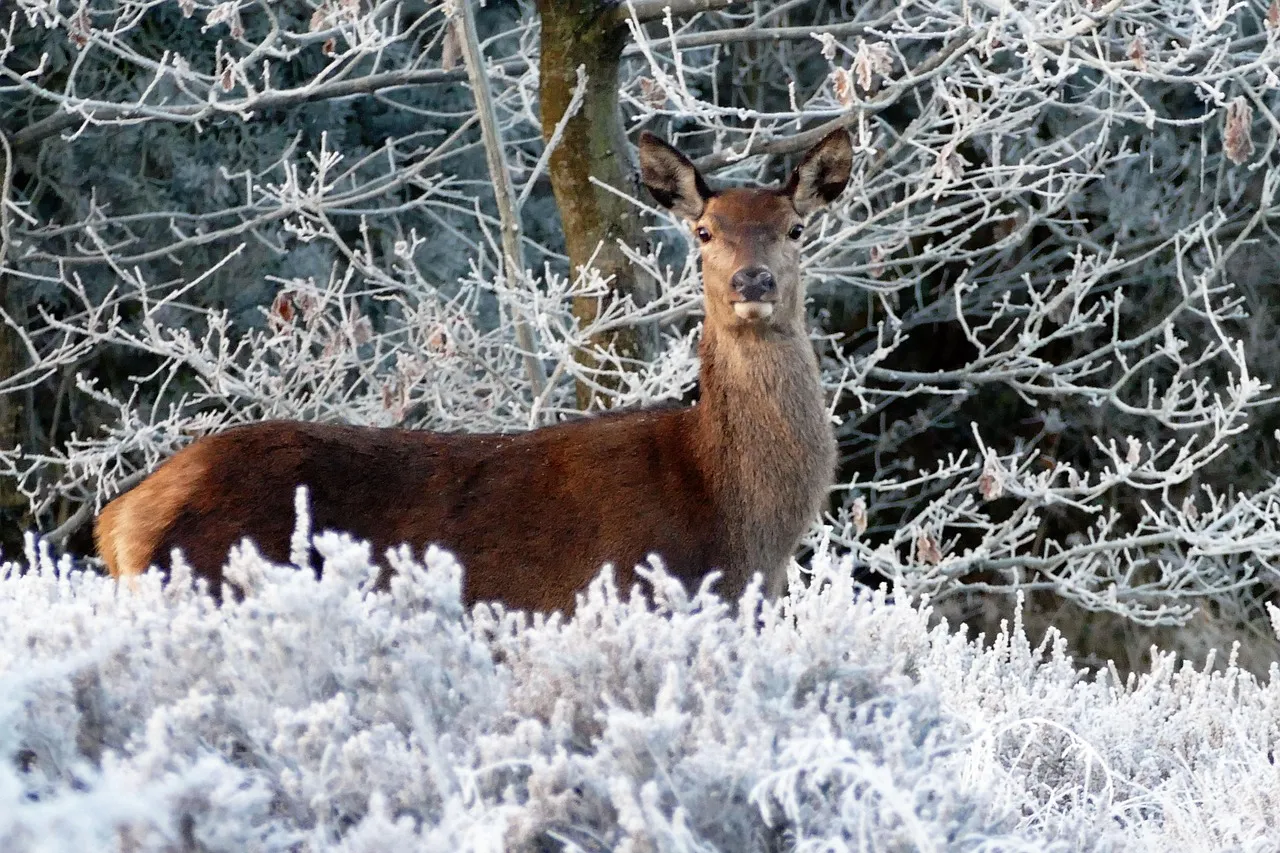
In the wild, staying still serves as a survival tactic, as it helps deer avoid being detected by carnivores. When confronted with an unfamiliar and overwhelming stimulus like headlights, their instinct may be to freeze in place, hoping the threat will pass without noticing them.
Deer don’t only run; they also freeze when unsure. Freezing is a basic survival move: stay still, blend in, and listen. In a forest, that often works. On a road, it doesn’t. The freeze response evolved over millennia to defeat predators who hunt by movement. A wolf or a mountain lion loses its target when the target stops moving. A car does not.
The “Fight, Flight, or Freeze” Response
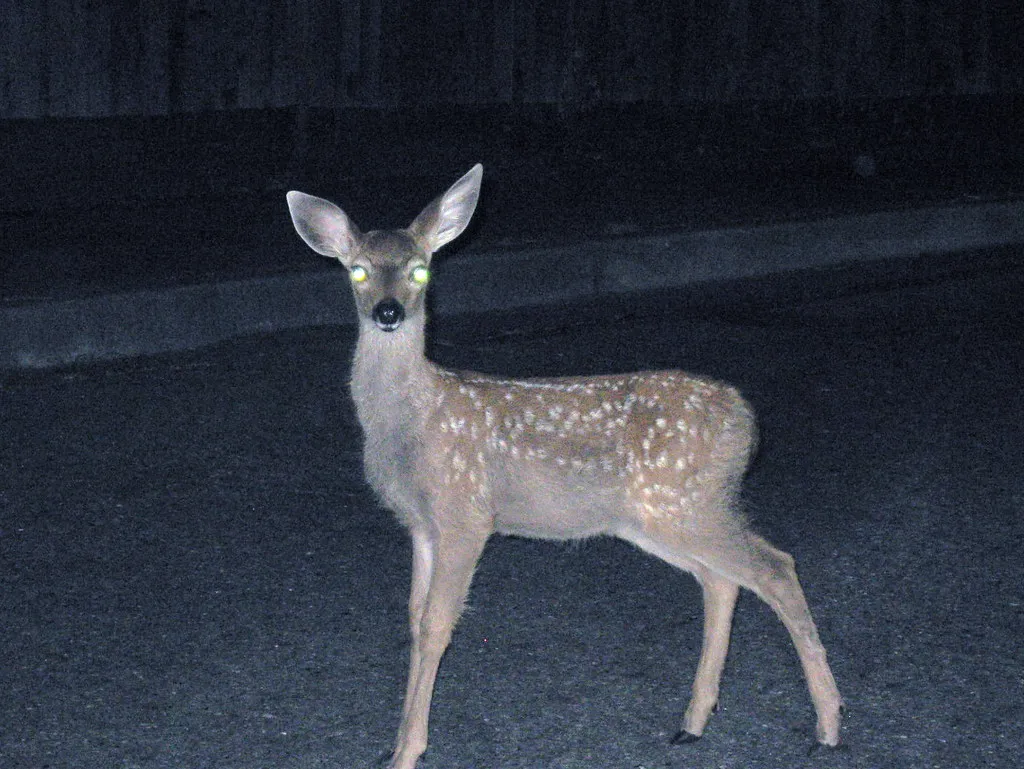
The “freeze” response is a primal survival mechanism known as “fight, flight, or freeze.” This instinct is triggered when an animal perceives a sudden threat. For deer, bright, unexpected headlights act as a powerful startling stimulus. Upon being startled, a deer experiences an immediate surge of adrenaline, and instead of fleeing, the initial reaction can be to freeze. This immobility serves as a strategy to avoid detection by predators who rely on movement to spot their prey.
The brain, in other words, is running a very old program. The animal registers danger, adrenaline surges, and the freeze reflex kicks in before any higher assessment of the threat is even possible. By the time the deer processes that the “predator” is not going to stop, it may already be too late.
What Their Eyes Can and Cannot See
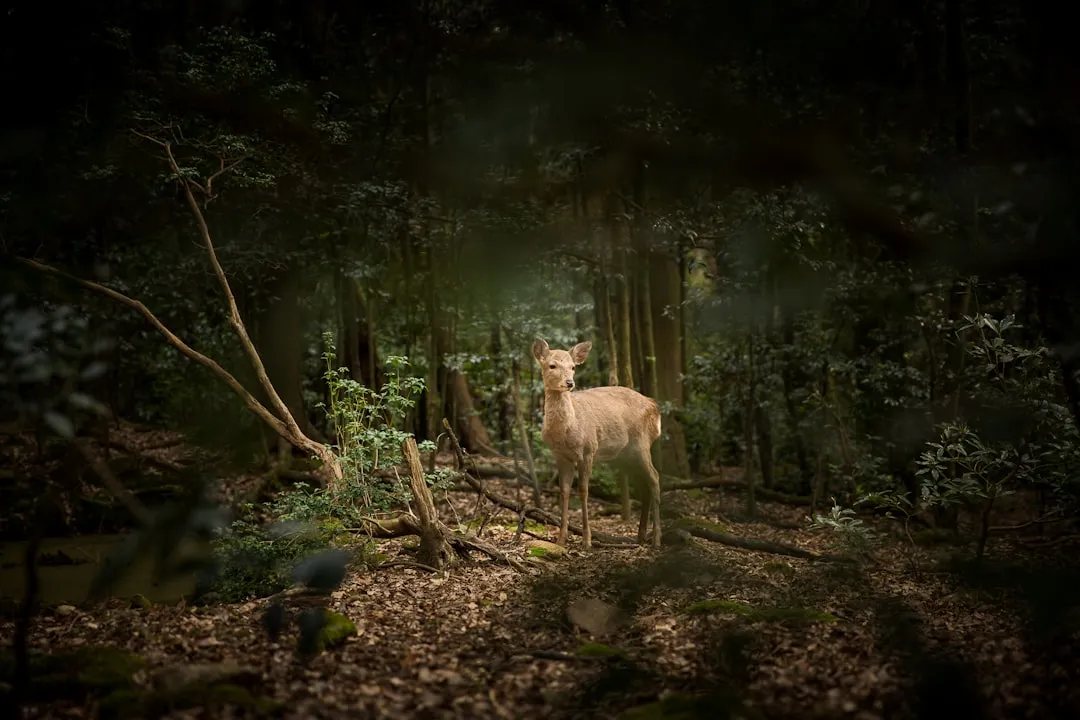
Deer eyes contain a higher concentration of rod cells, making them highly sensitive to light and adept at detecting movement in dim environments. Rods excel in low-light vision but provide less detail and color perception than cones. This means deer are excellent at noticing movement in the dark but have trouble processing fine details, like determining the shape or speed of an approaching car.
Deer freeze mostly during complete darkness when there is little ambient light to illuminate either surrounding countryside or the approaching vehicle, so that when staring into the bright headlights on full beam the animal is unlikely to be able to make out any object aside from the light source itself. From the deer’s perspective, there is essentially nothing to run from, at least not anything it can see clearly enough to flee.
Individual Temperament Plays a Role Too
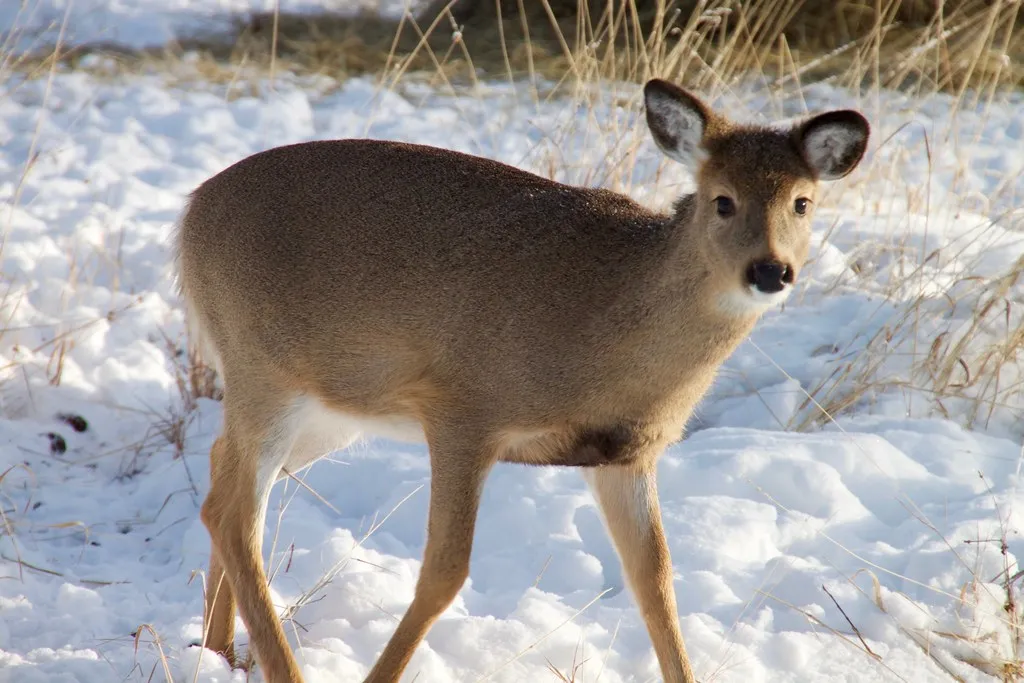
A recent study of captive white-tailed deer found that an individual deer’s temperament, not the kind of headlight facing it, decides whether it freezes or flees. This is a nuanced but important finding. It suggests the freeze response is not entirely predictable, and that behavioral variation within the species matters.
Some deer are simply bolder than others, more prone to bolting at the first sign of disturbance. Others are more cautious by nature and tend toward stillness when uncertain. This individual variation means that no two roadside encounters are quite the same, which makes prediction difficult for drivers.
Light Pollution Is Changing Deer Vision
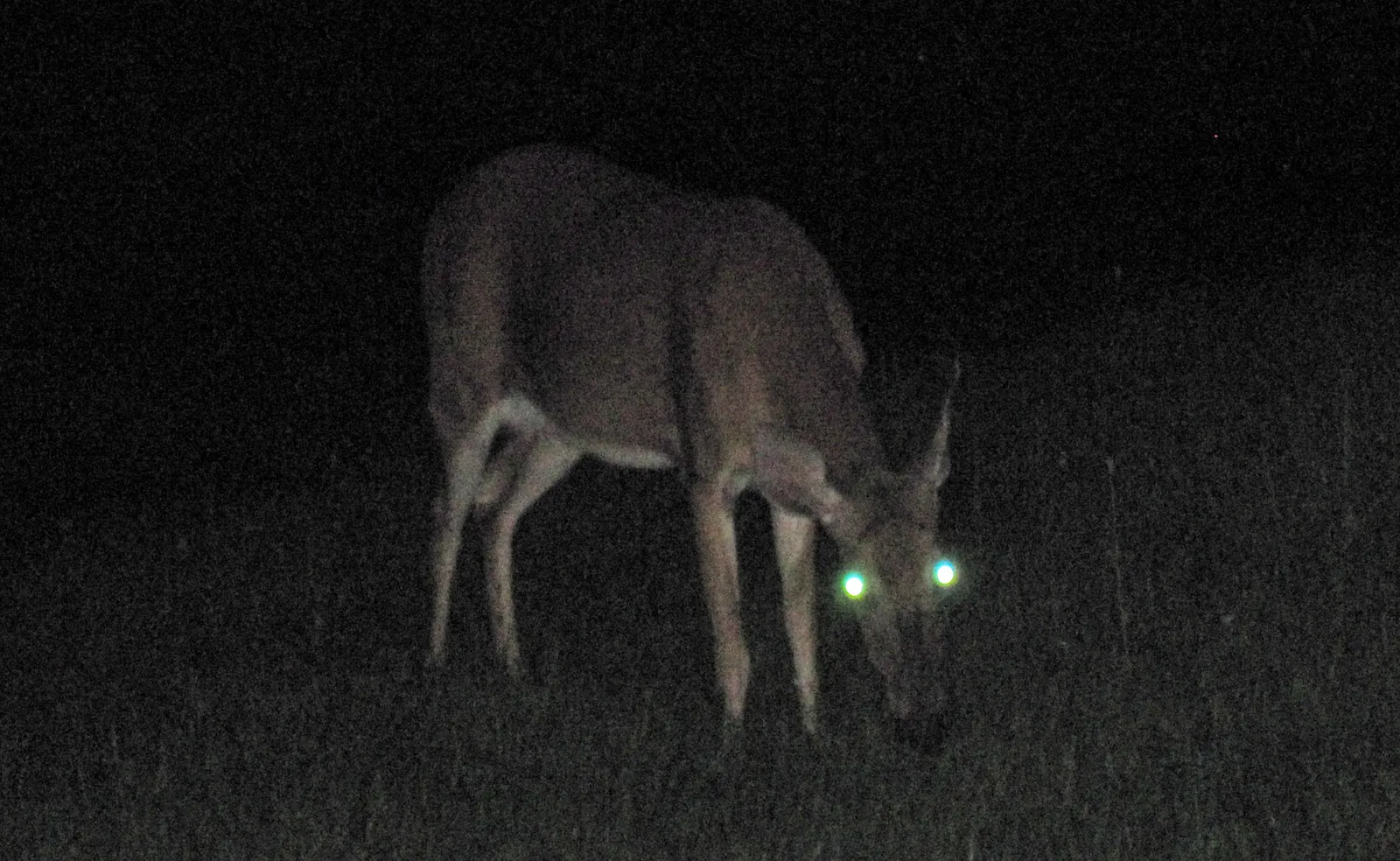
Light pollution might influence white-tailed deer tapeta reflectance because pupil dilation decreases with increasing brightness, so deer at sites with greater light pollution experience less pupil dilation at night. This is a relatively new area of research with meaningful implications for deer living near suburban and urban edges.
The impacts of light pollution on ungulate visual ecology are not well-studied, however, in other species, light pollution can interfere with orientation abilities, disrupt circadian rhythms, and alter species occurrence patterns. As towns and roads push further into deer habitat, the relationship between artificial light and deer behavior may become increasingly important to understand.
The Scale of the Problem on U.S. Roads
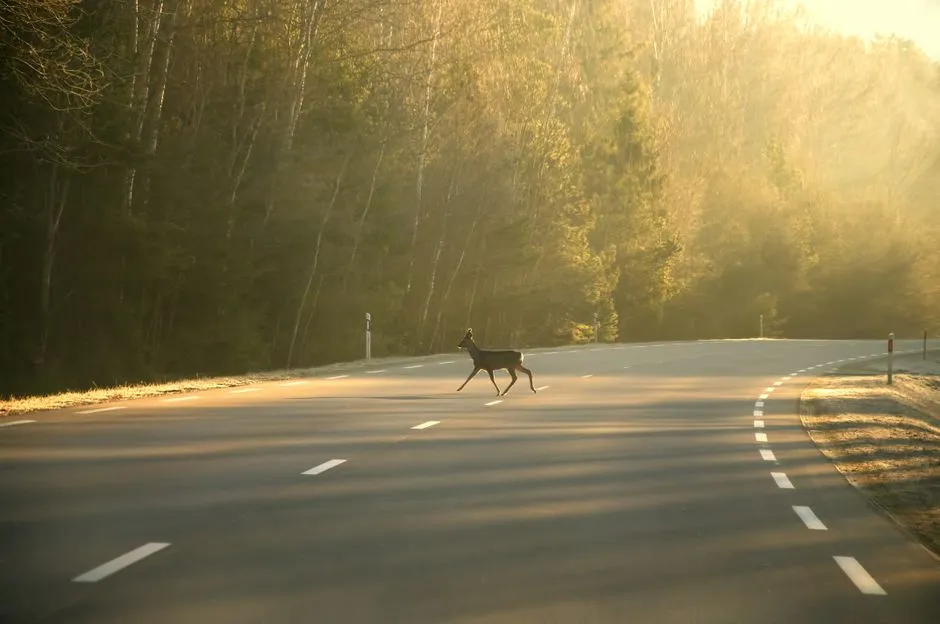
Insurance companies processed 1.7 million animal collision claims between July 2024 and June 2025, down slightly from 1.8 million the previous year, according to State Farm and Insurance Institute for Highway Safety data. Deer-related incidents accounted for more than 1.1 million of these claims.
Researchers estimate actual deer-vehicle collisions total around 2.1 million a year, with total damage costs exceeding $10 billion. While deer-vehicle collisions can happen any time of year, October to December is the peak, and most collisions occur from dusk to dawn on high-speed rural roads.
West Virginia continues to be the riskiest state for animal collisions and has held the top spot for more than a decade. In 2024 alone, more than 58,000 vehicle-deer crashes occurred across Michigan, and about 80 percent of those crashes were on two-lane roads.
What Drivers Can Actually Do
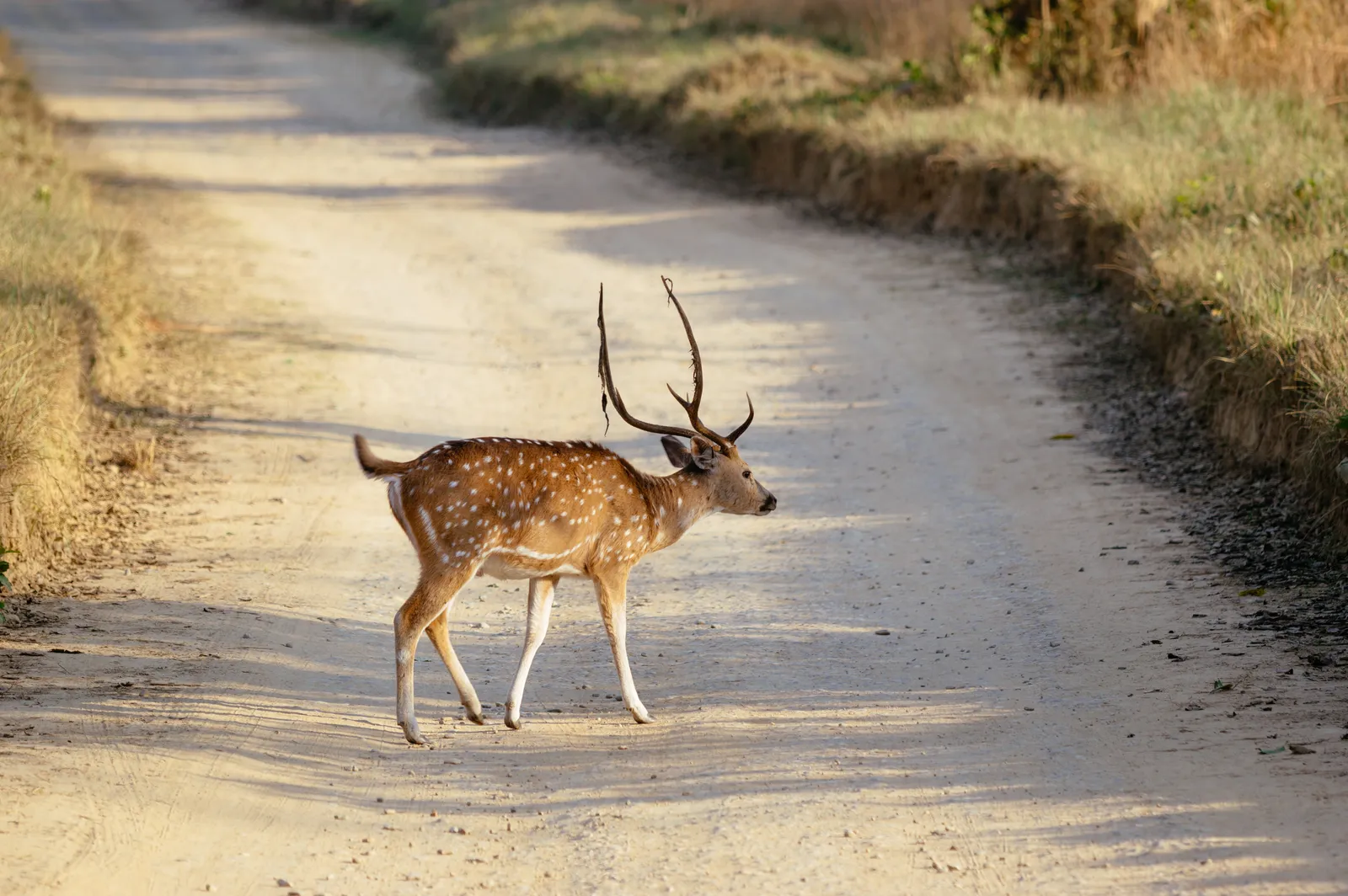
The main advice to drivers to reduce the likelihood of deer freezing ahead of them in the road is to ensure dipping vehicle headlights and slowing down, so that the deer is more likely to be able to distinguish the shape of the vehicle through the glare and see its escape route. This is simpler and more effective than most people expect.
The single most important rule, according to highway-safety agencies, is do not swerve. Brake firmly but stay in your lane, because many of the worst crashes happen when a driver yanks the wheel to dodge a deer and ends up in oncoming traffic, a ditch, or a tree. Remember too that deer rarely travel alone, so if one crosses, expect others close behind.
Scientists at the University of Washington analyzed over 1 million collisions from 1994 to 2021 and found that making daylight saving time permanent would prevent thousands of deer deaths, dozens of human deaths, and over $1 billion in collision costs each year. Sometimes the most effective interventions have nothing to do with the animal at all.
A Closing Thought on an Ancient Brain in a Modern World
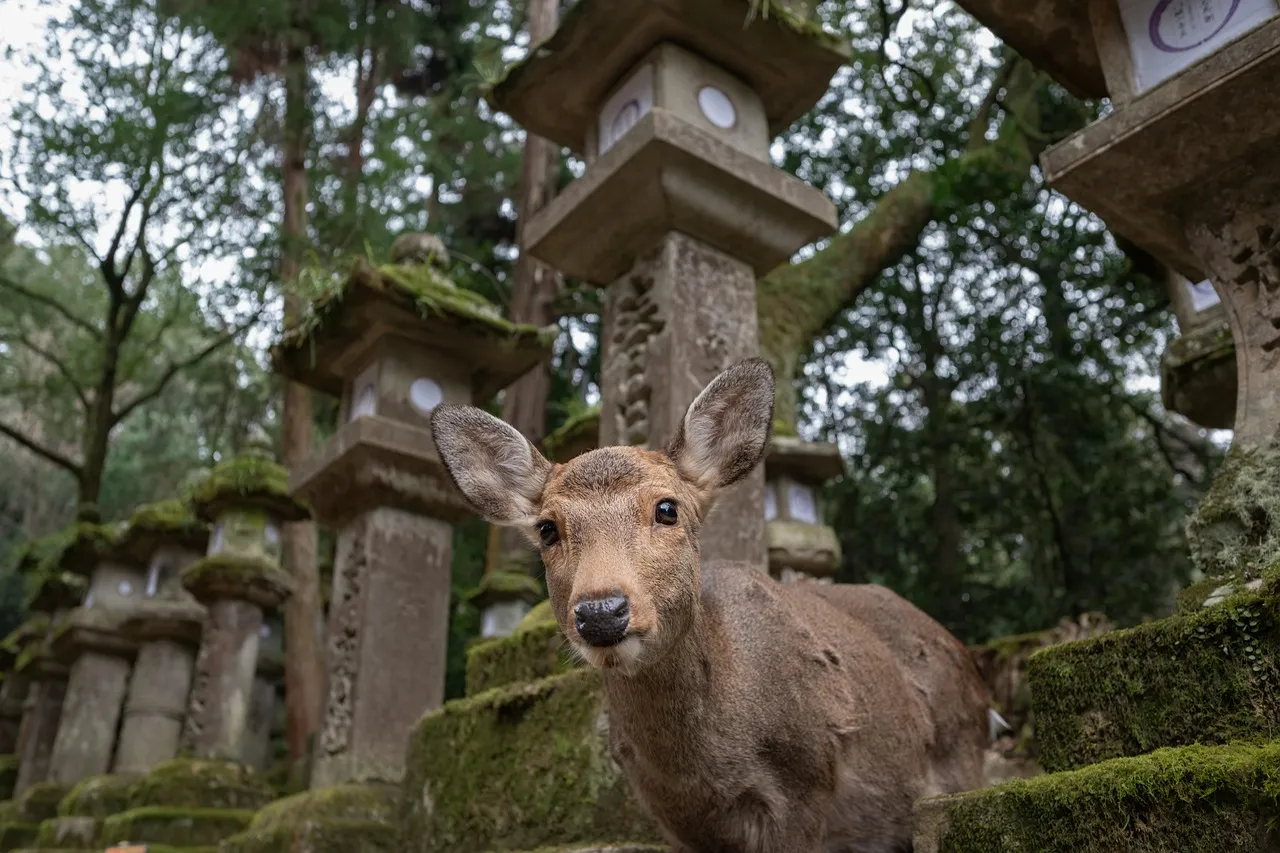
There is something worth sitting with in this story. The deer isn’t being reckless or dim. It’s responding to the world with a set of tools that worked reliably for its species long before roads existed. The freeze reflex, the wide pupils, the reflective eye structure: these are elegant solutions to real problems, just not the problem of a car doing 60 miles per hour.
What looks like failure from the driver’s seat is actually the deer doing exactly what millions of years of pressure shaped it to do. The mismatch isn’t a flaw in the animal. It’s a collision between evolutionary time and human time, and those two clocks simply don’t run at the same speed.
AI Disclaimer: This article was created with the assistance of AI tools and reviewed by a human editor.