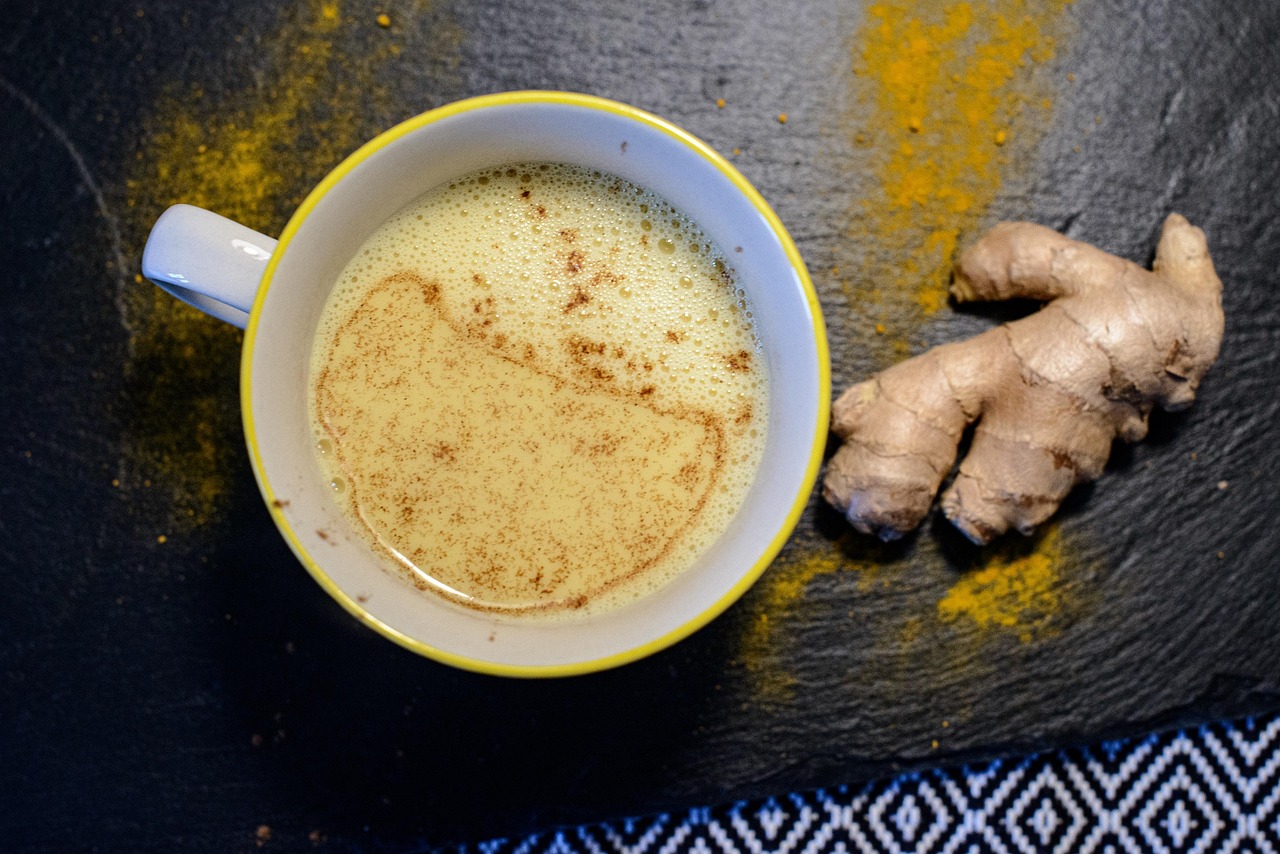

1. Fatty Fish: Omega-3s That Work at the Joint Level
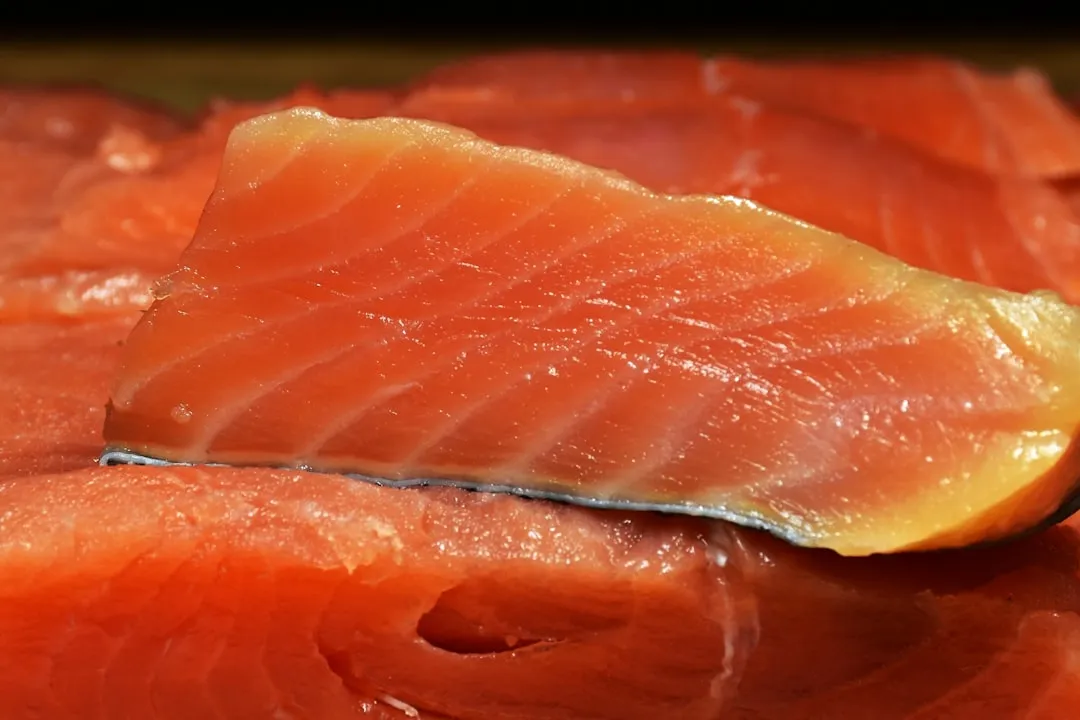
Fatty fish such as salmon, mackerel, sardines, and trout are excellent sources of omega-3 fatty acids, which have been shown to reduce inflammation in the body, decrease joint stiffness, swelling, and pain, making them an essential part of an anti-inflammatory diet.
Researchers have shown that taking fish oil supplements helps reduce joint swelling and pain, the duration of morning stiffness, and disease activity among people who have rheumatoid arthritis. The effect isn’t subtle or speculative, it shows up consistently across multiple study designs.
Many studies link the omega-3 fatty acids in fish and fish oil to reduced inflammation in the body, and reduced morning stiffness and pain in the joints. Fatty fish such as salmon, albacore tuna, herring, lake trout, sardines, and mackerel are highest in omega-3s. Aiming for two or three servings a week is a reasonable, practical starting point.
2. Turmeric: A Spice With Serious Research Behind It
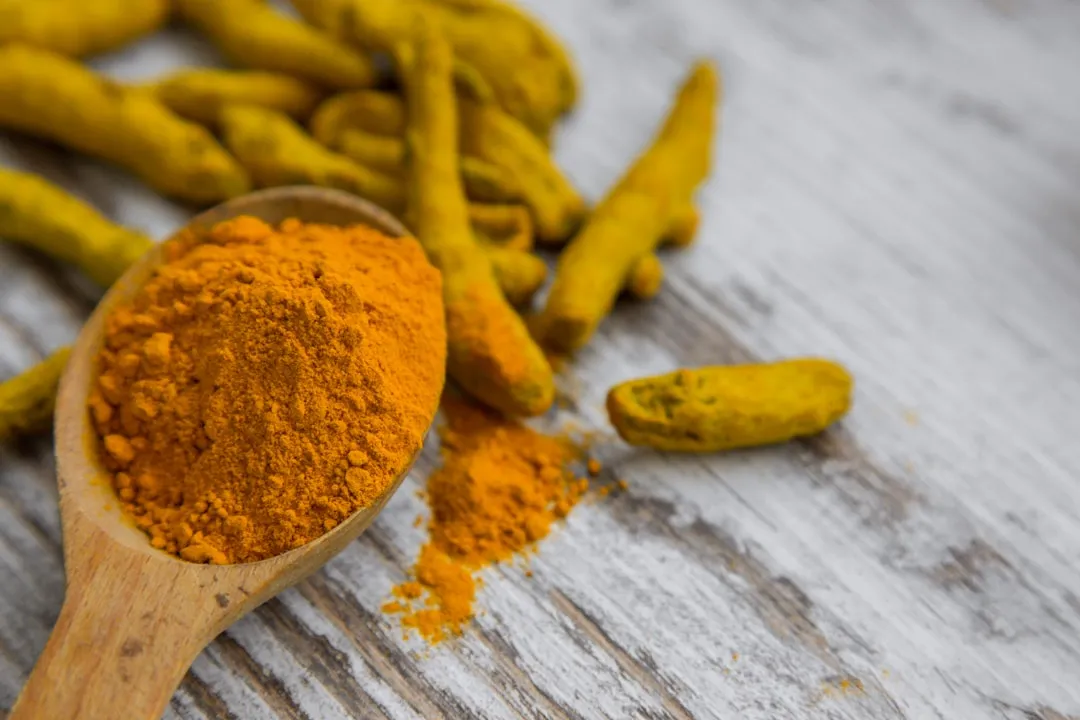
Curcumin, a bioactive compound derived from the rhizome of Curcuma longa (turmeric), has gained attention for its anti-inflammatory and antioxidant properties. It acts by inhibiting the NF-κB signaling pathway and reducing the production of inflammatory cytokines such as TNF-α and interleukin-1β.
A randomized, double-blind, placebo-controlled trial found that supplementation with a water-dispersible turmeric extract containing natural curcuminoids for three months was safe and effective in alleviating pain, improving functional status and quality of life, and reducing inflammation in participants with mild-to-moderate knee osteoarthritis.
Specific improvements noted in studies include substantial pain reduction, enhanced functional mobility, and decreased stiffness. One practical note: curcumin’s absorption improves significantly when consumed with a small amount of black pepper, which contains piperine, a natural bioavailability enhancer.
3. Ginger: An Old Remedy With New Clinical Support
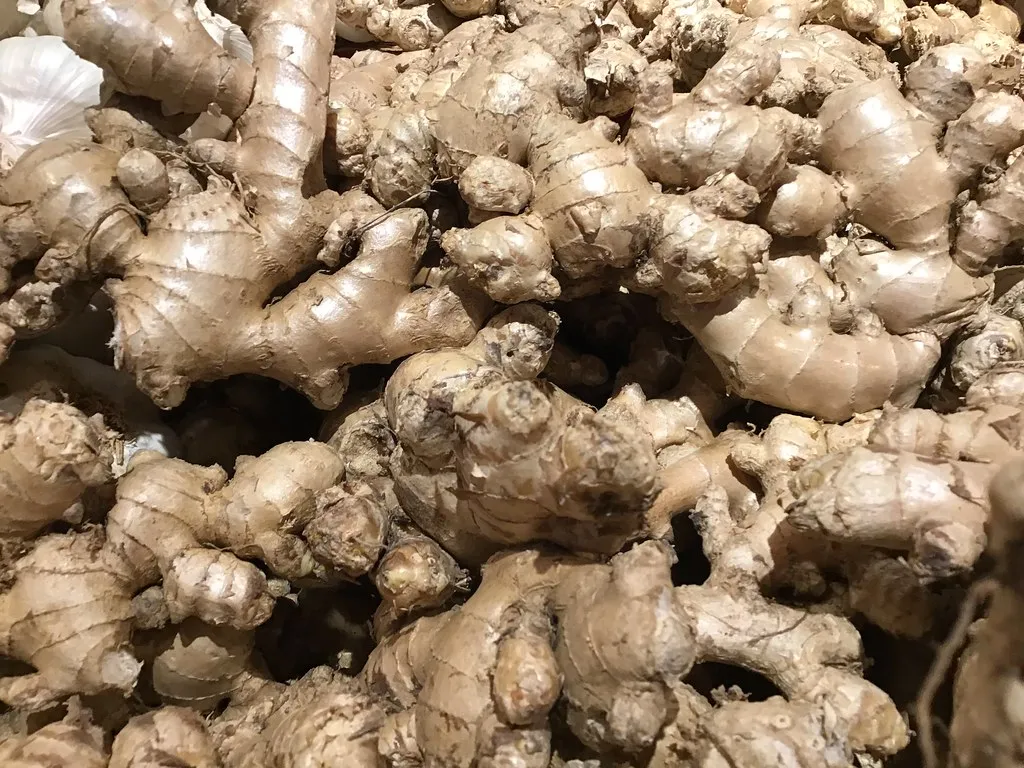
Ginger contains gingerols, shogaols, paradols, gingerdiones, and terpenes, which have been shown to display anti-inflammatory properties and inhibit pain receptors. That combination makes it genuinely distinctive among kitchen spices.
Evidence shows that ginger supplementation improved ratings of pain, stiffness, and functional capacity, and affected several inflammatory markers including IL-6, INF-γ, TNF-α, and C-Reactive Protein concentrations, particularly following recovery from resistance exercise.
Ginger supplementation providing gingerols appears to have some favorable effects on perceptions of pain, functional capacity, and inflammatory markers in men and women experiencing mild to moderate muscle and joint pain. Fresh ginger stirred into warm water or blended into a morning smoothie remains one of the simplest ways to get it into your daily routine.
4. Berries: Small Fruits with a Potent Anti-Inflammatory Punch
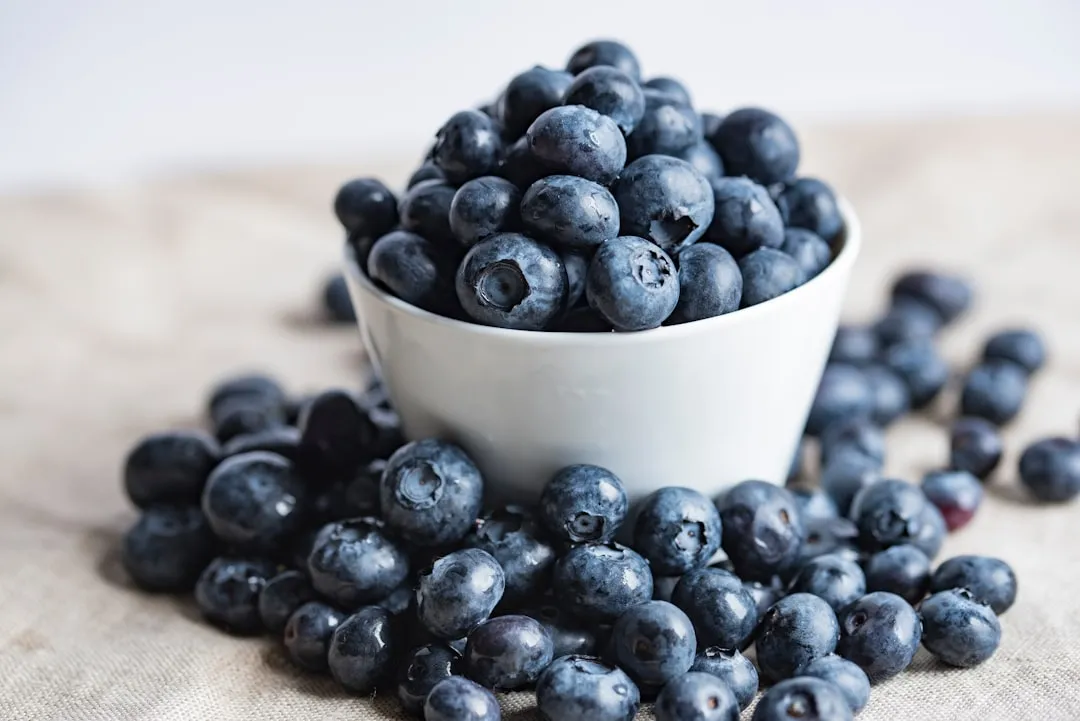
Berries such as blueberries, strawberries, raspberries, and blackberries are rich in antioxidants and polyphenols, which may help combat inflammation and protect joint tissues from damage. They also contain anthocyanins, a compound linked to reduced inflammation in arthritis.
Beneficial foods include blueberries as well as other polyphenol-rich options. These foods are rich in antioxidants, polyphenols, and other compounds that can help counteract inflammation and oxidative stress in the body. Oxidative stress is one of the key drivers of cartilage breakdown, so this matters more than it might seem.
Berries are also effortless to incorporate. A handful on top of oatmeal or plain yogurt in the morning requires almost no effort, and the antioxidant load is immediate. They’re one of the few foods where the research and the convenience actually line up.
5. Extra Virgin Olive Oil: More Than Just a Cooking Fat
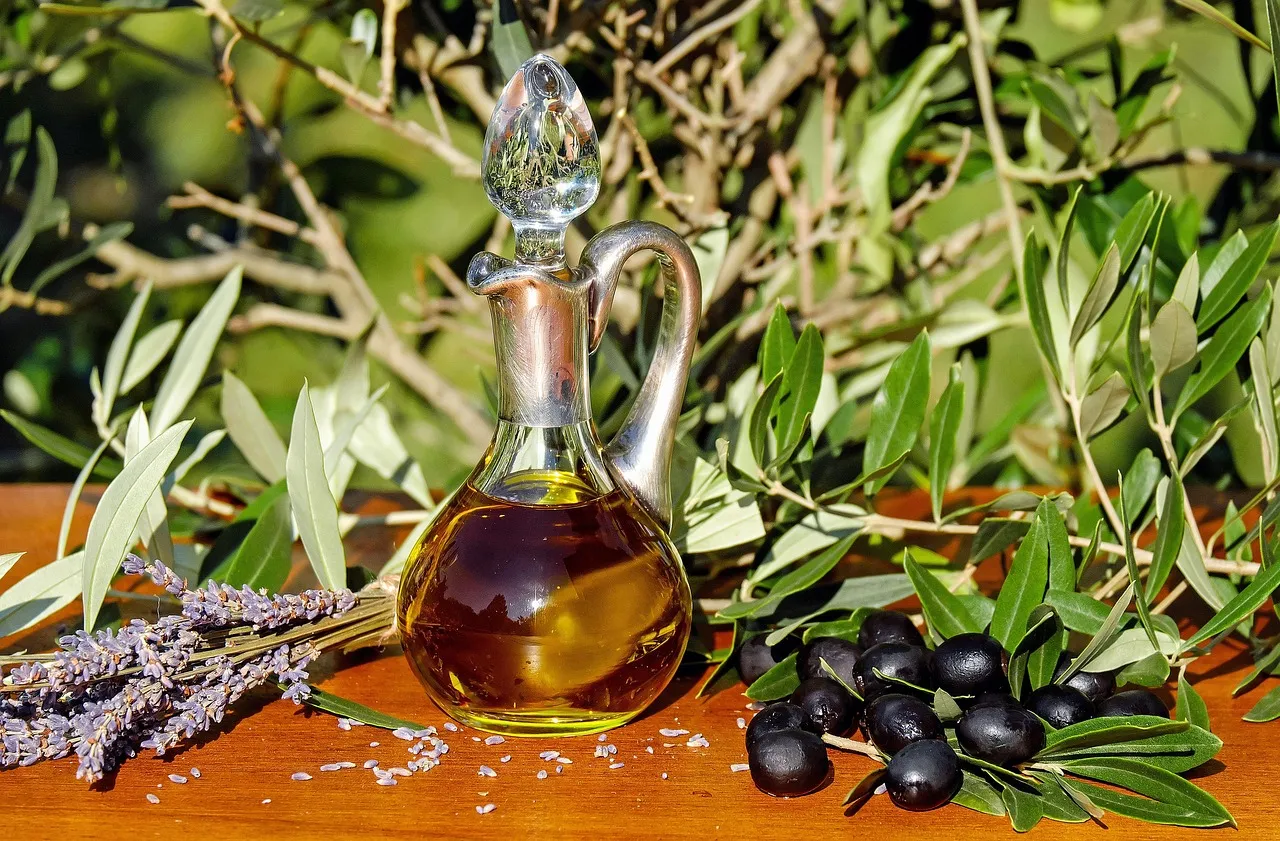
Oleocanthal is a natural phenolic compound found in olive oil that has similar effects to other non-steroidal anti-inflammatory drugs like ibuprofen or aspirin. That’s a striking comparison, though it’s worth keeping proportionate: the effect depends on consistent, regular use, not a single drizzle.
Studies examining the Mediterranean diet’s impact on rheumatoid arthritis have shown improvements in pain, morning stiffness, and physical function, as well as reduced markers of inflammation in the blood, according to a meta-analysis published in Nutrition Reviews. Olive oil is a cornerstone of that dietary pattern.
A study reported at the 2025 European Alliance of Associations for Rheumatology annual meeting tracked 210 patients with rheumatoid arthritis divided into Mediterranean and regular diet groups. At three months, the Mediterranean group had improvements in disease activity and in body weight, BMI, body composition, and muscle mass. The olive oil contribution is difficult to isolate, but it’s consistently part of the package that delivers results.
6. Leafy Greens: The Vitamin C and K Connection
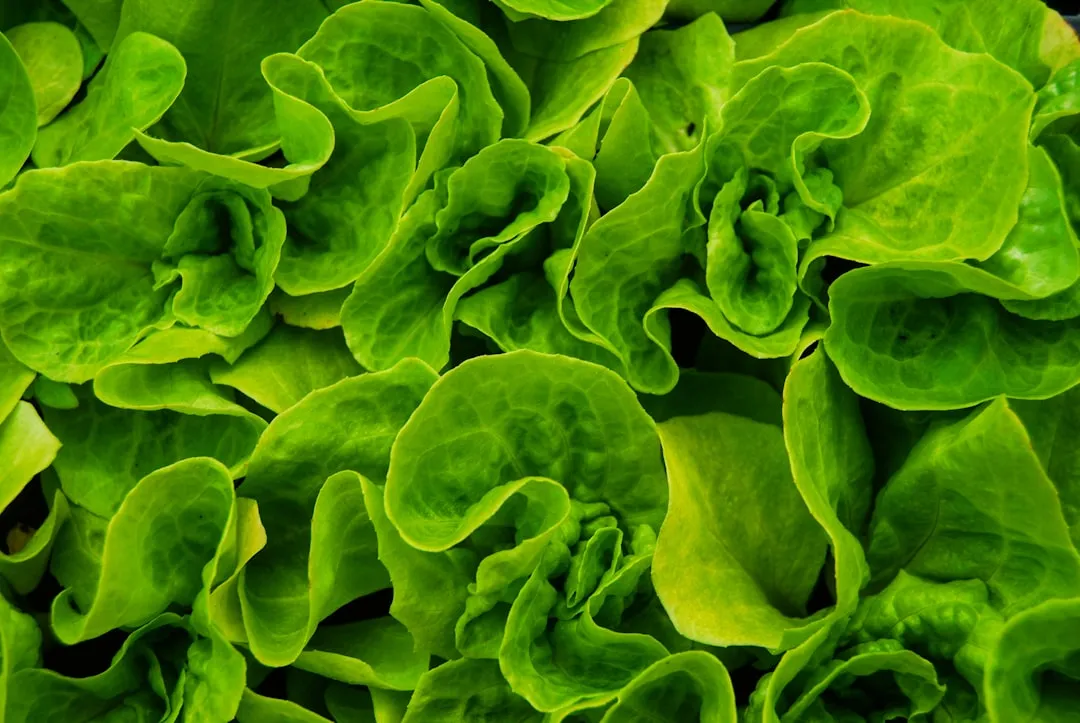
Dark leafy greens like spinach, kale, silverbeet, and parsley are full of vitamin C and K, which may help protect joints and reduce inflammation. These greens are also packed with calcium, essential for maintaining strong bones and cartilage.
Leafy greens such as kale, spinach, and Swiss chard supply vitamins A, C, and K, which help protect cartilage and connective tissue. Cartilage doesn’t have a direct blood supply, so the nutrients that reach it through diet are among the few consistent inputs your body has for maintaining it.
Some studies have found that a diet high in fiber helps reduce levels of C-reactive protein (CRP) in the blood, a marker of inflammation associated with rheumatoid arthritis and other inflammatory conditions. Leafy greens deliver fiber alongside their micronutrient profile, making them effective on more than one front. A simple sauté with garlic and olive oil is all it takes.
How Morning Stiffness Relates to What You Ate Yesterday

Waking up with stiff, aching joints can feel like it comes out of nowhere, but morning stiffness is a classic sign of systemic inflammation, often caused by what you ate the day before or poor gut health. It’s a useful feedback signal, even if it’s an uncomfortable one.
RA pain and stiffness is caused by inflammation, and some foods have an anti-inflammatory effect in the body. While changing your diet won’t eliminate symptoms completely, learning which foods to add and which to avoid may help you feel better and improve your overall health.
The other side of the equation matters too. Sugary cereals, pastries, white bread, and processed breakfast meats like bacon or sausage can trigger insulin spikes and cause inflammation to flare up in the joints. Removing those regularly from your plate may be just as impactful as adding the six foods above.
The Mediterranean Diet: Where Most of These Foods Come Together
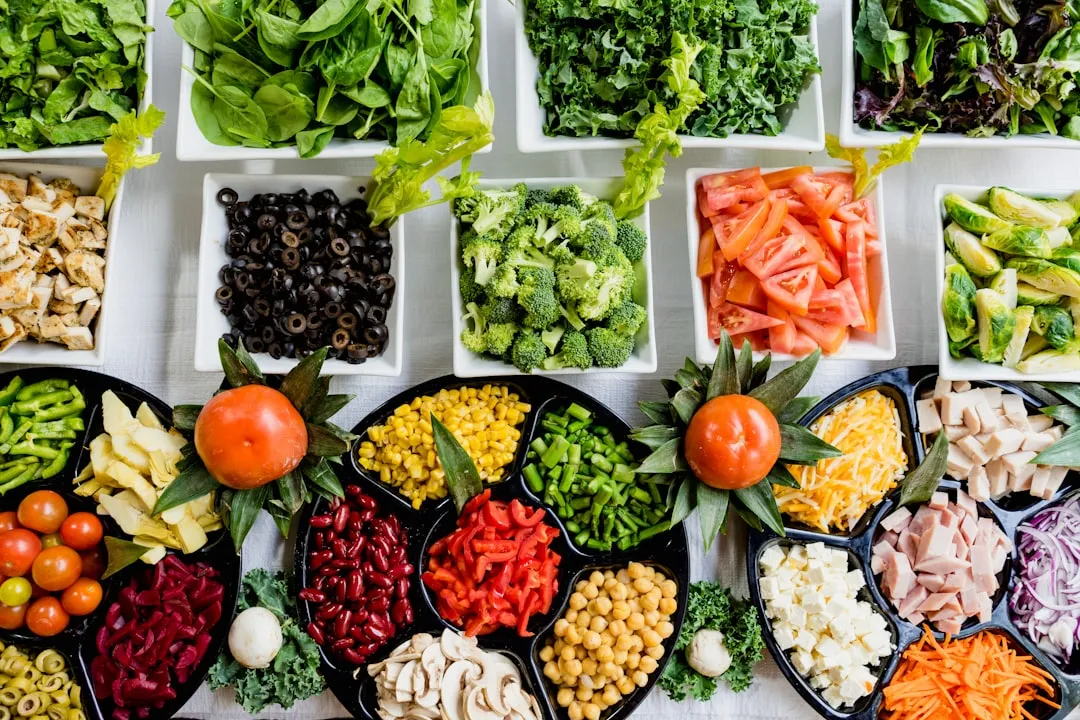
In a Mediterranean-style diet, beneficial nutrients are found in fruits and vegetables, fish, olive oil, unrefined grains, nuts, seeds, and beans. The diet also includes moderate poultry, dairy, and eggs, while minimizing meats, especially red meats, and highly processed and refined foods.
Research shows that many foods associated with the Mediterranean diet, including fish, olive oil, fruits, vegetables, and whole grains, reduce inflammation. Although much of this research has been done in test tubes, some studies have found a connection between eating these foods and an improvement in arthritis symptoms.
What’s useful about this framing is that it shifts focus away from chasing individual superfoods and toward a broader dietary pattern. The consistency of the eating style appears to matter as much as any single food choice.
Nuts and Seeds: Magnesium, Healthy Fats, and Muscle Relaxation
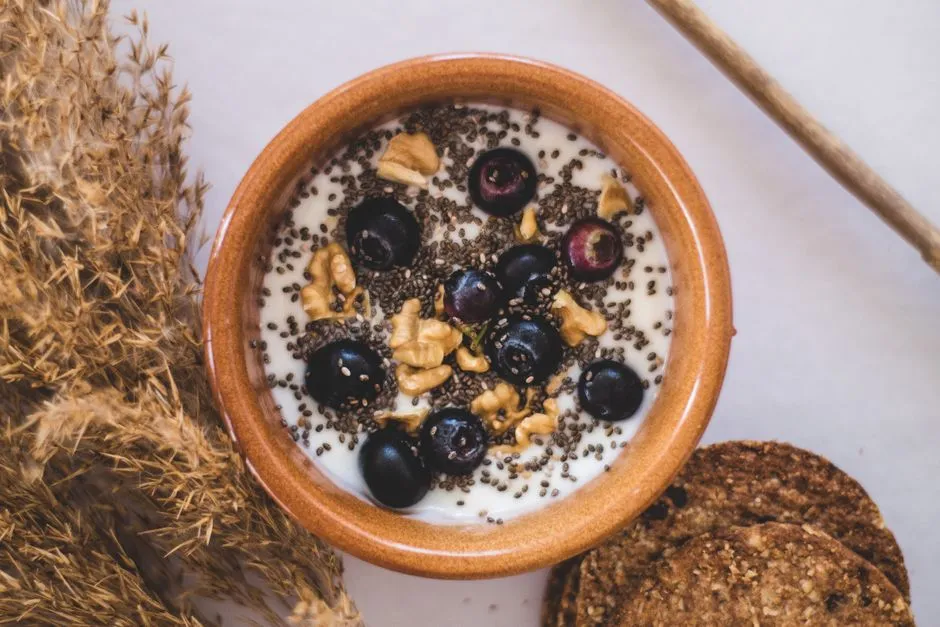
Nuts and seeds, including walnuts, chia seeds, and flaxseeds, provide healthy fats and magnesium, both important for muscle relaxation. Magnesium is often overlooked in conversations about stiffness, but tight muscles are frequently part of what makes mornings uncomfortable.
Stiffness isn’t always joint-related, as tight muscles can also be the culprit. Magnesium helps relax muscles and supports deeper, more restorative sleep. That sleep connection is particularly relevant. Poor sleep quality tends to worsen morning inflammation, so any nutrient that supports overnight recovery earns its place.
Regular consumption of raw nuts and seeds such as almonds, walnuts, chia seeds, and flaxseeds delivers high amounts of calcium, magnesium, and vitamin E. A small handful added to oatmeal or a salad each day is a low-effort way to cover several of these bases simultaneously.
Whole Grains: Fiber’s Role in Calming Inflammation
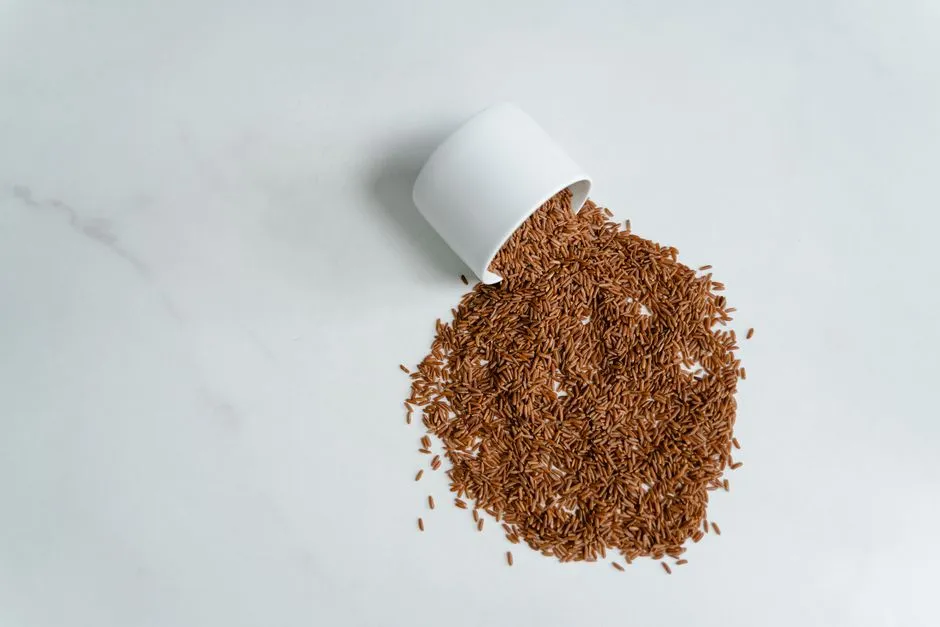
Whole grains contain plenty of filling fiber, which can help maintain a healthy weight. Some studies have also shown that fiber and fiber-rich foods can lower blood levels of CRP, an inflammatory marker. CRP is one of the most reliable measurable signals of systemic inflammation, so anything that brings it down is worth paying attention to.
Research shows that restricting calories for seven to ten days followed by a vegetarian diet for a year or more resulted in less pain, morning stiffness, and inflammatory biomarkers, according to a 2020 meta-analysis in Nutrition Reviews. While strict long-term vegetarian diets aren’t for everyone, the fiber-dense foods they’re built around seem to do real work.
Brown rice, oats, and whole-wheat bread are all straightforward swaps that most people can make without overhauling their eating habits. The gains tend to be gradual and cumulative rather than dramatic, which is actually a sign the change is sustainable.
Final Thoughts
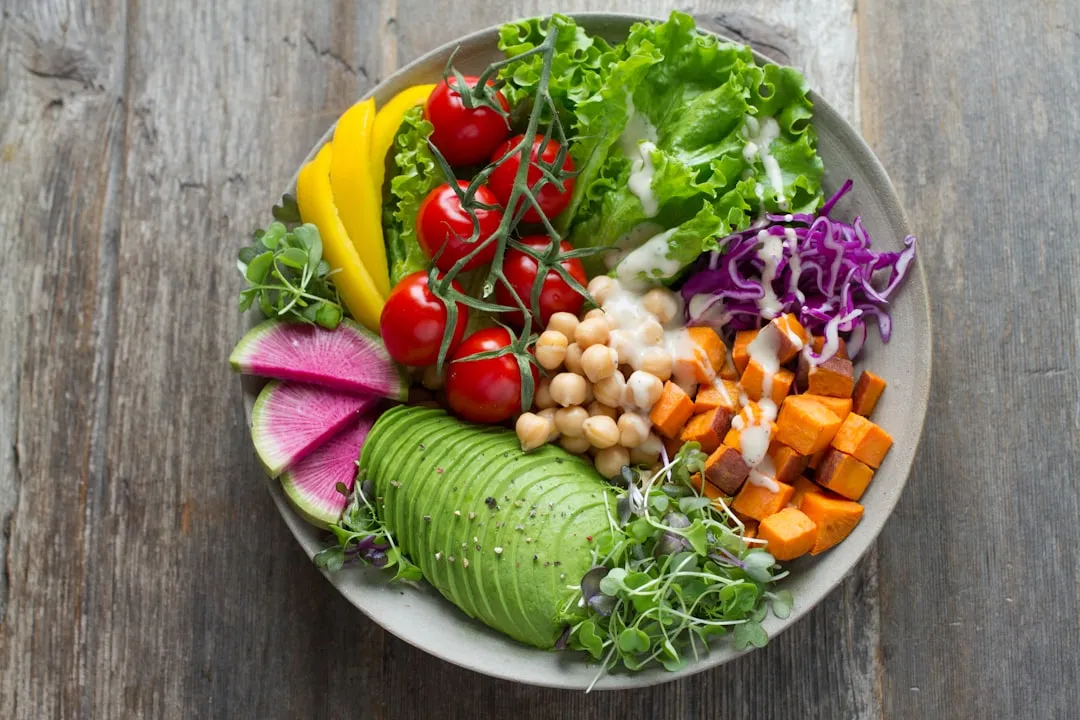
Morning stiffness is rarely just about age. Chronic inflammation is one of the biggest culprits behind muscle tightness and joint stiffness, and adding anti-inflammatory foods to your routine can help calm those aches and keep your range of motion strong. The six foods covered here, fatty fish, turmeric, ginger, berries, olive oil, and leafy greens, all have meaningful research backing them.
None of them work like medication, and none of them will completely erase stiffness on their own. But nutrition research has shifted to focus on a whole-diet approach to managing joint-related disease rather than looking for a single food or nutrient. That shift in thinking is probably the most useful takeaway.
If most mornings feel stiff, it’s worth looking at the whole picture across several weeks rather than expecting one golden food to fix everything overnight. Consistency, variety, and reducing the inflammatory foods in your diet will move the needle more than any single addition ever could.
AI Disclaimer: This article was created with the assistance of AI tools and reviewed by a human editor.