

Leaving Screens and Lights On All Night

Humans have disrupted the natural cycles of light and dark with artificial lighting, stretching this further with bright LED illumination and electronics left on around the clock. Light cycles are a critical aspect of circadian rhythms that govern wakefulness, sleep patterns, and daily functioning.
Light can affect the sleep of domestic cats, just as it does in humans or rodents, by suppressing melatonin expression, interrupting normal sleep intensity, or extending activity periods. In other words, that glow from your laptop or television isn’t neutral for your cat.
Continual use of artificial light may be a major triggering mechanism over a cat’s lifespan toward neurological dysfunction. Fragmented sleep reduces a cat’s ability to handle environmental stressors, and according to the Cornell Feline Health Center, sleep deprivation or disruption can lower the threshold for aggressive behaviors and anxiety.
Keeping an Inconsistent Feeding Schedule

Meal and on-demand feeding tether the cat’s routine to that of the owner. Given the fairly strict routines that cats follow, having an owner who gets up or arrives home at different times during the week can create a stressfully unpredictable routine for the cat.
At least two studies have investigated the importance of routine and predictability in the lives of cats, and both found that an irregular pattern of feeding, lighting, heating, cleaning, and social contact led to an increase in stress-related behaviors.
Research on indoor cats suggests that feeding times are among the strongest drivers of daily activity. Cats quickly learn when food is likely to appear and adjust their wakefulness accordingly. If breakfast is served early, cats may become increasingly active before that time, regardless of whether it is still dark outside. Irregular feeding doesn’t just affect hunger; it destabilizes their entire sense of structure.
Rewarding Nighttime Attention-Seeking Without Realizing It
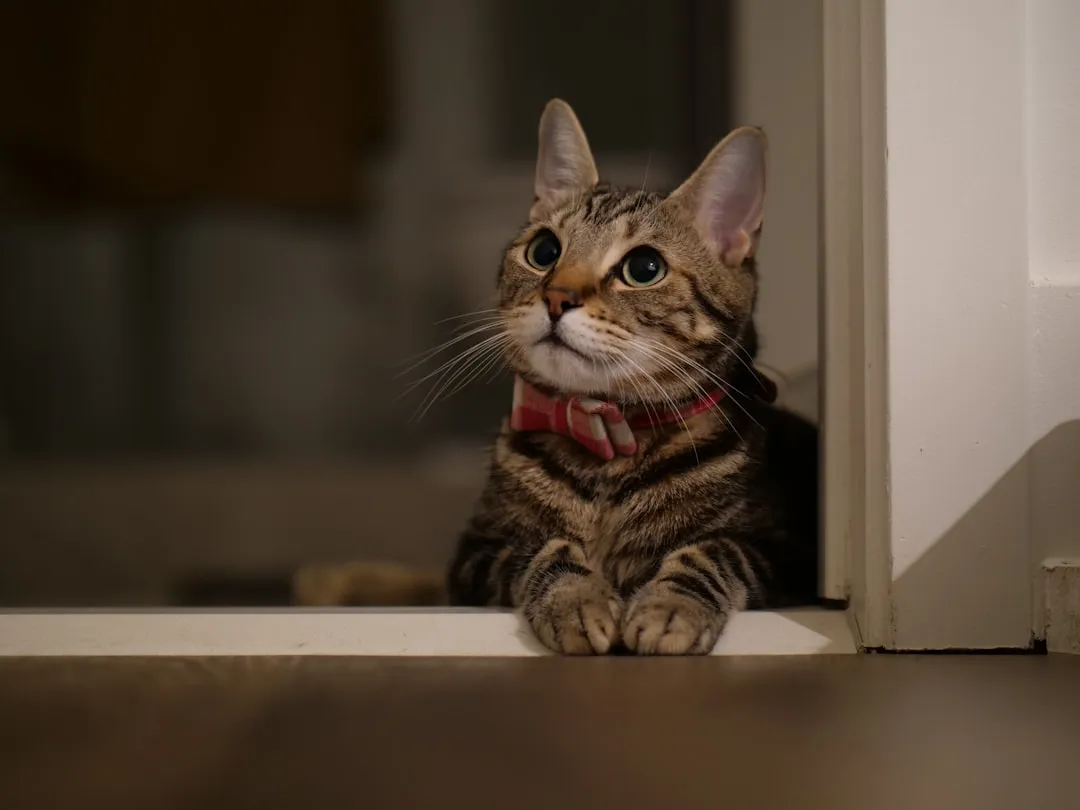
Many people reinforce boisterous nighttime activity without meaning to. They might get up to feed, play with, or simply chase their cat out of the room. Each of those responses teaches the cat that making noise at 2 a.m. works.
Since nighttime activity may be a form of social play and attention-seeking behavior, the first consideration is whether the cat is getting sufficient amounts of social interaction and social play during the daytime. This may be particularly problematic for an only cat in a household with an owner who works all day.
Cats that are vocal during nighttime hours must be ignored if you want the behavior to change. That’s genuinely difficult advice to follow at 3 a.m., but responding intermittently actually makes the behavior more persistent, not less.
Forcing a Daytime-Centered Play Schedule
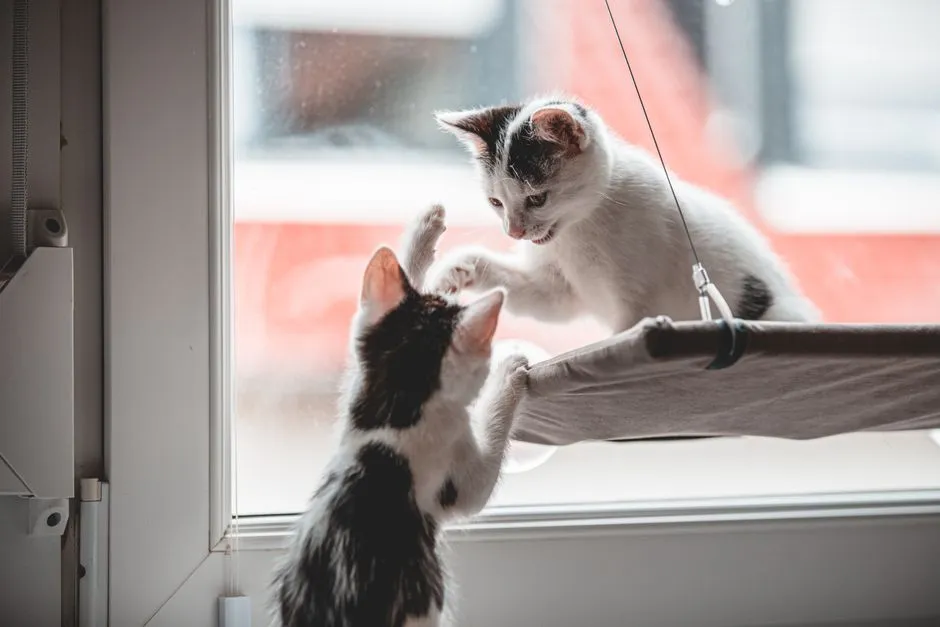
Humans typically sleep between 10 p.m. and 6 a.m. and dislike nighttime disturbances, so playtimes are often shifted toward daytime, when cats would naturally be inactive. This mismatch between human convenience and feline biology creates a quiet but persistent form of frustration for cats.
Domestic cats have had to suppress typical behaviors to maintain their human-cat bonds, and as a result, their ingrained sleep patterns may become more fragmented. Fragmented sleep is not simply inconvenient; it has measurable biological consequences.
Activity-monitoring studies of domestic cats show clear increases in movement around sunrise and sunset, with lower but still present activity overnight. Even indoor-only cats, who never need to hunt for food, retain this inherited rhythm. Fighting that rhythm with a daytime-only play routine leaves them with pent-up energy precisely when everything is quiet.
Letting Them Nap Too Much in the Evening
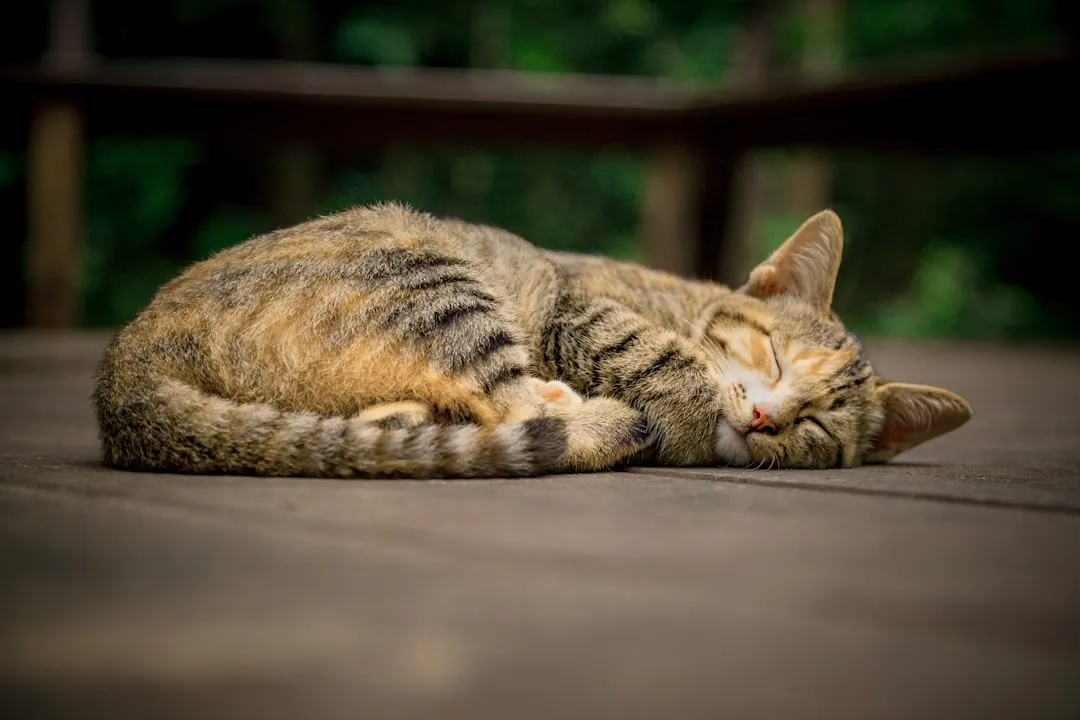
Cats may spend most of the day sleeping or relaxing, and all that rest during the day can lead to an active cat at night. When owners then allow the cat to snooze on their lap throughout the entire evening, they’re effectively pre-loading the cat with energy for the midnight hours.
Evening catnaps should be discouraged according to VCA Animal Hospitals, particularly for cats that already show active or disruptive nighttime behavior. Even gently encouraging the cat off your lap during peak evening hours can shift the balance.
Keeping the cat awake and active by playing, feeding, and interacting throughout the afternoon and evening can resolve the nighttime restlessness problem in some cats. The logic is simple: a cat that used its energy before midnight is more likely to sleep through it.
Exposing Them to Loud Ambient Noise
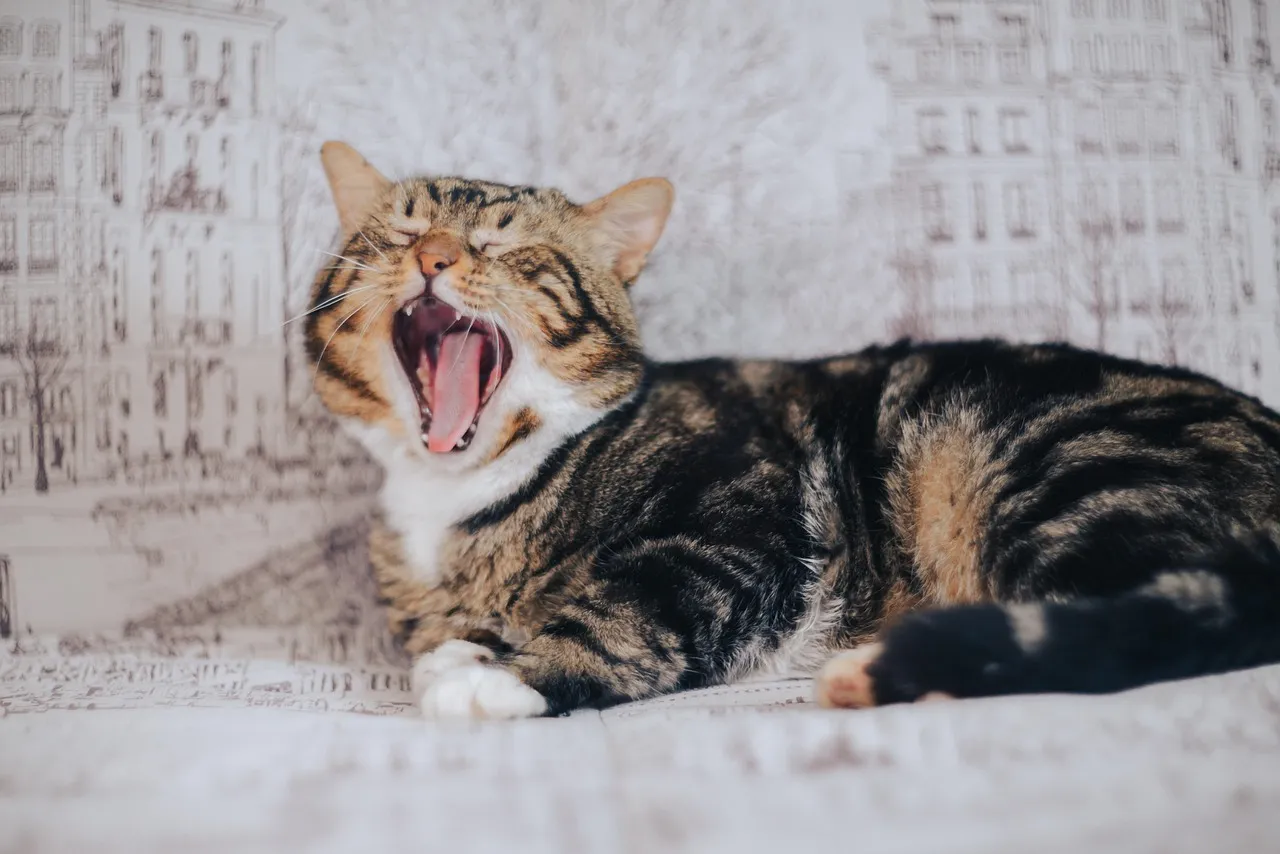
Research indicates that exposure in adult male cats to sound in the range of 5 to 20 kHz at high levels resulted in synaptic dysfunction within the inferior colliculus over a period of ten days of exposure to one hour of noise daily. That’s a clinical way of saying that repeated noise stress causes measurable neurological damage.
Whether synaptic dysfunction precedes or follows oxidative stress, the result is the same: neuronal loss and overall neurodegeneration. Noisy environments, including music, television, traffic background, and electronic white noise, have the potential to increase reactive oxygen species and begin cycles of oxidative stress and neuroinflammation.
This doesn’t mean you need silence at all times. It does suggest that consistently high ambient noise levels in the evening, television turned up loud, streaming audio, or even a constantly running fan near a sleeping cat, may be more disruptive than most owners consider.
Changing Routines Without Warning
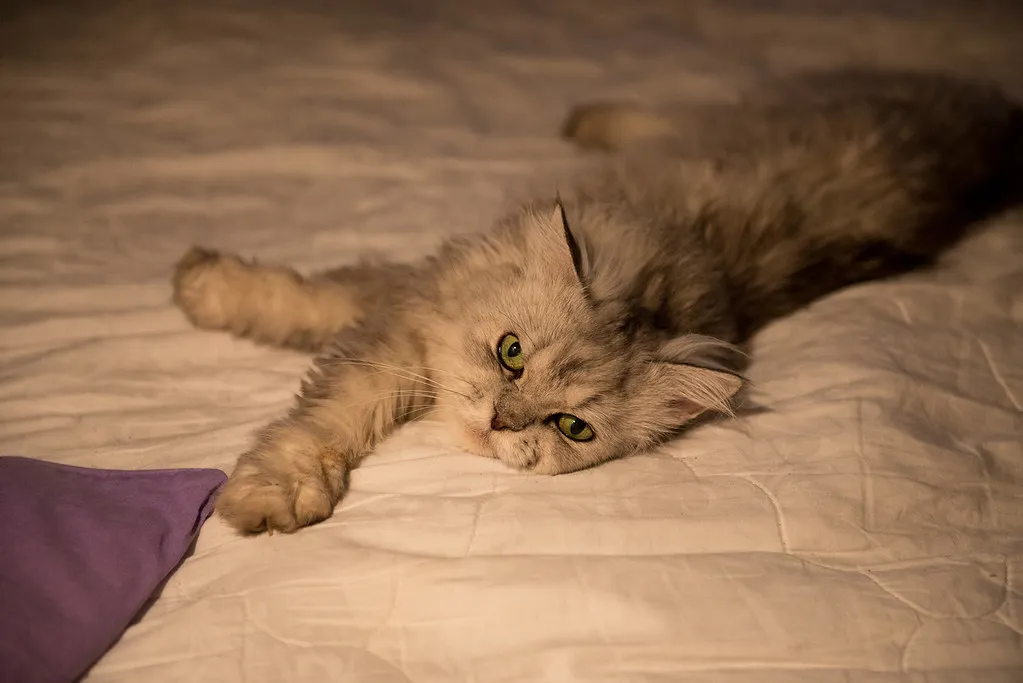
Changes in the home environment can impact a cat’s sleep schedule. A new pet, a change in work hours, or moving can cause a cat stress and anxiety, leading to more nocturnal activity. What feels like a minor shift to you can register as a significant disruption to a cat that relies on predictable cues.
Cats are highly adaptable, especially when it comes to social routines and expectations. While their internal rhythms are rooted in biology, they are also influenced by the habits of the humans they live with. Sudden changes in when you come to bed, when lights go off, or when the household settles for the night all register as signals worth tracking.
Cats aren’t being dramatic when routine changes unsettle them. Their nervous systems are genuinely calibrated to environmental consistency, and nighttime is when the gaps in that consistency become most apparent.
Co-Sleeping Arrangements That Disrupt the Cat
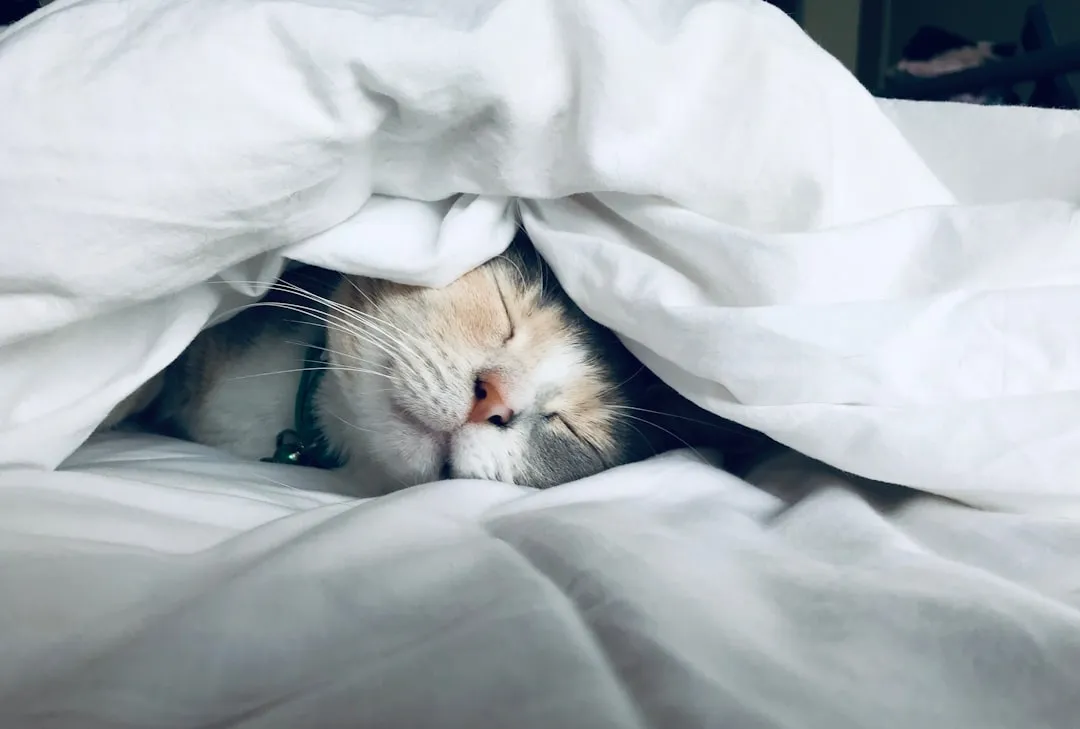
Among adults who co-sleep with their pets, a large-scale investigation of Australian adults found that participants who co-slept with pets took longer to fall asleep, were more likely to feel tired upon waking, and were more likely to report noise-related nighttime sleep disturbances than those who did not co-sleep with pets.
The disruption, though, goes in both directions. Owners who shift positions frequently, use alarms, or get up multiple times during the night are also disturbing the cat’s sleep cycles. Research by Ruckebusch and Gaujoux found that stressful or disturbing external situations may affect sleep, shifting it to lighter sleep stages such as drowsiness.
A cat that spends its nights in lighter sleep stages because of your movements isn’t getting the restorative rest it needs either. The co-sleeping dynamic is genuinely mutual, and not always in the best way for either party.
Skipping the Pre-Bed Play Session
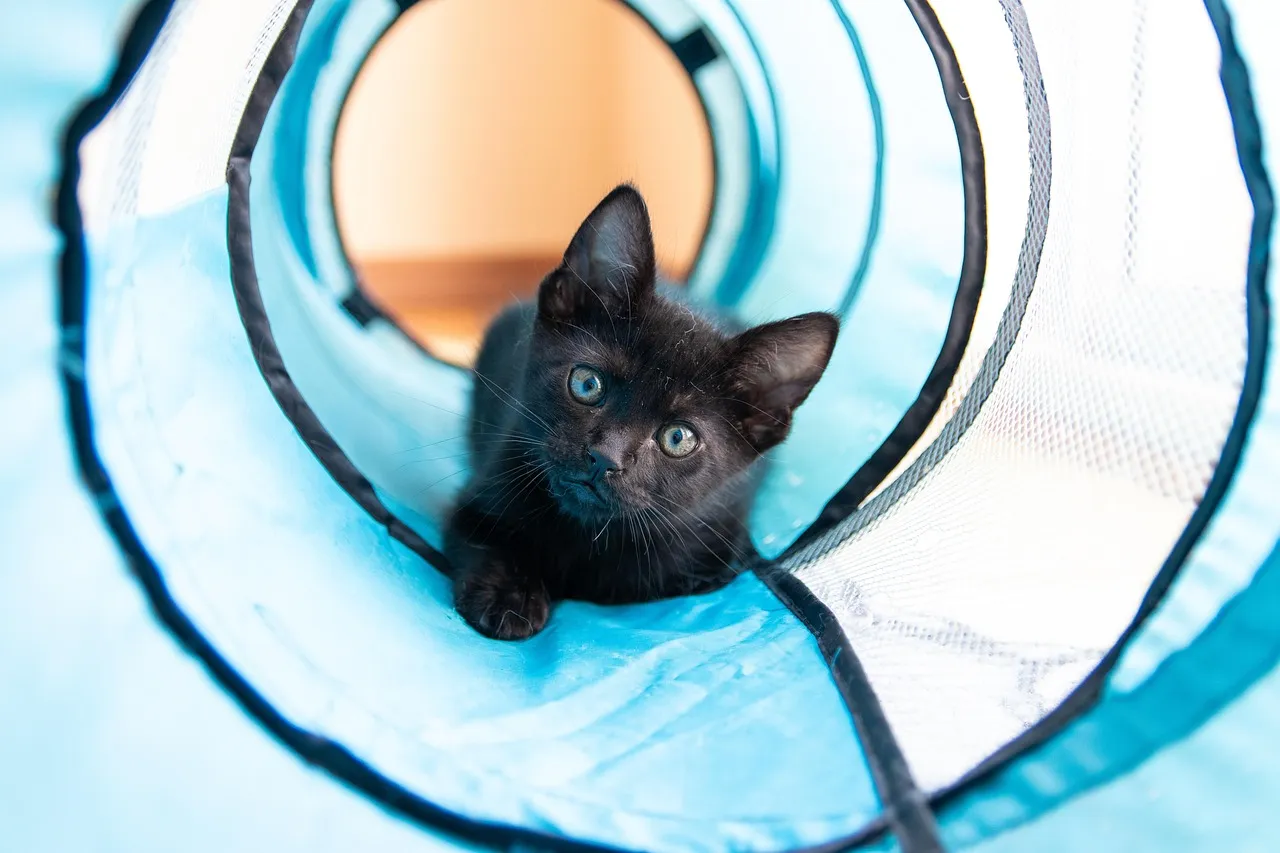
A cat’s feeding schedule might include a late-night snack before bed, and according to Stephen Quandt, a certified cat behavior consultant, playing with your cat followed by a small meal before bedtime is the best way to encourage them to sleep through the night. Skipping this wind-down ritual leaves the cat in a state of unresolved arousal.
Cats have a natural instinct to hunt and release excess energy late at night and early in the morning. Without an intentional outlet before you go to sleep, that energy tends to surface at the worst possible time. A ten-minute interactive play session before bed isn’t just a nice routine; it’s genuinely useful for the cat’s nervous system.
Offering several social play sessions with chase toys, as well as some reward-based training exercises, might help fill the cat’s needs. Daytime hours can be further enriched by offering smaller but more frequent meals, perhaps providing some in foraging and play toys, as well as offering new objects of exploration each day.
Ignoring Early Signs of Age-Related Sleep Changes
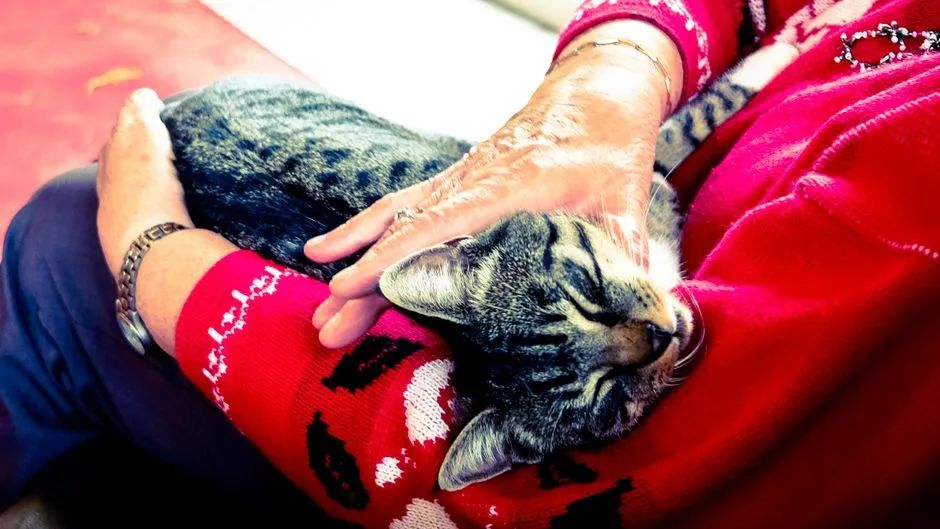
Changes in sleeping patterns are common as cats age. You may find your cat is more active at night, which can be caused by health problems or as part of the normal aging process. Many owners chalk this up to personality quirks and miss an opportunity for early intervention.
For senior cats, the impact of disrupted sleep is even more pronounced. Feline Cognitive Dysfunction often manifests as altered sleep-wake cycles and increased nighttime vocalization. In these cases, artificial light acts as a stressor, worsening the disorientation associated with aging.
Certain health conditions may cause a cat to be hyperactive, uncomfortable, or vocal and needy at night. If your older cat’s nighttime behavior has shifted noticeably in recent months, it’s worth a veterinary conversation rather than an assumption that it’s just age setting in.
The Takeaway
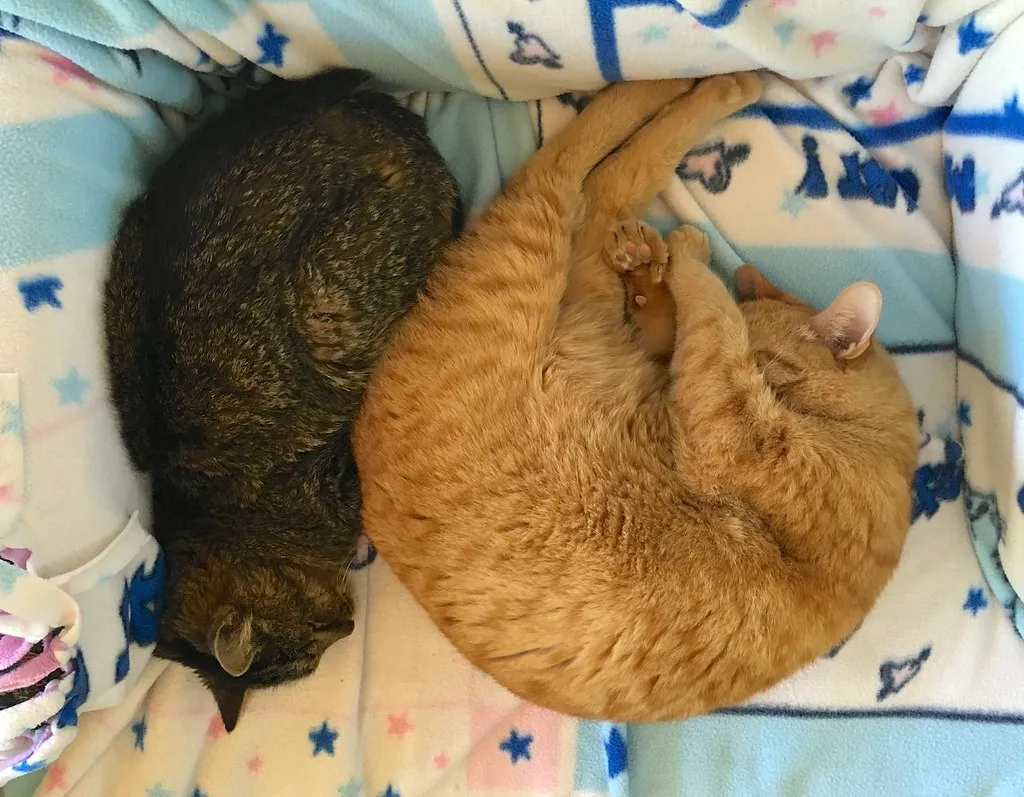
Most of these habits aren’t careless or unkind. They’re just the ordinary rhythms of human life bumping up against the very specific biological needs of a crepuscular predator living indoors. The gap between those two things is where feline stress quietly accumulates.
A consistent feeding schedule, a wind-down play session before bed, and some thought about nighttime light and noise levels can make a meaningful difference. None of these changes require much effort, but taken together, they tell your cat something important: the night is structured, predictable, and safe.
Cats don’t ask for much. Getting the evenings right for them is one of the simpler things an owner can actually control.
AI Disclaimer: This article was created with the assistance of AI tools and reviewed by a human editor.