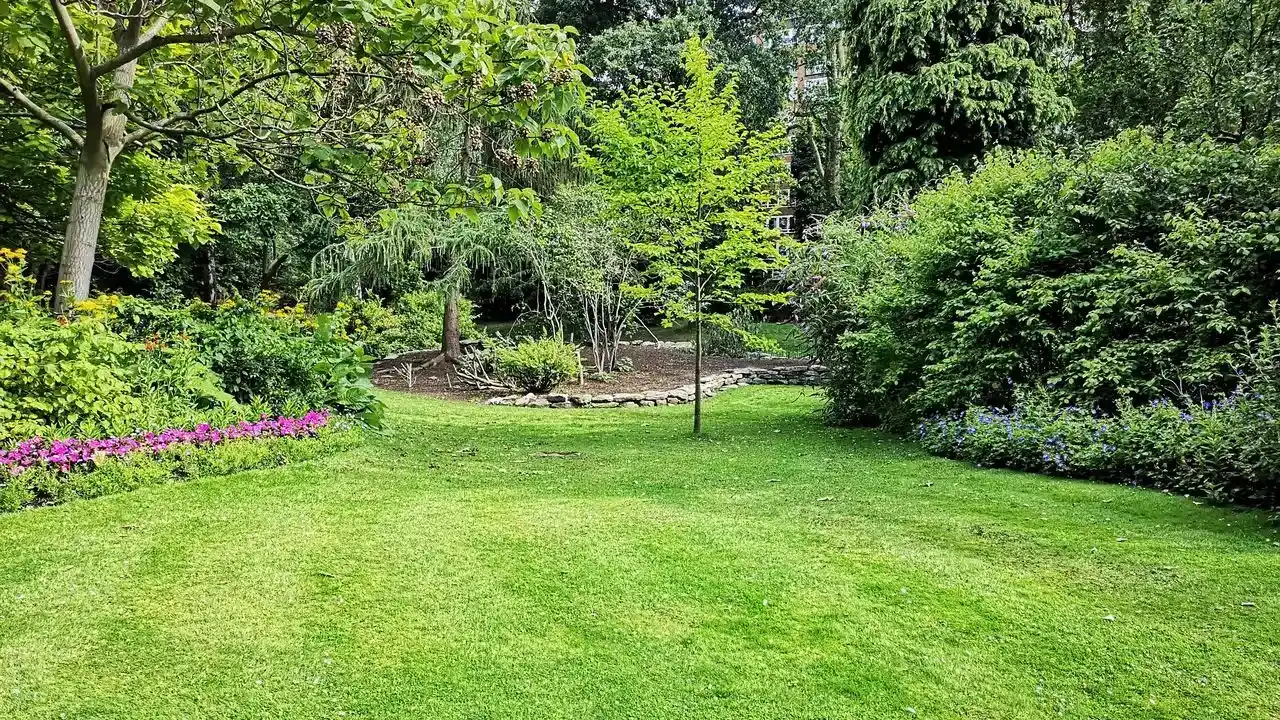

Buffalo, NY – This July, the city hosted an unexpected influx of gardening enthusiasts who traveled from 26 states and Canada to explore local yards during a multi-day event known as the Garden Fling. ([1])The gathering brought 72 visitors for bus tours each morning and neighborhood walks in the afternoons, followed by a separate weekend when roughly 300 gardens opened to the public. For one longtime resident and co-organizer, the experience shifted from routine hosting duties to a genuine rediscovery of what had long been right outside the door.
A Surge of Outside Interest in Everyday Spaces
The scale of the turnout surprised many involved in planning. Visitors arrived eager to see gardens that locals had discussed for years but often overlooked in favor of staying home after work. The tours highlighted a mix of suburban plots, rural properties, and even urban installations at places like Silo City, where resilient plants and sculptural elements coexist with ecological restoration efforts.
These outsiders brought fresh eyes to spaces that residents sometimes take for granted. The event underscored how ordinary backyards can become destinations when presented with context and community. Organizers noted that the focus remained on accessible, hands-on gardens rather than grand estates, which aligned with the region’s character.
Neatness, Whimsy, and Architectural Harmony
One clear takeaway emerged from the visits: many area gardeners maintain far tidier spaces than the typical resident might expect. Raised vegetable beds stood impeccably organized, framed by ornamental sections free of stray soil or weeds. Such precision impressed observers, even those who admitted they would never attempt certain crops like onions.
Whimsy appeared in measured doses across the tours. Human head planters, buffalo statues, gargoyles, and vintage signage dotted several properties, often integrated with solid plantings rather than standing alone. Houses frequently rivaled the gardens for attention, with one notable shed in a northern suburb designed to echo the architecture of the main residence. A private arboretum and a 42-acre rural garden further demonstrated how trees and perennials can thrive despite challenges like heavy deer pressure.
Personal Shifts and Shared Ideas
The author, who had previously stayed close to home on pleasant evenings, found the tours eye-opening. Gardens long heard about but never visited revealed confident designs that worked within local limitations. Plant trading, seed starting, and wintering over cuttings emerged as common practices among the hosts, with most relying on their own efforts rather than professional help.
Sculptural elements added another layer, including a bronze and aluminum piece that doubles as wind chimes when pushed. Such features prompted discussions about proportion and personal expression in the landscape. Attendees left with practical ideas, while hosts received validation for their approaches.
Looking Ahead After the Crowds Departed
The enthusiasm from visitors reinforced the value of these local efforts. Though the region lacks expansive showpiece properties, the gardens on display proved sufficient to draw crowds and spark inspiration. Next year’s gathering moves to Portland, leaving Buffalo participants with renewed appreciation for their own surroundings and a sense that small, dedicated spaces can hold wide appeal.
AI Disclaimer: This article was created with the assistance of AI tools and reviewed by a human editor.