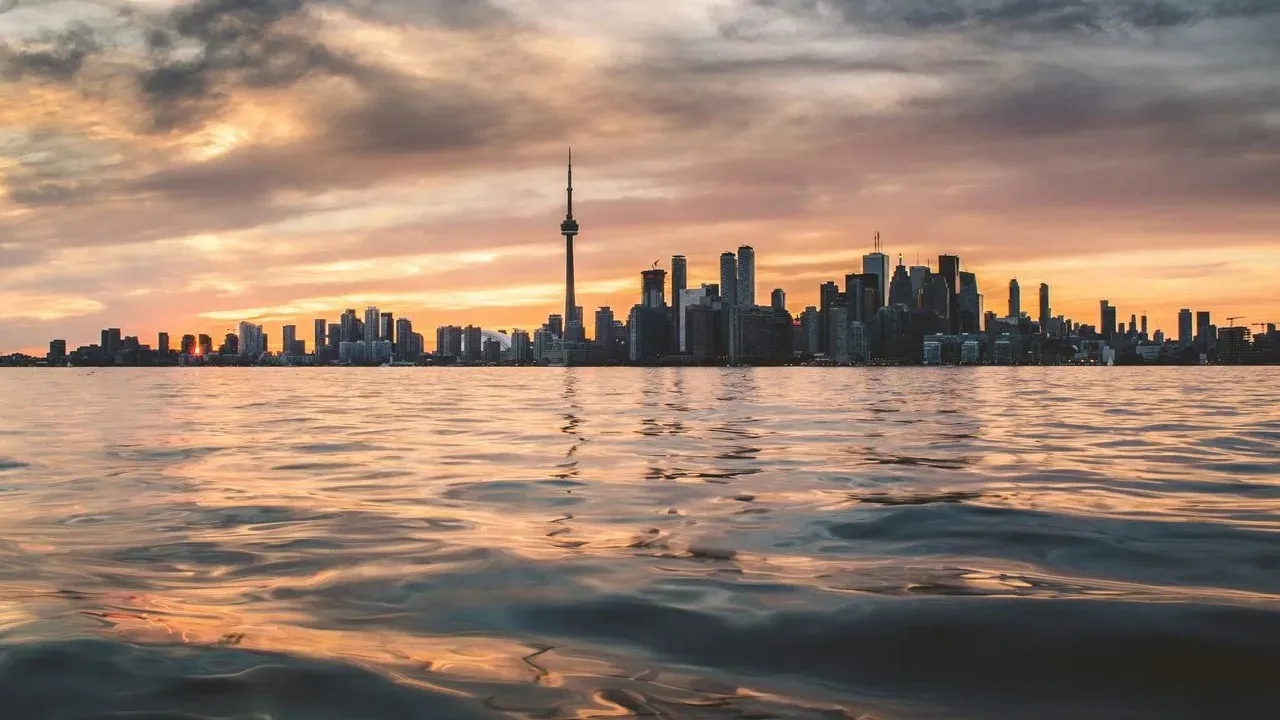

President Trump has suggested renaming Lake Ontario to Lake America in comments that echo earlier remarks about the Gulf of Mexico. The proposal targets one of the five Great Lakes that forms part of the border between the United States and Canada. At the same time, he rejected any notion that he would seek to limit French-language use among Canadians.
The Proposal Takes Shape
The suggestion emerged during a discussion of geographic names with international reach. Trump described the change as a way to emphasize American identity on the shared body of water. No formal process or timeline has been outlined for such a step. ([1])
Lake Ontario already carries oversight from several layers of government on both sides of the border. Agencies at the federal, state or provincial, and local levels manage navigation, water quality, and environmental protection. Any name change would therefore involve coordination across those entities rather than a unilateral decision.
Shared Governance of the Waterway
Like the Gulf of Mexico, Lake Ontario functions as an international waterway. Treaties and joint commissions have long governed its use for shipping, fishing, and recreation. The International Joint Commission, for example, addresses issues that cross the boundary.
Stakeholders range from commercial shipping interests and tourism operators to environmental groups and municipal water utilities. A name alteration would likely require review by these parties and could affect maps, charts, and official documents maintained by both nations.
Separate Denial on Language Matters
Trump also addressed a claim that he intended to interfere with Canadians speaking French. He stated clearly that no such plan exists. The remark appears unrelated to the lake-naming idea yet surfaced in the same exchange.
Language policy in Canada remains a domestic matter handled by federal and provincial authorities. French enjoys official status in several provinces and at the national level. External suggestions on the topic have historically drawn swift responses from Canadian officials.
Practical Steps and Stakeholders
Any effort to alter the lake’s name would begin with domestic U.S. agencies such as the U.S. Board on Geographic Names. Cross-border consultation would follow through established diplomatic channels. Canadian counterparts would need to agree or at least not object for the change to appear consistently on international maps.
Public reaction so far has centered on the unusual nature of the suggestion rather than organized campaigns. Observers note that previous name-change proposals involving shared waters have required years of negotiation and technical updates across multiple systems.
What matters now: The idea remains a floated concept without legislative or regulatory action. Both the renaming proposal and the language denial will likely receive further scrutiny as details emerge.
AI Disclaimer: This article was created with the assistance of AI tools and reviewed by a human editor.