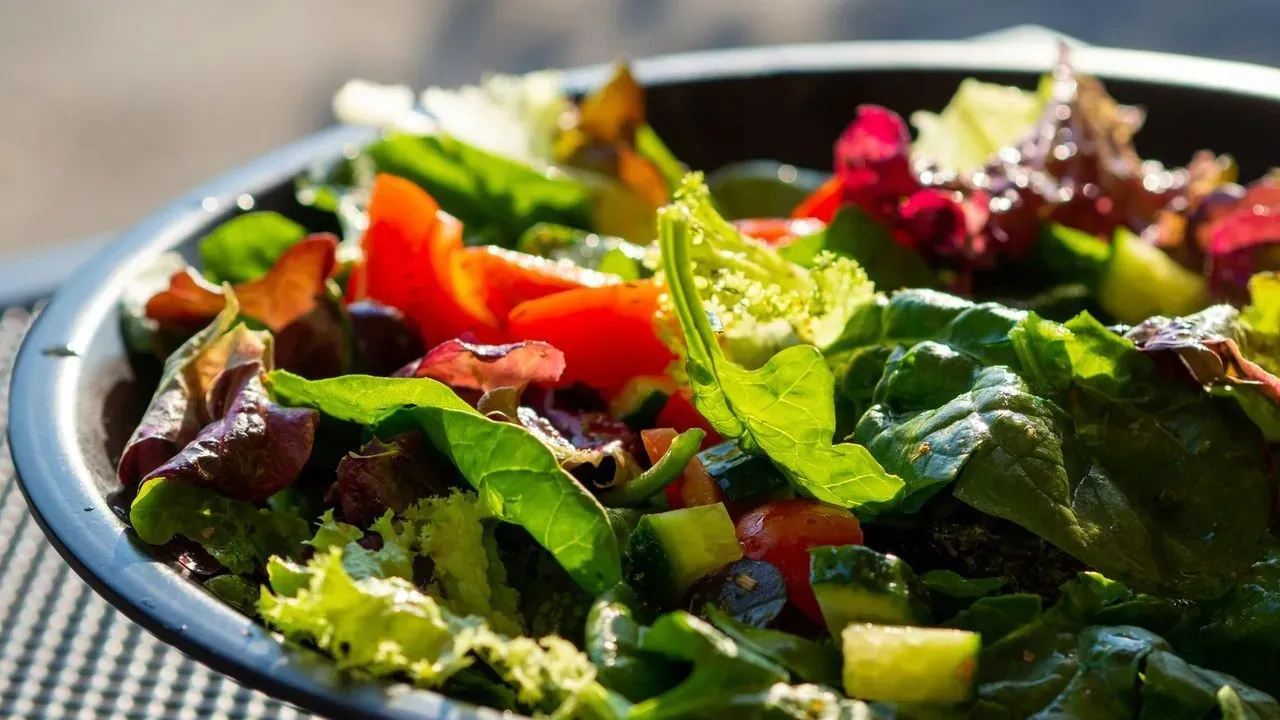

Shoppers have been quietly changing their grocery routines in response to recent food safety concerns. More than 6.5 million households stopped purchasing salad mixes and kits during the month that ended July 26, according to consumer data tracked by Numerator ([1]). The pullback reflects broader unease tied to a Cyclospora outbreak affecting certain fresh produce items. Families that once relied on convenient bagged greens are now weighing alternatives that feel more within their control.
The Human Side of Shifting Grocery Habits
Everyday routines around meal prep have felt the ripple effects. Parents who once grabbed a salad kit for quick weeknight dinners now pause at the produce aisle, weighing options more carefully than before. The scale of the change, captured in the Numerator figures, points to a widespread moment of hesitation rather than isolated decisions.
This adjustment carries practical weight for households managing budgets and time. Many are rediscovering older habits, such as checking local farmers markets or simply skipping pre-mixed options altogether. The result is a noticeable dip in sales that extends beyond one brand or store chain.
Why the Numbers Matter for Everyday Consumers
The 6.5 million households represent a meaningful slice of regular salad buyers who altered their behavior in a single month. Such a shift underscores how quickly trust in packaged convenience items can soften when safety questions arise. Retailers and suppliers are left adjusting forecasts while shoppers seek steadier ground.
Data like this often signals deeper patterns in consumer confidence. When millions move away from a category at once, it suggests the concern has moved past headlines and into real shopping carts. The timing, right in the middle of peak salad season, amplifies the effect on both sales and household planning.
Growing Your Own Greens Offers a Direct Alternative
Many gardeners see the current moment as validation for keeping a small patch of lettuce or leafy greens at home. Raising a few rows of salad fixings gives families direct oversight from seed to table, removing layers of handling that packaged mixes require. Freshness improves as well, since leaves can be harvested minutes before they reach the plate.
The approach also sidesteps the uncertainty that has prompted the recent sales drop. Home plots allow gardeners to choose varieties suited to their taste and climate while avoiding the supply-chain variables that sometimes contribute to wider outbreaks. For those with even modest outdoor space or a sunny windowsill, the barrier to entry remains low.
Simple Steps to Start a Reliable Home Salad Garden
- Choose quick-growing varieties such as loose-leaf lettuce, arugula, or spinach that mature in four to six weeks.
- Prepare a small raised bed or several large containers with well-draining soil and consistent moisture.
- Plant successive batches every two weeks to maintain a steady supply through the season.
- Harvest outer leaves regularly to encourage continued growth and enjoy peak flavor.
- Monitor for common garden pests with basic organic methods rather than relying on commercial sprays.
These steps turn a single planting into weeks of fresh additions to meals. Many new gardeners find the process surprisingly forgiving once the initial setup is complete.
A Practical Path Forward for Cautious Shoppers
The recent sales data serves as a reminder that food choices often evolve with new information. Households weighing their options now have a clear opportunity to blend store purchases with home-grown produce. Even a modest garden can reduce reliance on any single source while adding enjoyment to daily routines.
As the season progresses, the households that stepped back from bagged mixes may discover lasting value in growing at least some of their own greens. The shift reflects both caution and a return to hands-on food preparation that many find satisfying long after immediate concerns ease.
AI Disclaimer: This article was created with the assistance of AI tools and reviewed by a human editor.