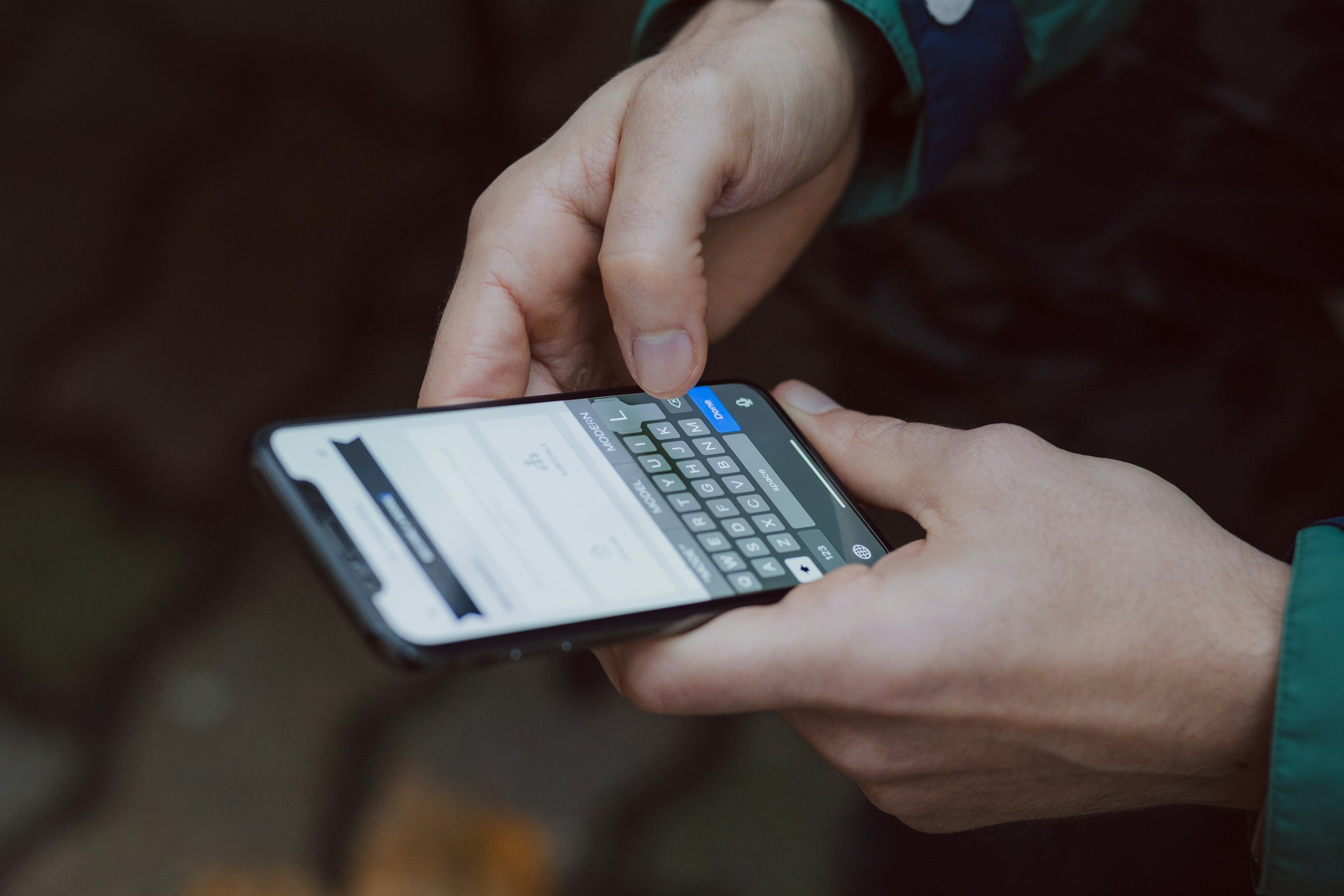

Your phone buzzes. A text says your package is on hold and a small fee, sometimes less than two dollars, is all that stands between you and your delivery. It feels routine, almost trivial. That’s exactly what makes it so dangerous.
This scam has quietly become one of the most widespread forms of consumer fraud in the United States, targeting everyday shoppers across every age group. The numbers behind it are stunning, and understanding how the scheme works is the first real defense against it.
The Scale of the Problem Is Larger Than Most Realize
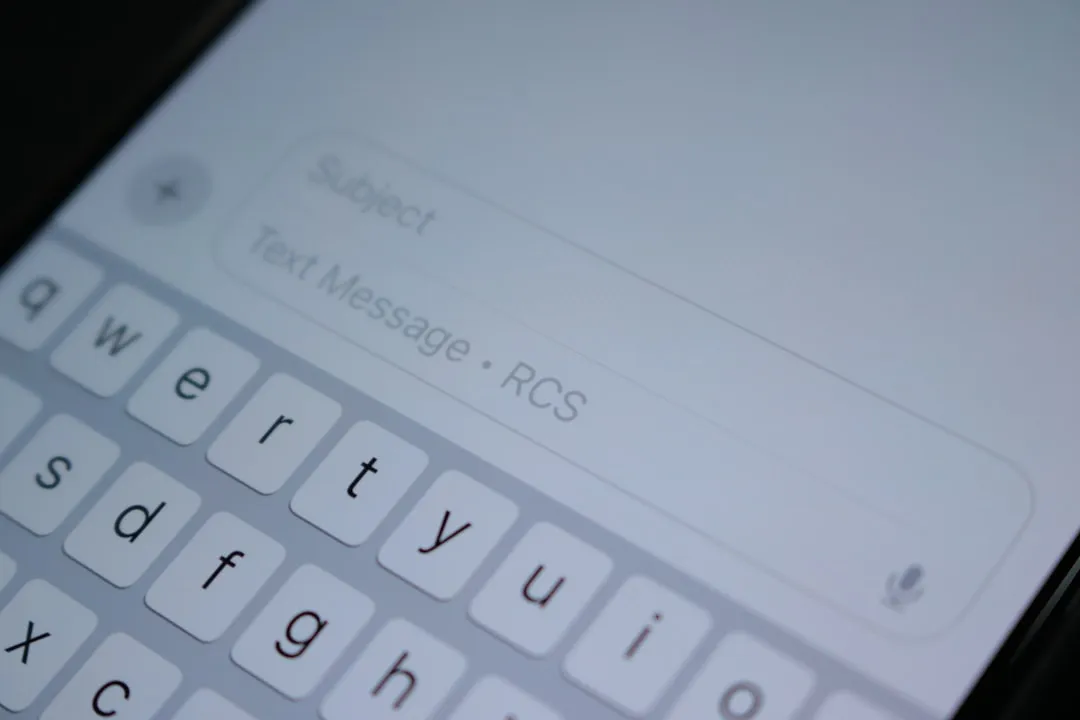
According to the Federal Trade Commission, consumers reported losing $470 million to scams that started with text messages in 2024. That figure is more than five times the amount reported in 2020, and due to a lack of reporting, it reflects only a fraction of actual losses.
The most commonly reported type of text scam was fake package delivery, where scammers send alerts about a supposed issue with an incoming delivery. This wasn’t second or third on the list. It ranked first, ahead of every other category of text fraud tracked by the FTC.
Why Delivery Scams Work So Well on So Many People
Few scams are as effective as the fake delivery notice, for one simple reason: almost everyone is expecting a parcel. A text claims your package is held over an unpaid fee or a missing detail, with a link to “sort it out.” The approach is plausible, the amount is tiny, and urgency is built in.
Text messages are particularly effective because they bypass email filters and go to your phone, where people tend to be less cautious. Text messages also boast open rates as high as 98%, increasing the odds that recipients will react before questioning authenticity. That combination of trust and speed is what scammers are counting on.
How the Scam Actually Works, Step by Step

Messages about package deliveries, usually from someone pretending to be from the U.S. Postal Service, were the most reported text scam last year. These messages say there’s a problem with a delivery and link to a website that looks like the real USPS site, but isn’t. Many people reported paying a small “redelivery fee” that turned out to be a trick to get their credit card or even Social Security number.
The message is a phishing template designed to harvest your card details, and the fee is bait. The real theft happens after you type your card number into the fake page. USPS never asks for money by text. The fee is the phish.
The Brands Being Impersonated Most Often
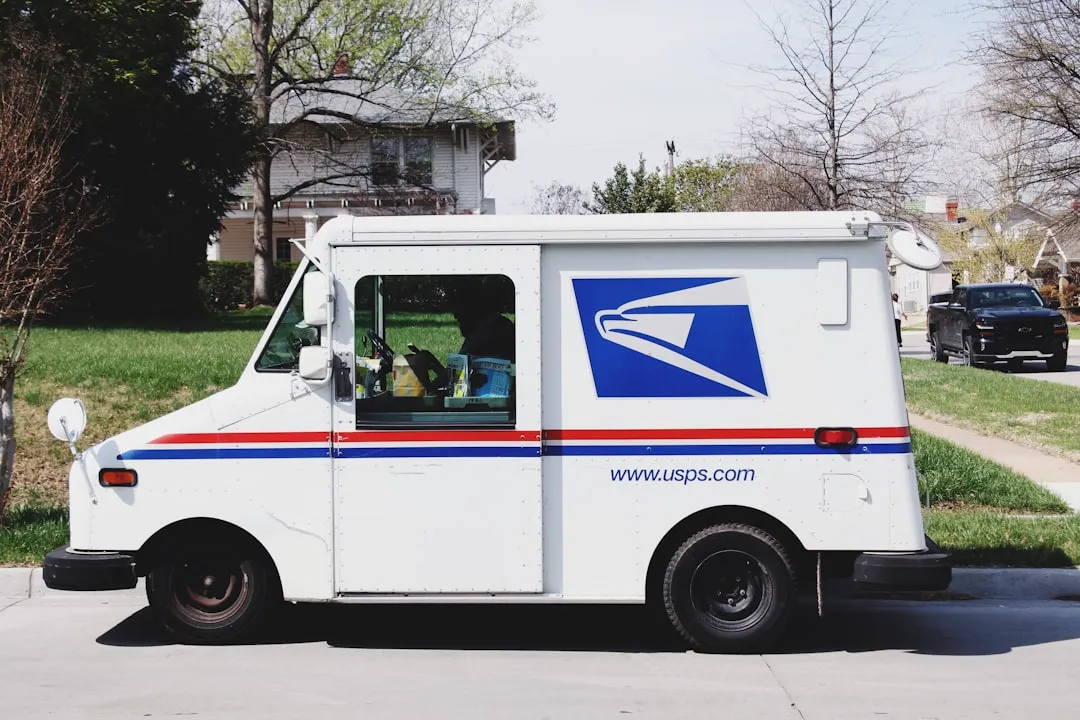
Criminals pretend to be USPS, FedEx, and UPS, using smishing to obtain personal information and money. No major carrier is off limits, though some are targeted far more aggressively than others.
DHL was the most frequently impersonated carrier, with fraudulent websites mimicking the company surging 206% month over month. DPD Group ranked second, while the U.S. Postal Service emerged as the fastest-growing target. USPS impersonation carries particular authority weight because it’s a federal agency, and the real USPS does send text notifications when users opt into tracking alerts, so a USPS-shaped text is not automatically suspicious to most recipients.
The Small Fee That Hides a Much Bigger Theft

The amount is kept deliberately tiny. A small redelivery fee lowers your guard, while the urgency that your parcel will be returned keeps you from thinking too carefully. This is calculated psychology, not coincidence.
One person who contacted the AARP Fraud Watch Network paid just 99 cents and later discovered $400 had been charged to their card. If you’ve entered credit card information to pay a redelivery fee, you’ve given scammers access to your finances, and they may use it to make purchases or attempt to take out lines of credit in your name. The small fee is never the real goal.
AI Is Making These Scams Harder to Spot
In the past, consumers could spot phishing attempts by looking for poor grammar, spelling errors, and awkward phrasing. Those mistakes often came from non-native English speakers working from overseas scam centers. That advantage is now largely gone.
Scammers are now using AI to quickly throw up convincing websites that look very similar to official delivery portals. Research shows a 30-fold increase in shopping-related fraudulent text messages leading up to the 2025 holiday season. Criminals can now personalize attacks at scale, using data from previous breaches to craft messages that reference your actual bank or recent shopping habits.
Older Adults and the Hidden Cost of Each Incident

The FTC’s data underscores the growing financial toll of text scams, with older adults losing a median of $1,500 per incident, though younger consumers reported higher scam frequency. Both groups are clearly in the crosshairs, just in different ways.
Even when victims don’t lose money immediately, the damage isn’t over. Once scammers have your name, phone number, address, or card information, future scams become far more convincing. The stolen data often gets sold or reused in follow-up fraud attempts months later.
How to Tell if a Delivery Text Is Real or Fake
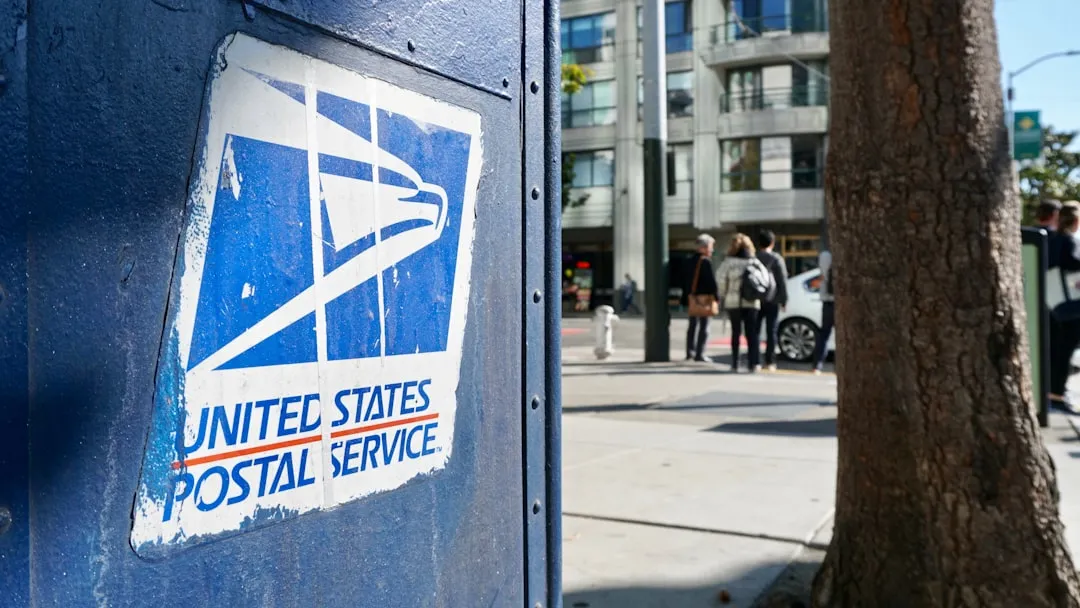
The U.S. Postal Inspection Service is unambiguous on this point: USPS will not send customers a text message or email unless the customer first requested it with a specific tracking number. Even then, the message will not contain a link. If you receive a text claiming to be from USPS that contains a link, it is a scam. USPS does not include links in its tracking notifications.
Additional red flags include an unexpected fee for redelivery or customs, a link to a look-alike domain rather than the carrier’s real site, urgency language like “final notice” or “returns today,” and a tracking number you don’t recognize or no order that matches. When in doubt, go directly to the carrier’s official website by typing the address yourself.
What to Do If You’ve Already Clicked or Paid
If you’ve already entered card details into a suspicious site, contact your bank immediately. Speed matters enormously in these situations, as most banks can freeze a card or reverse recent unauthorized charges if notified promptly.
Clicking a link alone rarely installs anything on a modern phone, but it does confirm your number is active. Expect more attempts after that, and don’t click the next one. The USPS Postal Inspection Service has set up a dedicated reporting channel at [email protected] and recommends forwarding every smishing text to 7726, the universal SMS spam reporting shortcode.
The Surge During Holiday Shopping Season
NordVPN data shows malicious postal service websites jumped 86% in a single month heading into the holiday season, as scammers increasingly impersonate well-known delivery brands to trick consumers into clicking harmful links. The timing is deliberate. When everyone is tracking multiple packages, one more delivery text blends right in.
Recent scam messages claim packages are “on hold” due to unpaid tariffs or customs fees, pressuring shoppers to click links out of fear they’ll miss holiday deliveries. A NordVPN survey found that nearly four in ten respondents had encountered delivery scams, many of which arrived directly on their phones. Text messages often bypass spam filters and are opened quickly, increasing the chance of impulsive clicks.
Final Thoughts
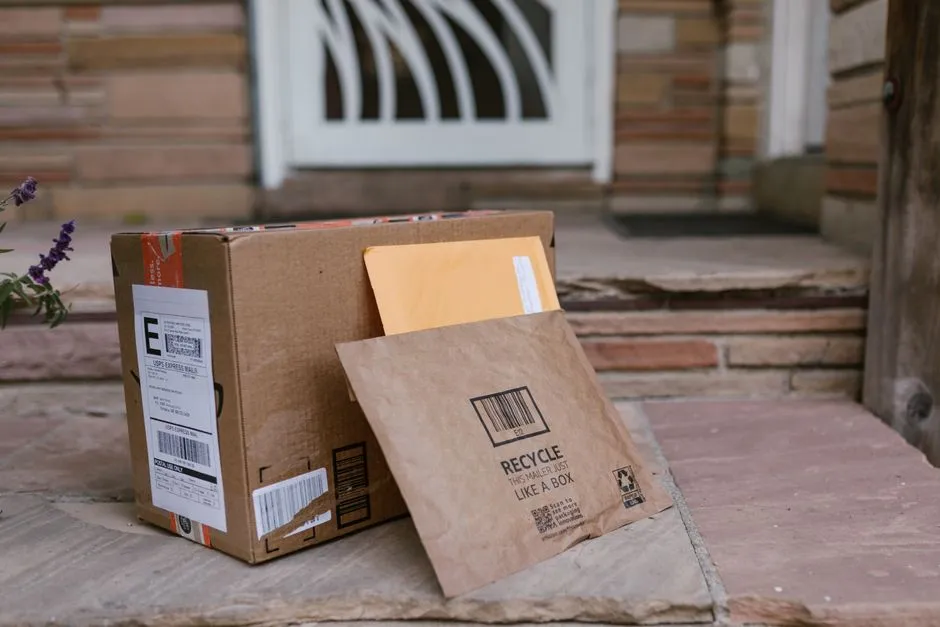
The fake delivery fee text works because it’s built around a situation that’s already familiar and mostly harmless: waiting for a package. Scammers didn’t invent a new behavior to exploit. They slipped into one that already exists, and they’ve gotten very good at it.
If a text claims there’s a problem with your delivery and pushes you to act fast, slow down. Scammers rely on urgency, fear, and convenience. The one second you take to question the message is usually all it takes to see through it. Type the carrier’s address yourself, check your order directly, and never pay a fee through a link you didn’t ask for. That habit costs nothing and protects everything.
AI Disclaimer: This article was created with the assistance of AI tools and reviewed by a human editor.