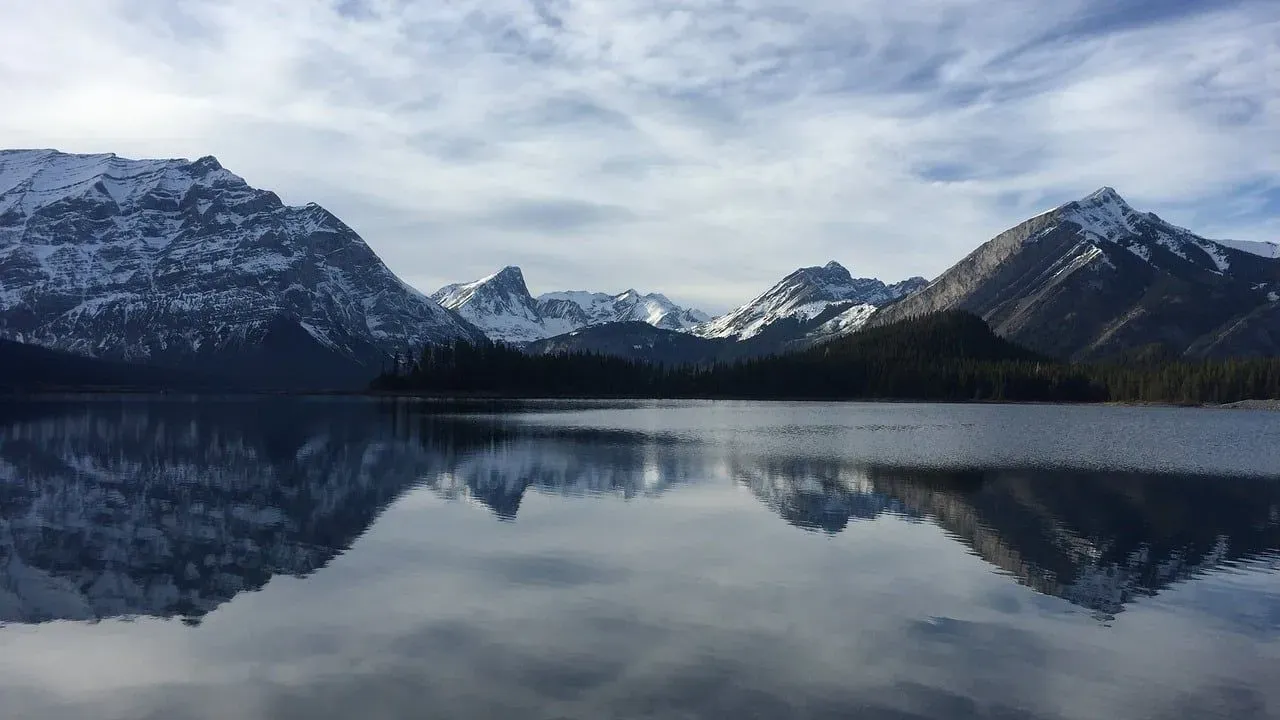

President Donald Trump indicated this week that he is examining a possible name change for Lake Ontario to “Lake America.” The suggestion comes at a moment when economic tensions between the United States and Canada have sharpened over trade policy. The idea echoes an earlier executive action that altered another major North American waterway designation.
Details of the Name Change Idea
Trump made the comment during public remarks focused on bilateral economic relations. He described the potential renaming as one option under consideration, without providing a specific timeline or mechanism for implementation. Lake Ontario, one of the five Great Lakes shared by the two countries, serves as a vital shipping route, source of drinking water, and recreational area for millions of residents on both sides of the border. Any formal change would require coordination across federal agencies and could face legal or diplomatic hurdles. The lake’s current name has historical roots dating back centuries, reflecting both Indigenous and colonial influences in the region. Officials have not yet outlined how such a shift would affect maps, navigation charts, or international agreements.
Trade Dispute Provides the Backdrop
The remarks occurred against the backdrop of ongoing negotiations and tariff disputes between Washington and Ottawa. Both nations have imposed or threatened measures affecting key sectors including agriculture, automobiles, and energy. Canadian officials have responded by highlighting the integrated nature of supply chains that cross the border daily. Business groups on both sides have urged restraint, noting that prolonged friction risks higher costs for consumers and disruptions in manufacturing. The Great Lakes themselves remain central to cross-border commerce, with cargo vessels moving goods between ports in the United States and Canada. Any symbolic gesture tied to the waterway could therefore carry practical resonance beyond rhetoric.
Link to Earlier Geographic Renaming
The Lake Ontario proposal follows a similar step taken last year when Trump issued an executive order renaming the Gulf of Mexico. That earlier action drew attention for its unilateral approach and prompted discussion about the limits of presidential authority over geographic names. Supporters viewed it as an assertion of national identity, while critics questioned its necessity and long-term effects. In both cases, the changes were framed by the administration as responses to perceived imbalances in international relations. The pattern suggests a willingness to use symbolic policy tools alongside traditional trade measures. Observers note that such moves can generate headlines quickly but often require sustained follow-through to produce lasting results.
What Matters Now
The proposal remains at an early, exploratory stage with no formal process announced. Stakeholders in the Great Lakes region, including state and provincial governments, environmental agencies, and commercial interests, will likely monitor developments closely. How the idea evolves will depend on the trajectory of broader trade talks and any legislative or regulatory steps that follow. For now, the suggestion adds another layer of complexity to an already charged economic relationship. The outcome could influence public perception of bilateral ties more than it alters physical geography.
AI Disclaimer: This article was created with the assistance of AI tools and reviewed by a human editor.